What the NN200 Conveyor Belt Is
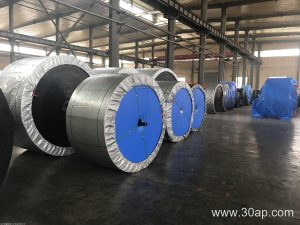
The NN200 Conveyor Belt is a multi-ply fabric core conveyor belt built on nylon (NN) warp and weft canvas. In the belt naming system, the number refers to the nominal tensile strength of the carcass in newtons per millimeter of width, so NN200 sits in the middle of the common nylon range, above NN100 and below NN300. It is a flexible, general-purpose belt rather than a steel cord product, and buyers often describe it as a nylon fabric core conveyor belt or simply an NN conveyor belt.
Because the carcass is all-nylon, the belt combines high strength with good fatigue resistance and strong adhesion between plies. It also tolerates repeated flexing over pulleys, which makes it a practical choice on long conveying lines with several bends.
How the Belt Is Built
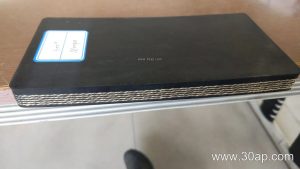
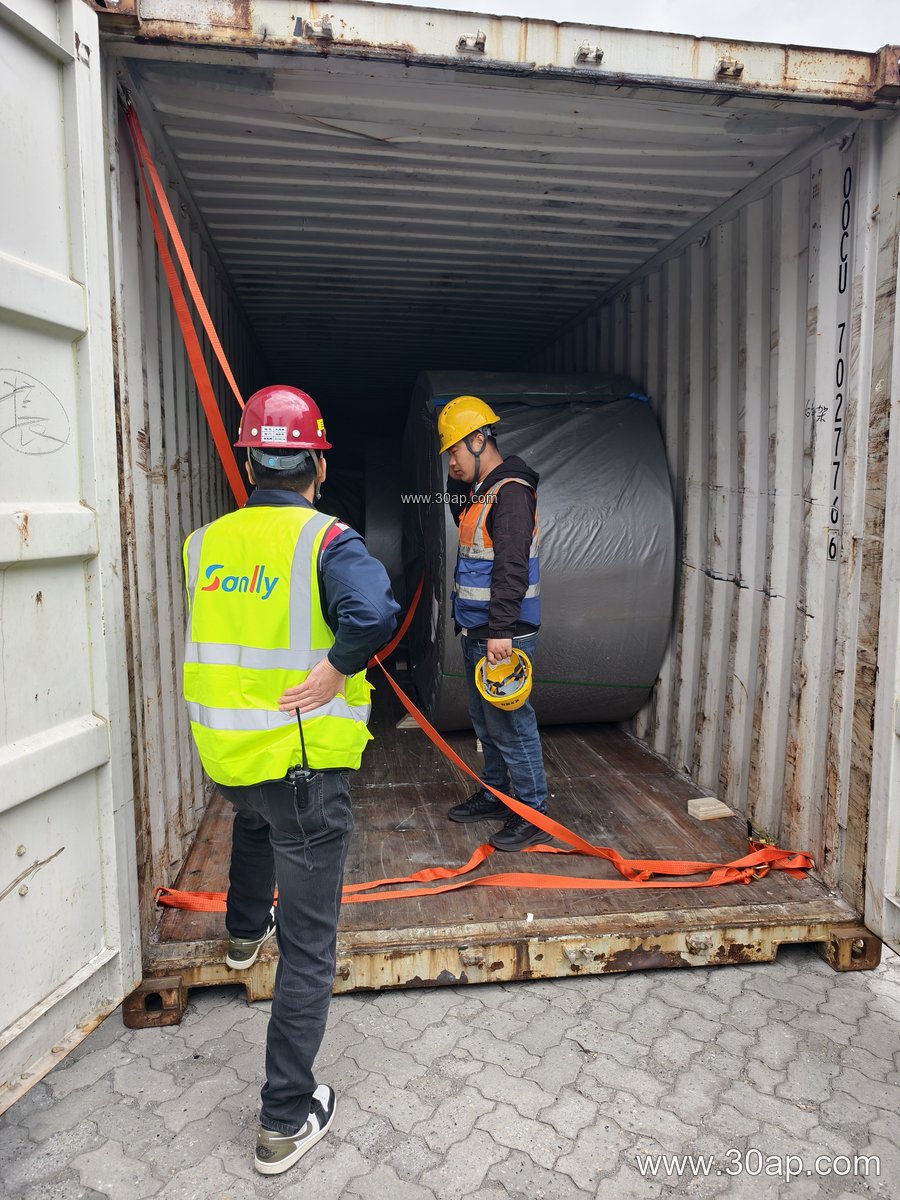
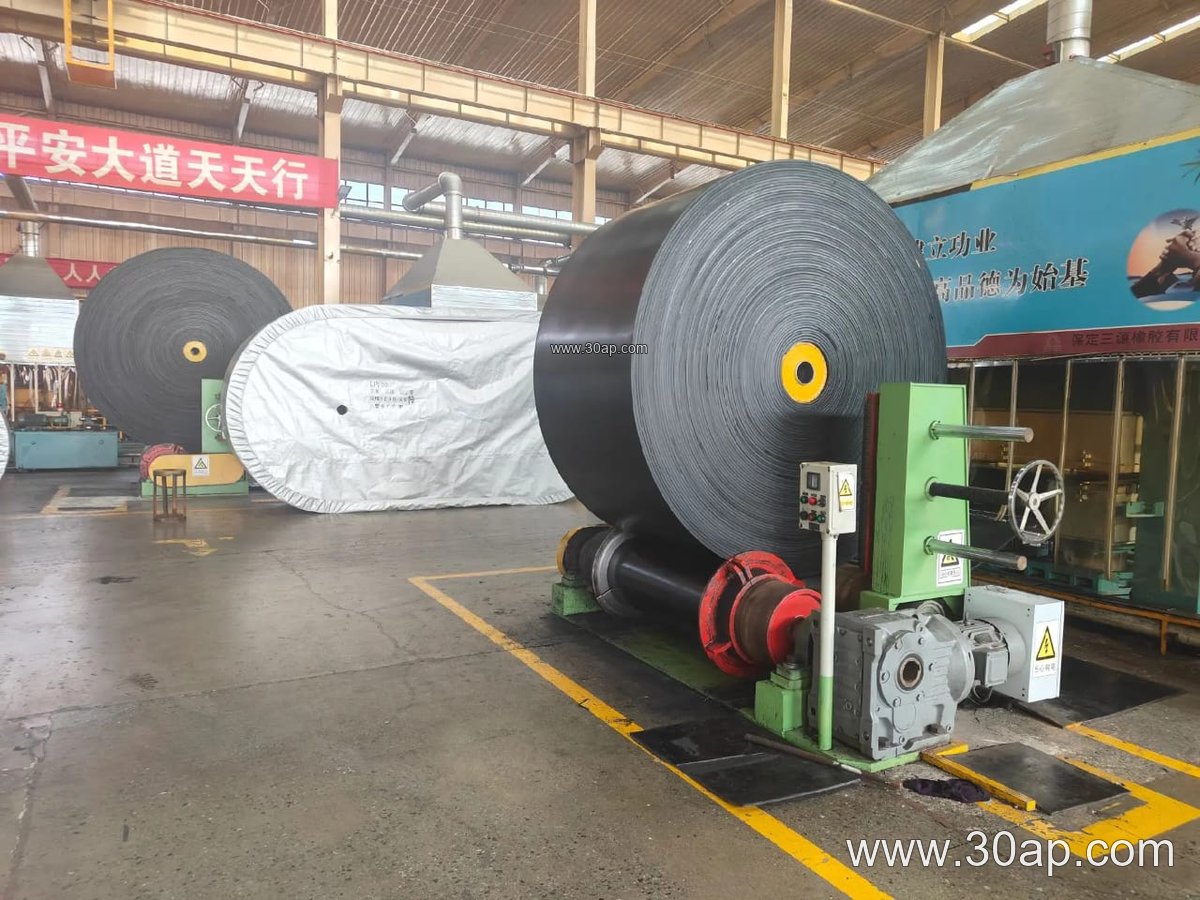
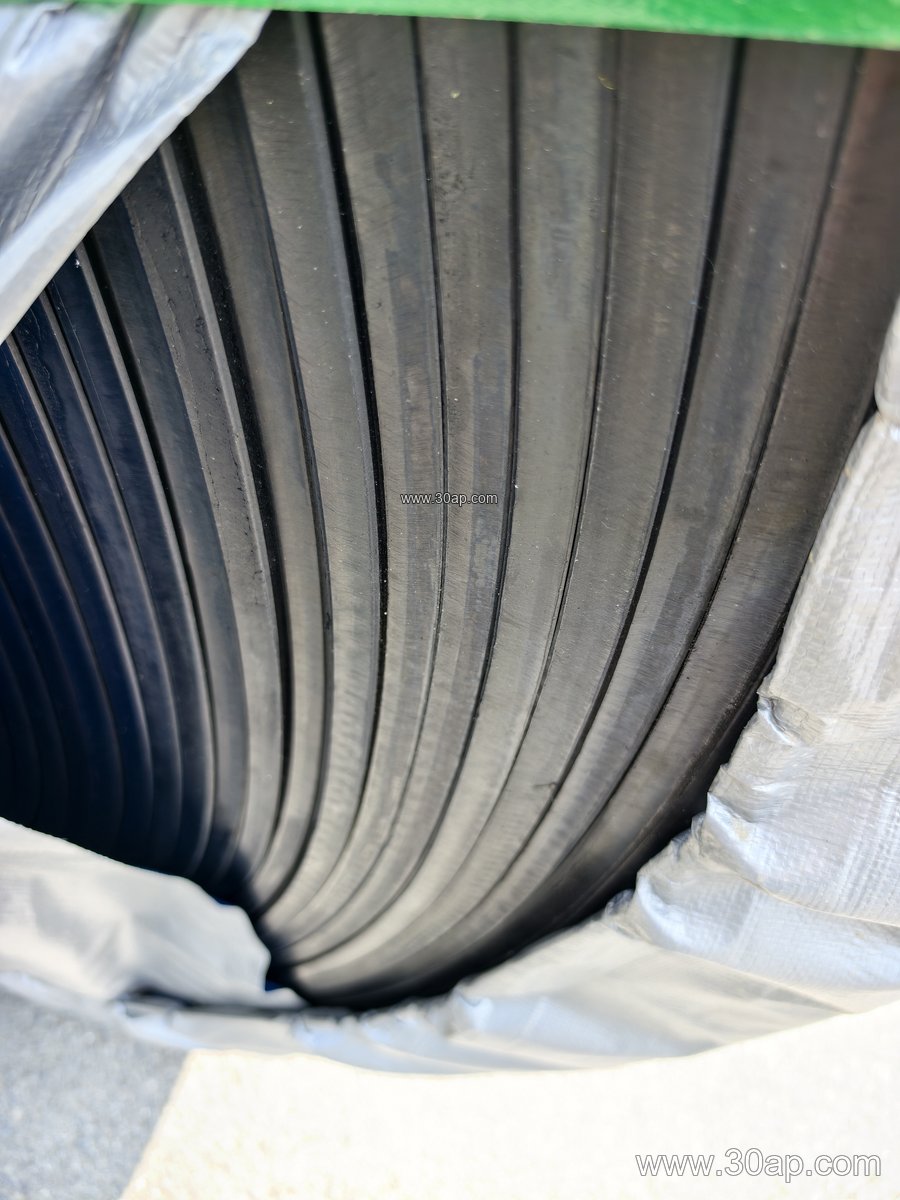
The construction is layered. Nylon fabric plies form the tension-bearing skeleton, separated by skim rubber and bonded into a single carcass. Top and bottom cover rubber protect the plies from abrasion, moisture and impact. Common carcass build-ups range from two to six plies depending on the required strength and belt width.
Cover thickness is usually quoted as top plus bottom, for example 4+2 mm, 5+2 mm, 6+2 mm or 8+3 mm. A heavier top cover suits sharp, coarse material; a thinner cover is enough for fine, light goods. The physical properties of the cover compound can be adjusted during manufacture to produce an abrasion resistant conveyor belt, a heat resistant conveyor belt, a flame retardant conveyor belt or an oil resistant conveyor belt while keeping the same NN200 carcass.
Common Specifications
The table below gives typical reference values only. Actual figures depend on the manufacturer and on the conveyor design.
- Belt type: NN200, multi-ply nylon fabric core
- Nominal carcass strength: 200 N/mm
- Common widths: B500, B650, B800, B1000, B1200, B1400, B1600
- Carcass plies: usually 2 to 6
- Cover combinations: 3+1.5, 4+2, 5+2, 6+2, 8+3 mm
- Related grades in the same family: NN100, NN300, NN400
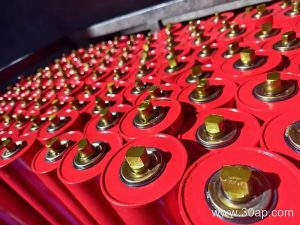
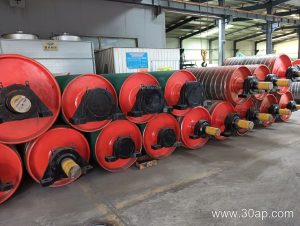
Width and strength are not tied to one pulley size. A given belt width can run on different conveyor pulley diameters, and the drive pulley, tail pulley and bend pulley each have their own design rules. The belt supplier and the conveyor designer should confirm the minimum pulley diameter together.
Where It Fits in the Plant
NN200 is widely used in bulk material handling where moderate to high tension is needed but a steel cord belt would be excessive. Typical settings include:
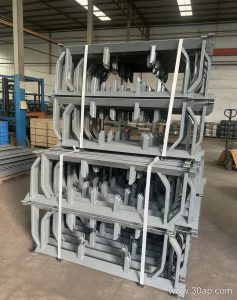
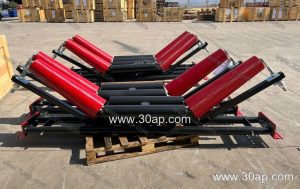
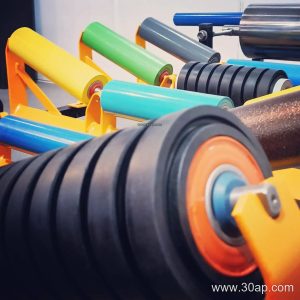
- Mining and quarry lines moving ore, rock and overburden, often alongside idler rollers and conveyor brackets.
- Coal preparation and underground mining conveyors, where a flame retardant or anti-static version may be specified.
- Cement plants transporting clinker, limestone and additives.
- Power plants handling coal and ash.
- Sand and aggregate plants, crusher discharge lines and stockyard conveyors.
A nylon belt is also a common alternative to an EP conveyor belt. Both are fabric core products; polyester-nylon (EP) tends to have lower stretch, while all-nylon NN200 offers excellent flex and impact behavior. The choice depends on the take-up length, starting method and load profile.
Buyer Checklist
Before ordering, confirm the duty and the environment. Specify the material being carried, lump size, belt speed, incline and whether the belt will start fully loaded. State the ambient and material temperature so the correct cover compound is selected. For dusty or explosive atmospheres, ask for the flame retardant and anti-static properties in writing.
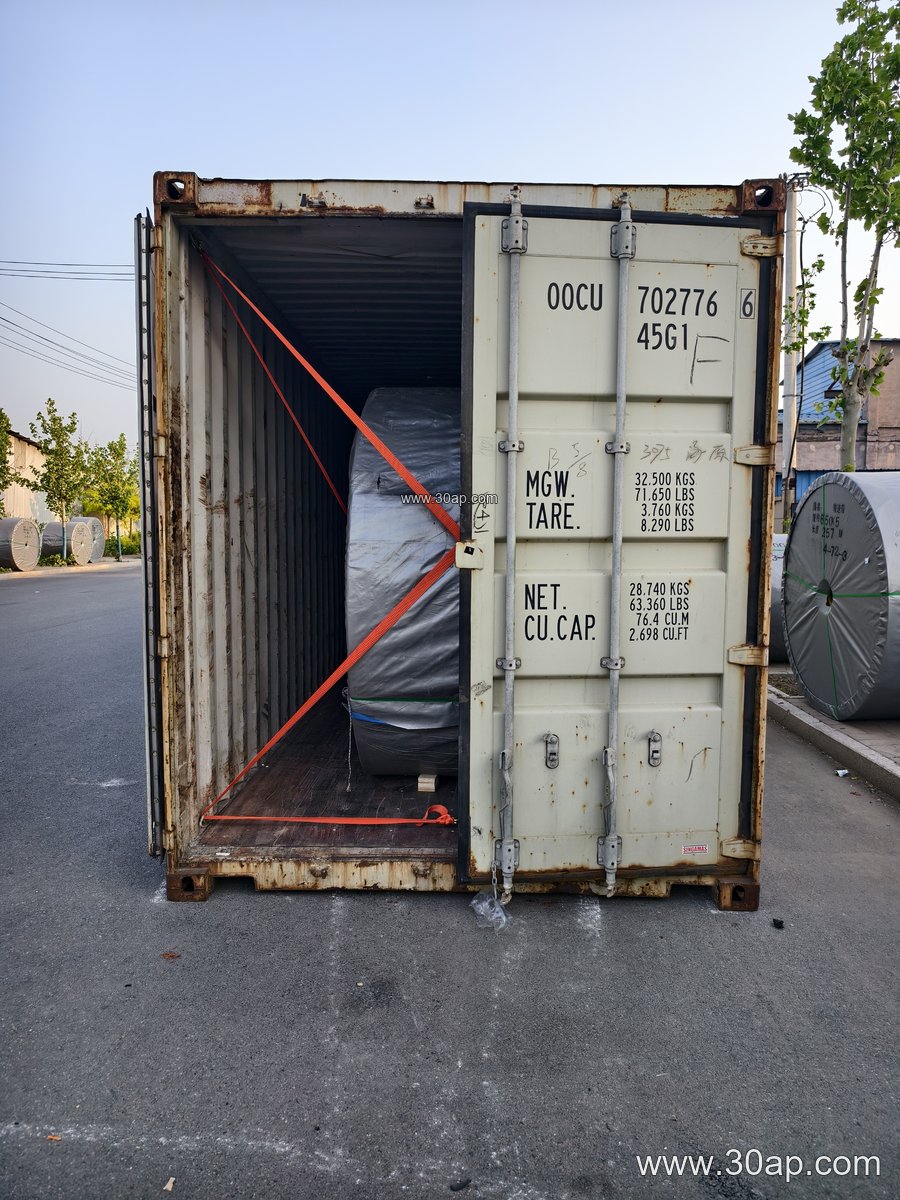
Check the splice method too. Mechanical fasteners and vulcanized splices have different requirements, and the belt edges should be cut square. On site, keep the belt tracking well by inspecting idler rollers, the conveyor pulley lagging and the structure; misalignment is a frequent cause of edge damage. Store spare belts off the ground, away from sunlight and ozone sources.
Finally, match the belt to the whole system rather than to one number. Width, ply count, cover thickness and cover grade should be chosen together with the conveyor pulley diameters, idler spacing and loading conditions. That approach keeps an NN200 belt running steadily in mines, cement works, power stations and aggregate yards alike.