What a Large Conveyor Pulley Does
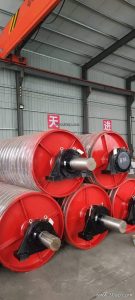
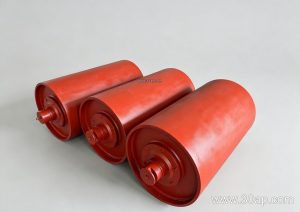
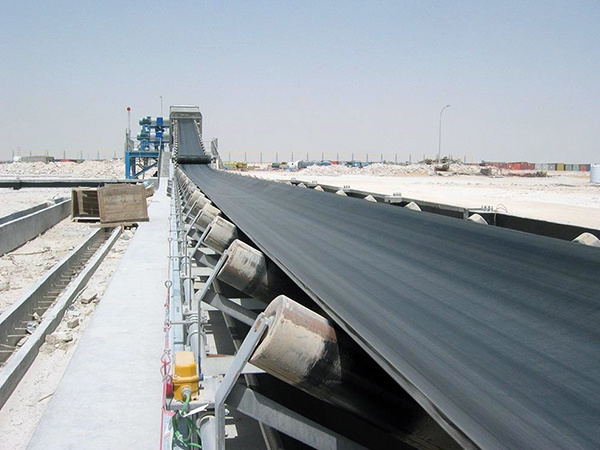
A large conveyor pulley is the drum that transfers motion to the belt and carries the tension that keeps a conveyor running straight and stable. In heavy material handling it is the anchor point of the whole belt loop, sitting at the head, tail, or take-up position and working with the conveyor belt, idler rollers, and conveyor brackets to keep tonnage moving. Where a small unit might handle a light package line, a large conveyor pulley is built for deep mines, cement plants, power station coal yards, and quarry crushing circuits where belt widths and loads climb quickly.
Buyers often meet the product under a second accurate name: the conveyor drum pulley, or simply the drum pulley. These terms describe the same component, and they appear side by side in RFQs and layout drawings.
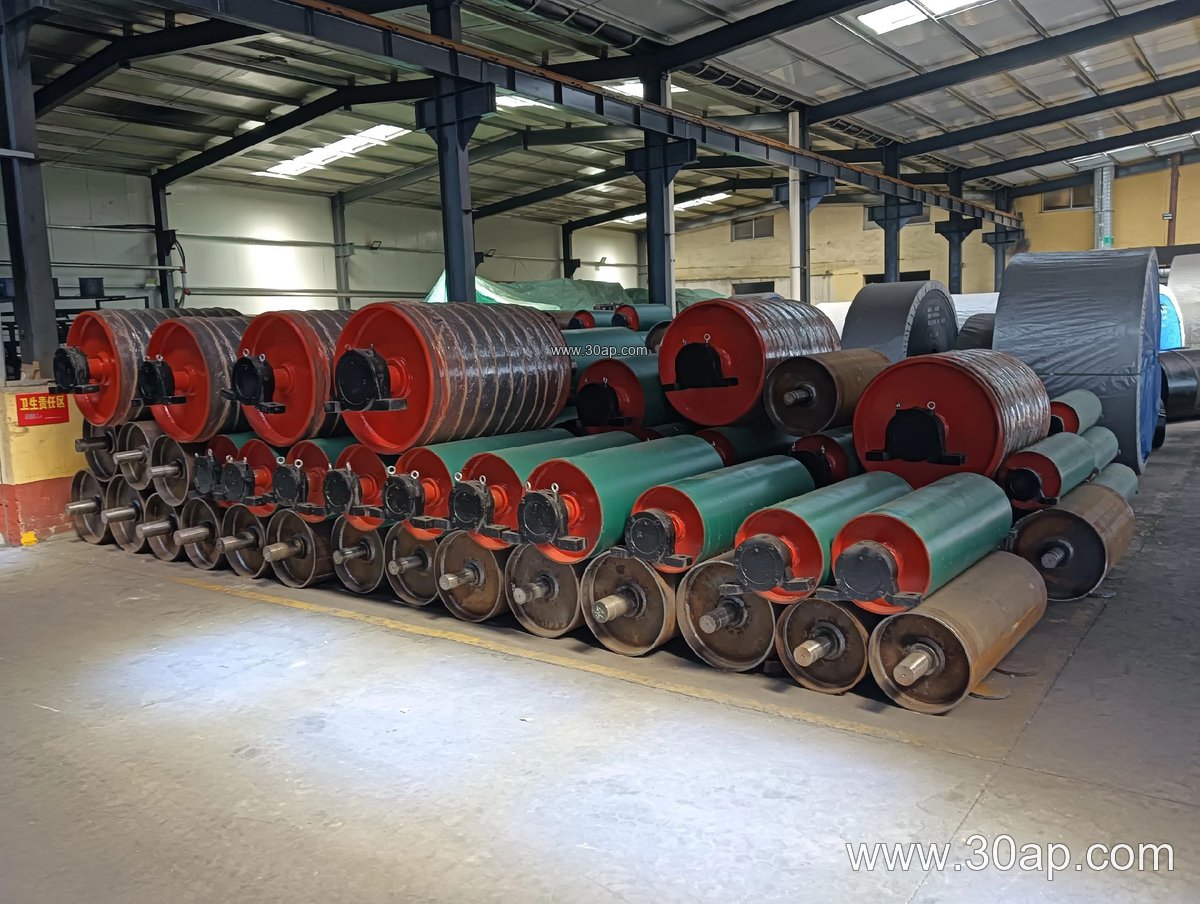
How the Drum Is Built
The assembly combines a cylindrical shell, end discs, a shaft, and a bearing housing on each side. The shell may be rolled from steel plate or, in lighter duty, formed from tube. Shafts are sized by torque and radial load, not by belt width alone, so a B1200 conveyor can carry different shaft diameters depending on wrap angle and tension.
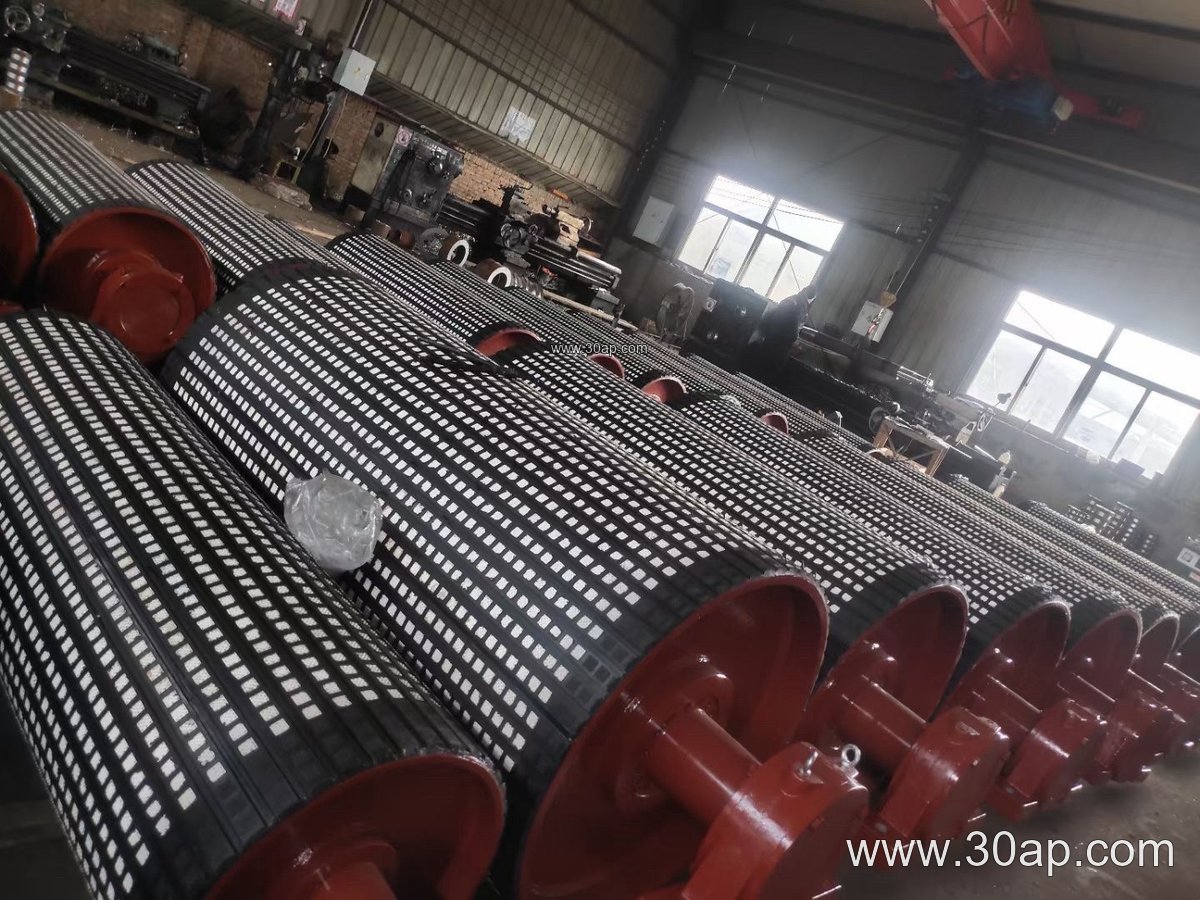
Surface treatment is where much of the engineering sits. Plain finish suits clean, dry belts with modest grip demand. Rubber lagging applied cold or vulcanized hot raises friction and protects the shell. Diamond lagging sheds water, while herringbone lagging helps self-center a tracking belt. Ceramic lagging is chosen where slip and abrasive dust are constant companions. Lagging thickness commonly runs from 8 mm to 20 mm, and the right figure follows the duty rather than a catalogue default.
Typical Reference Dimensions
The table below gives common reference values for planning. They are starting points for discussion, not fixed pairings, and final dimensions are set by the conveyor designer.
| Belt width | Typical face width | Example diameter |
|---|---|---|
| B400 | about 500 mm | Ø200 to Ø400 |
| B650 | about 750 mm | Ø400 to Ø630 |
| B800 | about 950 mm | Ø500 to Ø800 |
| B1000 | about 1150 mm | Ø630 to Ø1000 |
| B1200 | about 1400 mm | Ø800 to Ø1250 |
| B1400 | about 1600 mm | Ø800 to Ø1400 |
| B1600 | about 1800 mm | Ø1000 to Ø1600 |
| B1800 | about 2000 mm | Ø1250 to Ø1800 |
| B2000 | about 2200 mm | Ø1400 to Ø1800 |
Shaft diameters such as Ø80, Ø100, Ø120, Ø160, or Ø200 are selected from calculated torque and bearing load. A wide belt does not automatically dictate a single shaft size, and a narrow belt can still need a heavy shaft when starting torque is high.
Matching the Pulley to the Belt and the Plant
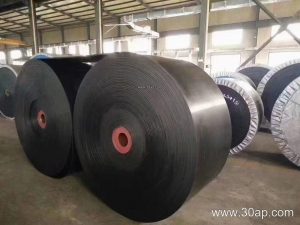
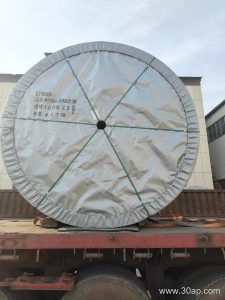
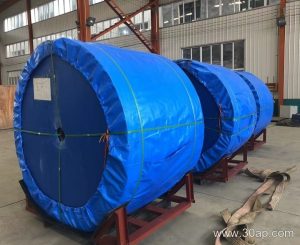
In a coal preparation plant or underground coal mining conveyor, the drive pulley usually runs with a flame retardant conveyor belt and anti-static conveyor belt, so lagging choice must respect fire safety as well as grip. A copper ore or iron ore line may pair the drum with a steel cord conveyor belt or a heavy-duty mining conveyor belt, where impact and abrasion are relentless and abrasion resistant conveyor belt grades protect the loop.
At a cement plant, heat resistant conveyor belt and heat resistant pulley lagging work together near clinker coolers. In a port ship loading system, a wide conveyor belt of 1800 mm or 2000 mm may run over a large head pulley with diamond lagging for wet weather traction. The same drum can be a bend pulley or take-up pulley in a different layout, and the position changes the bearing load and the wrap angle the designer must calculate.
Buyer Checklist
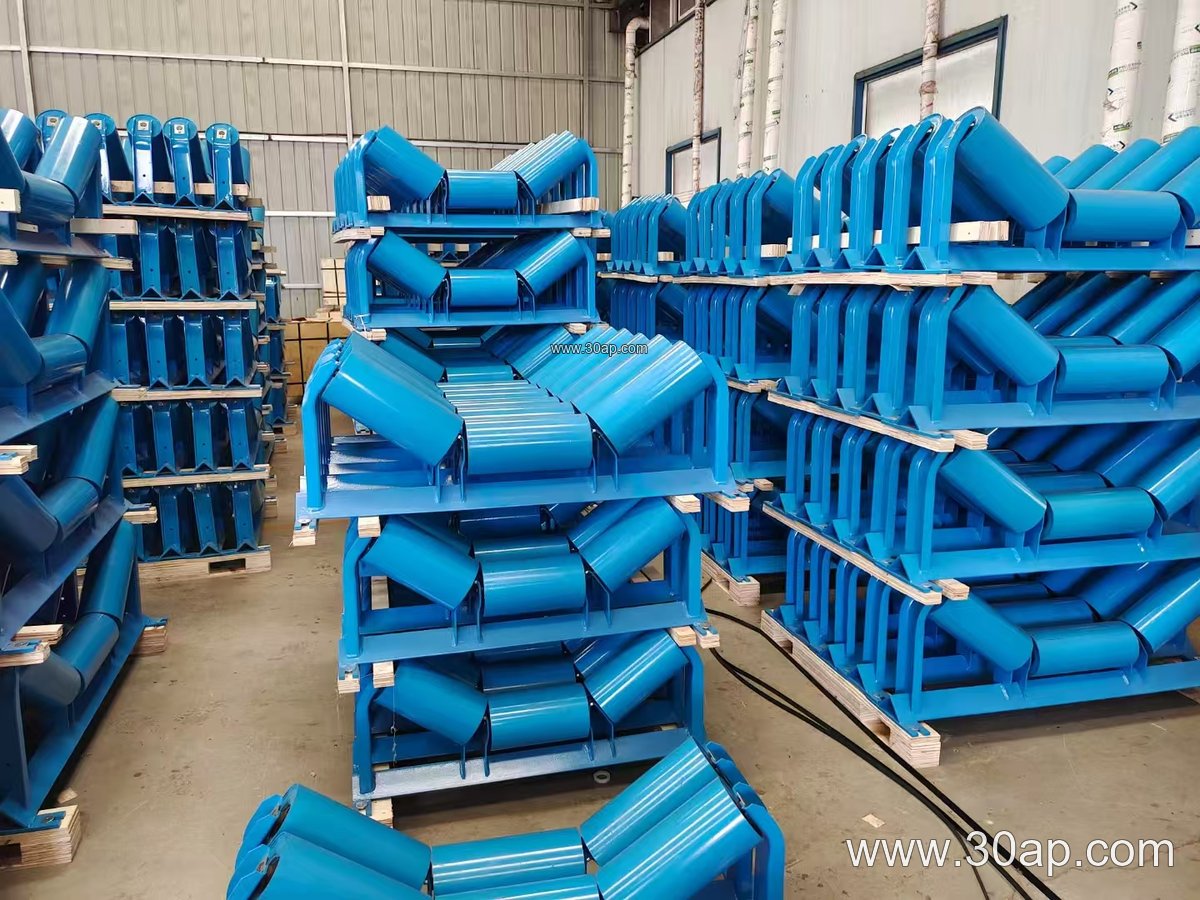
- Confirm duty position: head, tail, take-up, or snub, since each one loads the shaft differently.
- State belt width, belt type, and belt tension so the shell and shaft can be checked together.
- Choose lagging by environment: ceramic for abrasive dust, diamond for wet belts, plain for light clean duty.
- Ask for the balancing grade and the bearing type, as these affect vibration and service life.
- Check that the face width suits the belt and that the conveyor brackets match the bearing housing footprint.
- Review the shaft diameter calculation, not just the drawing number, before approving the order.
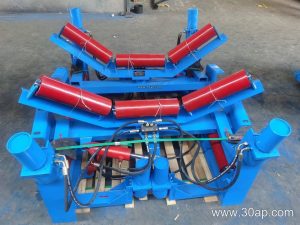
When the drum, the belt, and the conveyor idlers are specified as one system, uptime improves and belt tracking problems become far less common. Further dimensions and drawings are best confirmed against the current project data before fabrication begins.