What an Adjustable Conveyor Bracket Does
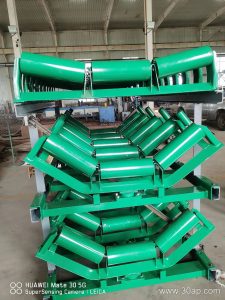
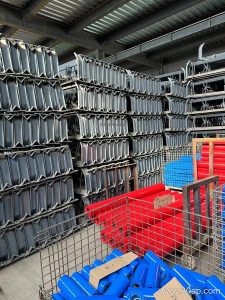
An adjustable conveyor bracket is the mounting component that holds idler rollers at a set position along a conveyor frame while allowing that position to be changed. Instead of a welded or bolted fixed seat, the bracket uses slotted holes, pivoting arms, or index plates so maintenance crews can alter the troughing angle, the roller spacing, or the height of the roller relative to the belt line. It is a small part, but it decides how well a conveyor belt seats on its idlers, how much material spills at transfer points, and how quickly a line can be re-tuned when the duty changes.
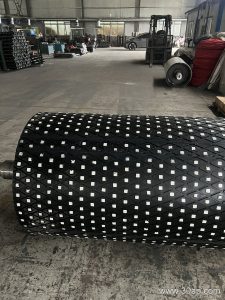
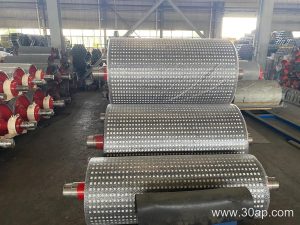
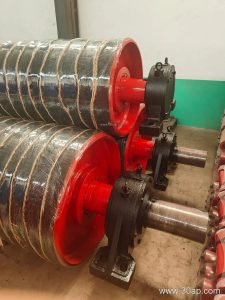
The bracket is not a pulley. Drive pulleys, tail pulleys, and bend pulleys transmit power and change belt direction, while the adjustable bracket simply carries and positions idler rollers under or over the belt. Keeping that distinction clear helps when specifying spares.
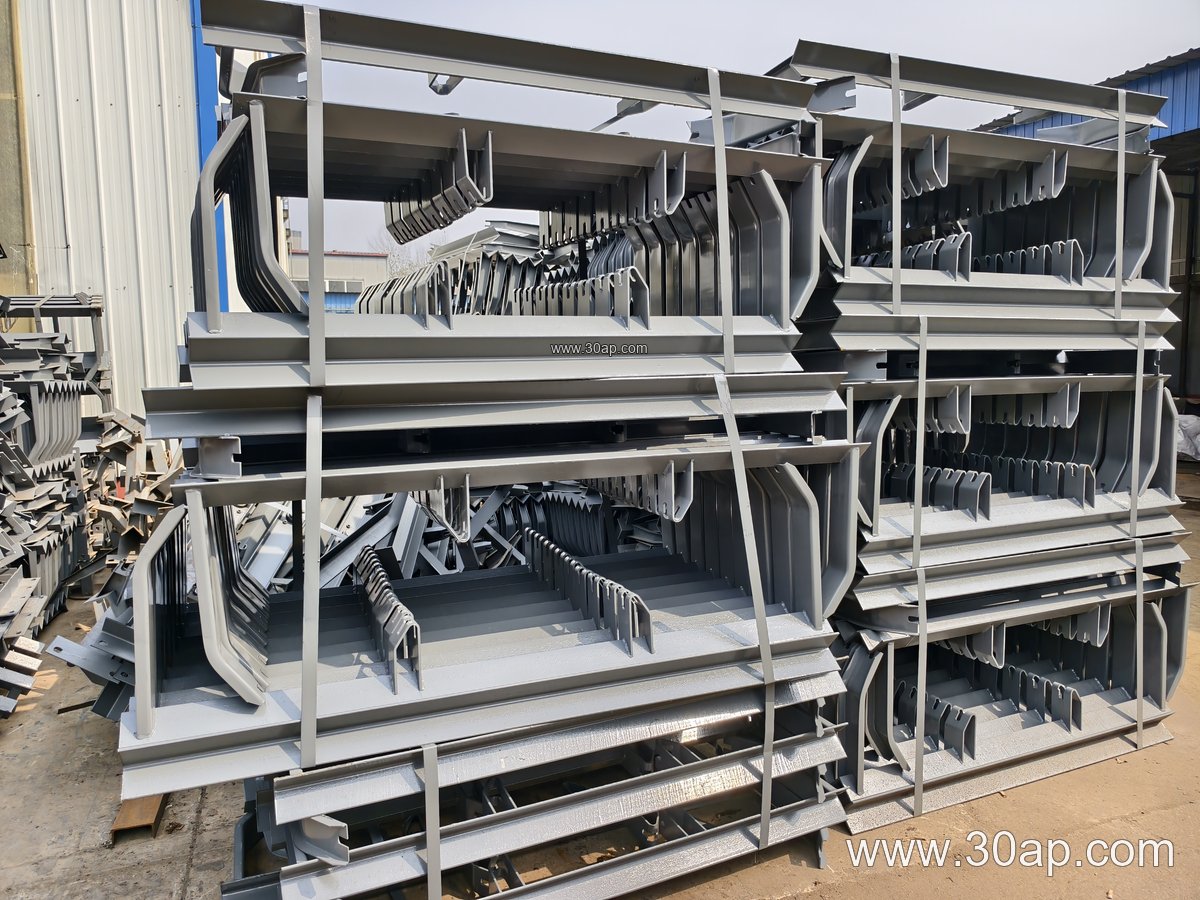
Construction and Adjustment Method
Most units are fabricated from angle steel, channel steel, or folded steel plate, then drilled or slotted for the roller shaft. Common adjustment styles include:
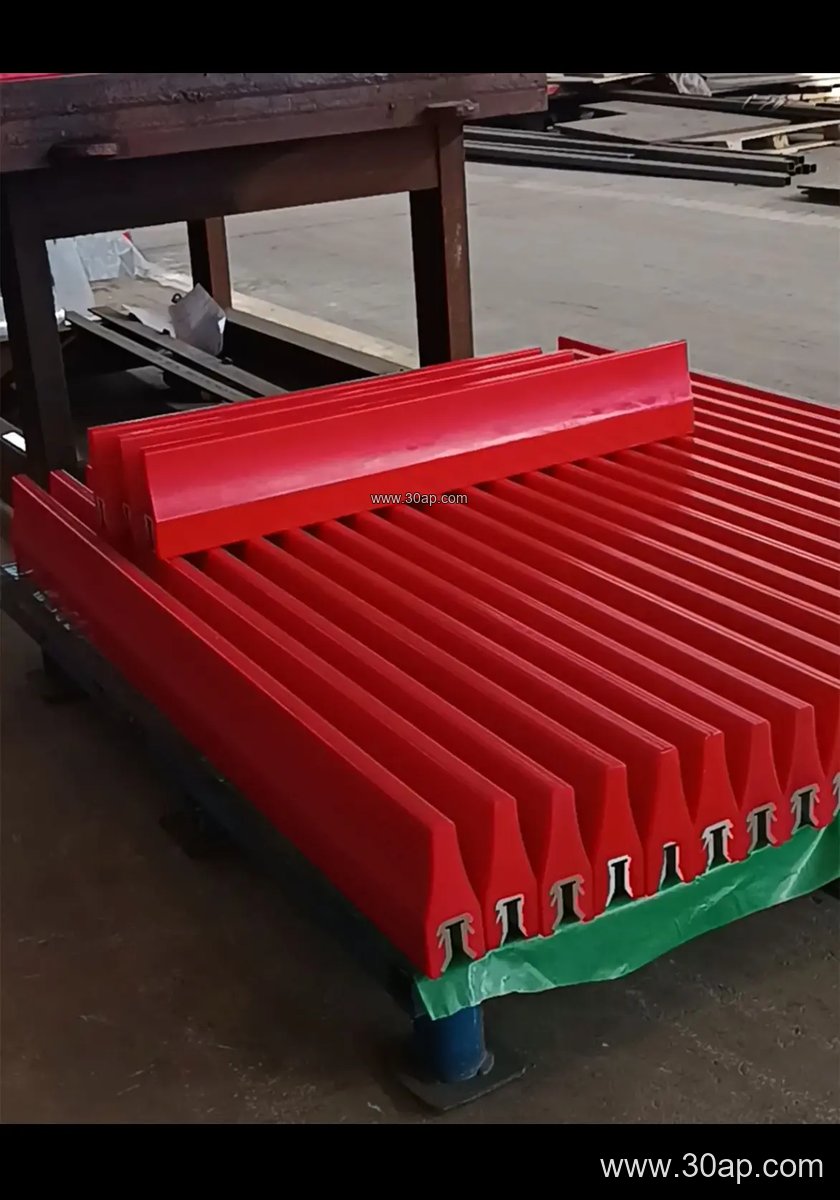
- Slotted vertical holes that let the roller sit higher or lower for belt training.
- Pivoting side arms that open or close to change the troughing angle.
- Indexed plates with several bolt positions for repeatable settings.
- Telescoping cross beams for lines where the frame width may be modified.
Hardware is usually galvanized or painted, and pivot points may run on bushings. A well-built bracket keeps the roller shaft square to the belt centerline, because a skewed idler will push the belt sideways no matter how carefully the belt is spliced.
Where Adjustable Brackets Are Used
These brackets appear wherever a conveyor must handle more than one duty. In a limestone quarry, a line may switch between fine screened product and coarse rock, so the troughing angle is opened or closed to suit the load. In a coal washing plant, adjustable brackets help center a flame retardant conveyor belt that has stretched after months of service. Cement plants use them on clinker and raw meal lines where belt loading varies by stage. Power plant coal handling, port ship loading, and aggregate crushing circuits also rely on them for quick re-alignment without cutting and re-welding the frame.
On a crushing and screening spread, an adjustable bracket under a crusher conveyor belt can be shifted to match a new discharge point. Similar flexibility suits a bulk material conveyor belt in a fertilizer plant or a grain silo gallery, where space is tight and roller access is limited.
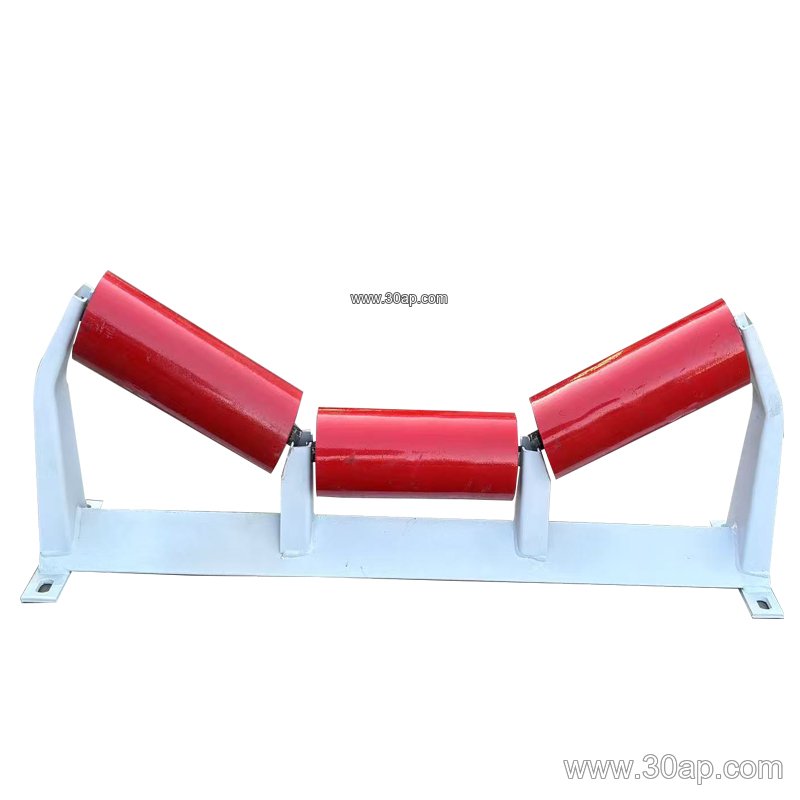
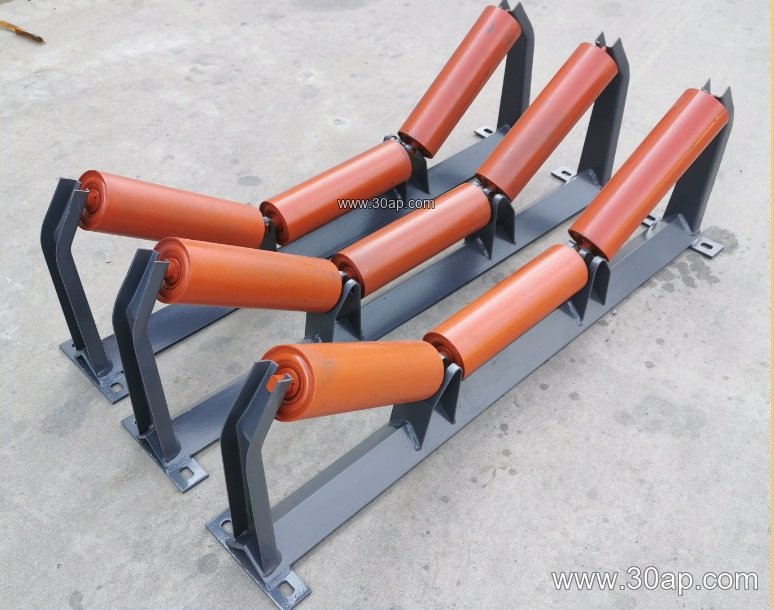
Matching Belt Width, Troughing Angle, and Roller Diameter
The bracket must suit the belt width, the intended troughing angle, and the roller shaft it carries. Reference values below are typical ranges, not fixed rules; final dimensions follow the conveyor design.
| Belt width (B) | Typical troughing angle | Common roller diameter |
|---|---|---|
| B500 | 20°–30° | Ø89 |
| B650 | 20°–35° | Ø89, Ø108 |
| B800 | 30°–35° | Ø108, Ø133 |
| B1000 | 30°–45° | Ø108, Ø133 |
| B1200 | 35°–45° | Ø133, Ø159 |
| B1400 | 35°–45° | Ø133, Ø159 |
| B1600 | 35°–45° | Ø159, Ø194 |
| B1800 | 35°–45° | Ø159, Ø194 |
| B2000–B2200 | 35°–45° | Ø194 and above |
A wider belt does not automatically require one specific angle or roller size. A B800 line can run at 30° with Ø108 idlers on a light duty, or at 35° with Ø133 on a heavier one. Cross beam length and mounting hole spacing change with belt width and angle, so they should be confirmed from the frame drawing rather than assumed.
Adjustable Versus Fixed Brackets
A fixed bracket is cheaper and stiffer, and it is the right choice on long, steady runs where the profile never changes. The adjustable type costs more and adds a few fasteners to inspect, but it pays back when a line is re-purposed, when belt training problems need correction, or when a transition zone between flat and troughed sections must be tuned. Many plants mix both: fixed brackets on the main run, adjustable brackets at the head, tail, and loading zones.
Buyer Checklist
- Confirm belt width, required troughing angle range, and roller shaft diameter before ordering.
- Check that the bracket matches the existing frame bolt pattern, or plan to drill new holes.
- Ask for material thickness and finish, since dusty, wet, or coastal sites punish thin painted steel.
- Confirm whether the design is for carrying idlers, return idlers, or a transition position.
- Keep a small stock of spares; brackets are inexpensive compared with downtime on a quarry or power plant line.
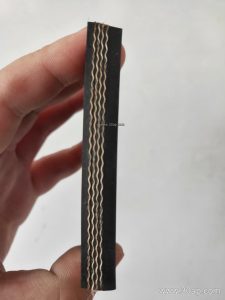
For a full conveyor package, adjustable brackets are usually specified together with the idler roller set, the conveyor pulley, and the belt itself, whether that is an EP conveyor belt, an NN conveyor belt, or a steel cord conveyor belt. Getting the bracket interface right at the design stage avoids rework later.