What a Five-Roll Idler Bracket Does
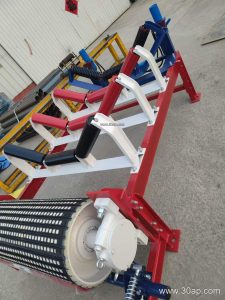
A five-roll idler bracket is a support frame that carries five idler rollers under the belt line. It is a subtype of conveyor bracket used where a standard three-roll set cannot provide enough belt support or where the belt needs a deeper trough profile. In quarry conveying, cement plant raw material lines, and power plant coal handling, this bracket helps keep the conveyor belt stable when lumps and heavy loads are present. The same product is also called a five-roller idler support or five-roll troughing bracket, and those names refer to the same item.
Construction and Roll Arrangement
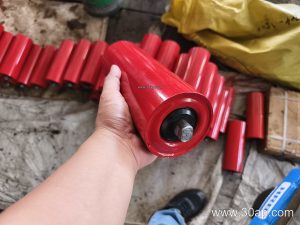
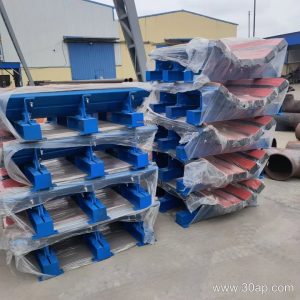
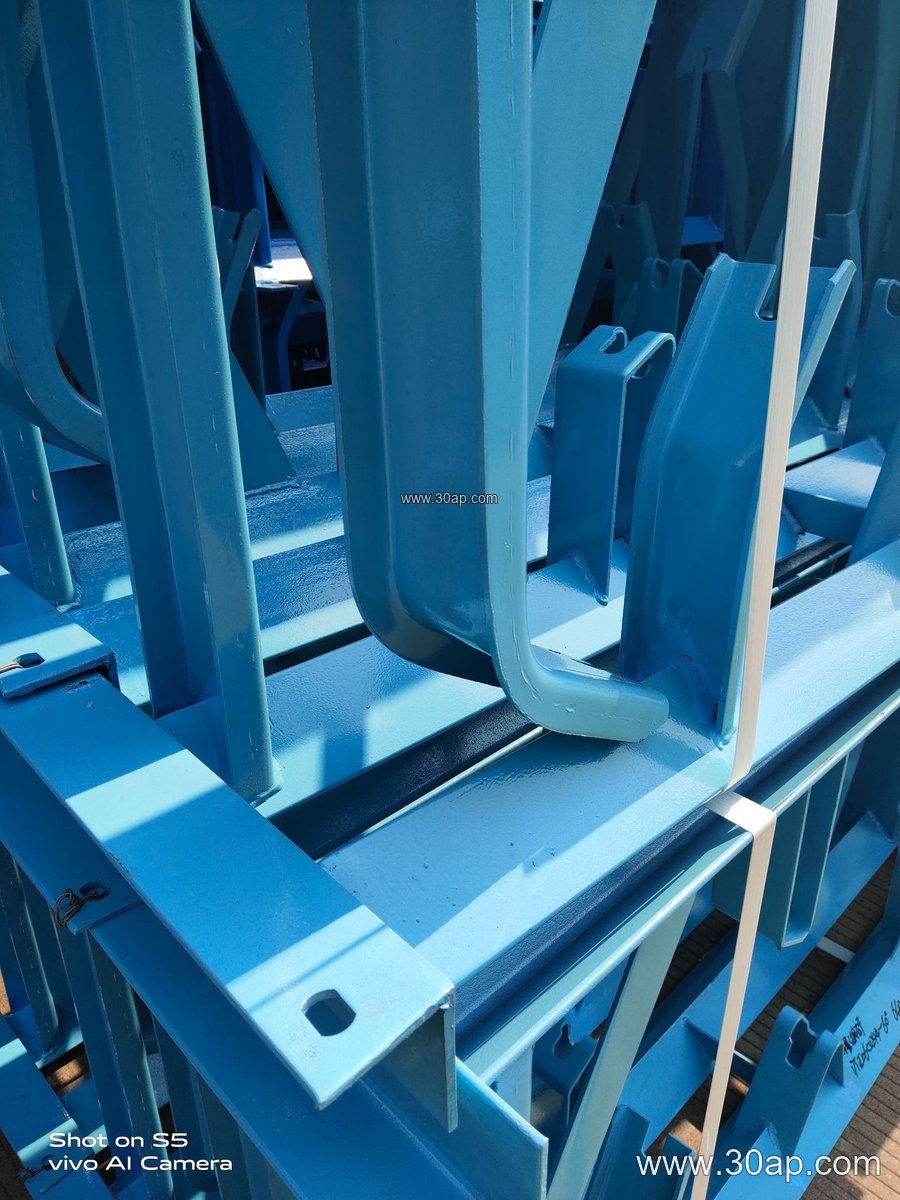
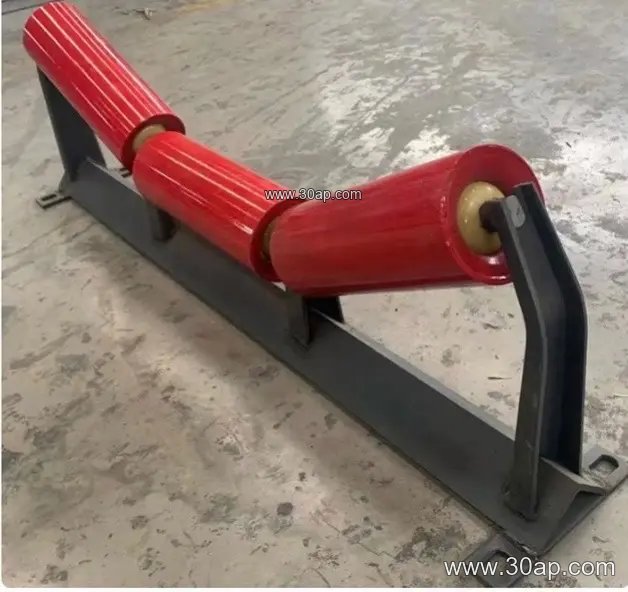
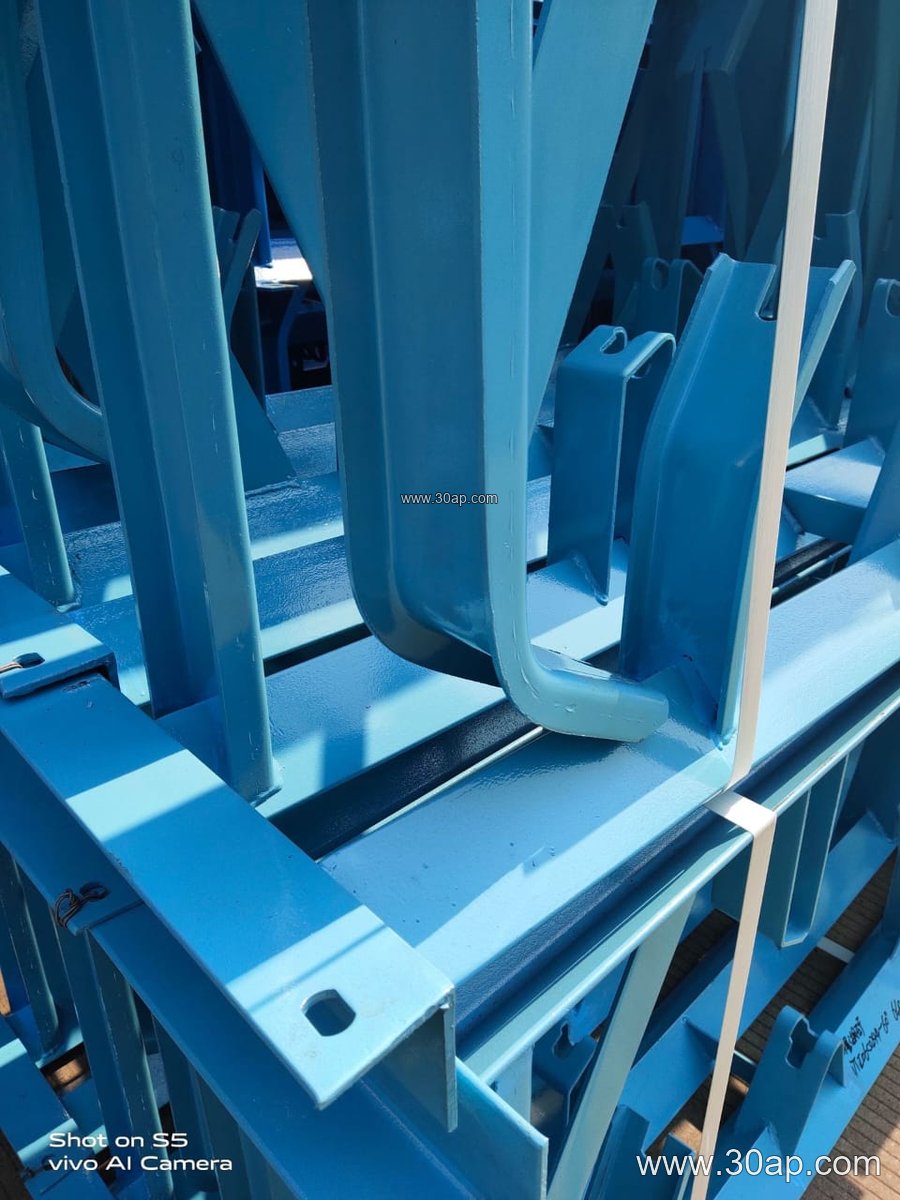
Most five-roll idler brackets are built from angle steel, channel steel, or folded steel plate. The frame holds two outer wing rolls, two intermediate rolls, and one center roll. The outer rolls set the trough angle, while the intermediate rolls bridge the gap between the wings and the center. Common trough angles for this bracket are 20, 30, 35, and 45 degrees. The bracket is usually fixed, though adjustable versions allow the trough angle to be changed on site. Installation hole spacing and crossbeam length are determined by belt width and trough angle, not by a single universal number.
Common Reference Dimensions
The table below shows typical combinations, not fixed rules. A given belt width can work with more than one roller diameter and trough angle, depending on load, belt stiffness, and conveyor design.
| Belt Width | Trough Angle | Roller Diameter |
|---|---|---|
| B800 | 35 degrees | Ø108 |
| B1000 | 35 degrees | Ø133 |
| B1200 | 45 degrees | Ø133 |
| B1400 | 35 degrees | Ø159 |
| B1600 | 45 degrees | Ø159 |
| B1800 | 35 degrees | Ø194 |
These values are reference data. Buyers should confirm the actual mounting dimensions with the conveyor design.
Where Five-Roll Brackets Fit
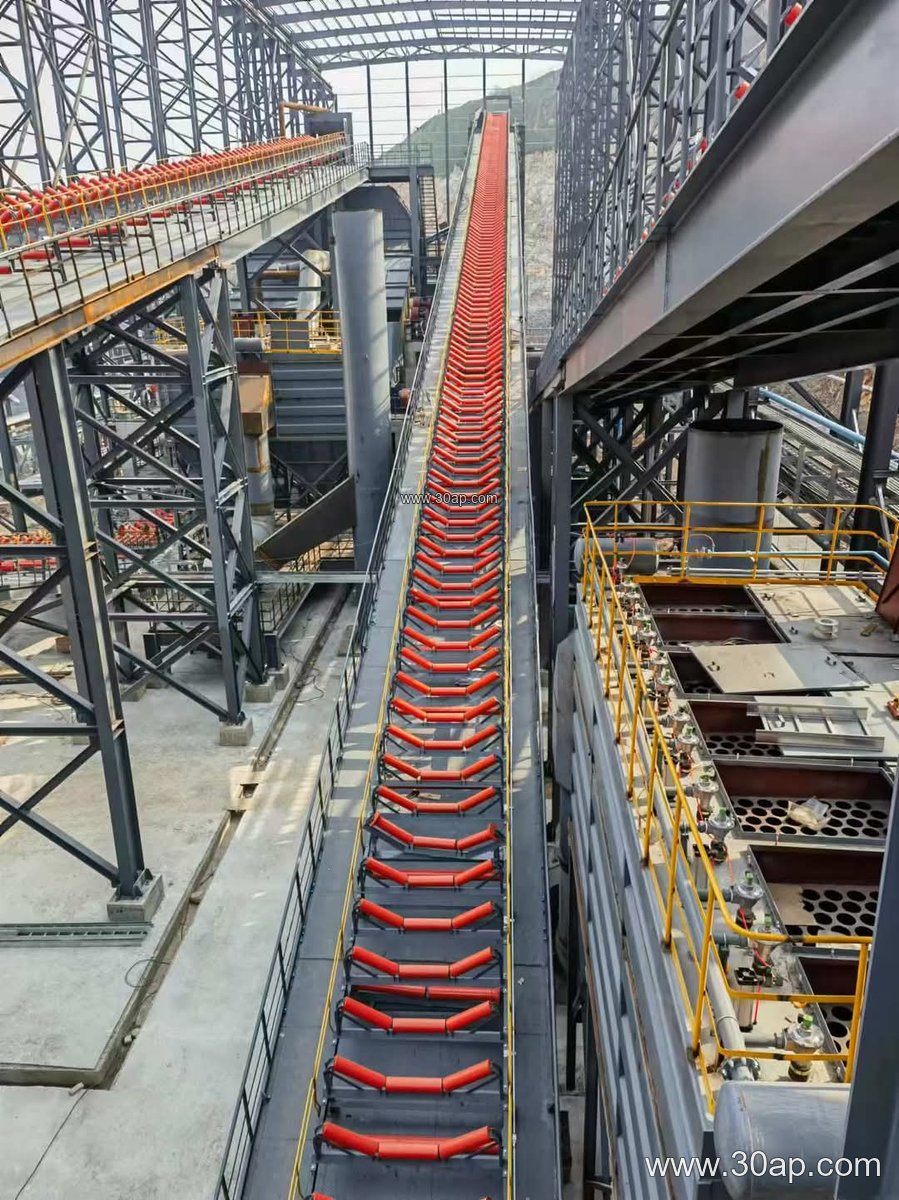
This bracket is common in bulk material handling where belt training and load support matter. In a limestone quarry, a five-roll idler bracket can be used on the main haulage conveyor to reduce belt sag between rollers. In a coal preparation plant, the same bracket may appear on transfer conveyors that carry uneven lump sizes. It also suits iron ore and copper ore lines where the belt carries dense material. The bracket works together with the conveyor belt, idler roller, and conveyor pulley, but it does not replace any of them. Drive pulleys, tail pulleys, and bend pulleys have different roles and are not interchangeable with this support frame.
Selection Notes for Buyers
Choose the bracket material and roll layout to match the conveyor duty. A heavier frame is often used on high-tonnage lines, while a lighter folded plate design may suit moderate loads. Check the belt width, trough angle, and roller diameter together. Do not assume that one belt width only matches one roller diameter. Also confirm whether the bracket is fixed or adjustable, because an adjustable five-roll idler bracket allows angle changes during alignment and maintenance. For abrasive duties, pair the bracket with an abrasion resistant conveyor belt and idler rollers that match the load. In underground mining, flame retardant conveyor belt and anti-static conveyor belt may be required by the site, but the bracket itself remains a mechanical support item.
Installation and Maintenance
Mount the five-roll idler bracket squarely to the conveyor stringer so the rolls sit at the intended trough angle. Check that all five idler rollers turn freely and that the center roll is aligned with the belt centerline. Loose bolts and worn rollers can cause belt misalignment, so inspect the bracket during regular conveyor maintenance. In dusty locations such as a crushing and screening plant or a grain silo, clean the frame so material build-up does not change the roll position. A well-aligned five-roll bracket helps extend belt life and keeps the conveyor belt running smoothly.