What a Copper Ore Conveyor Belt Has to Handle
Copper ore is heavy, sharp, and often wet. A Copper Ore Conveyor Belt therefore sits at the demanding end of bulk handling, carrying crushed rock from primary crushers to stockpiles, mills, and loadout stations. The belt must resist cutting from jagged fragments, absorb impact at transfer points, and keep tracking on long, inclined routes. In copper mines and concentrators, the same conveyor line may also feed screens, ball mills, and flotation circuits, so downtime is expensive and belt choice matters.
The product is a heavy-duty rubber conveyor belt built around a strong carcass. It is not a single fixed specification; strength class, cover grade, width, and construction are chosen for each conveyor. Buyers often describe it simply as an ore conveyor belt, and it shares much of its design language with an iron ore conveyor belt used in similar mining duty.
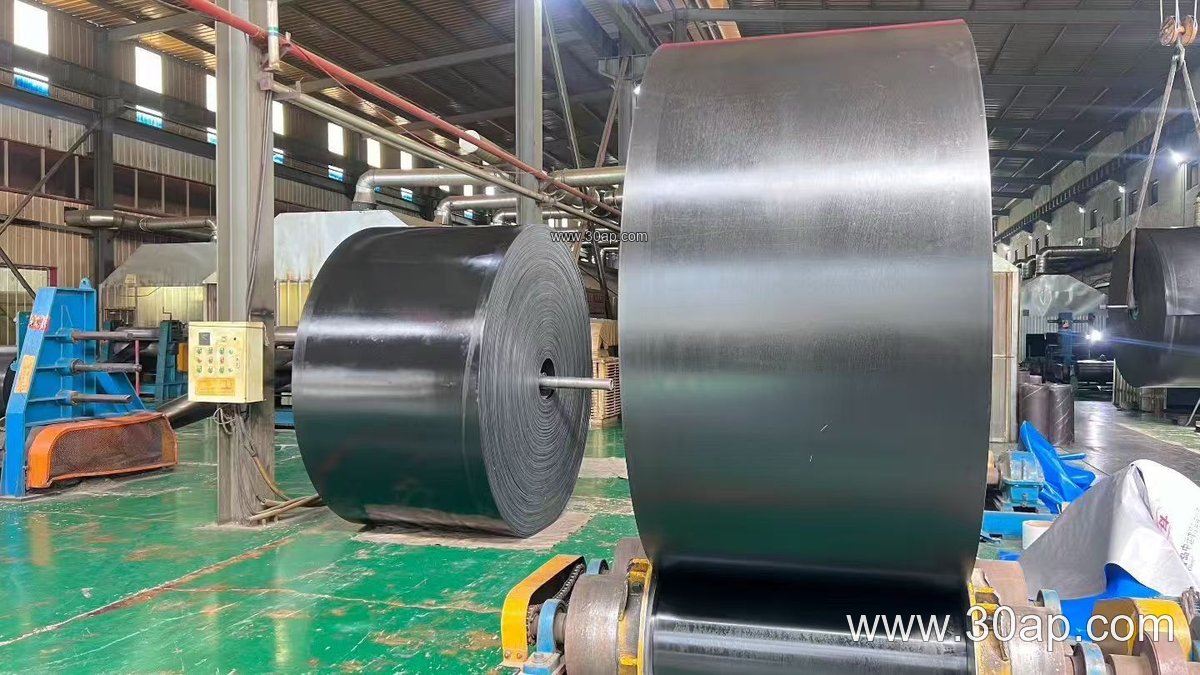
Construction and Carcass Options
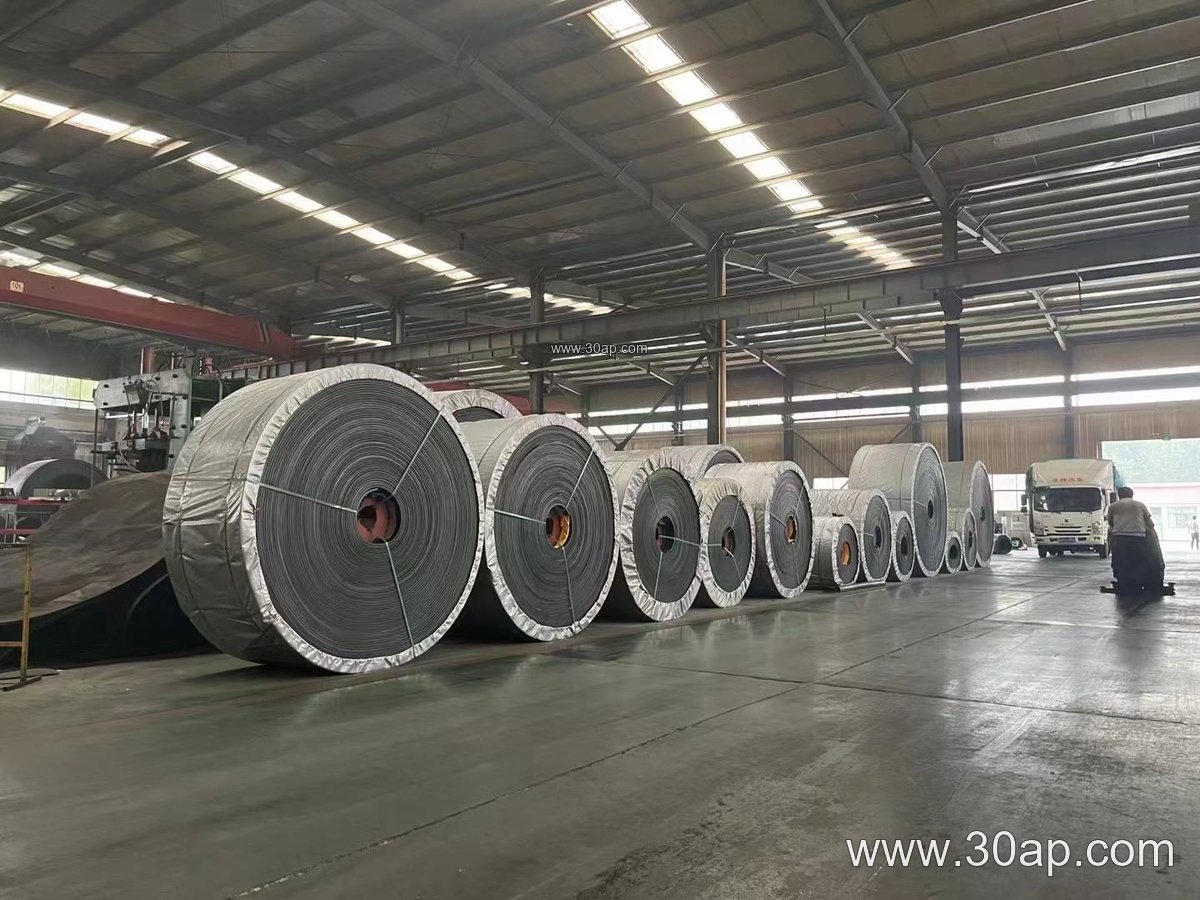
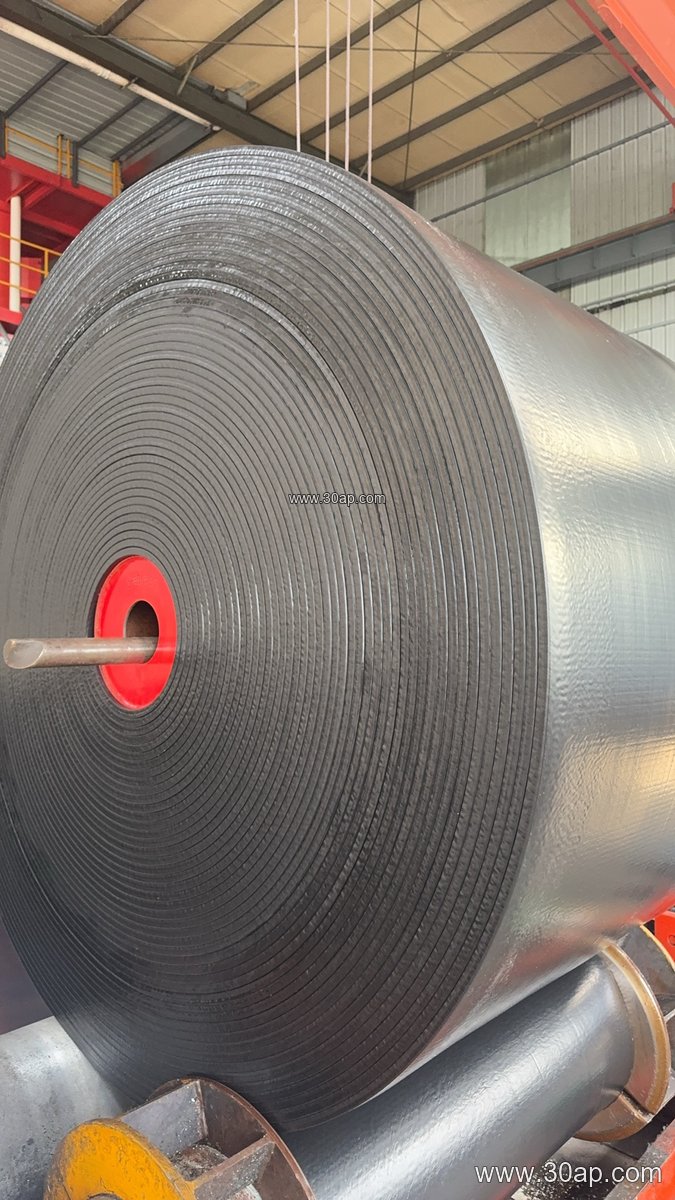
Most copper ore belts use a fabric core or steel cord carcass. Fabric constructions include EP conveyor belt (polyester warp, nylon weft) and NN conveyor belt (nylon warp and weft). Both are common in primary and secondary crushing lines where flexibility and troughing matter. A multi-ply fabric core conveyor belt with two to six plies distributes load and resists puncture. For very long lifts or high tension, a steel cord conveyor belt is preferred because it carries more load with less stretch.
Cover rubber does the wearing work. Abrasion resistant conveyor belt grades are typical for ore, while impact resistant conveyor belt covers help at crusher discharge. Where dusty coal or sulfide dust is present, anti-static conveyor belt and flame retardant conveyor belt options may be specified. Heat resistant conveyor belt grades are used only where the material or environment is genuinely hot.
| Common parameter | Typical reference range |
|---|---|
| Strength class (EP) | EP200, EP315, EP400, EP500, EP630, EP800, EP1000, EP1250 |
| Belt width | B650, B800, B1000, B1200, B1400, B1600, B1800 |
| Cover thickness | 4+2 mm, 5+2 mm, 6+2 mm, 8+3 mm |
| Ply count | 2 to 6 plies (fabric core) |
These figures are common references, not universal rules. Belt width and pulley diameter are separate design decisions, and a given width does not lock the conveyor to one pulley size.
Where the Belt Fits in the Flowsheet
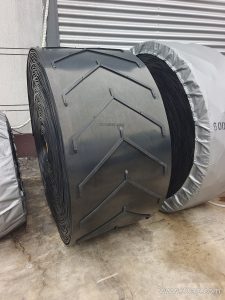
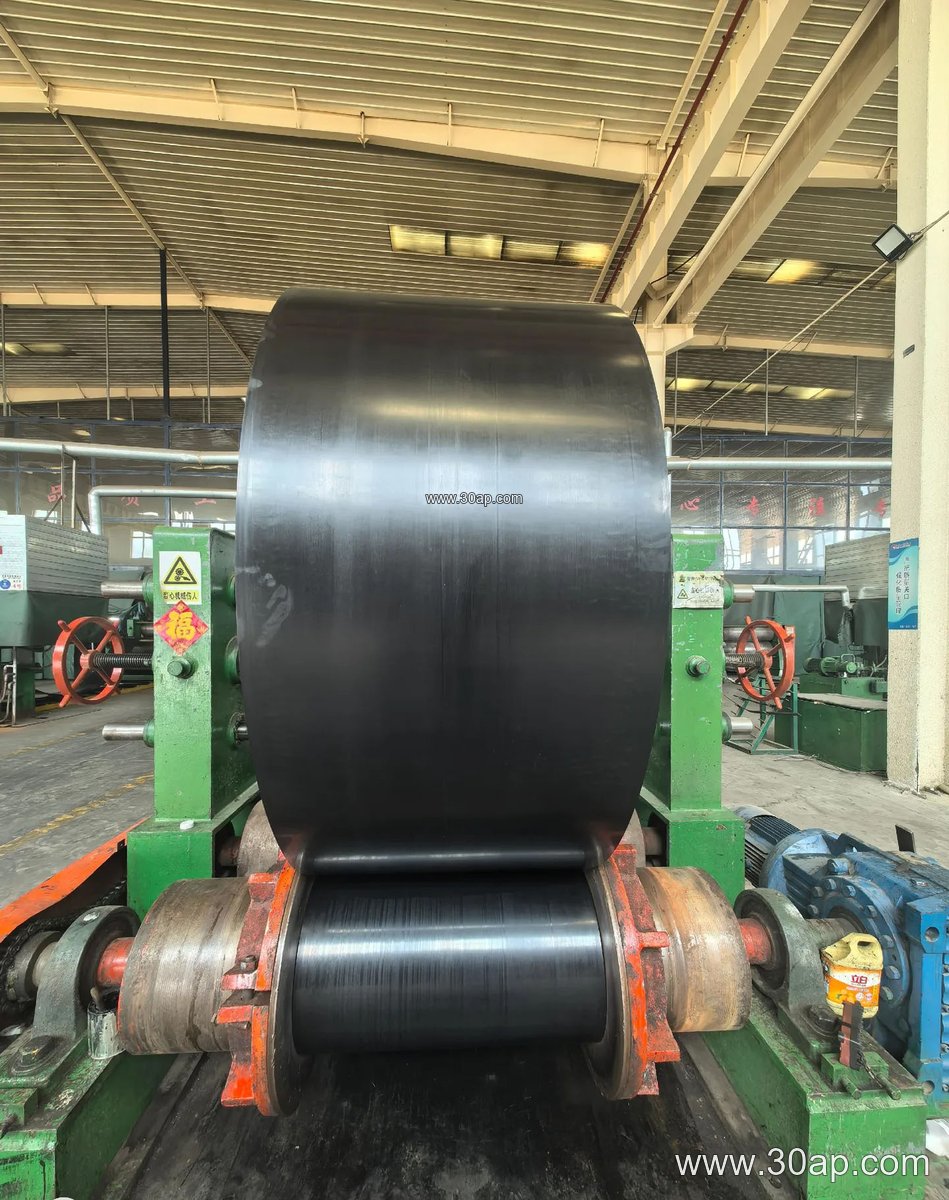
In a copper concentrator, the belt receives ore from a jaw or gyratory crusher and discharges onto a screen or mill feed conveyor. Quarry conveyor belt duty is similar, but copper operations often add wet, sticky feed and steep inclines. On inclines, a chevron conveyor belt or corrugated sidewall conveyor belt can prevent rollback and spillage. A skirted conveyor belt is useful at transfer chutes to contain dust and fines. Enclosed routes may use a pipe conveyor belt where dust control and land use are tight.
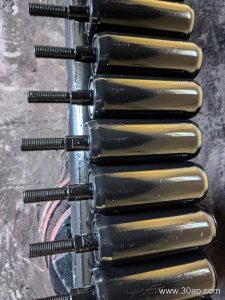
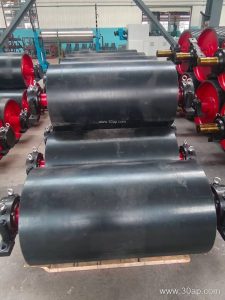
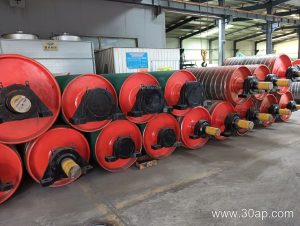
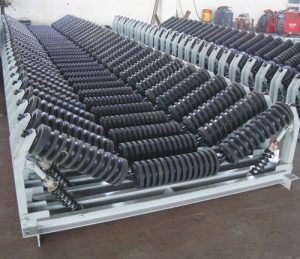
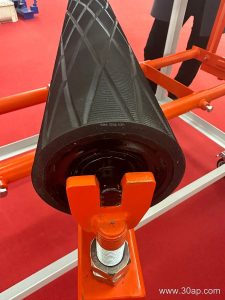
Supporting components work with the belt, not instead of it. A troughing idler roller shapes the belt into a load-carrying trough, while a conveyor pulley at the drive and tail ends transmits power and maintains tension. A conveyor bracket holds the idlers and pulleys in alignment. In a copper plant, these parts are usually specified together so that belt width, trough angle, and pulley face match.
Buyer Checklist
- Define the duty: lump size, drop height, moisture, and whether the ore is abrasive or sticky.
- Choose carcass by tension and route length. Fabric core suits many crushing lines; steel cord suits long, high-tension conveyors.
- Match cover grade to wear. High abrasion resistant conveyor belt covers are common for copper ore, with impact grades at transfer points.
- Confirm belt width and cover thickness against the conveyor design, not against a single catalogue page.
- Check accessories: idler roller spacing, conveyor pulley lagging, and conveyor bracket condition all affect belt life.
For operators in mining, cement, and aggregate plants, a Copper Ore Conveyor Belt is a wear part that rewards careful specification. The right combination of carcass, cover, and width keeps ore moving from crusher to mill with fewer stoppages and less spillage.