What Conveyor Bracket Procurement Covers
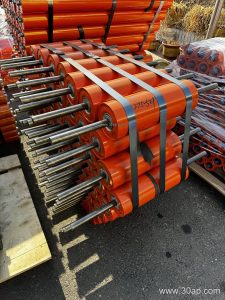
Conveyor bracket procurement is the process of sourcing the steel support frames that hold idler rollers in place along a conveyor line. These frames, often called idler support brackets or roller mounting brackets, are the quiet backbone of any bulk handling system. A buyer who gets the brackets right gets smoother belt tracking, longer roller life, and fewer stoppages. Get them wrong and the whole line suffers, from the loading point to the discharge.
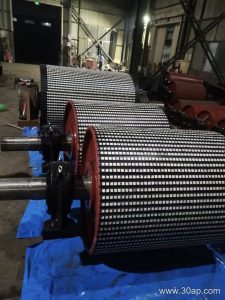
This article looks at how these brackets are built, where they are used, and what to check before placing an order. It stays focused on the bracket itself, while noting how it works together with the conveyor belt, idler roller, and conveyor pulley.
How a Conveyor Bracket Is Built
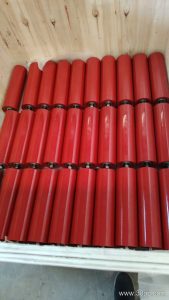
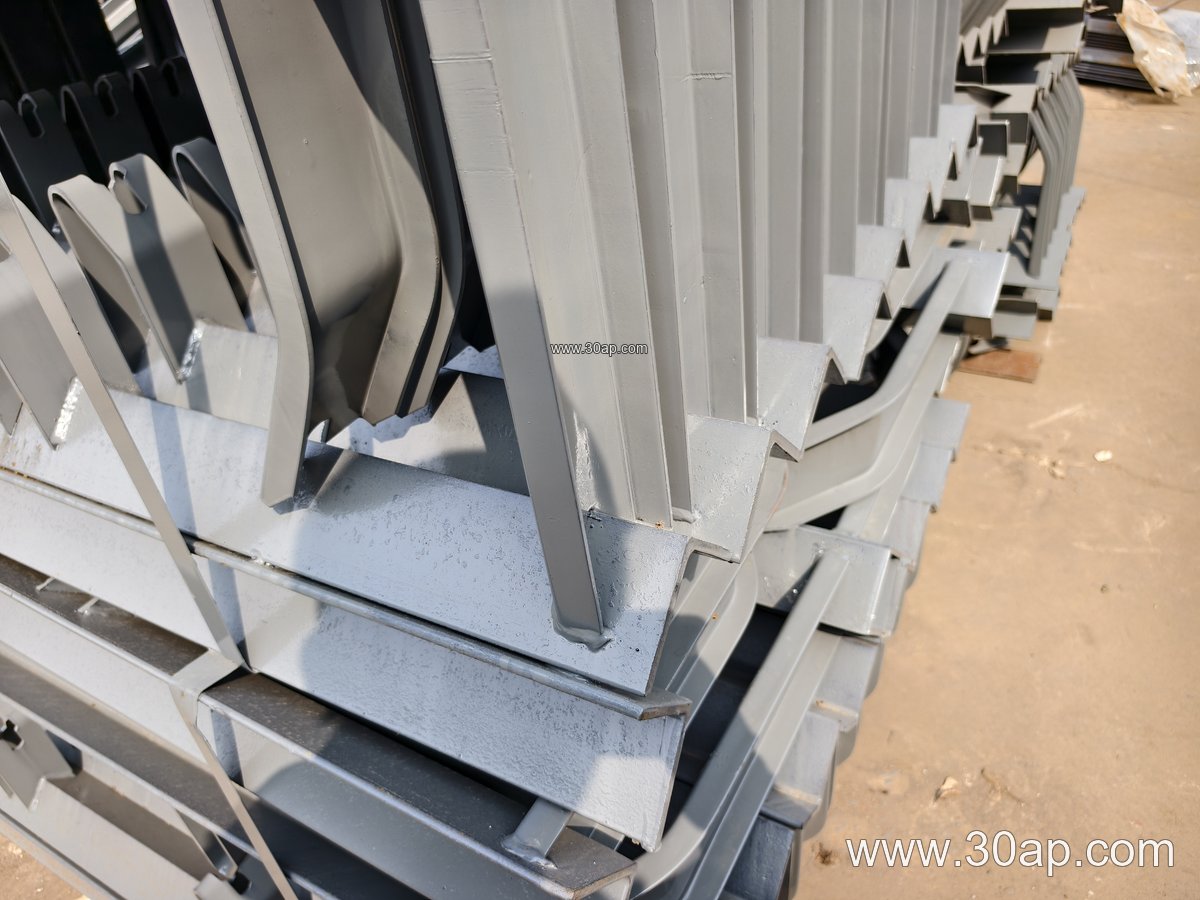
Most brackets are fabricated from angle steel, channel steel, or folded steel plate. The material choice affects stiffness and corrosion behavior more than it affects the basic shape. A typical troughing bracket carries three rollers at a fixed or adjustable trough angle, while a return bracket supports the belt on the lower run.
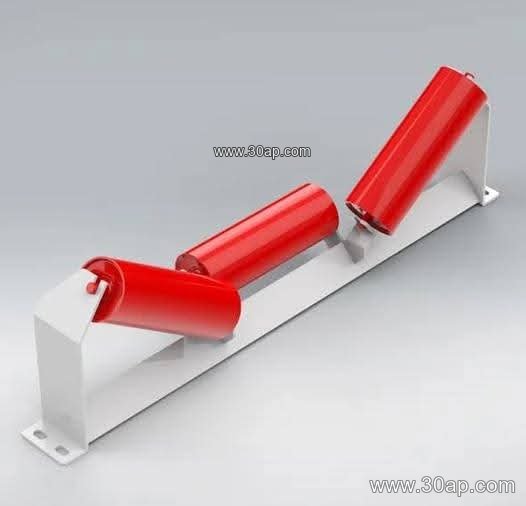
Fabrication details matter. Weld quality, hole alignment, and the flatness of the mounting surface all influence how well the idler roller sits and turns. A bracket that is slightly out of square can cause the roller to sit unevenly, which shows up later as belt mistracking or premature wear.
Common Bracket Types and Where They Sit
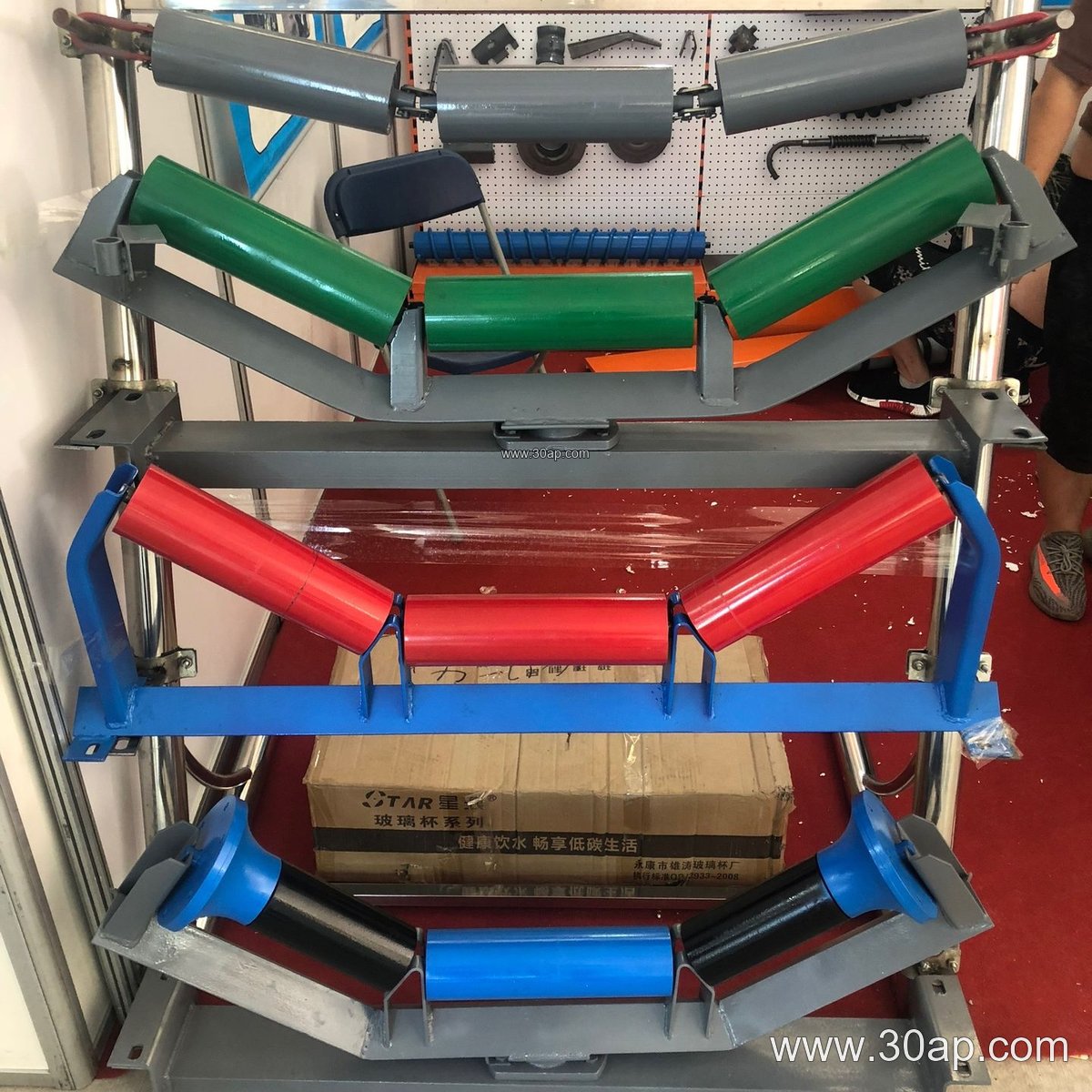
Bracket families are defined by position and function, not by belt width alone. The table below lists typical forms and their usual role.
| Bracket Type | Typical Position | Main Function |
|---|---|---|
| Troughing bracket (upper) | Carrying side | Holds three rollers to form the belt trough |
| Transition bracket | Near pulleys and loading zones | Guides the belt from flat to troughed profile |
| Return bracket (flat) | Return side | Supports the empty belt |
| V-return bracket | Return side | Centers the belt and sheds material |
| Impact bracket | Loading point | Carries impact rollers under the chute |
| Self-aligning bracket | Long runs | Corrects minor belt drift |
| Adjustable bracket | Carrying side | Allows trough angle changes on site |
These are not interchangeable. A return bracket cannot replace a troughing bracket, and an impact bracket is not a substitute for a transition bracket. Each has a specific job along the line.
Matching Brackets to Belt Width and Roller Diameter
Bracket selection starts with the belt width and the roller diameter, but the two are not locked into a single pairing. Common belt widths include B500, B650, B800, B1000, B1200, B1400, B1600, B1800, B2000, B2200. Roller diameters commonly run from Ø89 to Ø194. A B800 line might use Ø108 rollers at a 35 degree trough angle, while a B1200 line could use Ø133 rollers at 45 degrees. These are examples, not fixed rules.
Trough angles of 20, 30, 35, and 45 degrees are common. Adjustable brackets let maintenance teams change the angle within that range. Forward-leaning brackets, often around 1.5 to 2 degrees, are used where belt training needs a gentle push. Mounting hole spacing and crossbeam length vary with belt width and trough angle, so they should be confirmed against the conveyor design rather than assumed.
Where These Brackets Are Used
In a limestone quarry, troughing and impact brackets carry the belt through the crushing and screening circuit. In a coal-fired power plant, flame retardant and anti-static belt runs depend on well-aligned brackets to keep the belt centered through transfer towers. A cement plant uses similar frames on clinker and raw meal lines, where dust and heat put extra demand on the roller and bracket assembly.
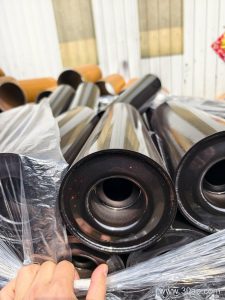
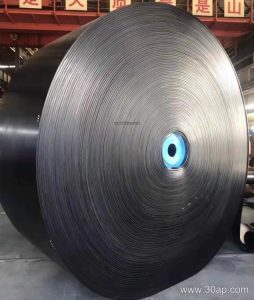
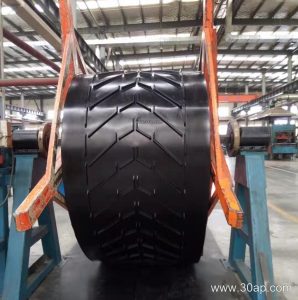
The same bracket logic applies whether the belt is an EP conveyor belt, an NN conveyor belt, or a steel cord conveyor belt. Heavier belts and higher tensions usually call for stiffer frames and larger roller diameters, but the bracket family stays the same.
Procurement Checklist
- Confirm belt width, trough angle, and roller diameter for each bracket position.
- State the material and finish, such as painted, galvanized, or bare steel.
- Provide mounting hole spacing and crossbeam length from the conveyor drawing.
- Separate fixed and adjustable brackets in the inquiry so quotes stay comparable.
- Ask for dimensional drawings before production, not after delivery.
- Check that impact and transition brackets are listed separately from standard troughing frames.
Good conveyor bracket procurement is mostly about clarity. When the drawings, angles, and roller sizes are stated plainly, the brackets arrive ready to bolt on, and the belt runs true from the first start.