What an Endless Conveyor Belt Is
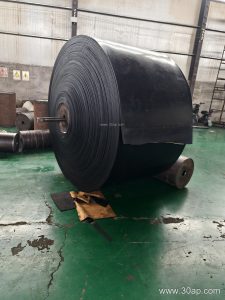
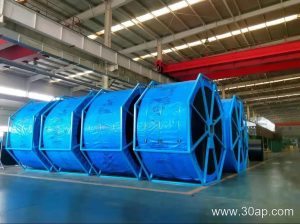
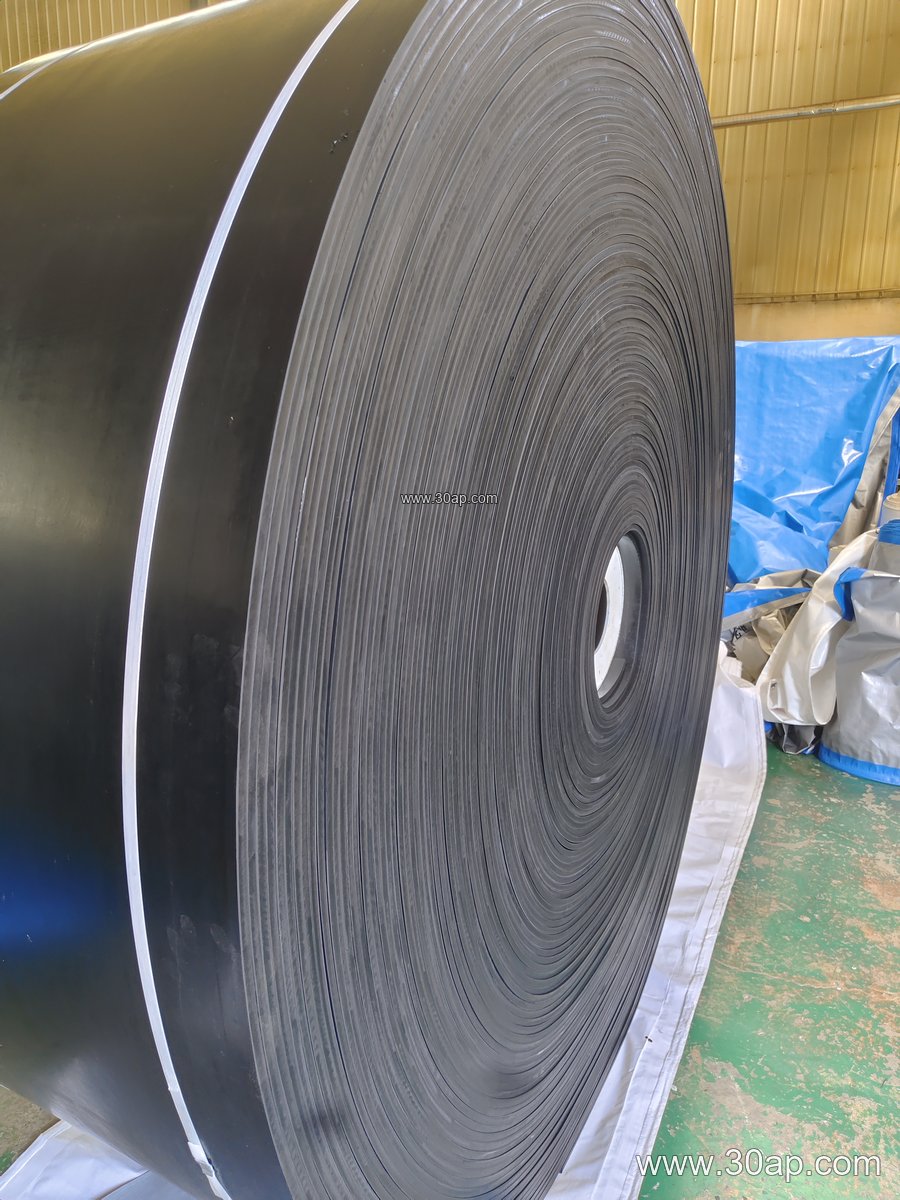
An endless conveyor belt is a belt that has been joined into a continuous loop before it leaves the workshop or before it is installed on the conveyor frame. Instead of relying on a mechanical fastener at the ends, the belt forms one closed ring, so the carrying surface runs without a joint gap passing over the pulleys on every revolution. In practice, this belt is often called an endless loop belt or a jointless belt, and the same product can be supplied as a fabric core endless belt or a steel cord endless belt depending on the carcass.
The loop format matters most on long runs, on high-speed lines, and wherever a splice would be a weak point. A mining conveyor belt moving ore from a crusher, a cement plant belt feeding a kiln, and a power plant coal conveyor all benefit from a smooth, continuous carrying side.
How the Loop Is Built
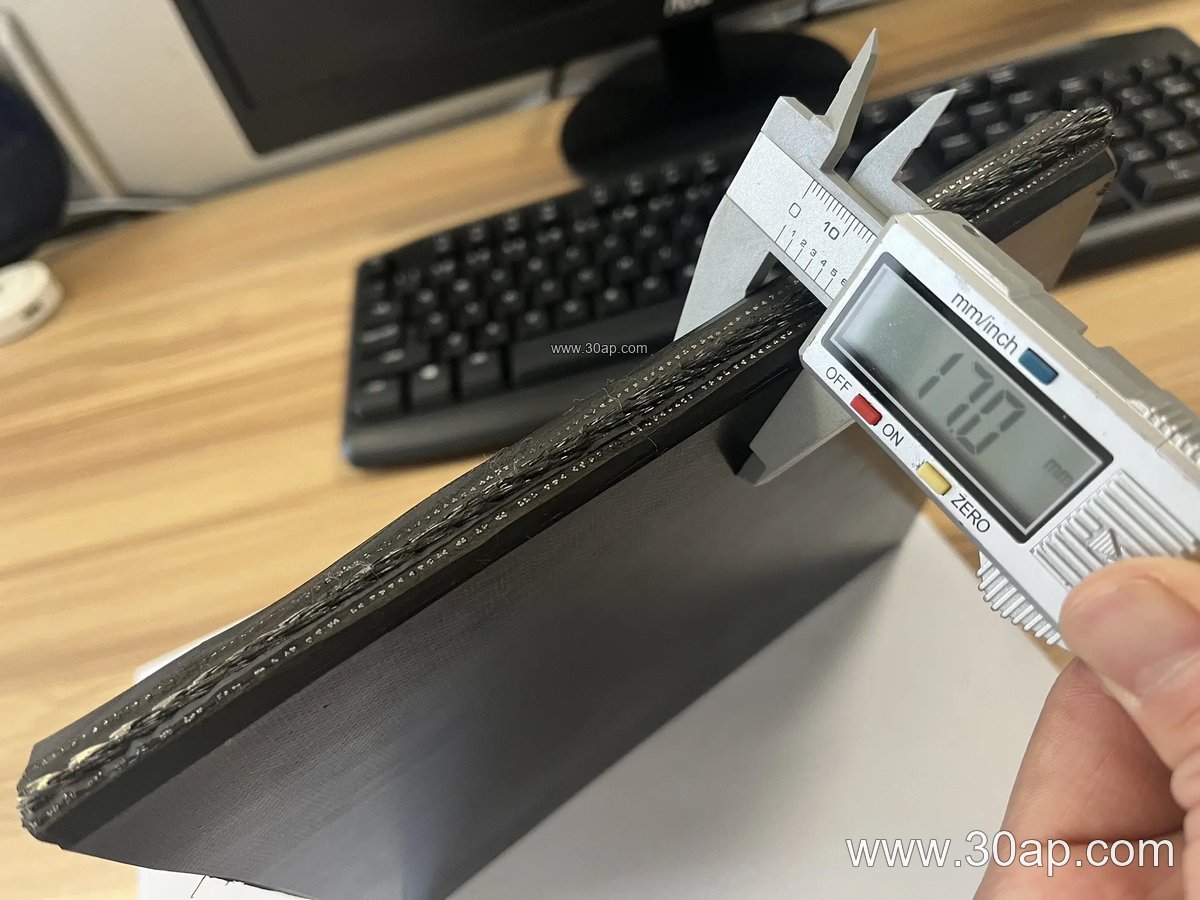
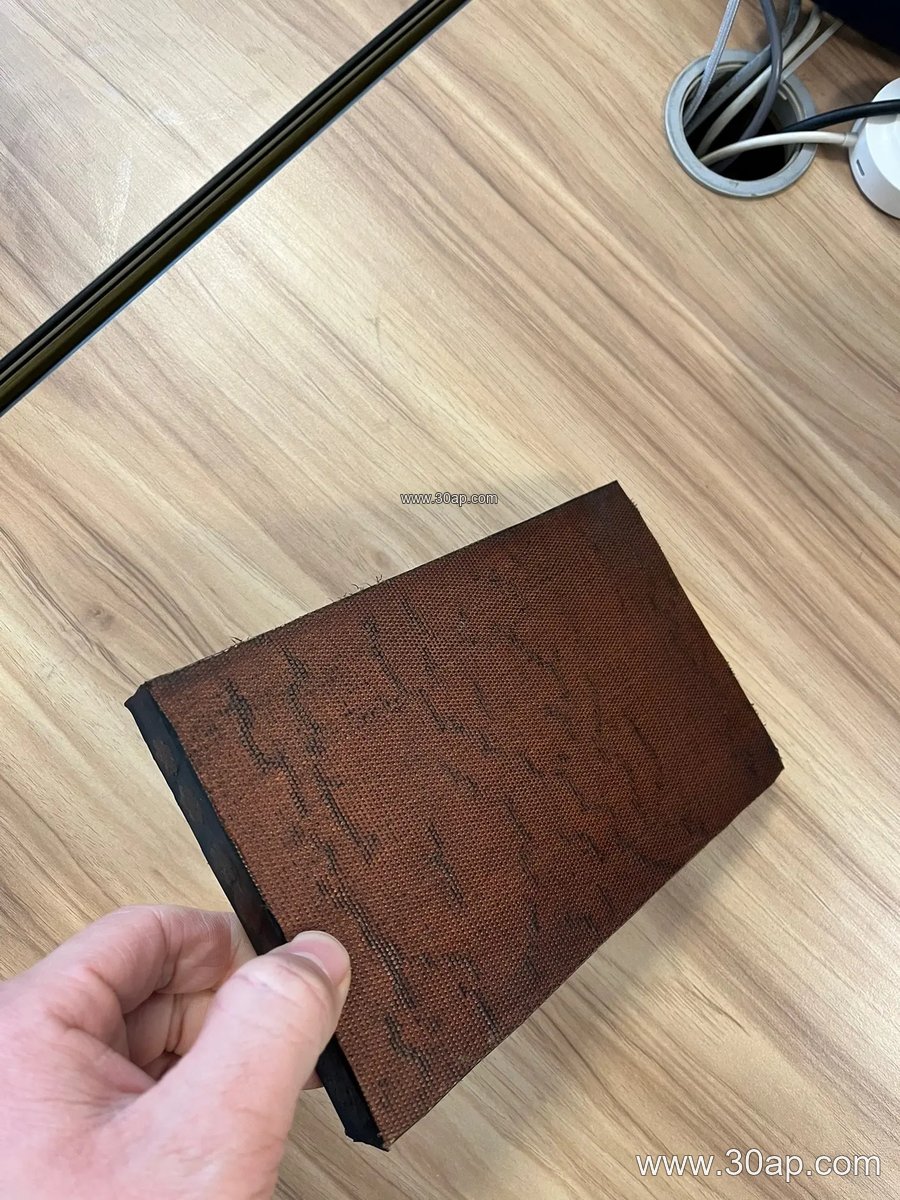
The carcass carries the tension, and the cover rubber protects it. Fabric core designs use multiple plies of EP or NN fabric, while steel cord designs use brass-plated wires running longitudinally. For an endless belt, the carcass layers are joined during manufacture and the cover is then vulcanized across the joint area, so the finished loop has a consistent thickness and surface.
Common constructions include:
- EP conveyor belt carcass, often 2 to 6 plies, with strength grades such as EP200, EP630, EP1000 and EP1250
- NN conveyor belt carcass for general bulk material duty
- Steel cord conveyor belt for very high tension and long center distances, for example ST1250 or ST2000
- PVC or PVG belts for underground coal mining applications where flame resistance is required
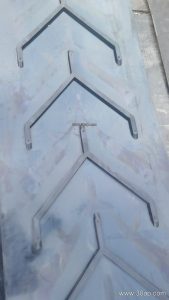
Cover rubber is usually specified as a top and bottom thickness, for example 4+2 mm or 6+2 mm, and the grade is chosen for the duty: abrasion resistant, heat resistant, oil resistant, flame retardant, anti-static or cold resistant. A chevron or corrugated sidewall profile can also be molded onto an endless loop when the conveyor needs to hold material on an incline.
Where It Fits in the Plant
The endless format suits fixed conveying routes that will not be shortened or extended often. Typical installations include:
- Mining and quarry duty, from primary crushing to stockpile feed
- Coal handling in power stations and underground coal mining sections
- Cement plants, where clinker and raw meal move between silos and mills
- Steel plants and ports handling iron ore, copper ore or other bulk cargo
- Sand and aggregate plants feeding screens and crushers
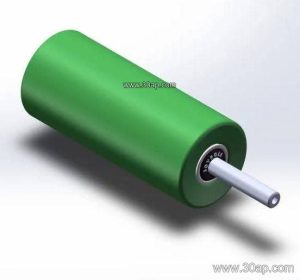
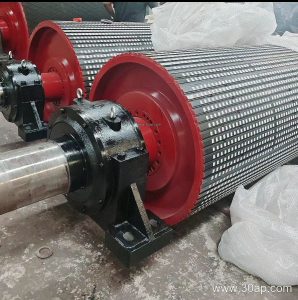
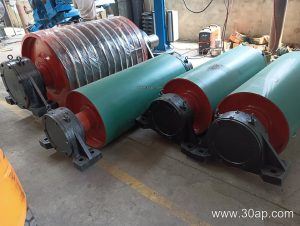
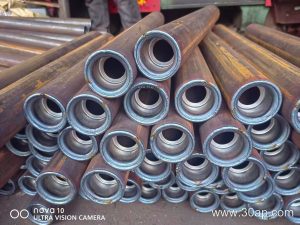
On these routes the belt runs over a head or drive pulley, a tail pulley and bend pulleys, supported by idler rollers and mounted on conveyor brackets and frames. The drive, tail and bend pulleys each do a different job, and they are selected from the belt tension, wrap angle and shaft load rather than from belt width alone.
Specification Points Buyers Should Check
An endless belt is made to the conveyor, so the order should state the loop length, width and carcass grade together. The table below shows typical reference values; actual supply is confirmed by the manufacturer for each project.
| Parameter | Typical reference values |
|---|---|
| Belt width | B500, B650, B800, B1000, B1200, B1400, B1600, B1800, B2000 |
| EP strength grade | EP200, EP315, EP400, EP500, EP630, EP800, EP1000, EP1250, EP1600, EP2000 |
| Steel cord grade | ST1000, ST1250, ST1600, ST2000, ST2500, ST3150 |
| Cover thickness | 3+1.5 mm, 4+2 mm, 5+2 mm, 6+2 mm, 8+3 mm |
| Ply count (fabric) | Usually 2 to 6 plies |
Other details to confirm are the cover grade, the position of the joint in the loop, and whether the belt will be installed by the supplier or pulled into the frame on site. A very wide or thick loop needs suitable lifting gear and a straight path into the conveyor.
Installation and Care
Because an endless belt cannot be shortened in the field, the loop length must be measured against the actual pulley centers, take-up travel and any transition distance. During installation, check pulley alignment and confirm that idler rollers turn freely; a dragging roller can wear the cover quickly even on a good belt. Keep the belt tracking straight and avoid material buildup on the return side.
For harsh duty, an abrasion resistant or heavy-duty cover extends service life, while a flame retardant grade is usual in coal mining and underground work. Buyers comparing an endless loop with a field-spliced belt should weigh the smoother running surface against the extra planning needed for replacement. If the conveyor route is likely to change, a spliced belt may be easier to adapt; where the route is fixed and the duty is continuous, the endless loop is often the practical choice. More belt, pulley and roller details are available at www.beltconveyorsolution.com for plant engineers planning a new line.