What the ST2500 Conveyor Belt Is
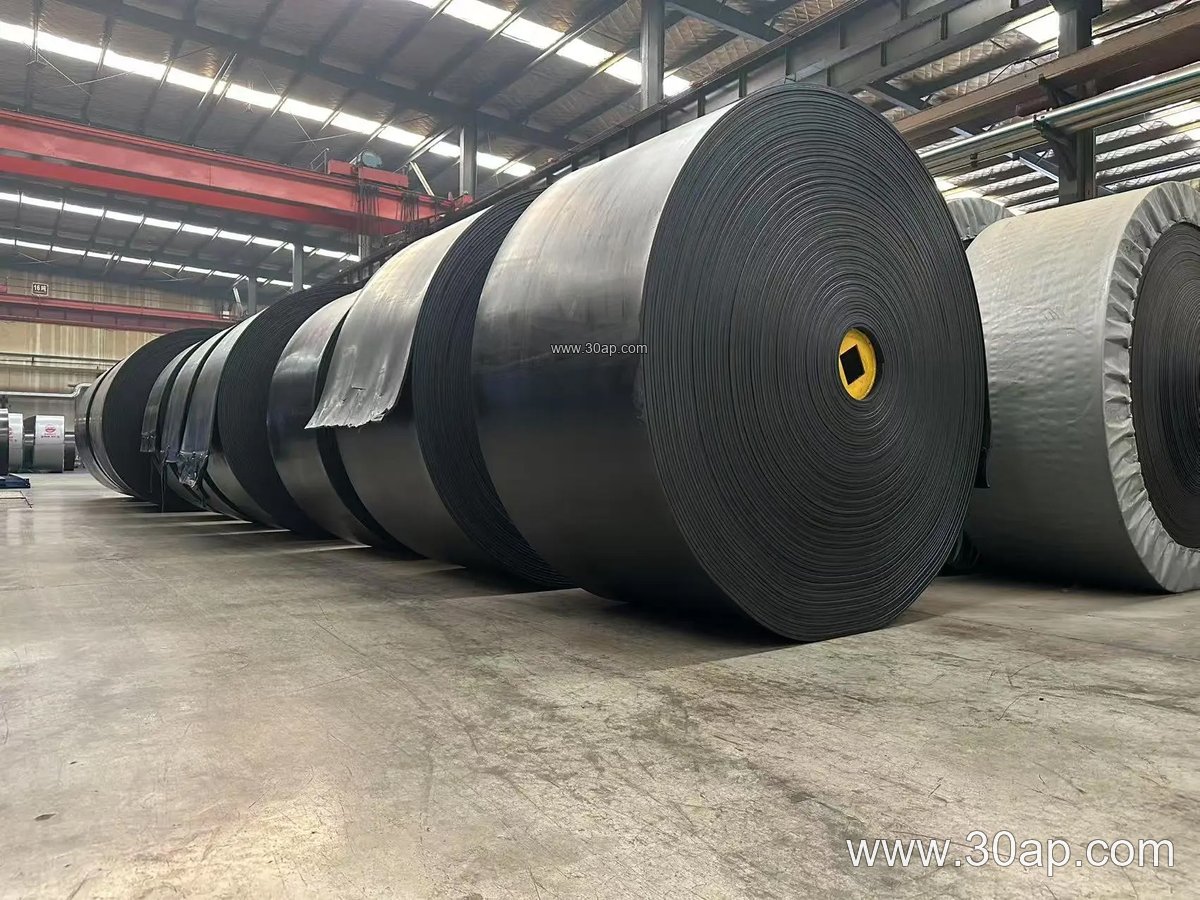
The ST2500 Conveyor Belt is a steel cord conveyor belt with a nominal tensile strength of 2500 N/mm, positioned in the upper range of high-strength belting. In this designation, ST stands for steel cord construction and 2500 indicates the breaking strength class. The belt is built for long center distances, high tonnage and demanding bulk material transport where fabric-core belts would need an impractical number of plies. It is often specified as a high strength conveyor belt for main trunk lines in mining, cement, power generation and port handling.
This is not a fabric-reinforced product. It belongs to the steel cord family, which also includes ST1000, ST1250, ST1600, ST2000 and ST3150 classes. Those classes are not interchangeable; the ST2500 Conveyor Belt sits above ST2000 and below ST3150, so selection should follow the actual duty rather than habit.
Construction and Build
The core is a single layer of parallel steel cords, spaced evenly and embedded in rubber. The cords carry the tension, while the rubber provides grip, protection and flexibility. A typical build includes:
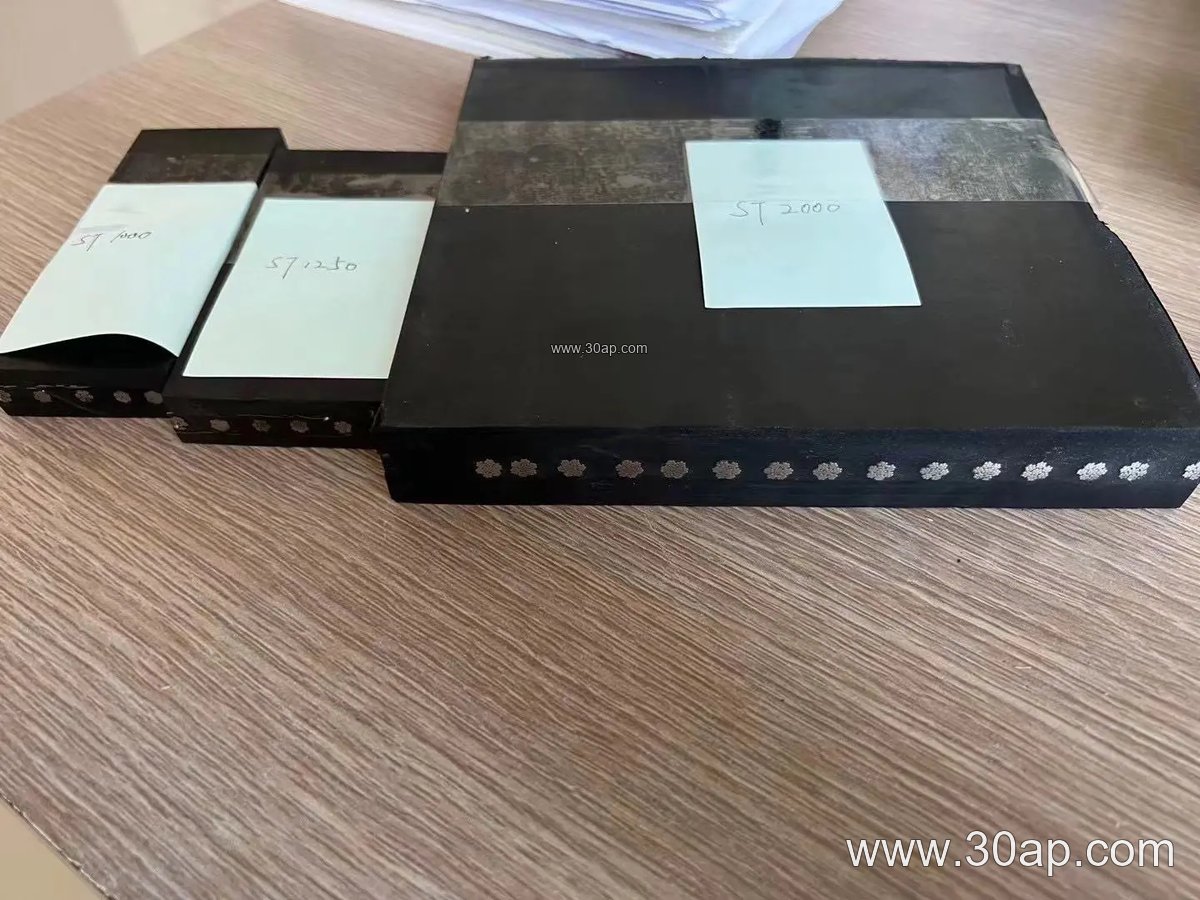
- Top cover rubber for abrasion, impact or heat exposure depending on the duty
- Steel cord tension layer, usually galvanized for corrosion resistance
- Bottom cover rubber, often thinner than the top cover
- Adhesion compounds that bond cord to rubber
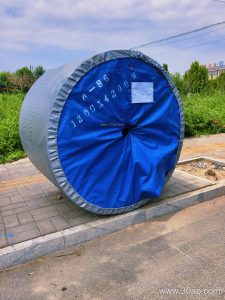
Cover thickness is commonly given as top plus bottom, for example 6+2 mm, 8+3 mm or thicker for severe impact. These figures are reference examples, not a fixed supply promise. The ST2500 Conveyor Belt is usually produced in wide sections and spliced on site, although an endless conveyor belt can be supplied for shorter, critical runs.
Where It Fits in the Plant
Steel cord belting is common in main haulage and transfer duty. In a quarry conveyor belt or aggregate conveyor belt circuit, ST2500 may serve the primary crusher discharge or the long overland section. In a coal mining conveyor belt or underground coal mining conveyor belt, flame retardant and anti-static grades are often requested alongside the strength class. Cement plants use it on clinker and raw meal lines, while power plants apply it to coal and ash handling. Port conveyor belts and ship loading conveyors also use high-strength steel cord belts where long spans and high capacity meet.
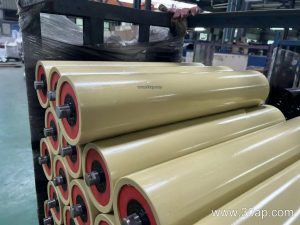
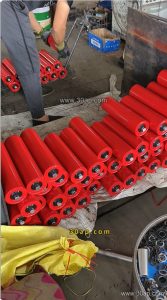
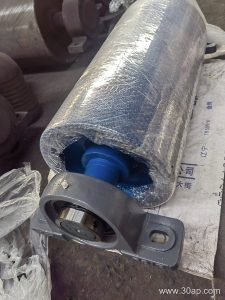
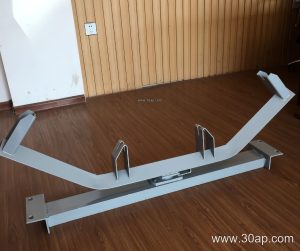
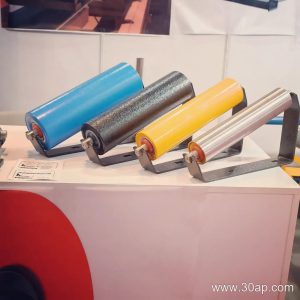
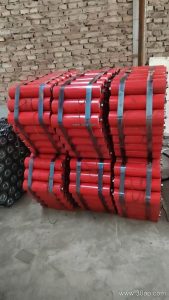
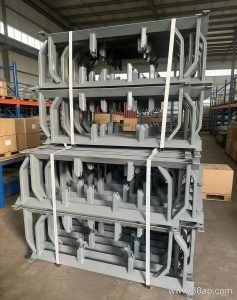
The belt works with idler roller sets, conveyor pulleys and conveyor brackets. Drive, tail and bend pulleys have separate duties and are not interchangeable names; each affects the belt path and tension profile. The ST2500 Conveyor Belt should be matched to the pulley diameters and trough angles defined by the conveyor designer.
Common Specifications and Related Options
Buyers often compare the ST2500 Conveyor Belt with other strength classes and with fabric options. The table below gives indicative reference data only; final values are set by the belt manufacturer and the conveyor design.
| Item | Typical reference |
|---|---|
| Strength class | ST2500 (2500 N/mm) |
| Belt width | B800, B1000, B1200, B1400, B1600, B1800, B2000 and wider by design |
| Cover thickness | 6+2 mm, 8+3 mm, or as specified |
| Related steel cord classes | ST1600, ST2000, ST3150 |
| Fabric alternatives | EP Conveyor Belt, NN Conveyor Belt, Multi-Ply Fabric Core Conveyor Belt |
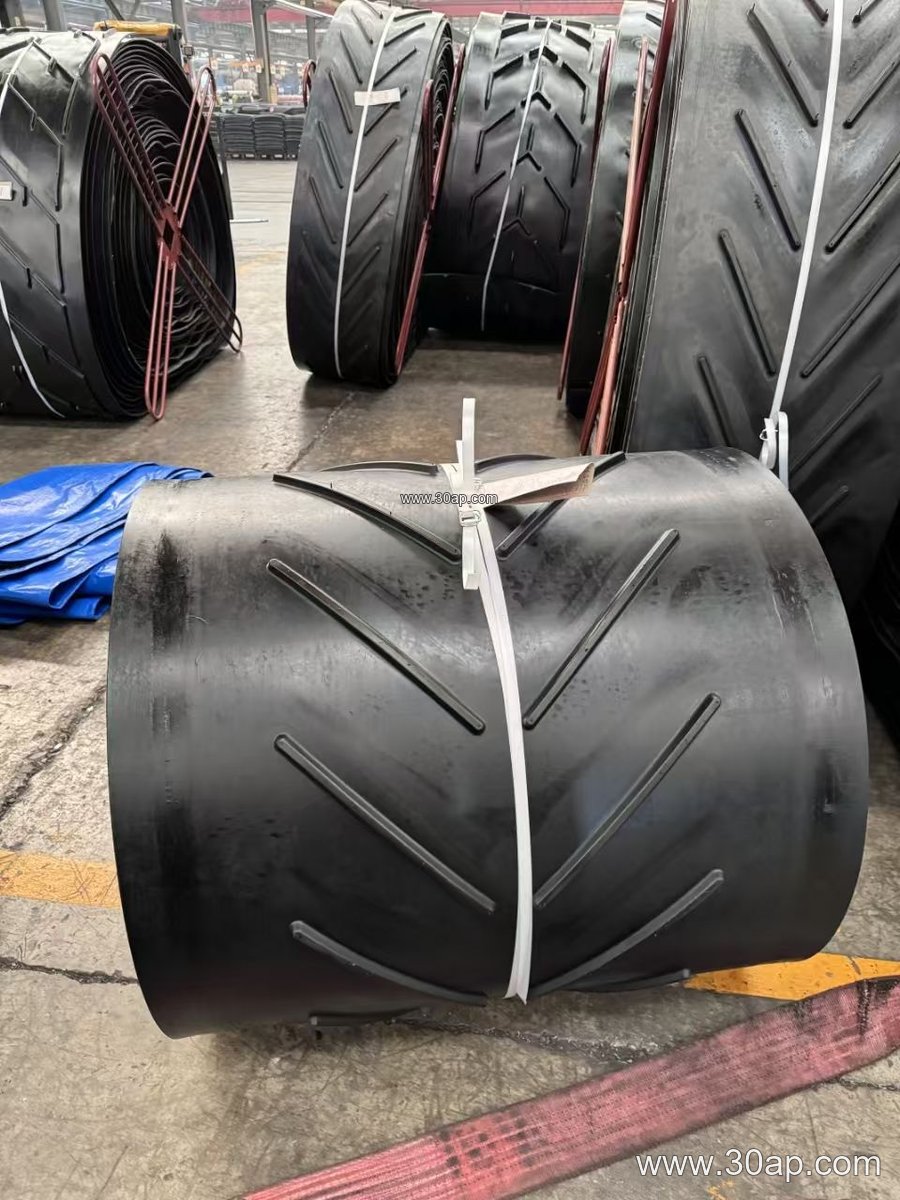
For lower tension lines, an EP Conveyor Belt or NN Conveyor Belt may be adequate. For special routes, a corrugated sidewall conveyor belt or pipe conveyor belt solves edge spillage or curve problems, but those are different belt types and not replacements for the ST2500 Conveyor Belt. Chevron and skirted designs are also separate constructions.
Selection and Use Notes
Specifying the ST2500 Conveyor Belt starts with the actual belt tension, not the tonnage alone. The designer checks the steady and starting tensions, the safety factor, the pulley diameters, the transition distance and the take-up travel. Cover compound should match the cargo: an abrasion resistant conveyor belt for sharp rock, a heat resistant conveyor belt for clinker, an oil resistant conveyor belt for oily scrap, and a flame retardant conveyor belt for underground coal service. Cold resistant and anti-static grades are available where climate or dust conditions require them.
Installation quality matters as much as the belt class. Splice alignment, cord spacing and cure control affect life. During operation, watch for edge damage, cover wear and cord exposure. Keep the idler roller and conveyor pulley surfaces clean and aligned, and check conveyor brackets for looseness after start-up. A well-matched ST2500 belt with proper maintenance usually gives long service on high-capacity trunk conveyors.