What Is a Power Plant Conveyor Belt?
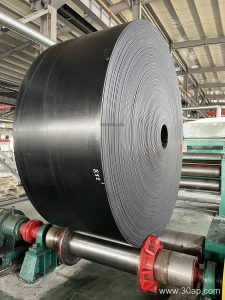
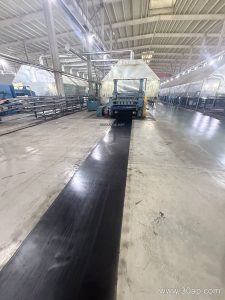
A power plant conveyor belt is the continuous loop that moves coal, biomass, limestone, ash, or other bulk fuels and residues through a generating station. It is not a single generic item: the belt must match the fuel yard layout, the loading method, the environment, and the safety rules of the plant. In coal-fired stations, a flame retardant conveyor belt is often specified for enclosed galleries, while a heat resistant conveyor belt may be needed near boiler areas or ash handling lines. The same belt family can appear in a coal conveyor belt circuit, a limestone preparation line, or a biomass feed system.
Visitors to www.powerplantbelt.com often ask whether a single belt type can serve every transfer point. In practice, the power plant conveyor belt is chosen per conveyor, not per plant. A belt that performs well on a long overland run may be a poor choice on a short, high-impact feeding section.
Construction and Common Belt Types
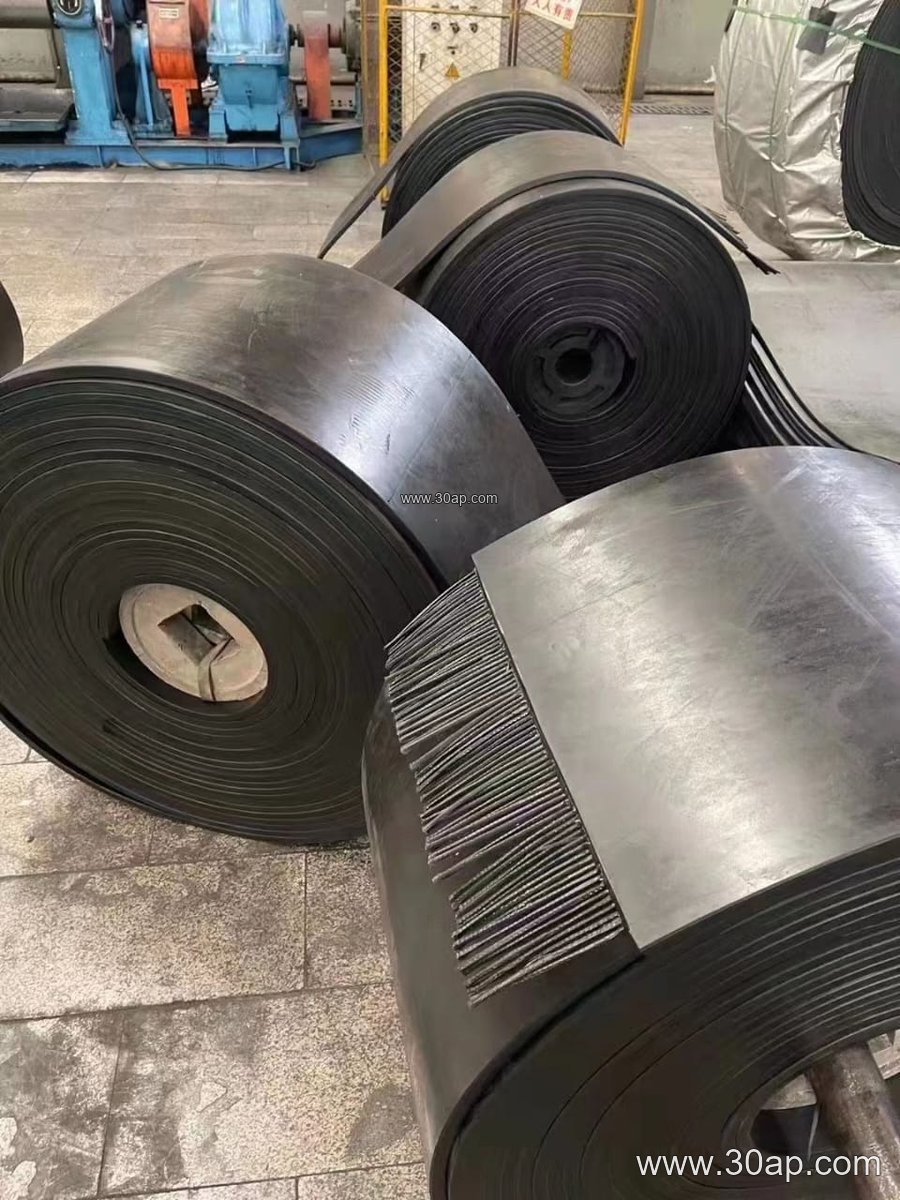
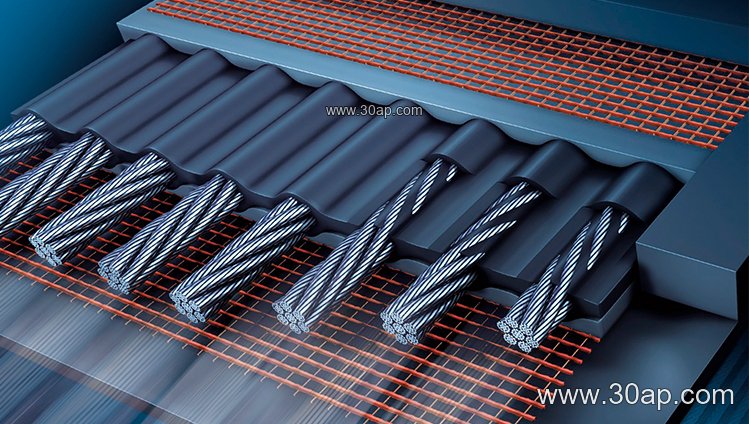
Most power plant belts use a fabric core or a steel cord core. Fabric core belts include EP conveyor belt (polyester-cotton canvas) and NN conveyor belt (nylon-nylon canvas). Steel cord conveyor belt is used where tension and distance are high. The cover rubber, carcass, and edge construction determine how the belt handles abrasion, heat, oil, and fire risk.
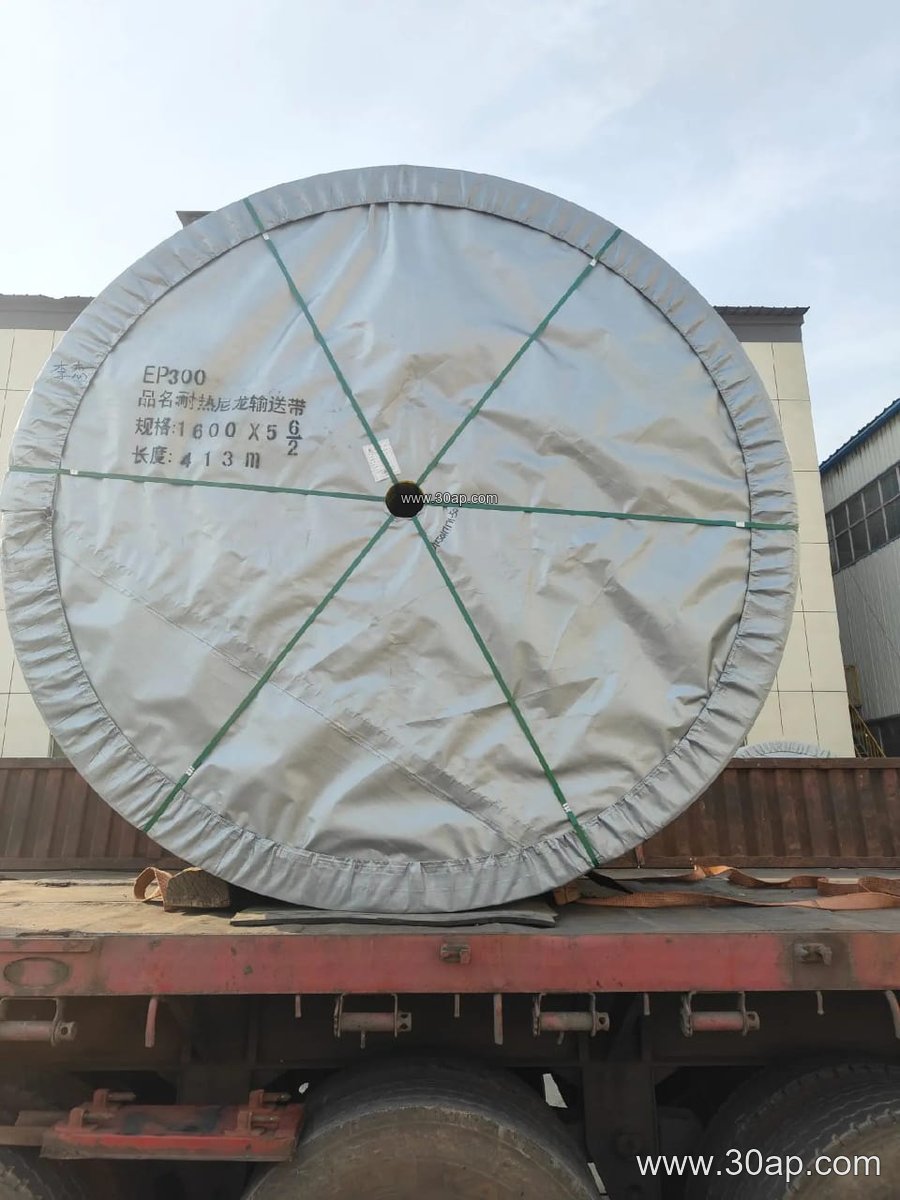
Common constructions and their typical roles:
- EP conveyor belt — general fuel handling, moderate tension, good fatigue resistance.
- NN conveyor belt — higher elongation, often used in shorter or shock-loaded conveyors.
- Steel cord conveyor belt — long distance, high tension, main trunk conveyors.
- Flame retardant conveyor belt — underground or enclosed coal handling where fire safety is critical.
- Heat resistant conveyor belt — clinker, ash, or hot material transfer.
- Abrasion resistant conveyor belt — coal, coke, and limestone with sharp edges.
- Oil resistant conveyor belt — fuel oil, lubricant, or biomass with oil content.
- Chevron conveyor belt — inclined sections where material tends to roll back.
- Corrugated sidewall conveyor belt — steep inclines with limited floor space.
Surface forms such as plain, chevron, and corrugated sidewall are selected for the angle of incline and the material’s repose angle. They are not interchangeable; a chevron belt does not replace a sidewall belt on a near-vertical transfer.
Typical Specifications and How They Are Expressed
Belt strength is usually given by the carcass grade, such as EP200, EP400, EP630, EP1000, or ST1250 for steel cord. Width is expressed in millimeters, for example B800, B1000, B1200, or B1400. Cover rubber thickness is often written as a pair, such as 4+2 mm or 6+2 mm, meaning top cover plus bottom cover. These values are reference points, not universal rules. A 1200mm wide conveyor belt may run on different pulley diameters depending on the conveyor design; belt width alone does not fix the pulley size.
| Parameter | Common Expression | Notes |
|---|---|---|
| Carcass grade | EP200, EP400, EP630, EP1000, ST1250 | Higher grade for higher tension and longer runs |
| Belt width | B500, B650, B800, B1000, B1200, B1400, B1600 | Selected from conveyor capacity and lump size |
| Cover thickness | 3+1.5 mm, 4+2 mm, 5+2 mm, 6+2 mm | Top cover for wear, bottom cover for pulley contact |
| Fabric plies | 2 to 6 plies | Depends on belt type and tension rating |
For a coal mining conveyor belt or a quarry conveyor belt, the buyer should confirm the actual lump size, drop height, and loading frequency. A belt that is too stiff for the pulley diameter can crack; a belt that is too soft may stretch and mis-track.
Where It Is Used in a Power Plant
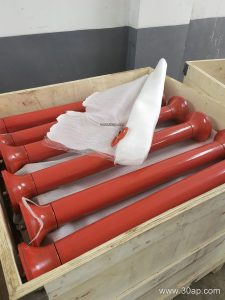
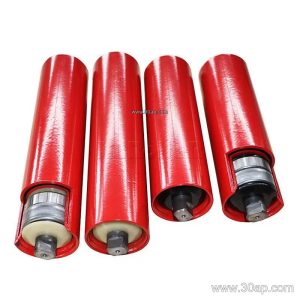
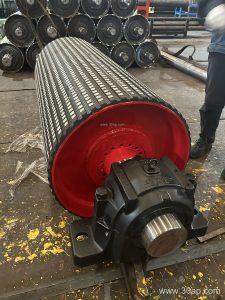
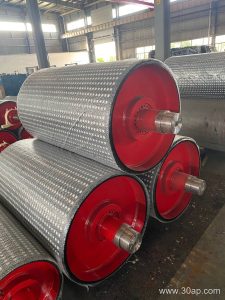
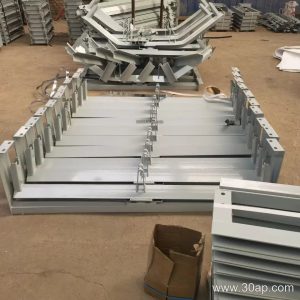
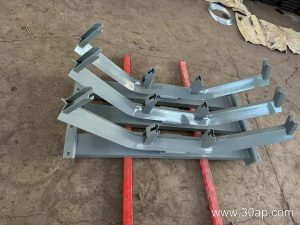
Power plant conveyor belts appear in coal yards, coal bunker feeding, limestone preparation, ash handling, and biomass storage. In a coal conveyor belt system, the belt works with conveyor pulley, idler roller, and conveyor bracket components. The drive pulley, tail pulley, and bend pulley each have a distinct role and are not interchangeable. A worn bend pulley can cause edge damage even if the belt itself is in good condition.
Other industries use similar belts: cement plants, steel plants, ports, sand and gravel yards, and mineral processing lines. A cement conveyor belt may need abrasion resistance for clinker, while a port conveyor belt may need high strength for ship loading. The power plant version often combines flame retardancy with abrasion resistance because coal dust and spillage are present.
Buyer Checklist
Before ordering, collect the conveyor layout, material type, lump size, belt speed, and environmental conditions. Ask for the carcass grade, cover thickness, and edge construction in writing. Confirm whether the belt must be anti-static conveyor belt or fire resistant conveyor belt for the installation area. Check that the selected belt width and thickness suit the existing conveyor pulley and idler roller arrangement.
For spare parts planning, keep a record of belt type, width, and cover grade. A replacement belt that differs in thickness can change the take-up travel and pulley contact. Buyers can review product data and request configuration guidance at www.powerplantbelt.com and www.powerplantconveyor.com.
Maintenance Notes
Inspect the belt surface for cuts, edge wear, and cover separation. Check that the conveyor pulley and idler roller rotate freely and that the conveyor bracket is not loose. Clean spillage from the tail area to prevent misalignment. For heat resistant or flame retardant belts, verify that the cover has not hardened or cracked. Track belt elongation and adjust take-up within the manufacturer’s recommended range.
Store spare belts in a dry, shaded area and avoid sharp bends. A power plant conveyor belt is a long-life component when the conveyor structure, pulleys, and loading conditions are kept within design limits.