What the ST3150 Conveyor Belt Is
The ST3150 Conveyor Belt is a steel cord conveyor belt built around a single layer of high-tensile steel cords, with the number 3150 referring to the nominal breaking strength of the cord layer in newtons per millimeter of belt width. It sits near the top of the common steel cord range, above ST2500 and well beyond ST1600 or ST2000, and it is chosen when a conveyor must move very large tonnages over long distances without excessive belt weight. In many plants the belt is simply called an ST3150 steel cord belt, and that equivalent name describes the same product: a heavy-duty belt with steel cables as the tension-bearing skeleton rather than fabric plies.
Because the carcass is steel, the belt behaves differently from an EP Conveyor Belt or an NN Conveyor Belt. It offers very low elongation under load, which keeps take-up travel modest and helps maintain a stable path on long overland and incline conveyors. At the same time, it demands careful splicing and a properly matched pulley and idler layout.
How the Belt Is Constructed
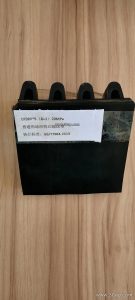
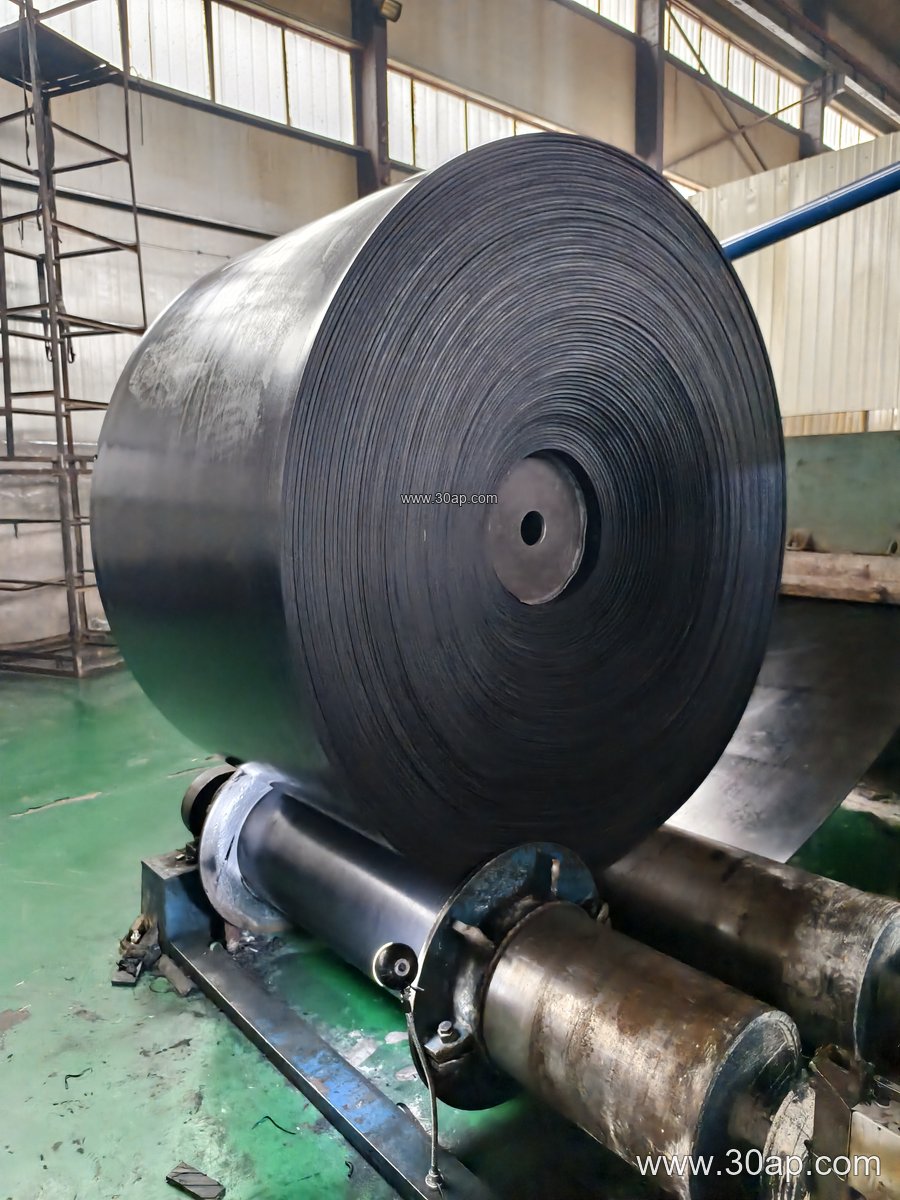
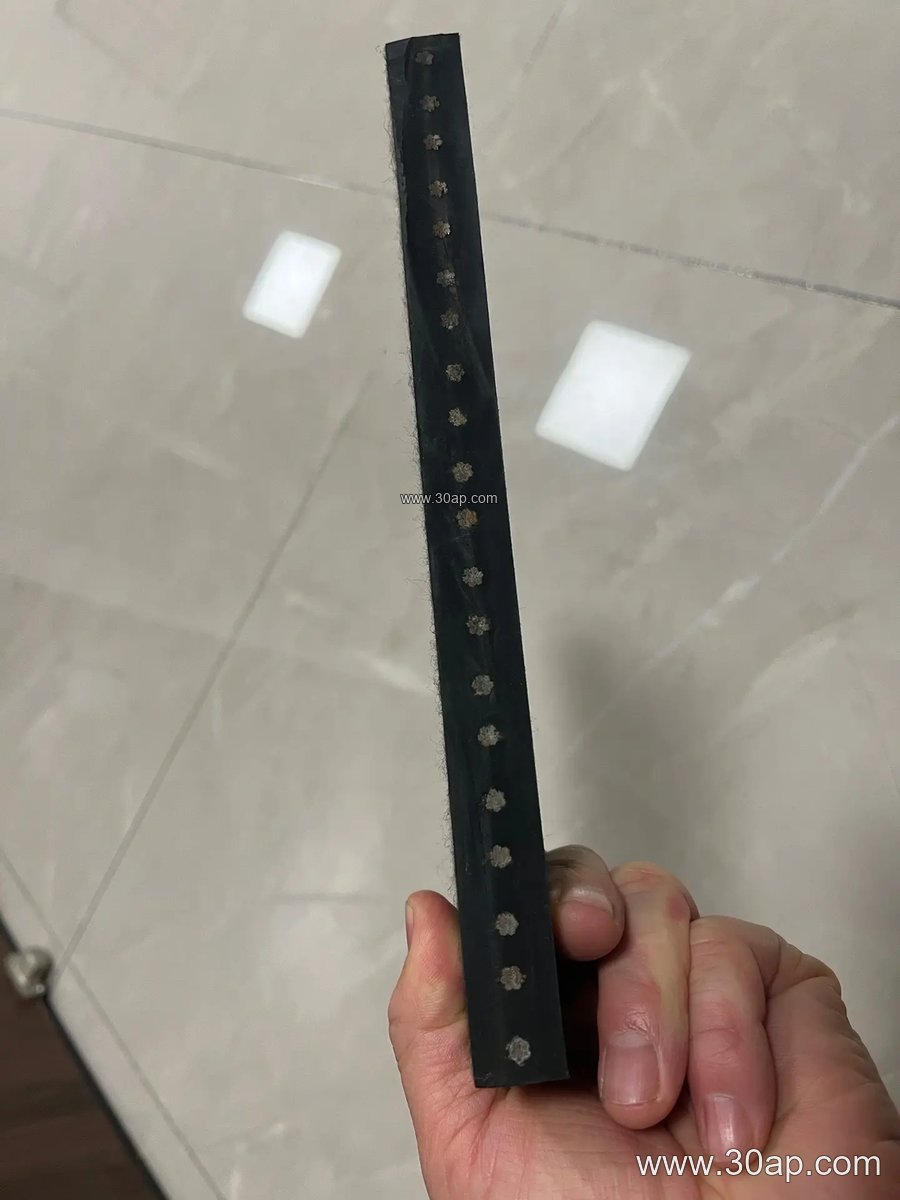
Inside the ST3150 Conveyor Belt, parallel steel cords run longitudinally and carry the pulling load. They are embedded in a rubber core compound that bonds the cords and cushions them against impact and flexing. Top and bottom cover rubber protect the carcass from abrasion, moisture and the material being carried. Cover thickness is usually stated as a pair, for example 6+2 mm or 8+3 mm, and thicker covers are common where sharp rock or ore is loaded.
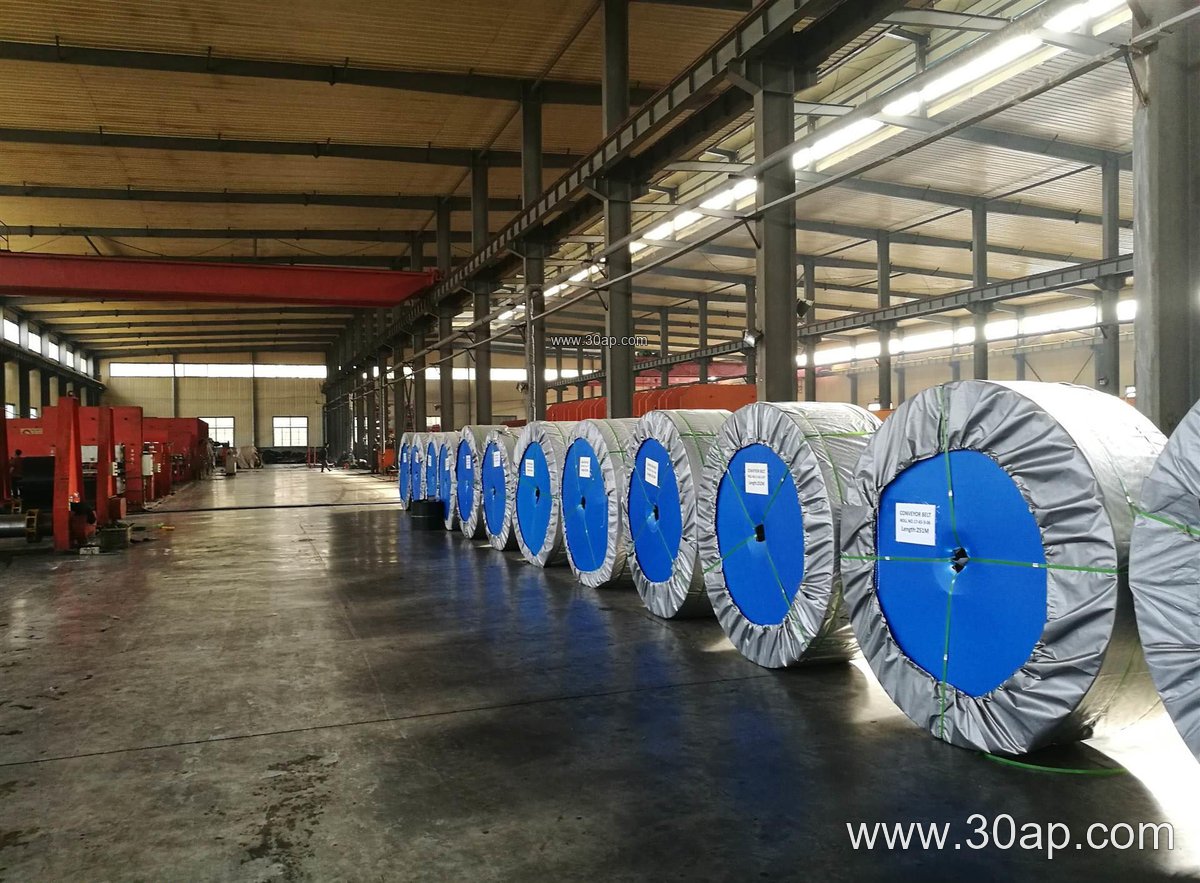
Transverse steel cords or breaker layers may be added behind the top cover on belts that receive lumpy feed. Edge construction matters as well, since a steel cord belt relies on sound edges to resist rip initiation. Buyers often specify an Abrasion Resistant Conveyor Belt cover for stone and sand, or a Heat Resistant Conveyor Belt cover when clinker or sinter is involved.
Typical Duty and Industries
The ST3150 Conveyor Belt is at home in mines, coal preparation plants, cement works, power stations, ports and large quarry or aggregate operations. It suits main trunk conveyors that receive primary crushed ore, overland haulage lines, and ship loading systems where a single flight may run several kilometers. An Iron Ore Conveyor Belt or Copper Ore Conveyor Belt duty often calls for this strength class, and a Quarry Conveyor Belt carrying limestone from the crusher can use it where gradients and capacity are demanding.
In underground coal mining, flame resistance is usually required, so a Flame Retardant Conveyor Belt specification with steel cord reinforcement may be selected instead of a plain cover compound. For shorter, lighter conveyors, an EP1000 or EP1250 belt may be sufficient, and comparing those fabric options against ST3150 helps clarify whether steel cord is really needed.
Specification Points Buyers Should Check
Strength class is only one line on the data sheet. Belt width, cover thickness, cord pitch, splice type and rubber grade all affect whether the belt performs as expected. Common widths in this class include 1000 mm, 1200 mm, 1400 mm and 1600 mm, with wider belts available for large ports and overland systems. The table below shows reference values only; final figures are set by the belt designer and may differ between manufacturers.
| Parameter | Typical Reference |
|---|---|
| Strength class | ST3150 (nominal cord breaking strength) |
| Belt width | 1000, 1200, 1400, 1600, 1800 mm |
| Cover thickness | 6+2, 8+3 mm (common) |
| Cover grade | Abrasion resistant, heat resistant, flame retardant, anti-static |
| Splice | Stepped or finger splice, per manufacturer |
| Belt speed | Set by conveyor design, often 3 to 6 m/s |
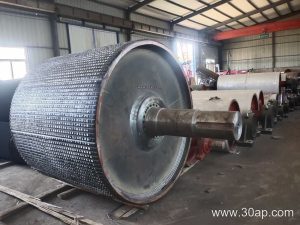
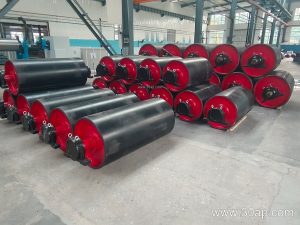
Do not assume a given belt width fixes a pulley diameter or shaft size. Pulley diameter is chosen from cord fatigue limits, belt tension and wrap angle, and the drive pulley, tail pulley and bend pulley each have their own duty. Likewise, idler roller spacing and trough angle are selected from load and sag limits, not from belt width alone.
Installation and Maintenance Notes
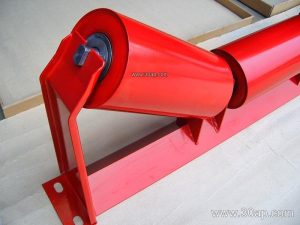
Steel cord belts are less tolerant of misalignment than fabric belts, so the conveyor frame, conveyor bracket and idler roller alignment should be checked before the belt is installed. A conveyor pulley with worn lagging can cause slip and edge damage. During operation, watch for cord exposure at the edges, cover gouges and splice wear; these are early signs that the belt is working beyond its intended duty. Store spare belt rolls flat and dry, and keep splice materials matched to the cord pitch.
For a long-haul project, the ST3150 Conveyor Belt can be the right answer when capacity and distance are high and elongation must stay low. Confirm the full specification with the belt supplier and the conveyor designer before ordering, and treat catalog numbers as a starting point rather than a final guarantee.