What the head pulley does on a conveyor
The belt conveyor head pulley sits at the discharge end of the machine and does two jobs at once. It drives the conveyor belt forward and, because it is the last roller the belt wraps around before the material leaves, it also acts as the unloading point. In a quarry or an aggregate line, this is the roller you see at the top of the discharge chute, turning fast and throwing crushed stone onto the next stage. In a power plant coal handling system, the same component quietly pulls a wide rubber belt through the transfer house.
Because it combines drive and discharge duties, the assembly is often called the drive pulley or the discharge pulley. Those names describe the same part in its position at the head of the conveyor. A tail pulley, a bend pulley and a take-up pulley are different positions with different loads and are not interchangeable with it.
How the assembly is built
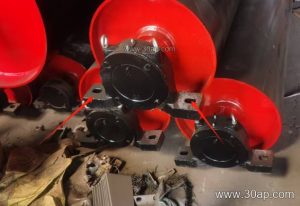
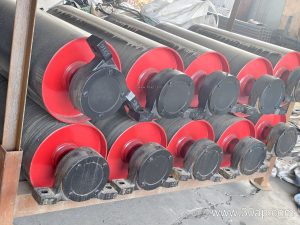
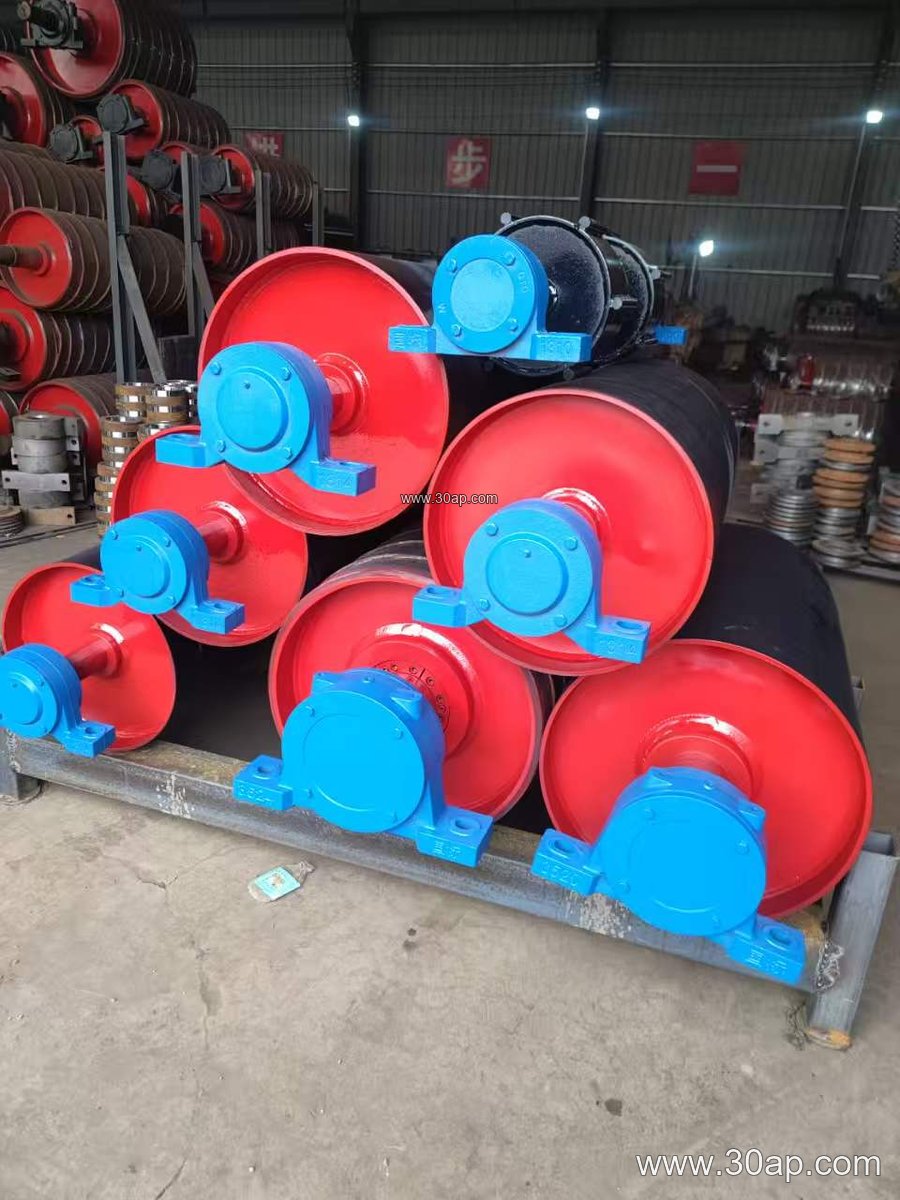
A typical unit starts with a steel drum shell, machined flat and fitted with end discs and a hub at each side. The shaft passes through the hubs and carries the bearings in pillow blocks mounted on the conveyor bracket at the head frame. Most shells are covered with lagging to raise friction between the drum and the belt, and to protect the shell from abrasive dust and carryback.
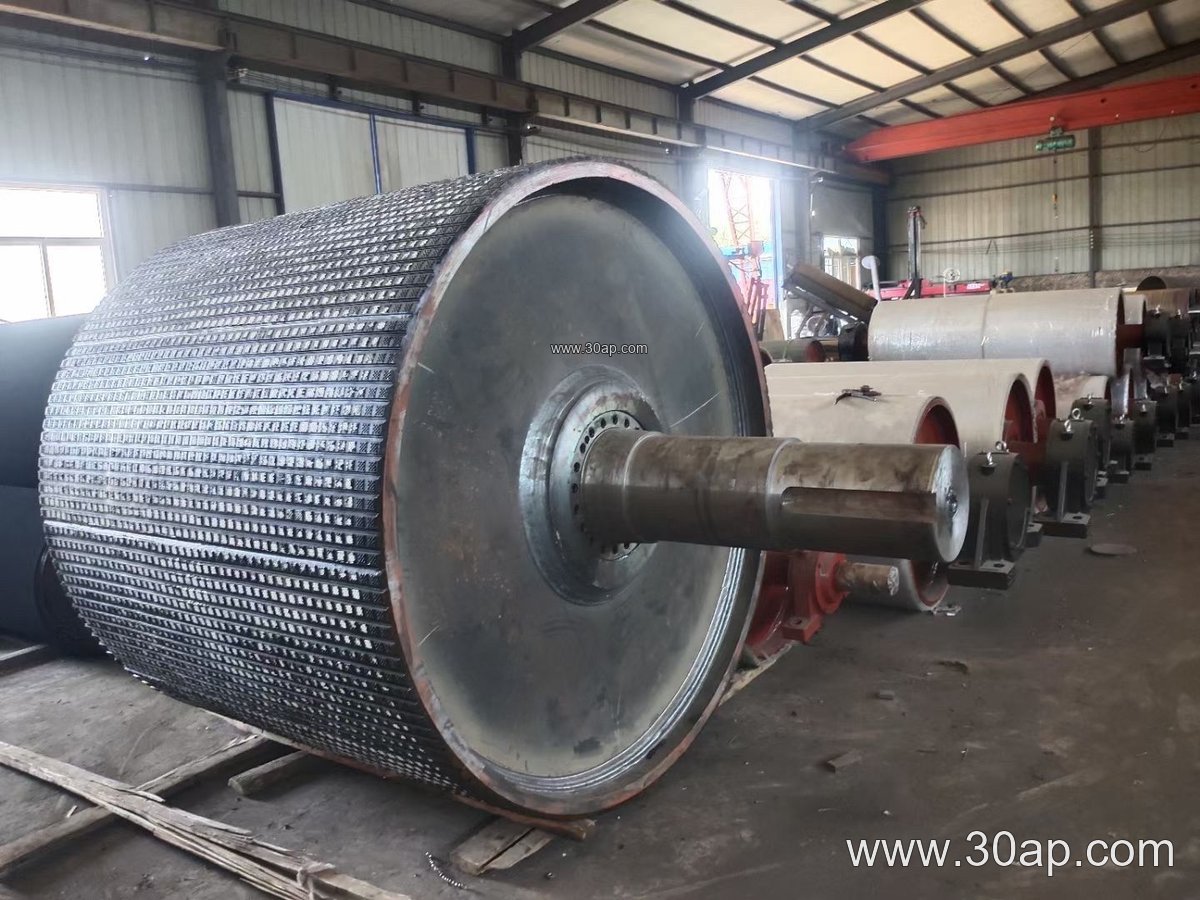
Surface options are chosen around the duty. Plain finish suits light, clean service. Rubber lagging, applied cold or vulcanized hot, is common in stone crushing and sand making plants. Diamond groove lagging helps shed water and fines, while ceramic lagging is used where slip and wear are both serious problems. Lagging thickness is usually quoted in the 8 to 20 mm range according to the application.
Sizes and combinations in practice
There is no single formula that fixes a diameter from a belt width. The table below shows some combinations that appear in real projects, but each one still has to be checked against belt tension, torque and wrap angle.
| Belt width | Typical shell face | Example diameter | Typical lagging |
|---|---|---|---|
| B800 | about 950 mm | Ø500 | 10 mm rubber |
| B1000 | about 1150 mm | Ø630 | 12 mm diamond |
| B1200 | about 1400 mm | Ø1000 | 15 mm rubber |
| B1400 | about 1600 mm | Ø800 | 12 mm ceramic |
| B1800 | about 2000 mm | Ø1250 | 15 mm rubber |
Shaft diameter is determined by torque and bearing load rather than by belt width alone, so a Ø120 shaft and a Ø160 shaft may both appear on machines with similar belt sizes. Buyers should ask for the calculated shaft size for their drive power and starting condition.
Where it is used
Two settings illustrate the range. In a limestone quarry feeding a primary crusher, the head pulley on the main incline handles sharp, heavy rock and needs abrasion resistant lagging plus a robust shell. In a cement plant clinker line, the same component may face heat and fine dust, so the lagging compound and the bearing sealing matter as much as the drum itself.
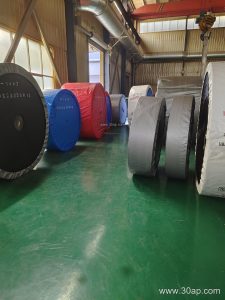
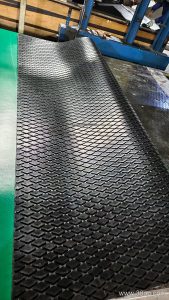
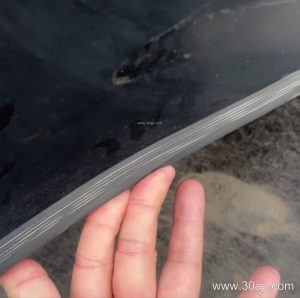
The belt it drives matters too. A heavy-duty mining conveyor belt with a steel cord carcass pulls differently from a multi-ply fabric core belt, and the wrap angle and lagging choice should follow the belt type rather than a generic rule. Where a chevron conveyor belt or a corrugated sidewall belt is used, check that the cleats clear the discharge chute and the pulley face.
What a buyer should confirm
- Belt width and the required shell face, remembering the face is normally wider than the belt.
- Drum diameter and shaft size, both tied to the drive calculation rather than a catalogue shortcut.
- Lagging type and thickness, matched to abrasion, moisture and slip risk.
- Bearing type, sealing and lubrication method for dusty or washdown conditions.
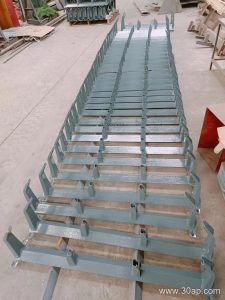
- Mounting dimensions, so the unit fits the existing conveyor bracket and head frame.
For plant operators in mining, coal preparation, aggregate production and power generation, a well specified belt conveyor head pulley means fewer stoppages and longer belt life.