What a Return Idler Bracket Does
A return idler bracket is the structural component that holds the return-side idler rollers of a conveyor belt in place. While the carrying side gets most of the attention, the return run needs steady support too, and that support starts with the bracket. Often called a return roller bracket or simply a return bracket, it keeps the idler roller at the correct height and alignment so the belt runs smoothly on its way back to the tail pulley. In industries such as coal mining, cement plants, and power plant coal handling, a well-built return idler bracket reduces belt sag and helps prevent premature wear on both the belt and the roller.
Construction and Common Forms
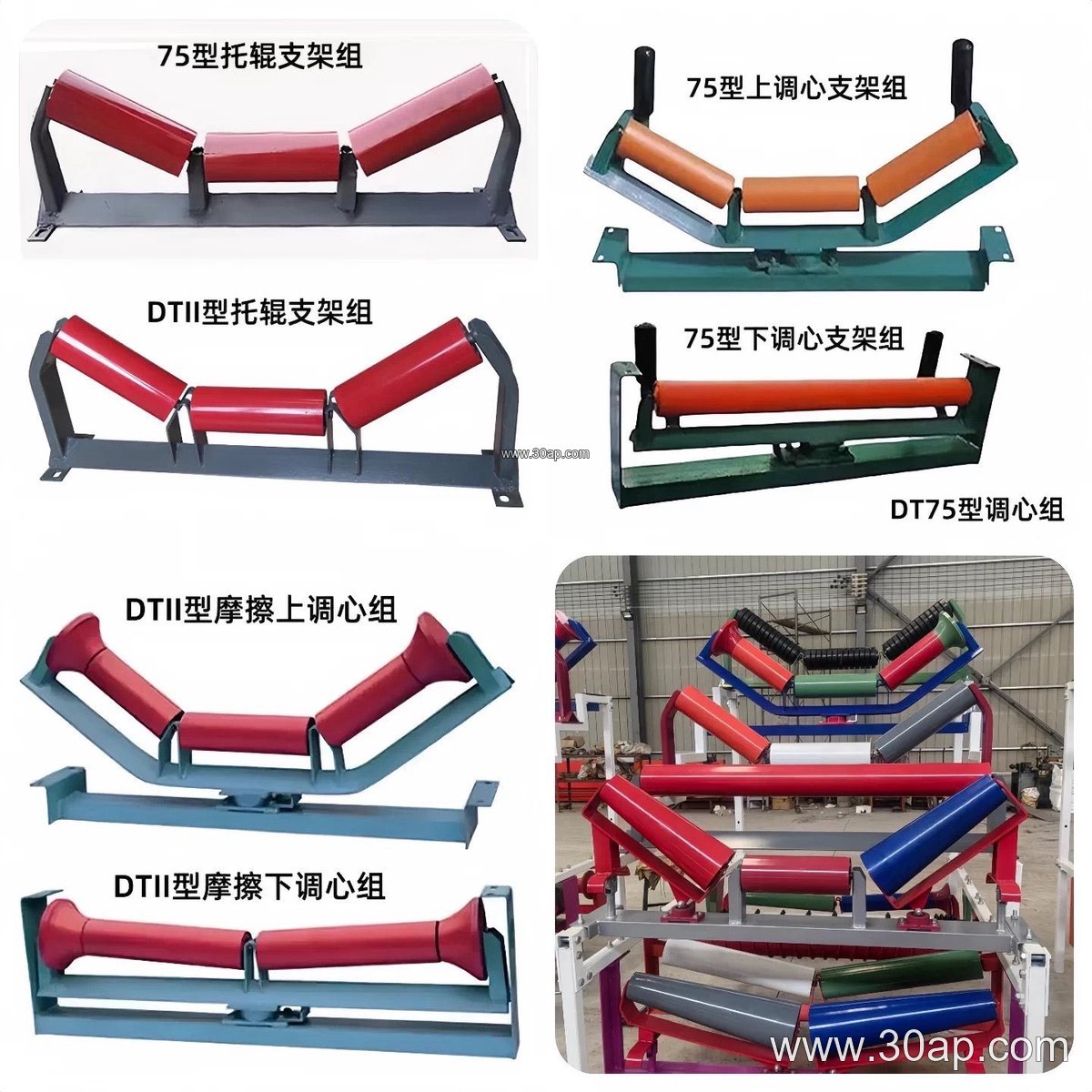
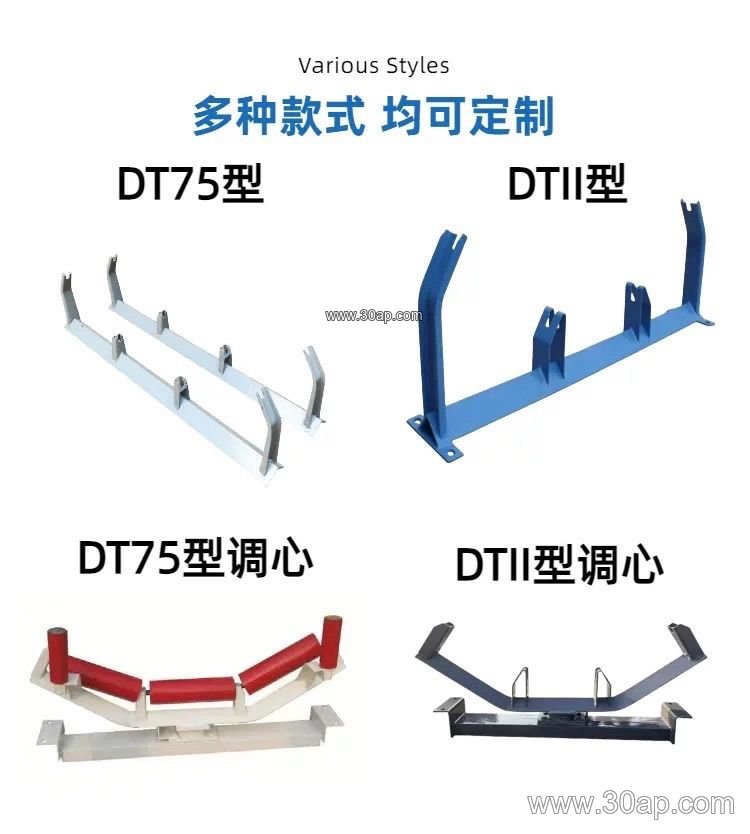
Most return idler brackets are fabricated from angle steel, channel steel, or folded steel plate. The design may be fixed or adjustable, depending on the conveyor layout. A fixed bracket holds the idler in one position, while an adjustable bracket allows fine-tuning of height or angle to suit the return belt path. The bracket is usually bolted to the conveyor frame stringers, and its mounting hole spacing and crossbeam length are determined by belt width and the specific idler configuration. Common return bracket styles include flat return brackets and V-shaped return brackets, the latter often used to help center the belt on the return run.
Where It Fits in the Conveyor System
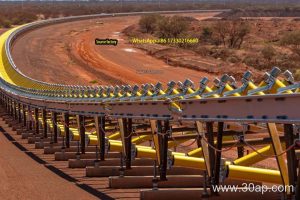
The return idler bracket is installed on the return strand, typically spaced at intervals along the conveyor frame. It works together with the idler roller and the conveyor belt to maintain proper belt tracking. In a quarry or sand and gravel line, return brackets help keep the belt from rubbing against the frame, especially after the belt has passed the discharge pulley. In underground coal mining, flame retardant conveyor belts and anti-static belts are common, and the return bracket must be robust enough to handle constant vibration and occasional material spillage. The bracket also plays a role in belt training: a misaligned return bracket can cause the belt to drift, so correct installation is critical.
Matching Brackets to Belt Width and Idler Diameter
Return idler brackets are not one-size-fits-all. The bracket must match the belt width and the return idler diameter. For example, a B800 conveyor might use a return bracket designed for Ø108 idlers, while a B1200 system could call for Ø133 idlers. The table below shows typical reference combinations, but these are not fixed rules—actual selection depends on the conveyor design, load, and belt speed.
| Belt Width (B) | Common Return Idler Diameter | Typical Bracket Material |
|---|---|---|
| B500 | Ø89 | Angle steel |
| B650 | Ø89 / Ø108 | Angle steel or channel |
| B800 | Ø108 | Channel steel |
| B1000 | Ø108 / Ø133 | Channel or folded plate |
| B1200 | Ø133 | Folded steel plate |
| B1400 | Ø133 / Ø159 | Folded steel plate |
| B1600 | Ø159 | Heavy channel |
| B1800 | Ø159 / Ø194 | Heavy channel or folded plate |
| B2000 | Ø194 | Folded steel plate |
Keep in mind that bracket dimensions such as mounting hole distance are not universal—they change with belt width, idler diameter, and frame design. Always confirm with the conveyor manufacturer or bracket supplier.
Selection and Maintenance Tips
When choosing a return idler bracket, consider the belt width, the return idler diameter, and the conveyor frame type. For heavy-duty mining conveyor belts or high abrasion resistant conveyor belts, a stronger bracket made from thicker channel or folded plate is often advisable. Adjustable brackets are useful where belt tracking needs periodic correction. During maintenance, check for loose bolts, bent brackets, or worn mounting holes. A damaged return bracket can lead to idler misalignment, which in turn may damage the belt edge or cause tracking problems. In dusty environments like cement plants or coal preparation plants, keep the bracket area clean to prevent material buildup that could affect belt alignment.
Related Components and Final Notes
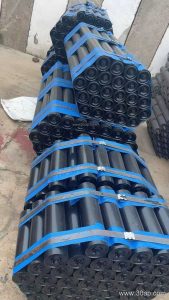
A return idler bracket works as part of a system that includes the idler roller, conveyor pulley, and conveyor belt. For more information on compatible conveyor components, visit our site at www.example.com/conveyor-bracket or explore our range of conveyor idler rollers and pulleys. Whether you are running an EP conveyor belt in a recycling facility or a steel cord conveyor belt in an iron ore mine, selecting the right return bracket helps keep the belt on track and the system running efficiently.