What a Guide Idler Bracket Does on a Conveyor
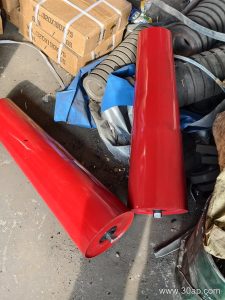
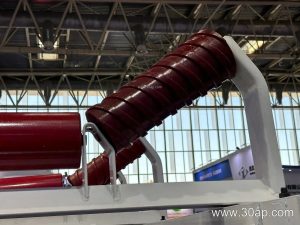
A guide idler bracket is the supporting frame that holds the idler rollers responsible for keeping a conveyor belt centred on its path. In practice, it is often called a self-aligning idler bracket or training idler bracket, and it works as part of the tracking system rather than as a simple static support. When a belt begins to drift toward one side, the guide idler bracket and its rollers apply a gentle correcting force that nudges the belt back toward the centre line. This makes it a small but important component in quarries, cement plants, power station coal handling, and crushing and screening lines where a wandering belt can quickly damage edges and spill material.
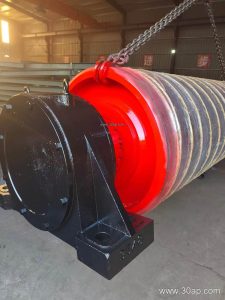
The bracket should not be confused with the main carrying frames or with the pulleys that drive the system. Drive pulleys, tail pulleys and bend pulleys each have their own distinct roles, and they are not interchangeable with tracking brackets. A guide idler bracket is a dedicated tracking accessory that complements the troughing and return idler stations.
Construction and Mounting Position
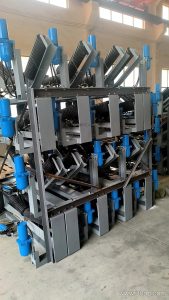
Most guide idler brackets are fabricated from angle steel, channel steel, or folded steel plate. The frame usually carries two or more idlers set at a slight angle, and it is mounted so that it can pivot or shift slightly when the belt presses against one side. This movement is what generates the corrective steering effect. Common designs include vertical-axis training brackets and pivoting brackets with a small forward lead angle, typically around 1.5 to 2 degrees, which helps the rollers guide the belt without abrupt side loads.
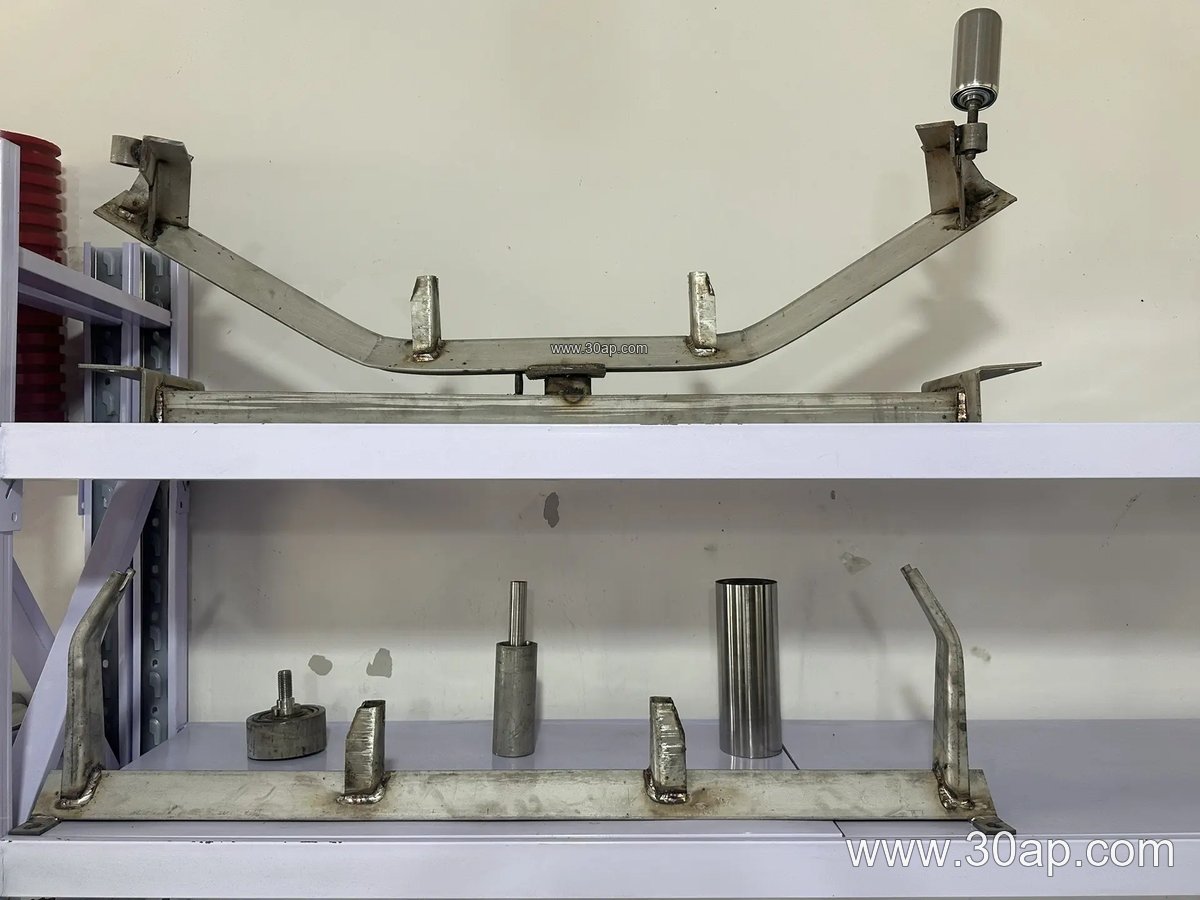
Mounting position matters. On the carrying side, a guide idler bracket is normally installed just ahead of a transition or transfer point where misalignment tends to start. On the return side, it may sit near the tail area to control the empty belt. The bracket should be aligned square to the conveyor centre line during installation, because a bracket that is itself skewed will push the belt consistently in one direction instead of correcting drift.
Common Sizes and Matching Considerations
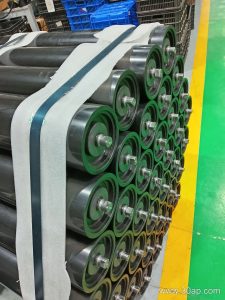
Guide idler brackets are produced to suit standard belt widths and roller diameters. The table below shows typical reference combinations; actual hole spacing and crossbeam length are determined by belt width, trough angle and frame design, so they should be confirmed with the supplier.
- B500 with 20 or 30 degree trough, roller diameter around 89 mm
- B650 with 30 degree trough, roller diameter around 89 or 108 mm
- B800 with 35 degree trough, roller diameter around 108 mm
- B1000 with 35 or 45 degree trough, roller diameter around 108 or 133 mm
- B1200 with 35 or 45 degree trough, roller diameter around 133 mm
- B1400 and B1600 with 35 or 45 degree trough, roller diameter around 133 or 159 mm
- B1800 and B2000 with 35 or 45 degree trough, roller diameter around 159 or 194 mm
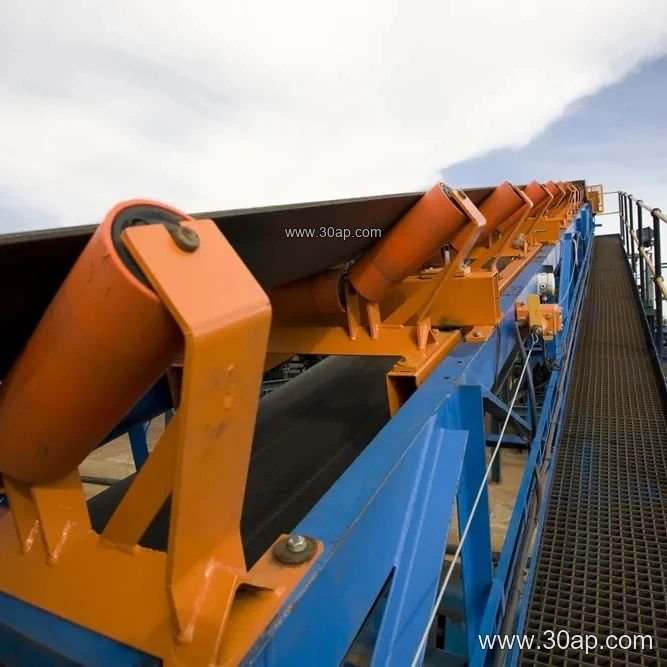
These are reference examples, not fixed rules. A wider belt does not automatically require a single specific trough angle or roller diameter; the correct match depends on load, belt stiffness and the overall idler station design. Adjustable brackets allow the trough angle to be set among common values such as 20, 30, 35 and 45 degrees, which is useful when a plant standardises frames across several conveyors.
Where Buyers Should Pay Attention
When specifying a guide idler bracket, buyers should first confirm the belt width and the roller diameter used in the adjacent idler stations, then check the bracket material and finish against the site environment. In a coal preparation plant or underground mine, a flame retardant conveyor belt may be in use, and the bracket should be compatible with the same roller mounting dimensions. In a cement plant or power plant coal yard, abrasive dust is common, so a robust folded steel plate or channel steel frame is often preferred over light angle steel.
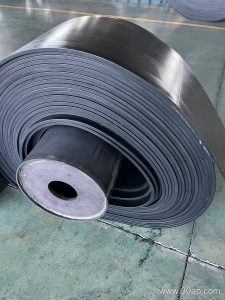
It also helps to consider the belt type in service. A heavy-duty mining conveyor belt or a steel cord conveyor belt carries higher tension and may need a stronger tracking frame than a light fabric core belt. On steep or curved routes, a chevron conveyor belt or corrugated sidewall belt can interact differently with the idlers, so the bracket position and roller angle should be reviewed together with the belt supplier.
Finally, maintenance access matters. A guide idler bracket that is easy to inspect and re-align will keep the conveyor running straighter for longer. Check that the mounting bolts are accessible, that the pivot point is not seized, and that the rollers rotate freely. Replacing a worn bracket before it distorts belt tracking is usually far cheaper than repairing a damaged belt edge or a misaligned transfer point.