What a Port Bulk Material Conveyor Idler Does
A Port Bulk Material Conveyor Idler is the rotating support that carries the conveyor belt and its load along the length of a bulk handling system. In a port, that usually means unloading or loading iron ore, coal, limestone, fertilizer, grain, or aggregate at high tonnage, often around the clock. The idler roller is a small component compared with a conveyor pulley, but it appears in large numbers, so its quality and fit affect belt life, energy use, and maintenance downtime across the whole line.
The term covers several positions on the conveyor. Carrying idlers support the loaded belt, return idlers hold up the empty side, and transition or impact idlers handle the zones where the belt changes shape or receives material. Each position has its own demands, and a buyer should be clear about which one is being ordered.
Construction Details That Matter
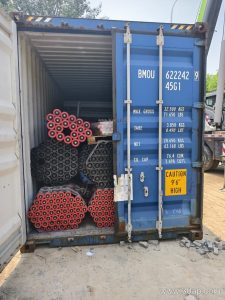
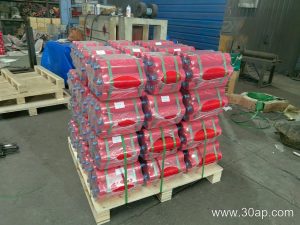
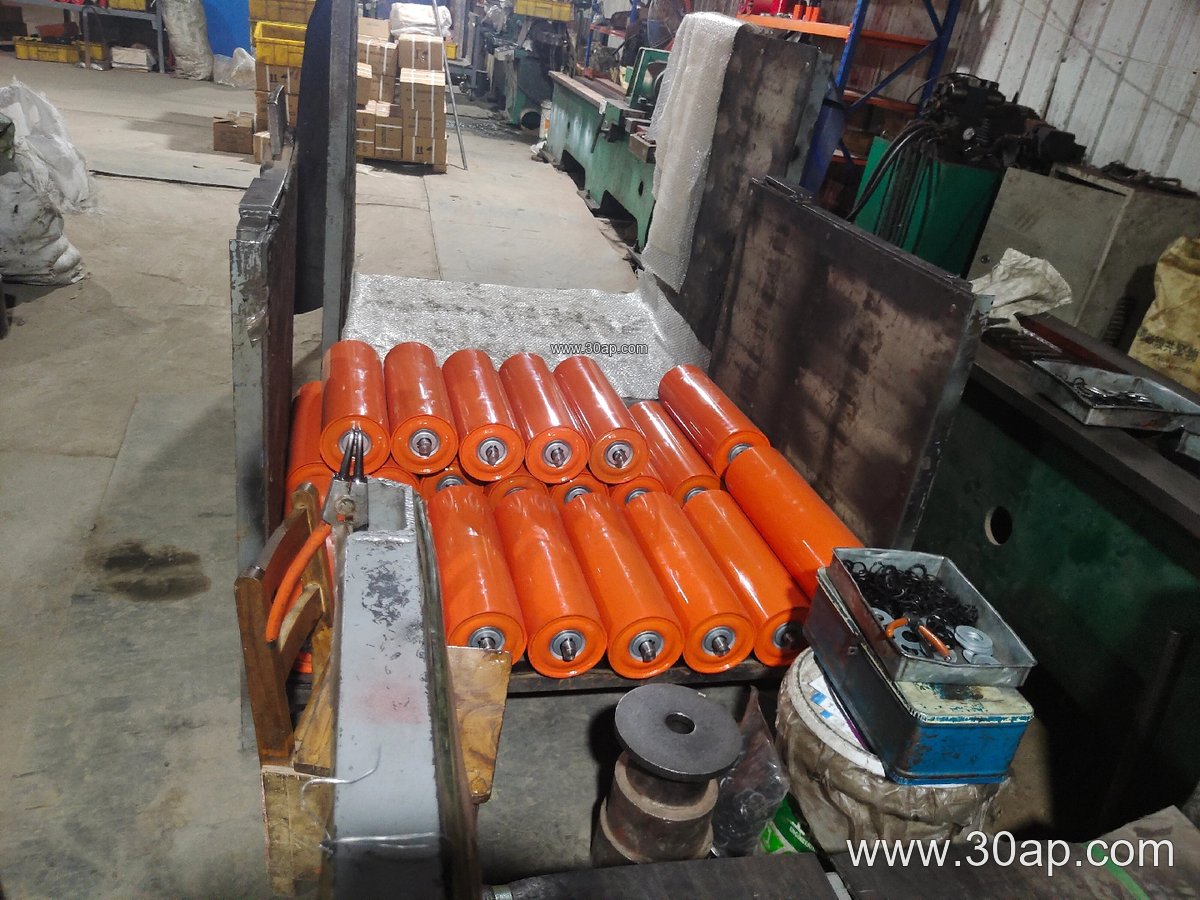
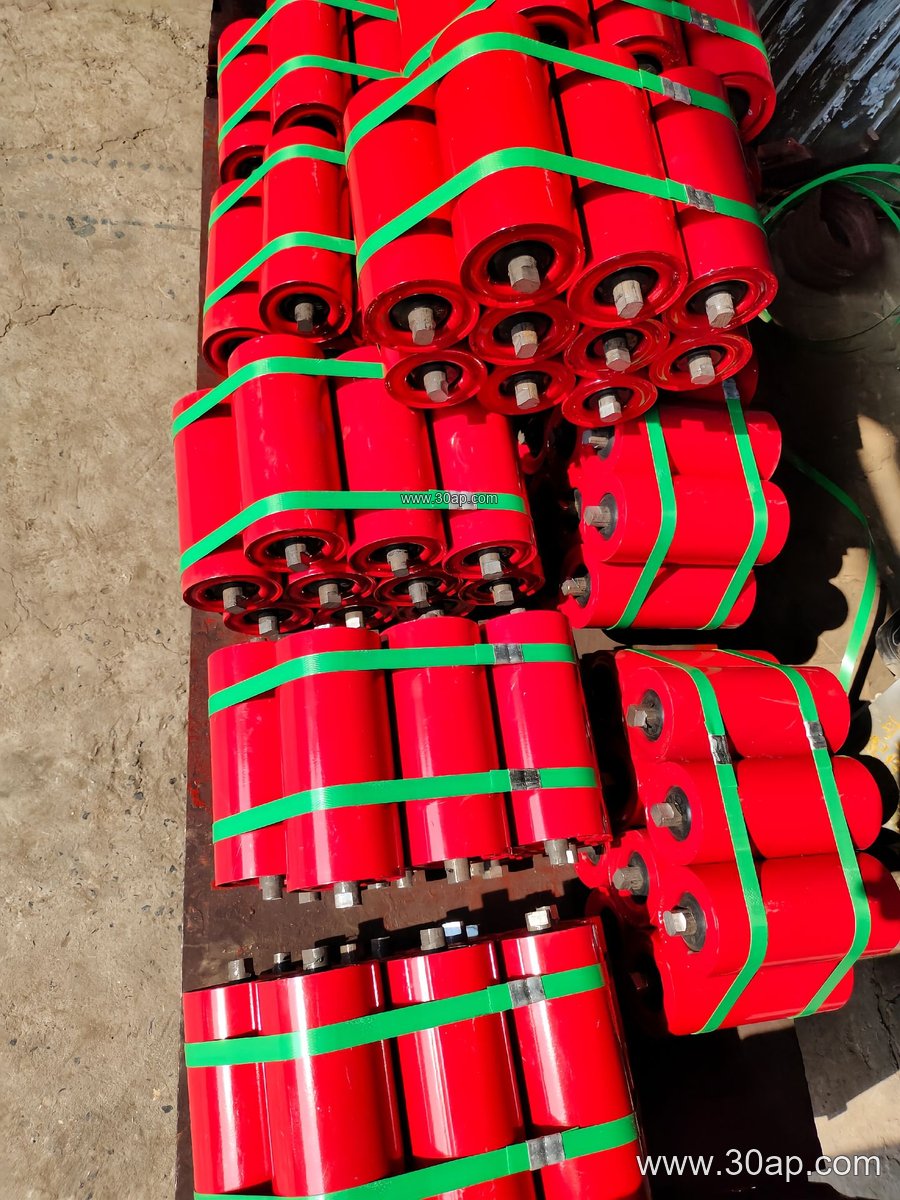
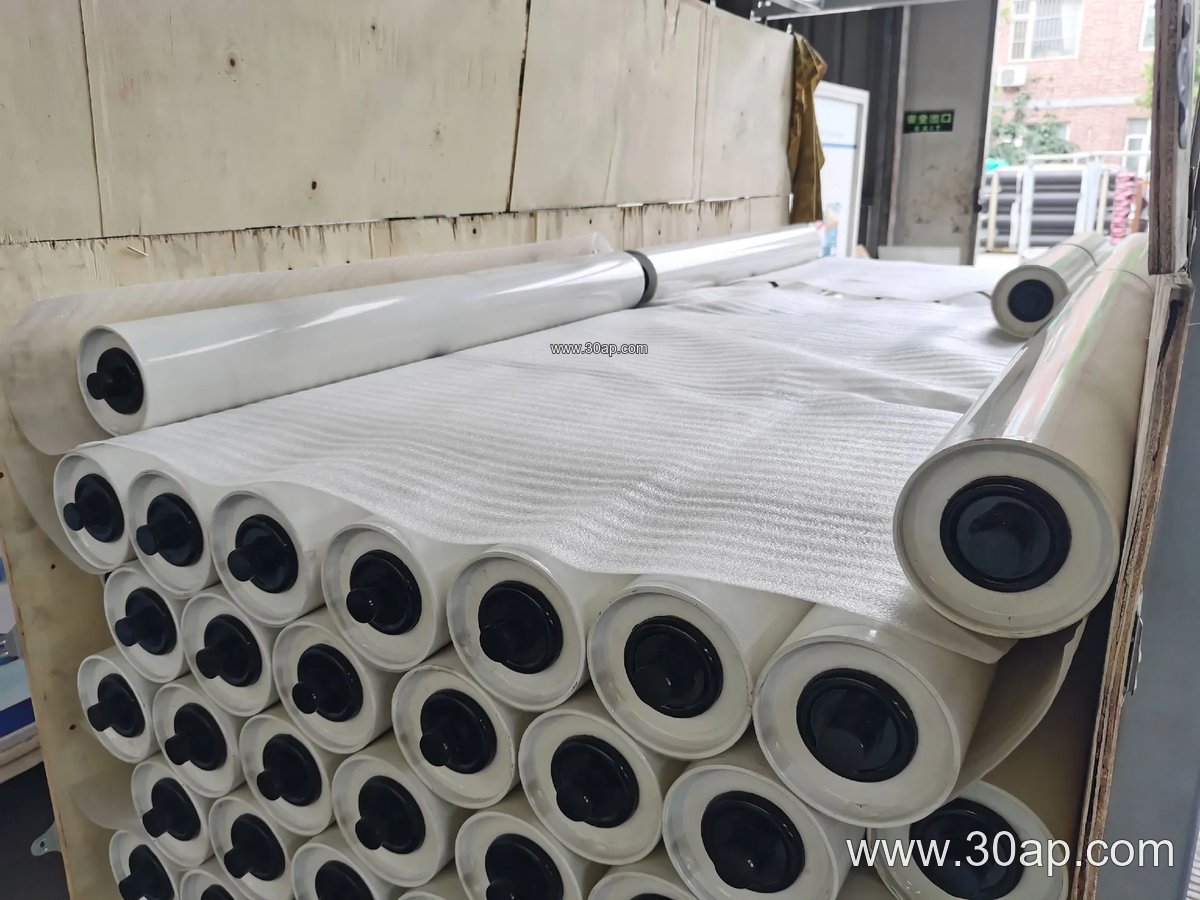
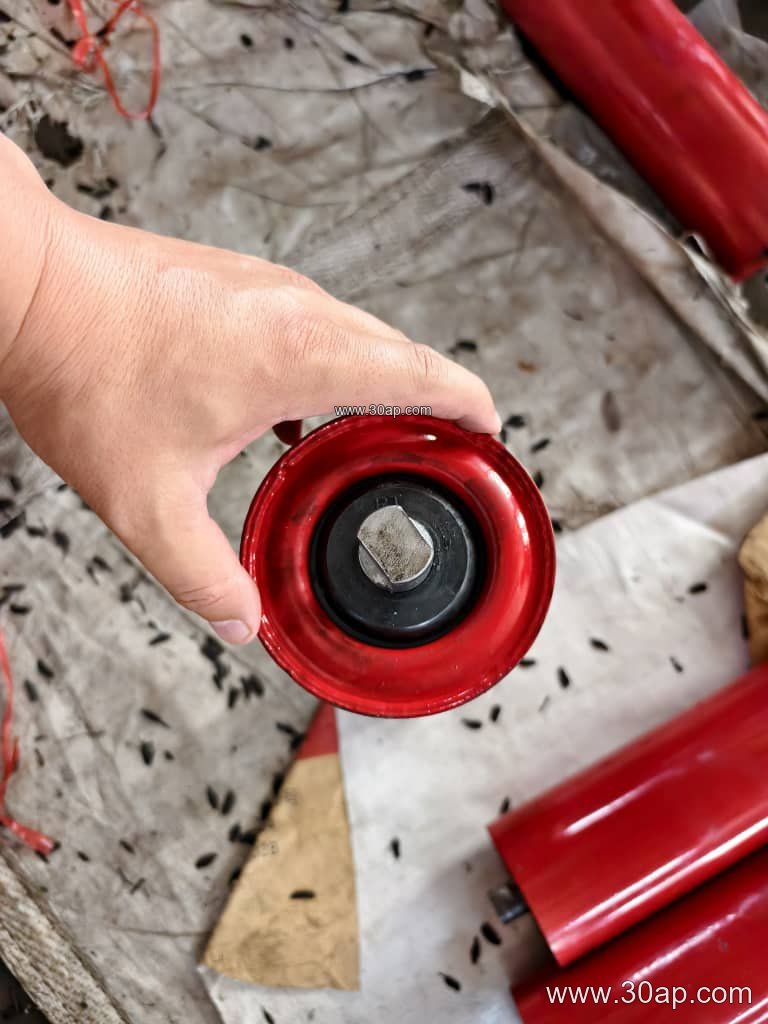
A typical idler roller is built from a steel tube shell, a shaft, bearing housings, and a sealing arrangement. The shell may be plain steel, nylon-coated, ceramic-covered, or fitted with rubber rings for impact absorption. Bearing size and seal design are usually the deciding factors in dusty port conditions, where fine ore or coal dust works into rotating parts.
Common roller diameters include Ø63, Ø76, Ø89, Ø102, Ø108, Ø127, Ø133, Ø159, Ø178, Ø194, and Ø219 mm. Belt widths run from B400 up to B2400 in many plants, and the idler length follows the belt width, trough angle, and idler arrangement rather than a single fixed rule.
| Belt width | Typical roller length, three-roll trough (example) | Common trough angles |
|---|---|---|
| B500 | about 200 mm | 20°, 30°, 35° |
| B650 | about 250 mm | 20°, 30°, 35° |
| B800 | about 315 mm | 30°, 35°, 45° |
| B1000 | about 380 mm | 30°, 35°, 45° |
| B1200 | about 465 mm | 30°, 35°, 45° |
| B1400 | about 530 mm | 30°, 35°, 45° |
| B1600 | about 600 mm | 30°, 35°, 45° |
| B1800 | about 670 mm | 30°, 35°, 45° |
| B2000 | about 750 mm | 30°, 35°, 45° |
These figures are common examples, not fixed pairings. Side rollers and center rollers can differ, and the final length is set by the conveyor design. Bearings such as 6204, 6205, 6305, 6306, 6308, and 6310 appear in this range, but a given bearing is not tied to one shell diameter.
Where the Idler Fits in Port Handling
In a port terminal, the conveyor belt may run several kilometers between the ship unloader and the stockyard. Carrying idlers are spaced closely under the loaded strand, while return idlers are spaced farther apart. Trough angles of 20°, 30°, 35°, or 45° change how the bulk material sits on the belt, and that in turn affects spillage and belt tracking.
Where a Belt Feeder or transfer chute drops ore onto the belt, impact idlers with rubber rings protect the belt and the roller from repeated shock. On curves or long straight runs, self-aligning idlers help correct minor misalignment. In coal or fertilizer terminals, flame retardant and anti-static properties of the belt are often specified, and the idler seals should match that dusty, sometimes corrosive environment. For a ship loading conveyor, steady rotation and low runout matter because the belt speed is high and stoppages are costly.
Choosing the Right Idler for the Duty
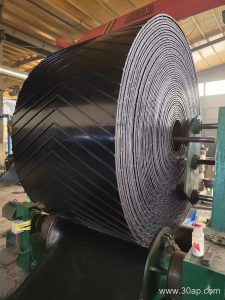
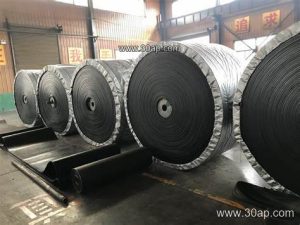
Buyers should start with the belt specification, not the idler alone. A heavy-duty mining conveyor belt, an abrasion resistant conveyor belt, or a steel cord conveyor belt all impose different loads on the rollers. A high tension belt with a strong fabric core, such as an EP conveyor belt or a multi-ply fabric core conveyor belt, may need closer idler spacing than a lighter belt on a short yard conveyor.
Key questions include the material being handled, the belt width and speed, the trough angle, the ambient conditions, and whether the location is a covered gallery or an open jetty. Salt air, humidity, and fine dust are common in ports, so seal quality and coating choice deserve attention. For a quarry conveyor belt or a crusher conveyor belt feeding a port stockpile, impact resistance may matter more than low rolling resistance.
Spare parts planning also helps. Keeping a small stock of the most common roller diameters and bracket types reduces downtime when a single idler seizes. Matching the conveyor bracket to the existing frame avoids field modification.
Maintenance and Inspection Notes
- Check for seized or noisy rollers during routine walk-throughs, especially after storms or heavy dust periods.
- Look for belt tracking drift, which often points to a failed or misaligned idler.
- Replace worn rubber rings on impact idlers before the belt surface is damaged.
- Keep the area around the conveyor pulley and tail pulley clear, since buildup can misalign the belt.
A well-matched Port Bulk Material Conveyor Idler is a low-cost part that protects a much more expensive belt. Choosing the right diameter, length, seal, and surface form for each position is the practical way to keep a port conveyor running.