What a Mining Conveyor Pulley Does
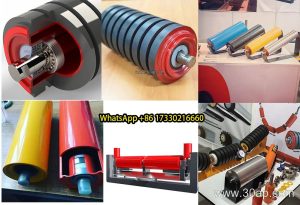
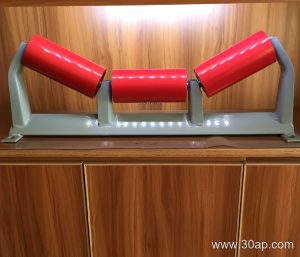
A mining conveyor pulley is the rotating drum that turns a conveyor belt, carries its tension, and sets the belt path at the head, tail, and bend points of a conveyor. In a quarry, an iron ore plant, or a coal handling system, the pulley is one of the small number of components that everything else depends on. It is not a passive roller; it transmits drive torque, guides the belt, and absorbs the pull of a fully loaded belt. A conveyor pulley is often ordered together with the conveyor belt, idler roller, and conveyor bracket, because these parts share the same duty and must match in width and load capacity.
How the Drum Is Built
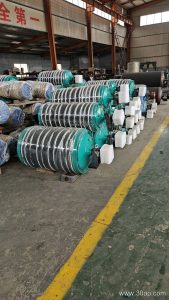
Most pulleys use a welded steel shell, two end discs, a shaft, and a hub connection. The shell is machined so the belt runs true, and the ends are reinforced to take the bending load from belt tension. Shafts are usually sized by torque and bearing load rather than by belt width alone, so a Ø100 shaft on one B800 conveyor may not suit another B800 unit with a longer span or a higher starting torque. Common shaft diameters include Ø80, Ø100, Ø120, Ø140, Ø160, and Ø180, chosen per design.
The surface is where much of the engineering lives. A plain finish suits light duty and cleaning-friendly positions. Rubber lagging, either cold-bonded or hot-vulcanized, raises grip. Diamond lagging improves water shedding, while ceramic lagging is used where slip and wear are both severe. Lagging thickness commonly runs 8, 10, 12, 15, or 20 mm.
Types and Where Each One Sits
Drive pulleys, also called head pulleys, transmit power at the discharge end. Tail pulleys support the belt at the loading end. Bend pulleys change direction, and take-up pulleys maintain tension. These are separate functions and are not interchangeable. In a coal preparation plant or a cement clinker line, a drive pulley at the head may be paired with a bend pulley on a take-up trolley, and each is selected on its own duty.
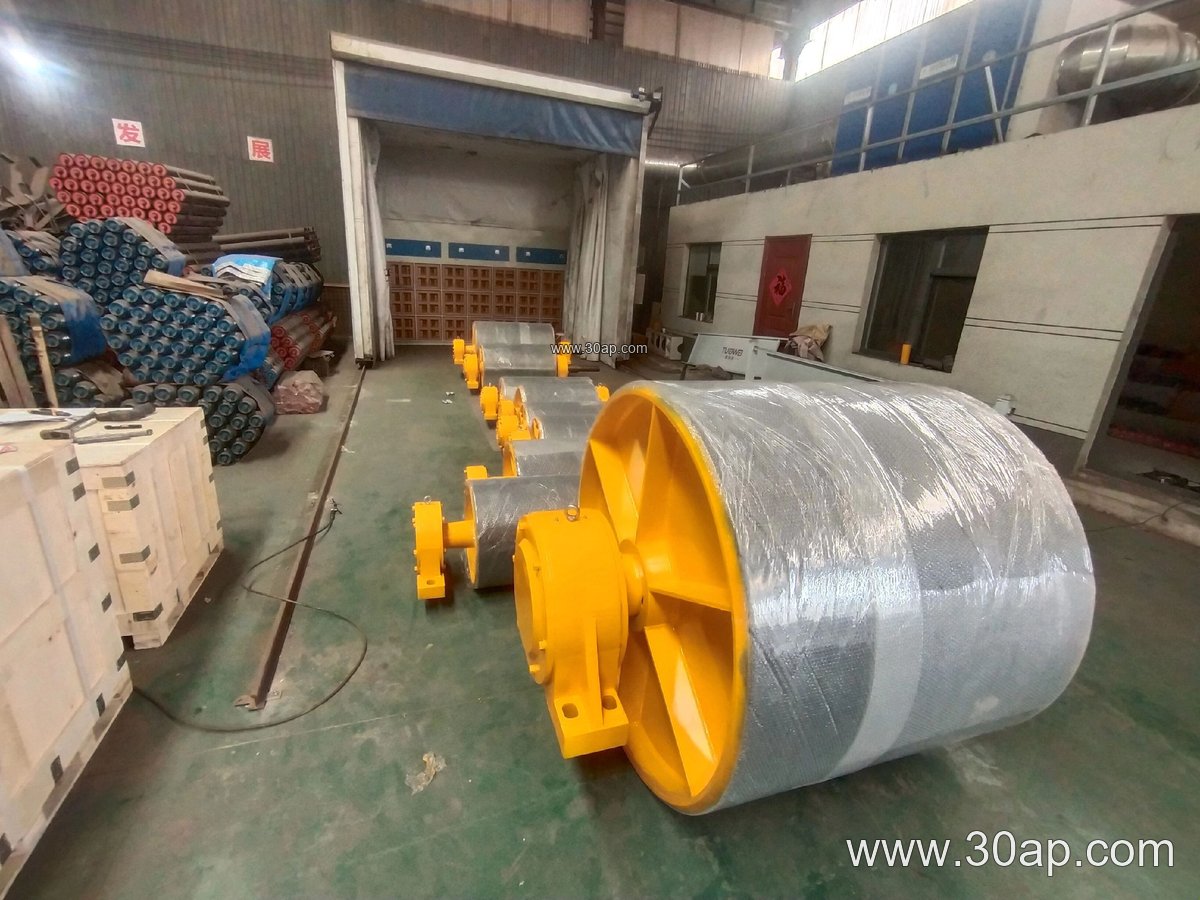
A wing pulley, built from spaced steel discs, is sometimes chosen at the tail of an aggregate or crusher conveyor because it sheds sticky fines better than a solid drum. Electric pulleys integrate the motor inside the drum and suit compact layouts. A snub pulley increases wrap angle behind a drive unit, while a press pulley holds the belt down near a tripper.
Sizes and Common Combinations
Pulley diameter is normally matched to belt tension, wrap angle, and belt construction, not to a fixed rule. A heavy steel cord belt may call for a larger diameter than a thin fabric belt of the same width. Face width is usually slightly greater than the belt width. Typical reference combinations include B800 x Ø500, B1200 x Ø1000, and B1400 x Ø800, but the final figures come from the conveyor design.
| Belt width (ref.) | Typical face width | Diameter range (ref.) |
|---|---|---|
| B400 | about 500 mm | Ø200 to Ø400 |
| B650 | about 750 mm | Ø250 to Ø500 |
| B800 | about 950 mm | Ø315 to Ø630 |
| B1000 | about 1150 mm | Ø400 to Ø800 |
| B1200 | about 1400 mm | Ø500 to Ø1000 |
| B1400 | about 1600 mm | Ø630 to Ø1250 |
| B1600 | about 1800 mm | Ø800 to Ø1400 |
| B2000 | about 2200 mm | Ø1000 to Ø1800 |
These are common reference values only. A wide belt does not require one specific diameter, and a diameter does not fix a shaft size.
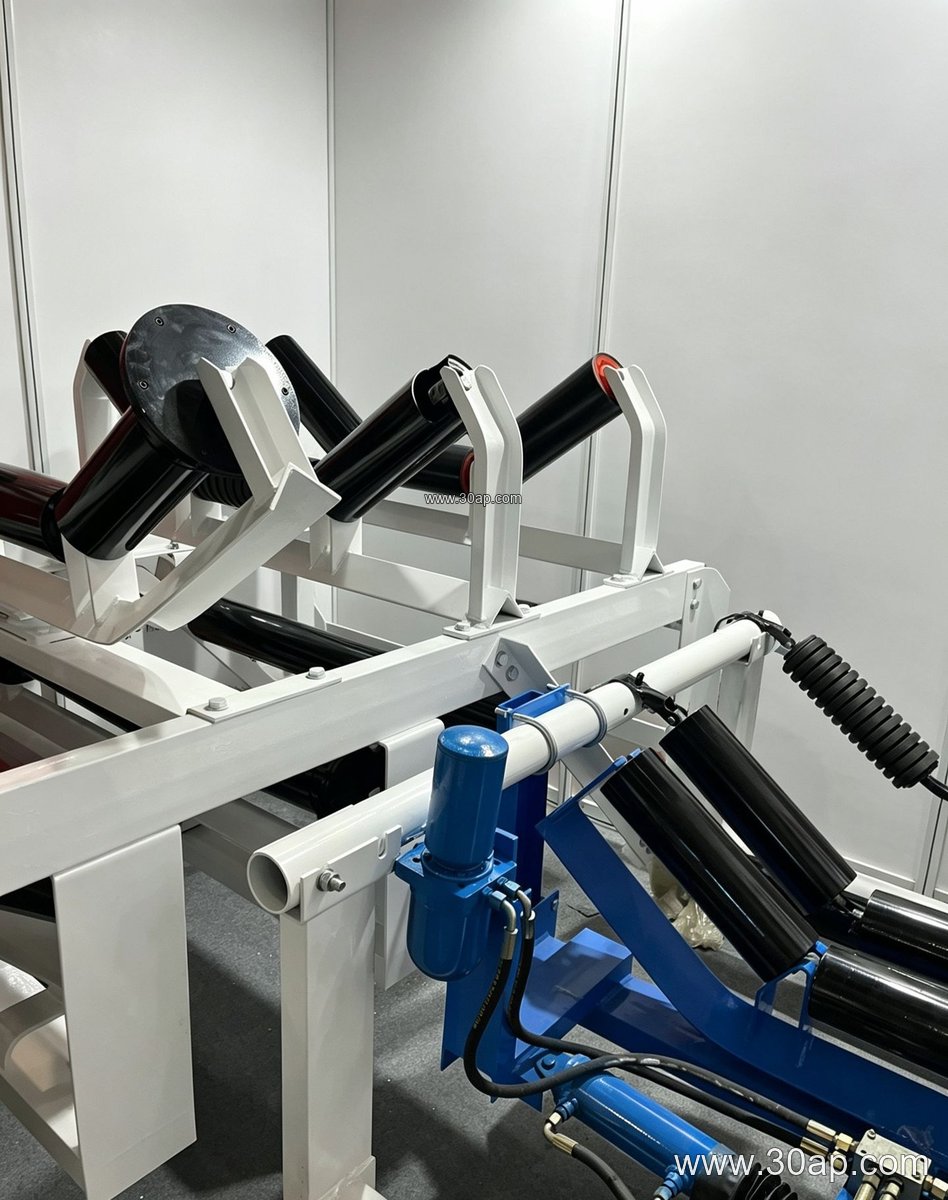
Choosing for the Application
In a limestone quarry, a heavy-duty mining conveyor pulley at the primary discharge point usually needs abrasion-resistant lagging and a robust bearing housing. In an underground coal mine, flame retardant conveyor belt and anti-static belt constructions are specified, and the pulley lagging should be chosen to avoid spark risk. Power plant coal handling and port bulk terminals often favor larger diameters and thicker lagging for high starting torque. A gold mining or copper ore circuit may see wet, gritty conditions where ceramic lagging and sealed bearings pay off.
Match the pulley to the belt it carries. A steel cord conveyor belt needs a larger diameter to limit bending stress than a multi-ply fabric core conveyor belt of the same width. Where the belt is a chevron conveyor belt, a corrugated sidewall belt, or a pipe conveyor belt, check that the pulley face and the belt profile work together; a cleated or sidewall belt may need a larger drum or a different support arrangement. For hot sinter or cement clinker, heat resistant conveyor belt grades require attention to the pulley surface and bearing temperature. For oily scrap or recycled material, an oil resistant conveyor belt pairs with lagging that resists swelling.
Buyers should confirm the shaft diameter, bearing type, hub locking method, lagging grade, and balancing requirement. Ask for the design tension and the belt speed, because these decide the working load. A pulley that is oversized for the belt wastes money, while an undersized one shortens bearing life and damages the belt splice.
Installation and Maintenance Notes
Alignment is the first maintenance task. A pulley that is out of square with the belt causes edge wear and tracking faults that no lagging can fix. Check lagging wear at each shutdown; worn lagging reduces grip and increases slip, which raises belt temperature. Keep the conveyor bracket and bearing seats clean so the shaft stays true. Replace worn idler roller sets nearby, since a bad idler can throw the belt against the pulley face. For reference on matching parts, see mining conveyor pulley and related conveyor components.