What the Discharge-End Pulley Does
The discharge-end pulley is the roller at the point where material leaves the conveyor. In most systems it sits at the head of the machine, so operators also call it the head pulley or the unloading pulley. Its job is simple to describe and demanding to execute: it grips the belt, transmits the drive torque, and sets the release trajectory that decides how cleanly the load enters the next chute, screen, or stockpile. A poorly matched discharge pulley shows up quickly as belt slip, spillage, or a wandering stream of product.
On a quarry conveyor handling abrasive rock, or a power plant belt moving coal into a bunker, that release point is where wear concentrates. The pulley face, the lagging, and the shaft all work against the same load every shift.
How the Assembly Is Built
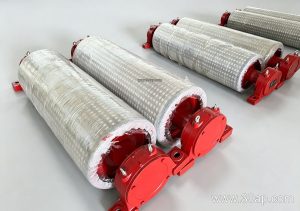
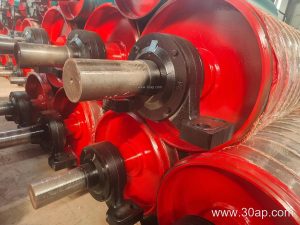
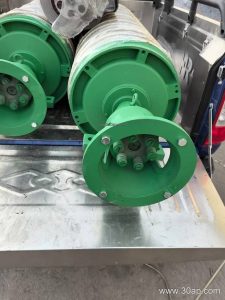
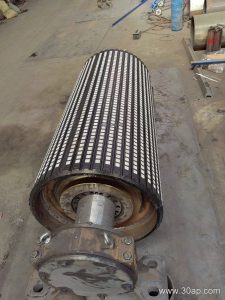
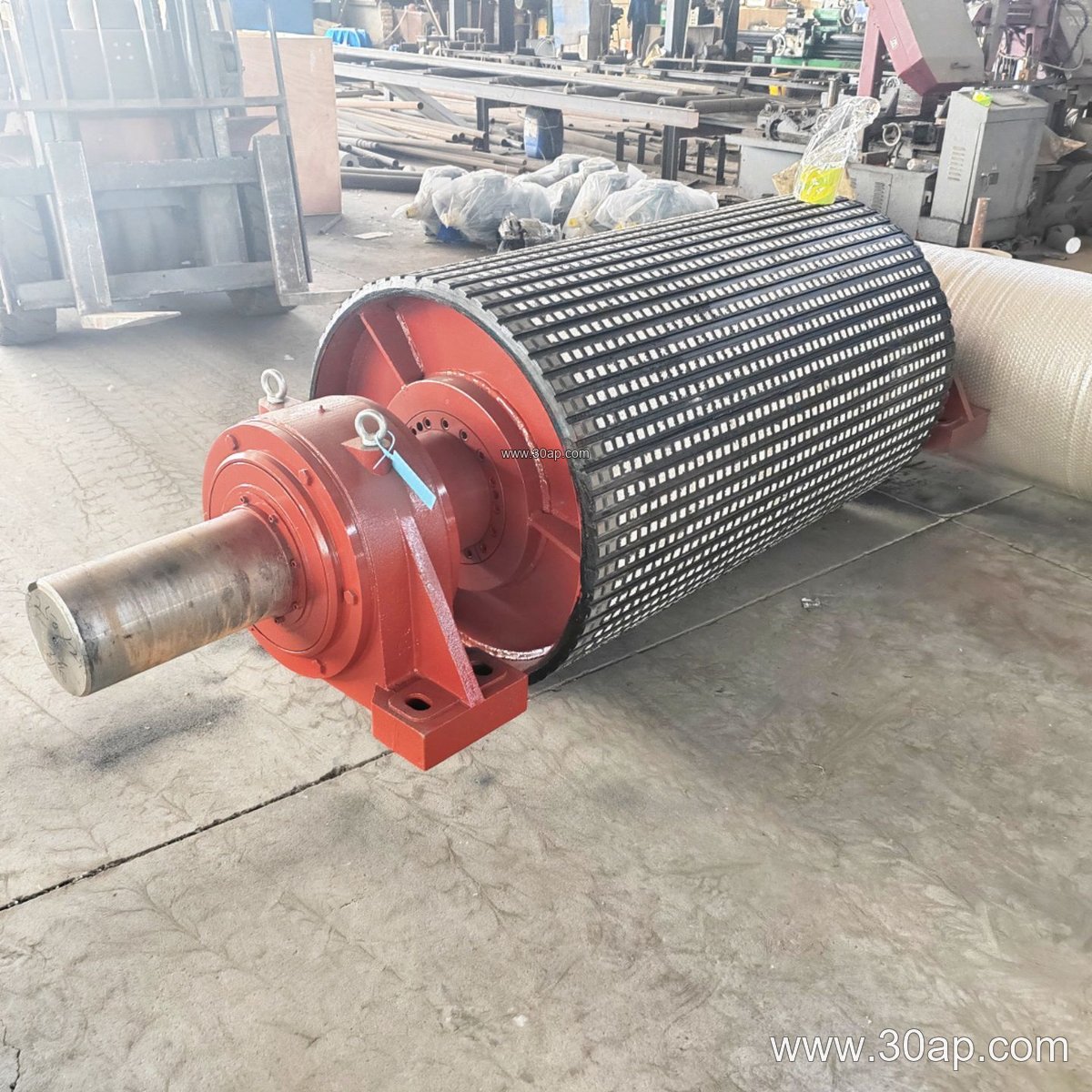
A typical unit combines a cylindrical shell, two end discs, a shaft, bearing housings, and a lagging layer. The shell is usually rolled and welded steel, machined at the ends for concentricity. The shaft is sized by torque and radial load rather than by belt width, so a given width may appear with several shaft diameters depending on the drive duty.
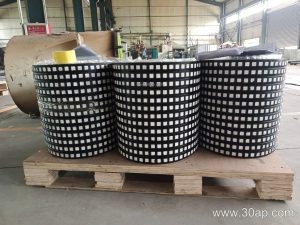
Surface treatment is the detail buyers ask about most. Plain steel is acceptable for light, dry service. Rubber lagging improves grip and cushions shock; diamond or herringbone patterns help shed water and fines. Ceramic lagging is chosen where abrasion is severe, such as aggregate lines fed by a crusher. Common lagging thicknesses are 8, 10, 12, 15, and 20 mm, selected with the duty rather than copied from a catalogue.
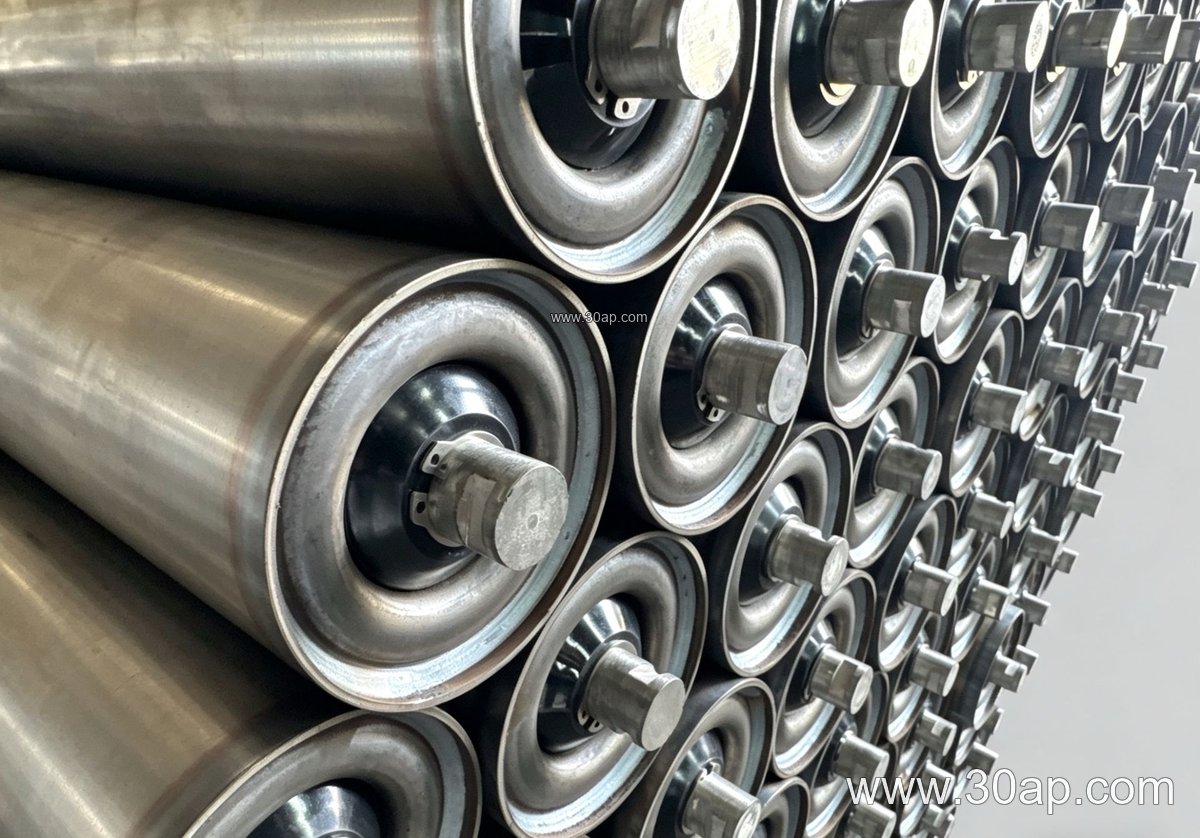
- Shell and end disc welds checked for runout
- Bearing type matched to load direction and sealing needs
- Lagging bonded and grooved according to the environment
- Balance and concentricity verified before installation
Dimensions That Matter in Selection
The table below gives reference ranges often seen in project drawings. Treat them as starting points for discussion, not as fixed pairings. Pulley face width normally exceeds belt width so the belt is supported across its full span.
| Belt width (B) | Typical pulley face | Reference diameter range |
|---|---|---|
| B500 | about 600 mm | Ø250 to Ø400 |
| B650 | about 750 mm | Ø315 to Ø500 |
| B800 | about 950 mm | Ø400 to Ø630 |
| B1000 | about 1150 mm | Ø500 to Ø800 |
| B1200 | about 1400 mm | Ø630 to Ø1000 |
| B1400 | about 1600 mm | Ø800 to Ø1250 |
| B1600 | about 1800 mm | Ø1000 to Ø1400 |
Shaft diameters commonly range from Ø50 to Ø200, again determined by drive torque and bearing load. Diameter and face width must be checked together with belt speed and the required wrap angle.
Where It Fits in the Plant
Discharge points appear across many industries. In a limestone quarry the pulley at the end of the primary belt feeds a screening station; in a cement plant it may deliver clinker to a silo elevator. Port bulk terminals use large units at the ship-loading boom, and underground coal mining conveyors rely on them at transfer points where space is tight.
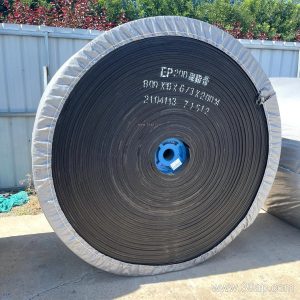
The belt itself matters here. A heavy-duty mining conveyor belt with a steel cord construction behaves differently from a multi-ply fabric core belt, and the pulley diameter must suit the belt’s bending radius. A chevron or corrugated sidewall belt needs clearance for its profile, while a pipe conveyor belt imposes its own geometry. Matching the pulley to the belt, not the other way round, keeps splice life and belt life predictable.
Buyer Checklist
- Confirm the actual duty: continuous or intermittent, and the peak load.
- State belt type, width, and thickness so the face and diameter can be verified.
- Describe the material: wet, sticky, hot, or highly abrasive.
- Specify lagging pattern and thickness only after the environment is clear.
- Ask for the shaft and bearing calculation, not just a drawing.
- Plan lifting points and access for future lagging replacement.
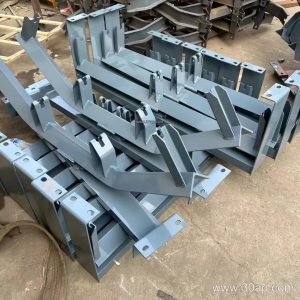
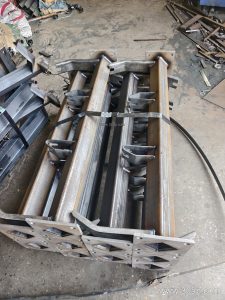
Related parts deserve attention too. The conveyor bracket that carries the bearing housings must align with the frame, and nearby idler roller sets should not create a step that disturbs the belt as it approaches the pulley. Small alignment errors at the discharge end often look like belt tracking problems elsewhere.
Maintenance Notes
Inspect lagging wear at every shutdown, especially on the side that contacts the dirty belt surface. Check bolt torque on bearing housings, watch for material build-up on the shell, and confirm that the scraper or chute does not rub the face. A worn discharge-end pulley changes the release trajectory, which can quietly overload one side of a stockpile or chute.
For more on belts, pulleys, and conveyor components, visit rubberbeltpro.com and review the drum pulley range before finalising a specification.