What a Mining Conveyor Bracket Does
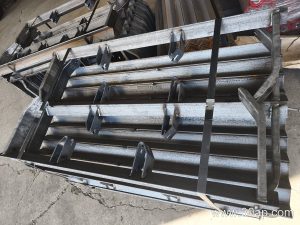
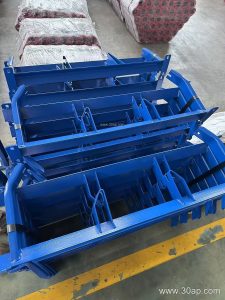
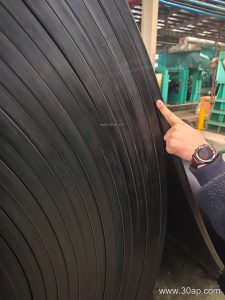
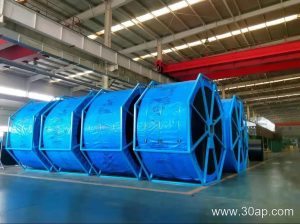
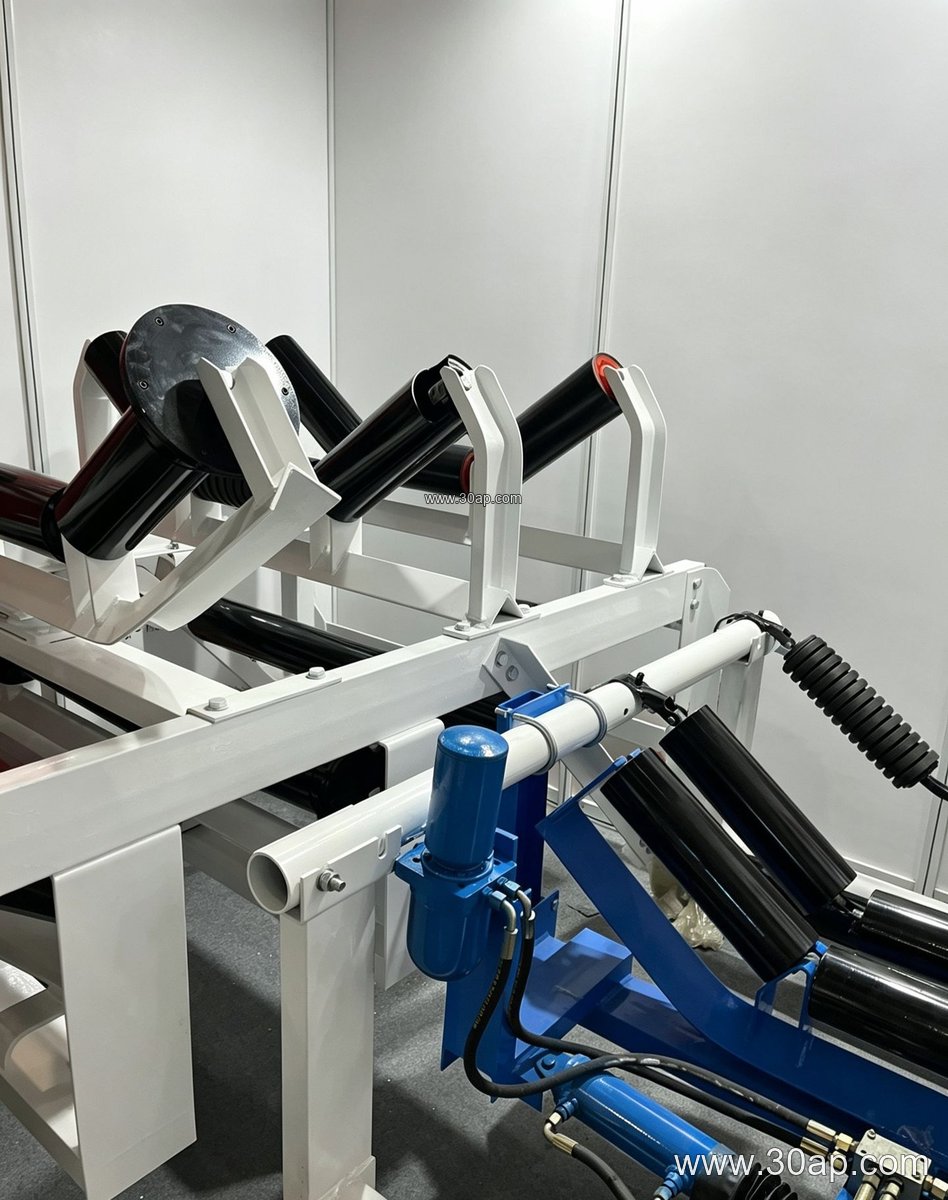
A mining conveyor bracket is the structural support that holds idler rollers in the correct position along a conveyor system. In hard-rock operations, coal mines, and aggregate plants, these brackets keep the belt profile stable under heavy loads. The bracket must align with the conveyor pulley at drive and tail stations while maintaining proper troughing through the carry and return runs. Without a rigid bracket, even a high-quality EP Conveyor Belt or Steel Cord Conveyor Belt will mistrack and wear prematurely.
Construction and Materials
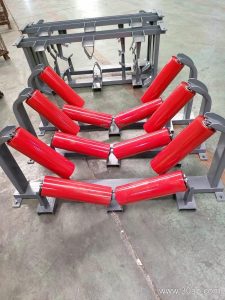
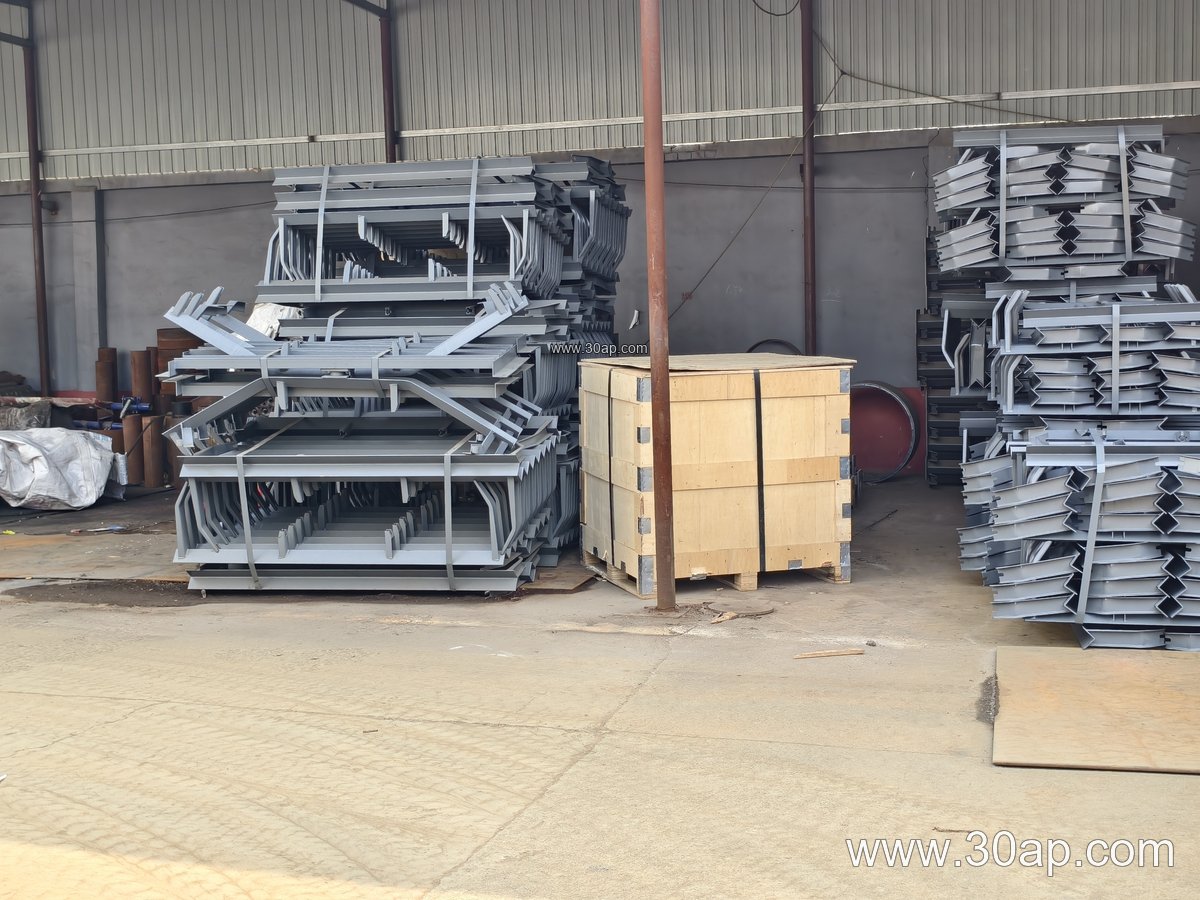
Most mining conveyor brackets are fabricated from angle steel, channel steel, or bent steel plate. The material thickness and coating depend on the duty cycle and environment. Underground coal mining conveyor brackets often require galvanized or painted finishes to resist moisture and acidic water. The bracket design includes mounting slots that match the idler frame, and the crossbeam length changes with belt width and trough angle. A typical bracket for a B800 belt with 35-degree trough may use Ø108 idlers, while a B1200 bracket with 45-degree trough often carries Ø133 rollers. These combinations are common but not fixed; final selection follows the conveyor design.
Common Bracket Types in Mining Service
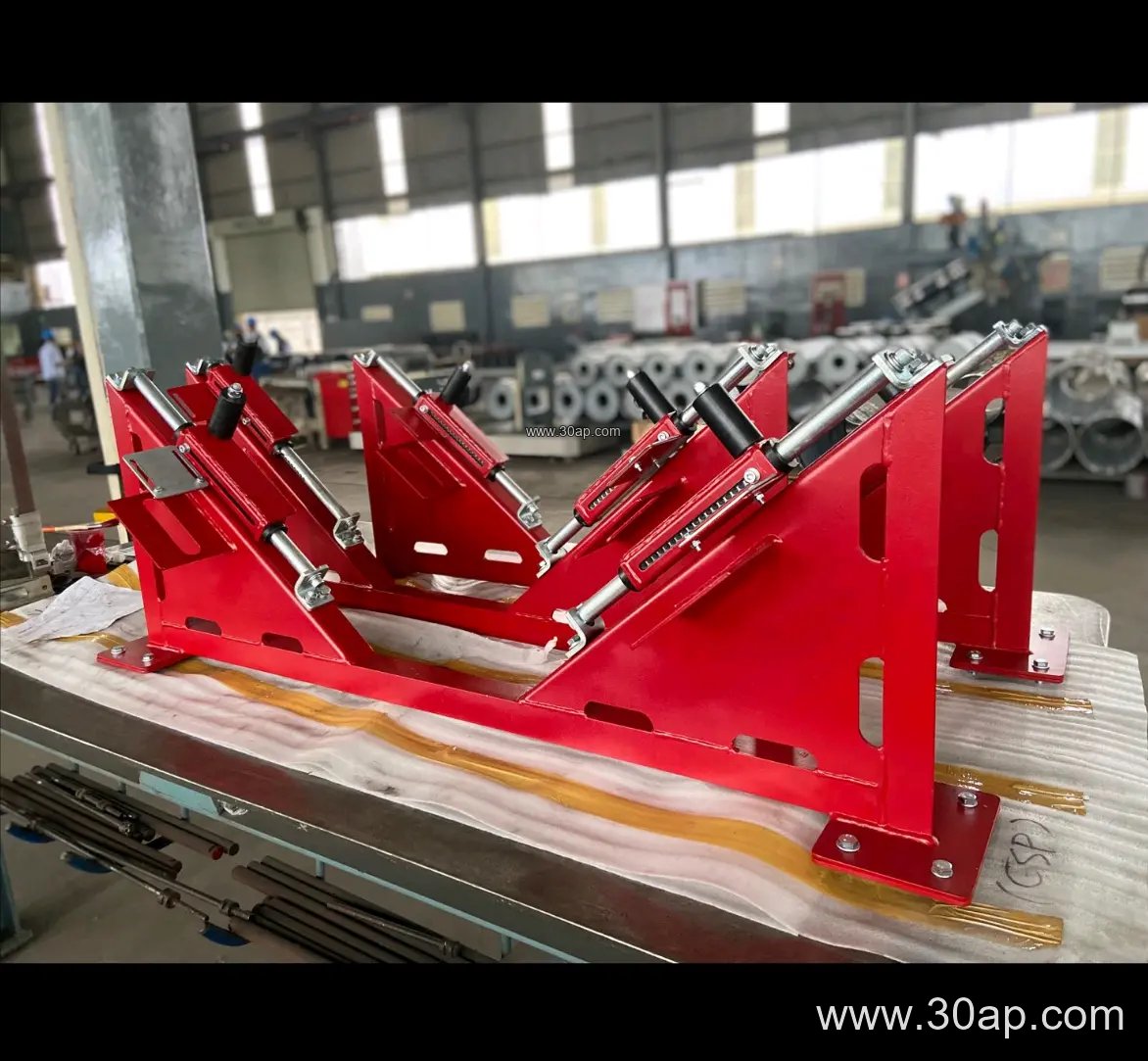
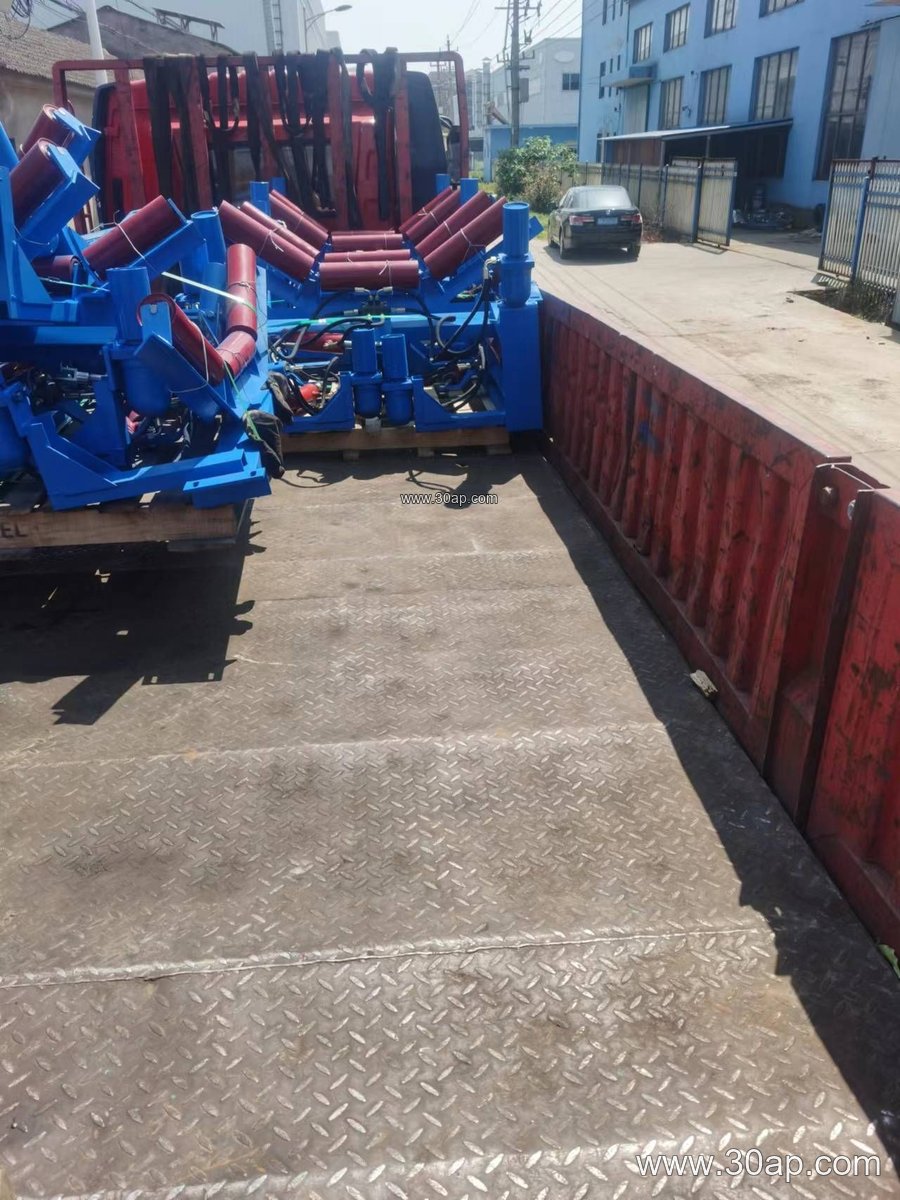
Different positions call for different bracket forms. The main types include:
- Troughing bracket (carry side, 20 to 45 degrees)
- Transition bracket (near pulleys, gradual angle change)
- Return bracket (flat or V-return)
- Impact bracket (under loading points, with buffer idlers)
- Self-aligning bracket (corrects belt drift)
- Adjustable bracket (angle can be set on site)
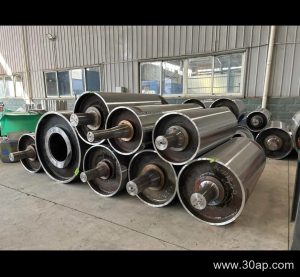
For a comparison only, a bend pulley redirects the belt path, while a troughing bracket supports the belt line. They are not interchangeable. Similarly, a drive pulley and a tail pulley serve different functions and should not be confused with the bracket that holds the idlers.
Where Mining Conveyor Brackets Are Used
In a limestone quarry, troughing brackets carry crushed rock on a 1200mm wide conveyor belt. At a coal preparation plant, flame retardant conveyor belts run on brackets with self-aligning frames to handle wet, sticky coal. In a copper ore concentrator, heavy-duty mining conveyor brackets support idler rollers under high-impact loading. The same bracket family appears in power plant coal yards and steel plant sinter lines. Each site sets its own requirements for trough angle, roller diameter, and bracket spacing.
Selection and Maintenance Notes
Buyers should match the bracket to the belt width, trough angle, and idler diameter specified by the conveyor designer. Common belt widths range from B500 to B2200, and trough angles of 20, 30, 35, and 45 degrees are typical. Roller diameters such as Ø89, Ø108, Ø133, Ø159, and Ø194 appear across these widths, but no single width is locked to one roller size. Adjustable brackets allow angle changes between these common values, and forward-tilt brackets usually sit around 1.5 to 2 degrees. During maintenance, check for bent crossbeams, loose bolts, and worn mounting slots. Replace brackets that no longer hold the idler square to the belt. Pairing the right bracket with a quality conveyor pulley and idler roller extends the service life of the entire conveyor.