What a Return Idler Bracket Does
A return idler bracket is the mounting component that holds the return-side idler rollers in place beneath a conveyor belt. While the upper carrying idlers support the loaded belt, the return idler bracket keeps the belt tracking smoothly on its way back to the tail pulley. In a cement plant or a sand and gravel line, this bracket often goes unnoticed until misalignment causes belt edge wear or material spillage. The bracket itself is a simple but critical part of the conveyor frame, and choosing the right one helps maintain belt tension and reduces downtime.
Construction and Common Materials
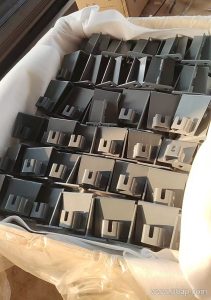
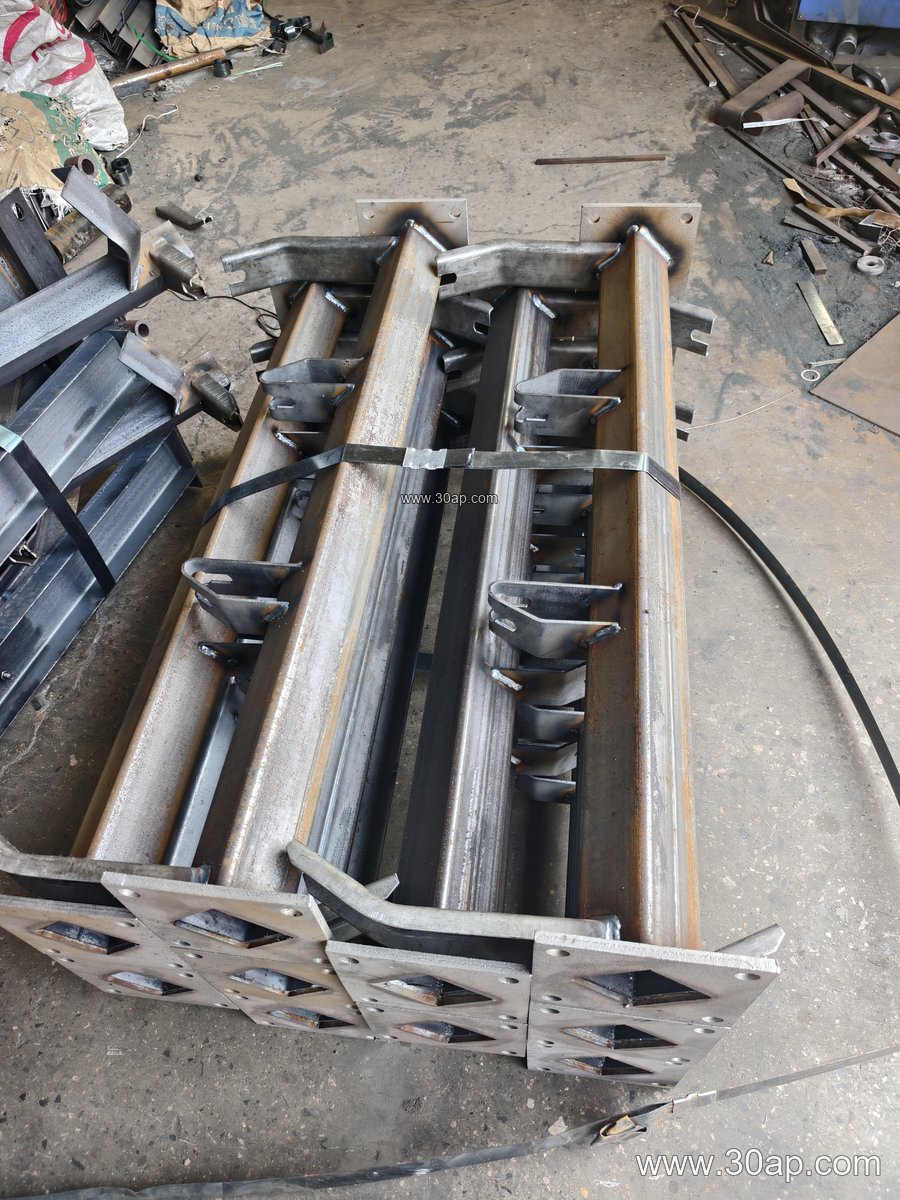
Most return idler brackets are fabricated from angle steel, channel steel, or folded steel plate. The design typically includes a base that bolts to the conveyor stringer and a cradle or slot that accepts the idler shaft. Common surface treatments include painting or galvanizing to resist dust and moisture. The bracket must be rigid enough to handle the weight of the return belt and any carried material, yet precise enough to keep the idler square to the belt path.
Types and Mounting Positions
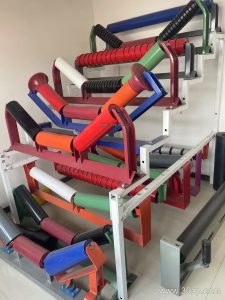
Return idler brackets come in several forms. The flat return bracket supports a single horizontal idler, while the V-return bracket holds two idlers at an angle to help center the belt. Adjustable brackets allow fine-tuning of idler position or angle during installation. In a coal mining conveyor or a power plant coal handling system, these brackets are often paired with training idlers to reduce belt wander. The bracket is not interchangeable with a troughing bracket or an impact bracket, each of which serves a different position on the conveyor.
Where Return Idler Brackets Are Used
These brackets appear in nearly every belt conveyor system. In a limestone quarry, they support the return run after the discharge point. In a fertilizer plant, corrosion-resistant brackets may be preferred. In a tunnel spoil removal line, compact brackets fit tight spaces. The bracket works together with the conveyor belt, idler roller, and conveyor pulley to form a complete loop. A worn or bent bracket can cause the return belt to rub against the frame, leading to premature damage to an EP conveyor belt or a steel cord conveyor belt.
Selection and Sizing Notes
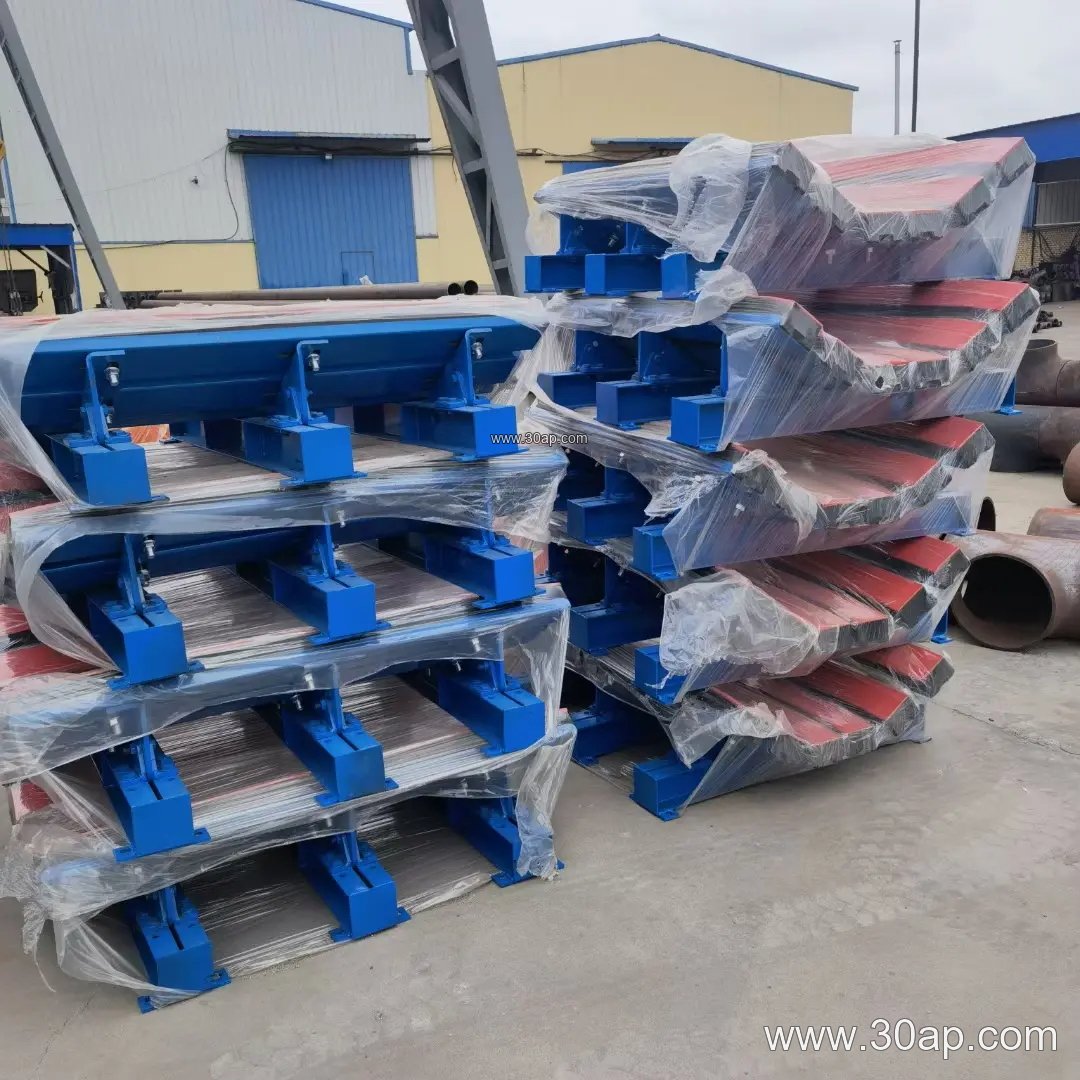
When specifying a return idler bracket, buyers should consider belt width, idler diameter, and the required mounting hole spacing. The table below shows common reference combinations; actual dimensions depend on the conveyor design and should be confirmed with the manufacturer.
| Belt Width (B) | Typical Return Idler Diameter | Bracket Style | Common Application |
|---|---|---|---|
| B500 | Ø89 | Flat return | Small aggregate conveyors |
| B650 | Ø89 or Ø108 | Flat or V-return | Sand and gravel lines |
| B800 | Ø108 | V-return | Cement plant clinker transport |
| B1000 | Ø108 or Ø133 | V-return or adjustable | Coal mining conveyor |
| B1200 | Ø133 | Adjustable | Iron ore handling |
| B1400 | Ø133 or Ø159 | V-return | Power plant coal feed |
| B1600 | Ø159 | Heavy-duty flat | Port ship loading |
| B1800 | Ø159 or Ø194 | Heavy-duty V-return | Large quarry operations |
Note that belt width does not dictate a single idler diameter or bracket type. A B1200 conveyor might use Ø133 idlers in one plant and Ø159 in another, depending on load and belt speed. Adjustable brackets are useful when the conveyor profile changes or when field alignment is difficult.
Installation and Maintenance Tips
Proper installation keeps the return idler bracket effective. Bolt the bracket securely to the stringer and check that the idler sits perpendicular to the belt centerline. For V-return brackets, ensure both idlers contact the belt evenly. Inspect brackets during routine belt maintenance; look for bent ears, elongated bolt holes, or corrosion. Replacing a damaged bracket early prevents wear on the conveyor belt and adjacent components. In dusty environments such as a coal preparation plant, clean accumulated material from the bracket area to avoid idler seizure.
Buyer Checklist
- Confirm belt width and return idler diameter before ordering.
- Choose flat, V-return, or adjustable style based on belt training needs.
- Verify mounting hole spacing and frame compatibility.
- Consider material and surface treatment for the site environment.
- Check that the bracket design allows easy idler replacement.
For assistance with return idler brackets and related conveyor components, contact us at return idler bracket or explore our conveyor belt and idler roller ranges.