What a Lower Self-Aligning Idler Does
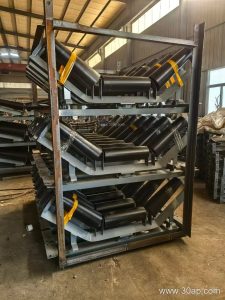
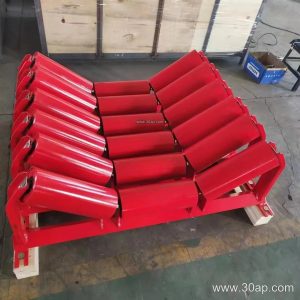
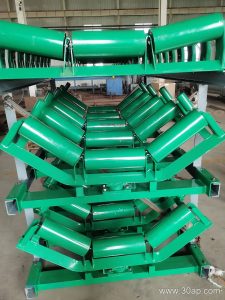
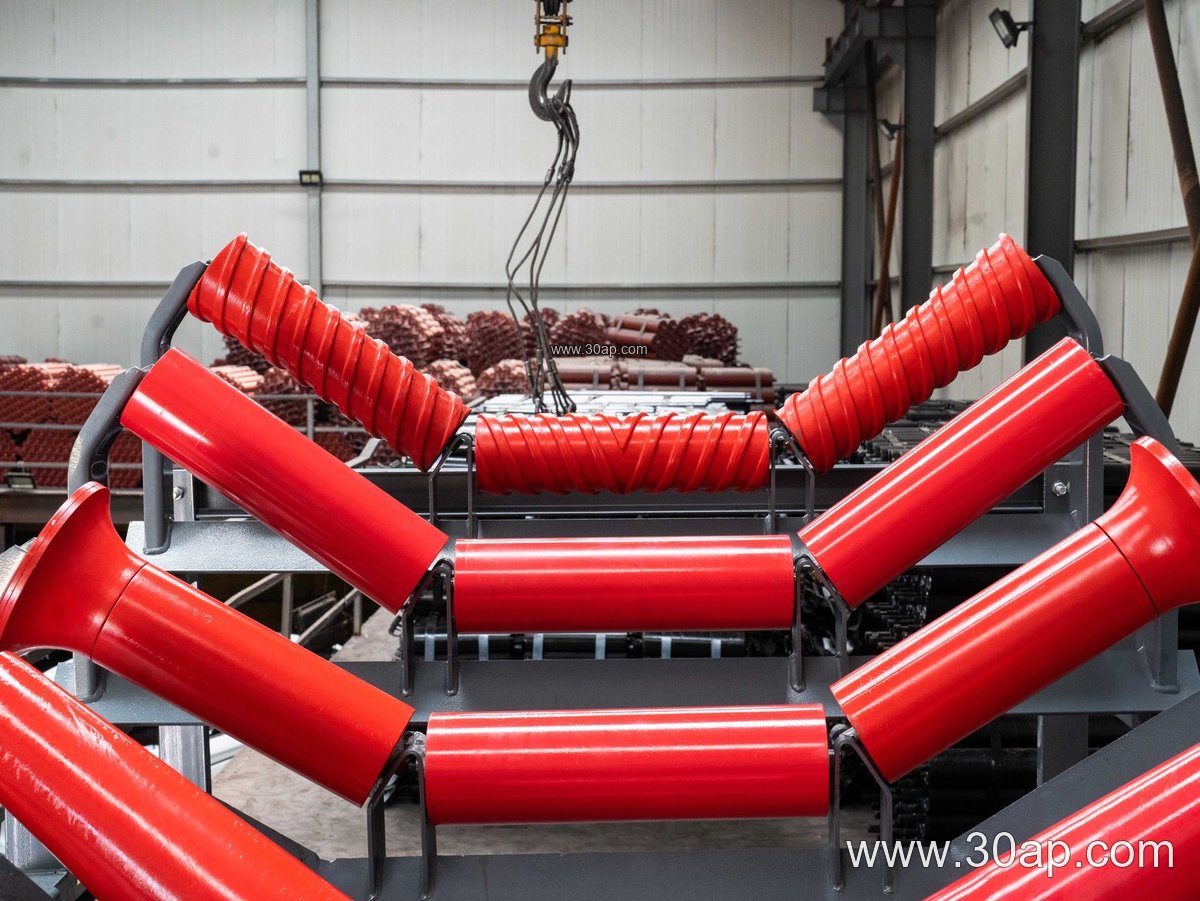
A lower self-aligning idler is a return-side roller assembly designed to keep the conveyor belt centered as it travels back to the tail pulley. Unlike a fixed flat return idler, this unit mounts on a pivot or swivel base and carries two or more rollers arranged in a shallow V or offset pattern. When the belt drifts sideways, the angled rollers generate a corrective force that nudges the belt back toward the center line. In a quarry, cement plant, or coal handling system, this self-correcting action reduces edge damage and spillage without constant manual adjustment.
Construction and Key Components
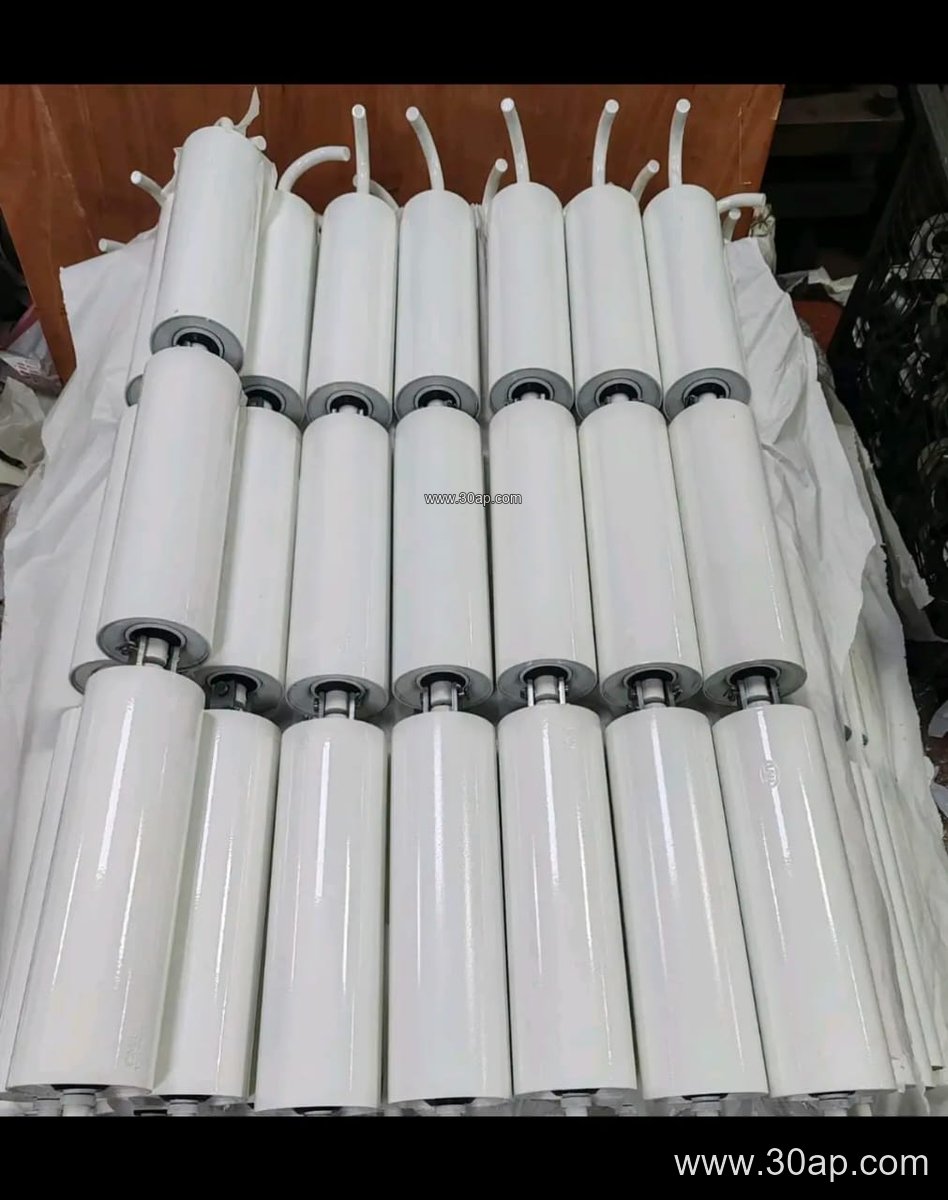
The assembly typically includes a sturdy frame, a central pivot shaft, and two or three idler rollers. The rollers may use steel tubes, nylon shells, or rubber discs depending on the duty. Bearings such as 6205, 6305, or 6308 are common, but the exact bearing is matched to the roller diameter and load, not to a single belt width. Seals are important in dusty environments like a limestone mine or a power plant coal yard, where fine particles can shorten bearing life. The pivot mechanism must move freely but without excessive play, so the self-aligning action stays responsive.
Common Roller Diameters and Belt Widths
Lower self-aligning idlers are available in roller diameters from about Ø63 mm to Ø219 mm. The table below shows typical combinations, but final selection depends on belt width, load, and conveyor design.
| Roller Diameter (mm) | Typical Belt Width Range |
|---|---|
| Ø63–Ø89 | B400–B800 |
| Ø102–Ø133 | B650–B1400 |
| Ø159–Ø194 | B1000–B2000 |
| Ø219 | B1800–B2400 |
These are common examples, not fixed rules. A B1000 conveyor might use Ø108 or Ø133 rollers depending on the belt tension and material load.
Where It Fits on the Conveyor
This idler sits on the return run, after the belt leaves the head pulley and before it reaches the tail pulley. It is often placed near the tail, where misalignment tends to start, or at intervals along long conveyors. In a sand and gravel line or a crushing circuit, a lower self-aligning idler helps prevent the belt from rubbing against the frame. It is not a substitute for a bend pulley or a tail pulley; those are different components with different functions. The self-aligning idler works together with conveyor brackets and the main frame to support and guide the belt.
Applications Across Industries
You will find lower self-aligning idlers in bulk material handling where belt tracking is critical. In a copper ore concentrator, a heavy-duty mining conveyor belt carries abrasive rock, and the return idler must resist wear while keeping the belt centered. In a cement plant, a heat resistant conveyor belt may run in high-temperature zones, so the idler bearings and seals need to handle heat as well as dust. At a port loading facility, a wide conveyor belt of 1800 mm or 2000 mm benefits from self-aligning return idlers to avoid edge damage during ship loading. Other industries include fertilizer plants, grain terminals, and tunnel spoil removal.
Selection and Maintenance Tips
Buyers should match the idler to the belt width, roller load, and environment. For a coal mining conveyor belt with flame retardant properties, choose idlers with suitable seals and corrosion protection. Check that the pivot moves freely and that the rollers rotate without noise. Regular inspection of the return side helps catch worn rollers before they damage the belt. Keep spare rollers and bearings on hand, especially in remote mines or quarries. Remember that a lower self-aligning idler is one part of the tracking system; proper belt tension and pulley alignment also matter.
For more information on conveyor components, visit our site at www.example.com/lower-self-aligning-idler or explore related pages on conveyor idler and conveyor pulley selections.