What a Guide Idler Does on a Conveying Line
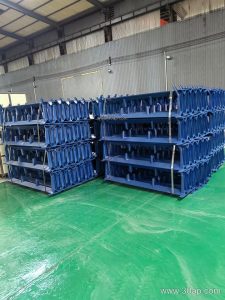
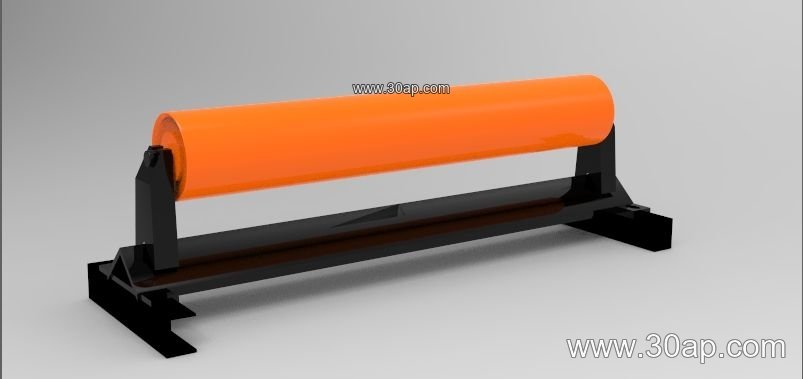
A guide idler is a small but decisive component in a belt conveyor system. Its job is to keep the conveyor belt tracking along the intended center line, especially on long runs, inclined sections, or curves where misalignment tends to develop. Instead of carrying the full material load like a standard carrying idler, the guide idler applies gentle lateral correction through its roller surface and mounting position, working together with the conveyor bracket and frame to prevent edge damage and spillage.
In a quarry or crusher conveyor line, a drifting belt can quickly wear the edge of an abrasion resistant conveyor belt and dump aggregate onto the ground. A well-placed guide idler reduces that risk without adding much complexity to the structure.
Construction and Common Forms
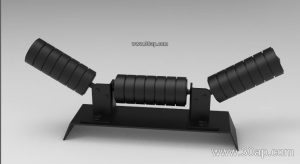
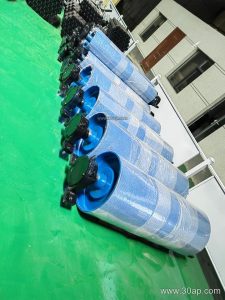
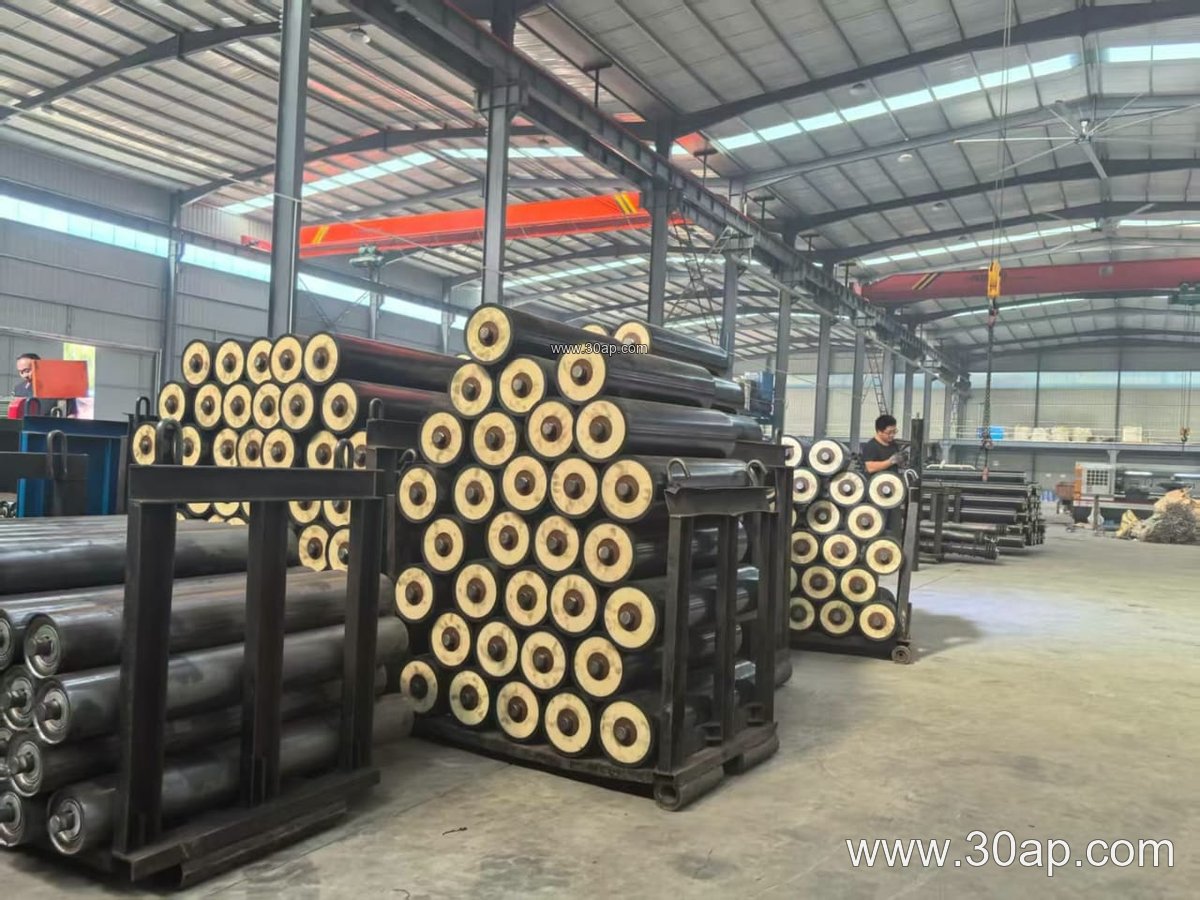
Most guide idlers share the basic anatomy of an idler roller: a steel tube shell, bearing housings, a shaft, and a sealing arrangement. What distinguishes them is the geometry and the way they contact the belt. Vertical guide rollers are often mounted at the belt edges, while angled or tapered designs apply a steering effect. Some designs use rubber-covered surfaces to improve grip without scuffing.
Typical reference values for idler rollers in this family include shell diameters such as Ø63, Ø76, Ø89, Ø102, Ø108, Ø127, and Ø133 mm, paired with bearings like 6204, 6205, 6305, or 6306. These are common examples, not fixed rules; the correct combination is determined by belt width, belt speed, and load. Roller length also varies with belt width and frame type. For instance, a three-roll troughing set on a B800 belt commonly uses rolls around 315 mm long, while a B1200 set often uses roughly 465 mm rolls. Side rolls and center rolls may differ, so the drawing should always be checked.
Where Guide Idlers Fit in the Conveyor
These idlers are usually installed on the carrying side near transition zones, loading points, and curves, and sometimes on the return side where belt wander is a concern. In a coal mining conveyor or a power plant coal handling system, they help keep a flame retardant conveyor belt centered as it leaves the head or tail area. In a cement plant, they protect a heat resistant conveyor belt on clinker lines where thermal expansion and uneven loading can push the belt sideways.
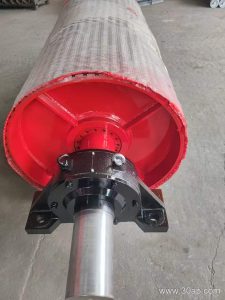
They should not be confused with the drive pulley, tail pulley, or bend pulley. Those are conveyor pulleys that transmit power or change belt direction, and they are not interchangeable with a guide idler. A guide idler is a tracking aid, not a drive component.
Selection Points Buyers Should Confirm
- Belt width and trough angle, since these set the mounting height and roller length.
- Roller diameter and bearing size, matched to belt speed and load rather than chosen from a single table.
- Surface form: plain steel, nylon, ceramic, or rubber ring, depending on whether grip or wear resistance matters more.
- Sealing quality, particularly in dusty aggregate or underground mining environments.
- Mounting interface with the conveyor bracket and frame, including adjustment range.
For a heavy-duty mining conveyor belt carrying iron ore or copper ore, a larger roller diameter and robust seal are usually preferable. For a lighter recycling or food grade conveyor belt line, a smaller, smoother roller may be sufficient.
Installation and Maintenance Notes
Guide idlers work best when the belt is already reasonably aligned. If a belt is badly off-center because of a skewed pulley or uneven loading, adding guide idlers alone will not solve the problem. Check pulley alignment, belt tension, and material distribution first. During routine inspections, look for seized bearings, worn rubber rings, and bent shafts. A guide idler that no longer rotates freely can scuff the belt cover and cause more harm than good.
Spare parts planning should include the shaft, bearing, and seal kit, not just the roller shell. Keeping a small stock of common sizes reduces downtime in continuous operations such as ship loading or sinter plants.
Matching the Idler to the Broader System
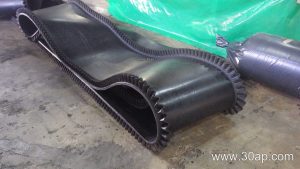
A guide idler is only one element of a complete conveyor. Its performance depends on the conveyor belt, the idler roller set, the conveyor pulley alignment, and the conveyor bracket condition. Buyers specifying a steel cord conveyor belt for a long overland run should discuss tracking with the idler supplier early, because belt stiffness affects how much correction a guide idler can deliver. Similarly, a pipe conveyor belt or corrugated sidewall conveyor belt may need different guiding arrangements than a flat EP conveyor belt.
In short, choose the guide idler by function and fit, not by habit. Confirm dimensions against the actual frame drawing, and treat catalogue sizes as reference data to be verified for each project.