What a Conveyor Support Bracket Does on the Line
A conveyor support bracket is the structural interface between the conveyor frame and the idler roller that carries the belt. It holds each roller at the correct height, spacing and trough angle so the conveyor belt keeps its shape under load. On a quarry conveyor belt or an aggregate conveyor belt, a bracket that is undersized or poorly aligned will show up quickly as belt wander, spilled material and uneven roller wear. The bracket itself is simple, but its position in the load path makes it one of the parts most worth specifying carefully.
How the Bracket Is Built
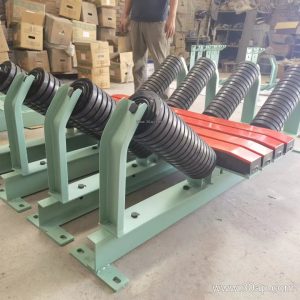
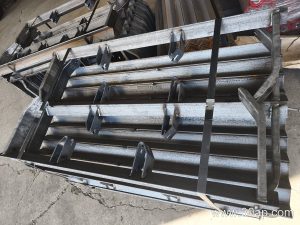
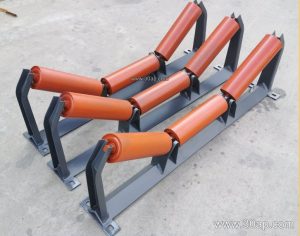
Most conveyor brackets are fabricated from angle steel, channel steel or folded steel plate, then drilled and, where needed, welded. The finish may be painted, galvanized or left as mill finish depending on the environment. A troughing bracket carries three idlers in a fixed or adjustable cradle; a return bracket supports the belt on the return run, often with a flat or V-shaped arrangement.
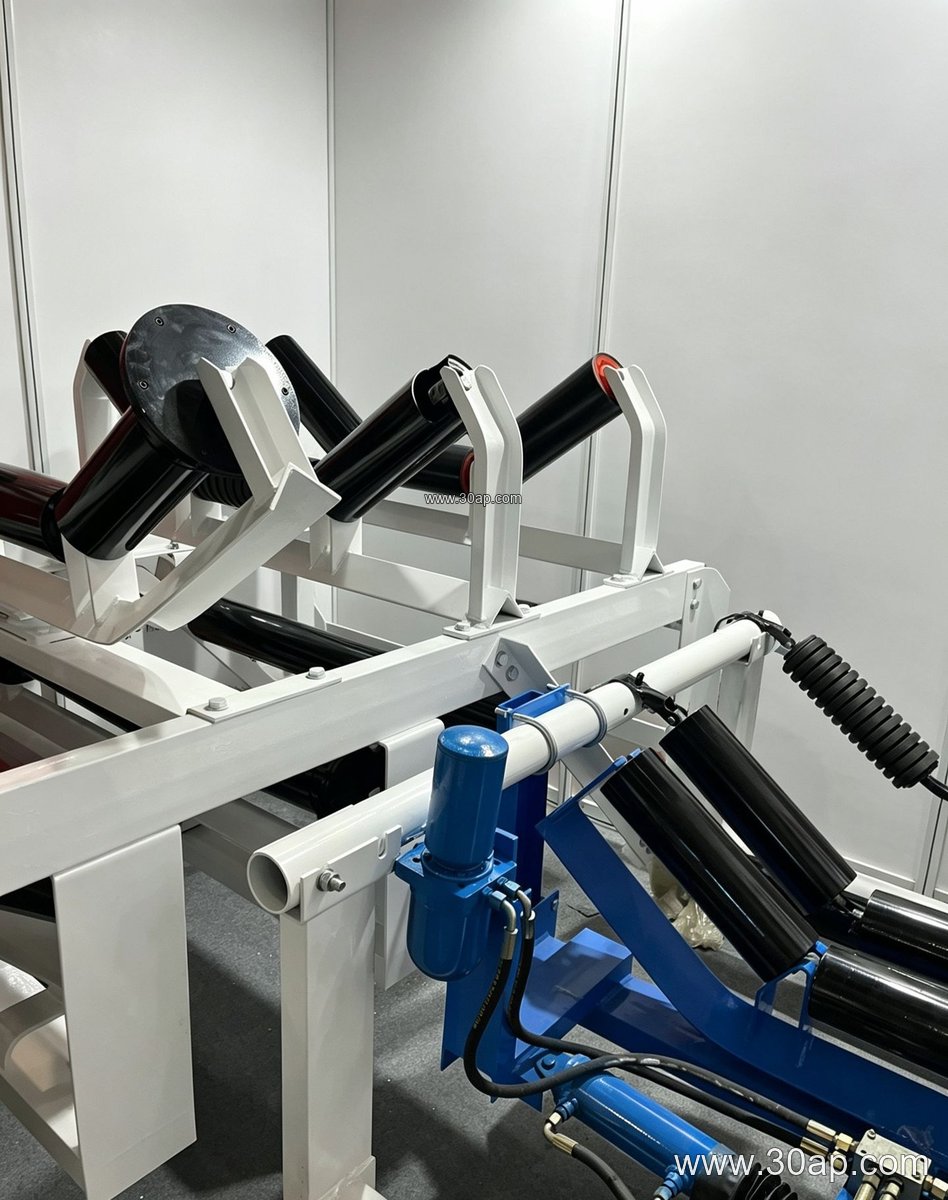
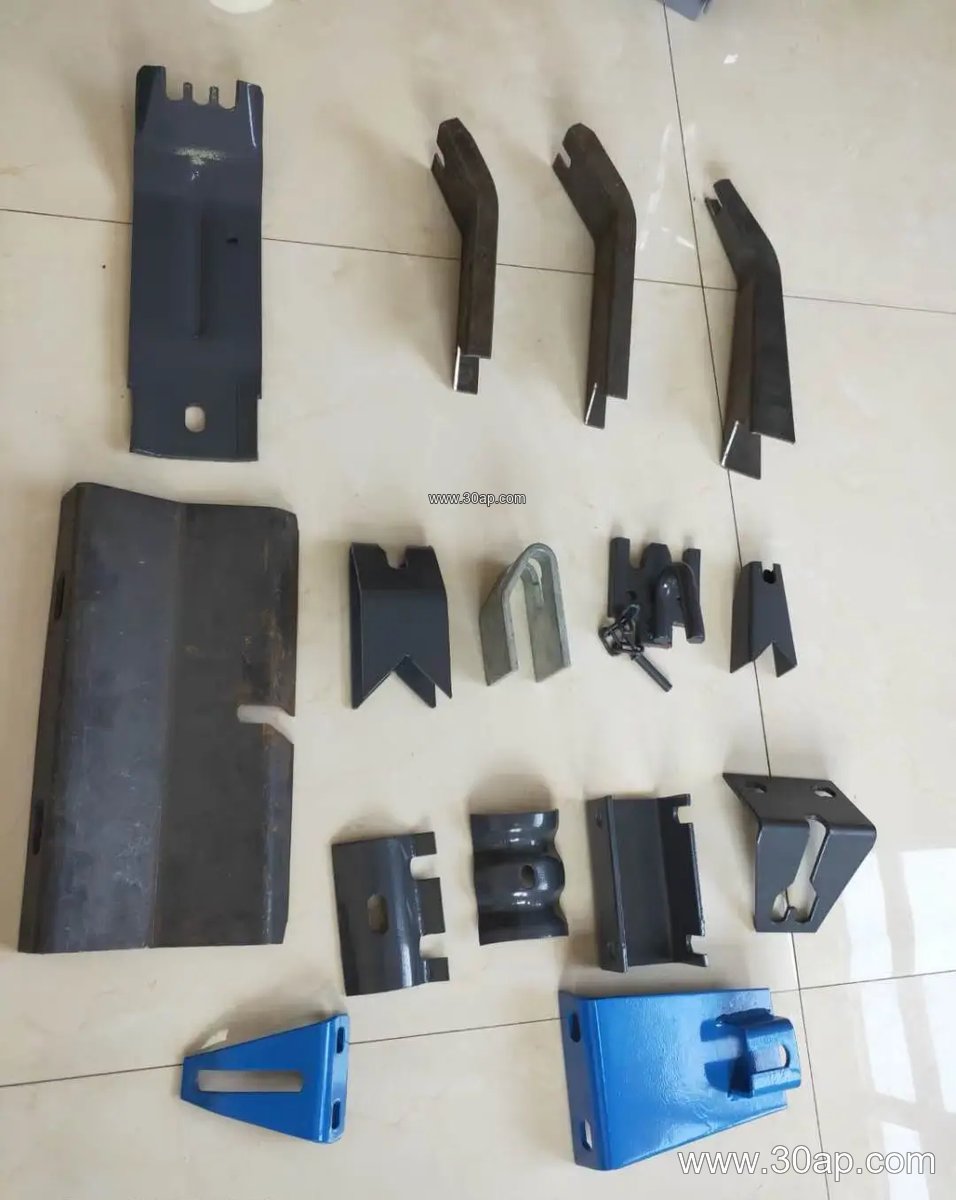
Key dimensions are tied to the belt width and the roller diameter rather than being universal. Common belt widths include B500, B650, B800, B1000, B1200 and B1400, and typical roller diameters include Ø89, Ø108, Ø133 and Ø159. Trough angles are usually 20, 30, 35 or 45 degrees. A bracket sized for B800, 35 degrees and Ø108 is a normal quarry combination, but it is not the only valid one; the same belt width can be run at a different trough angle or roller diameter depending on the duty.
Common Bracket Types and Where They Sit
- Troughing and upper brackets hold the carrying idlers that shape the belt into a trough.
- Transition brackets ease the belt from flat to troughed profile near pulleys.
- Return brackets and V-return brackets support the belt on its underside.
- Impact brackets sit under loading points and take the shock of falling material.
- Self-aligning and forward-leaning brackets help correct belt tracking.
- Adjustable brackets allow the trough angle to be changed on site.
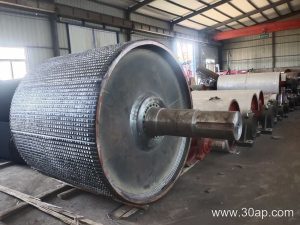
Fixed and adjustable designs are not interchangeable in every position. An adjustable bracket is useful where the belt profile may need tuning, while a fixed bracket is simpler and more rigid. Neither replaces the drive, tail or bend pulley, which perform separate functions in the conveyor drive system.
Where These Brackets Are Used
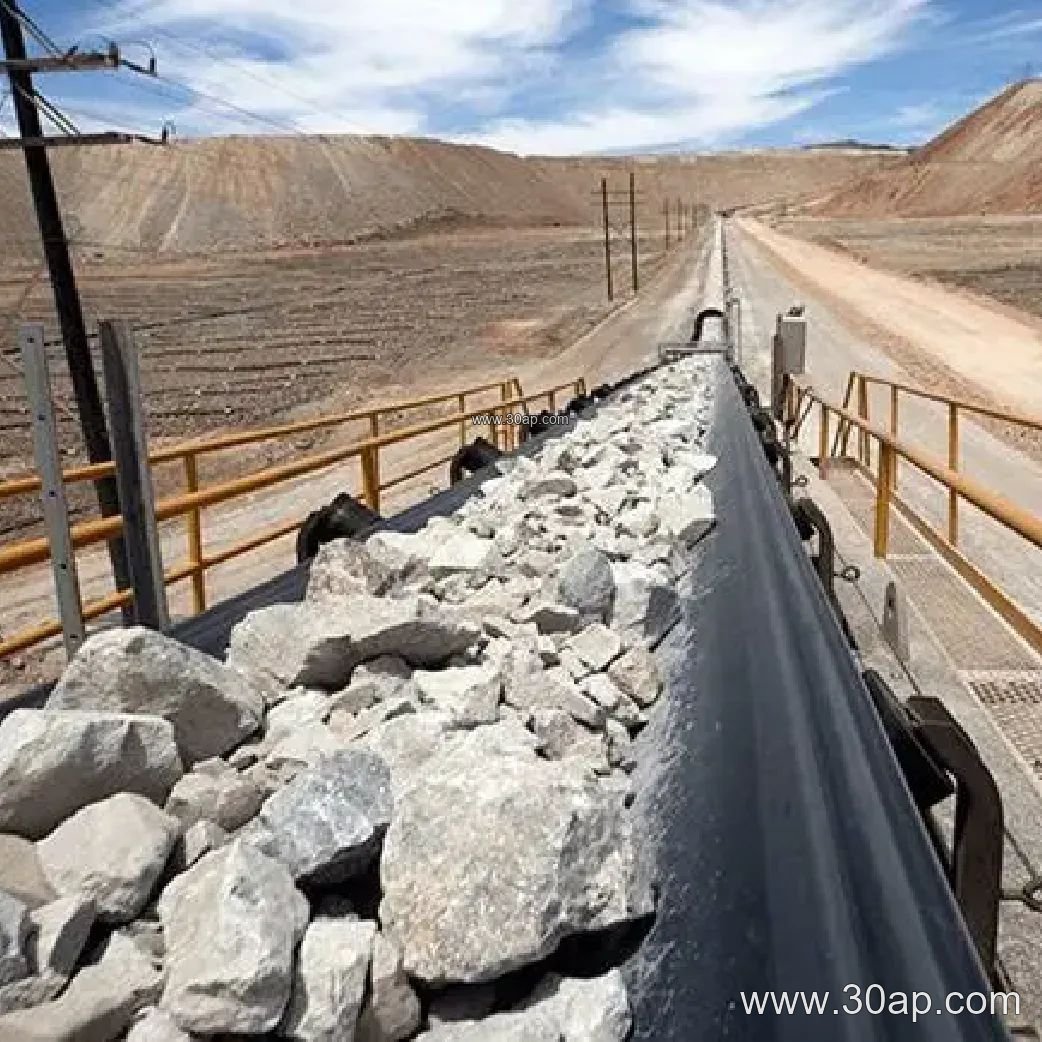
You will find conveyor support brackets in limestone mines feeding a crusher, in cement plant raw-material lines, in power plant coal handling, in port ship-loading systems and in sand and gravel plants. In a coal mining conveyor belt installation, flame retardant conveyor belt and anti-static conveyor belt grades are often specified, and the bracket spacing and roller diameter must suit the belt load and speed. In a steel plant, heat resistant conveyor belt may be used near sinter or hot material, and the brackets should be positioned to avoid trapping heat around the roller bearings.
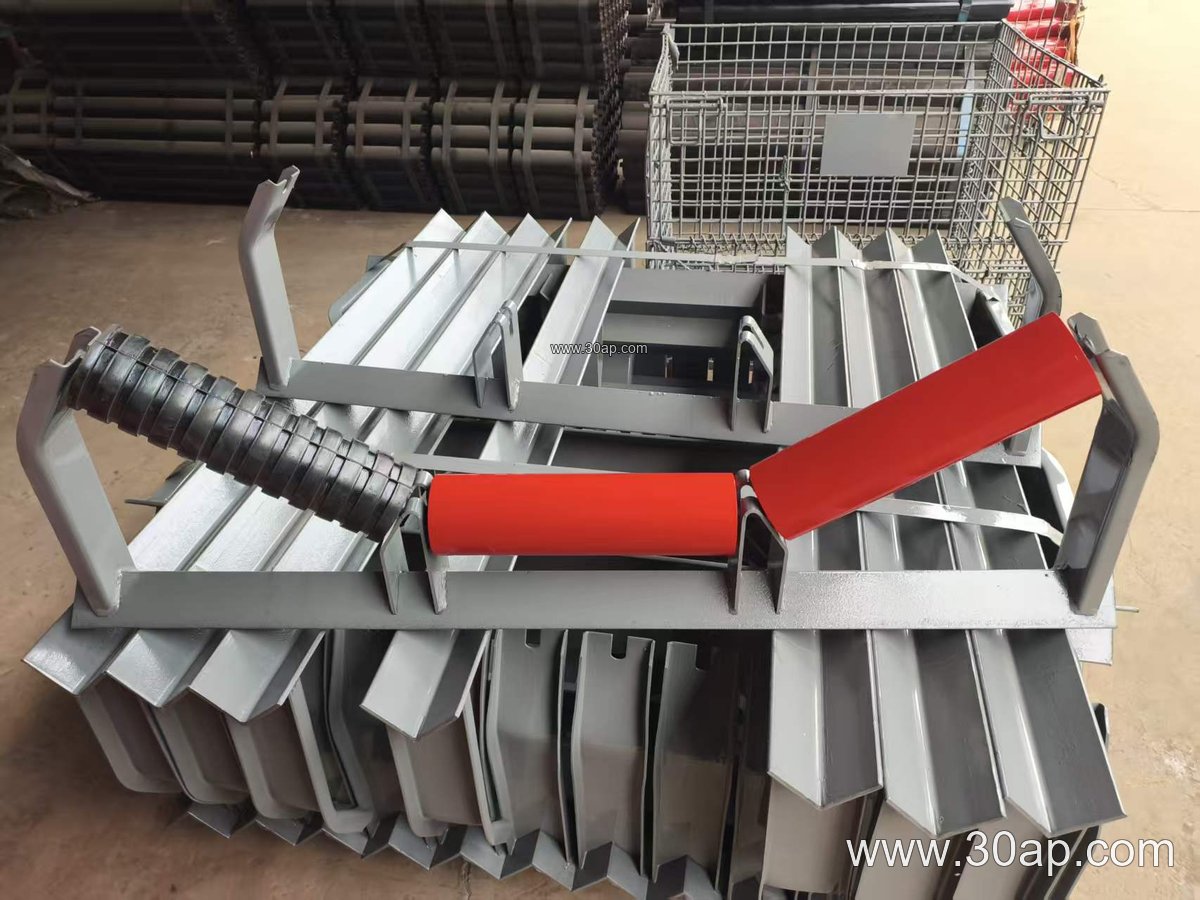
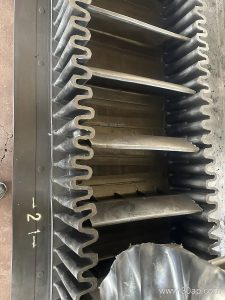
The same bracket family also appears on lines using EP conveyor belt, NN conveyor belt, steel cord conveyor belt or a multi-ply fabric core conveyor belt. Heavier belts with a steel cord conveyor belt or a high strength conveyor belt need brackets and idlers rated for the extra tension and weight. On a pipe conveyor belt or a corrugated sidewall conveyor belt, the bracket geometry follows the special idler arrangement rather than a standard trough.
What a Buyer Should Check Before Ordering
Start with the belt width, the trough angle and the roller diameter, then confirm the mounting hole spacing and crossbeam length, which vary with width and angle. Ask for the material and finish, since a galvanized conveyor bracket lasts longer in wet or corrosive service. For a crusher conveyor belt or a rock conveyor belt, check the impact bracket design under the loading chute. For a food grade conveyor belt line, confirm the bracket finish is suitable for washdown. Spare parts should match the existing frame; a bracket that is close but not exact will cause misalignment and premature idler roller failure.
For more on matching brackets with rollers and belts, see conveyor bracket guidance, or review idler roller and conveyor pulley options to keep the whole line consistent.