What Conveyor Bracket Procurement Covers
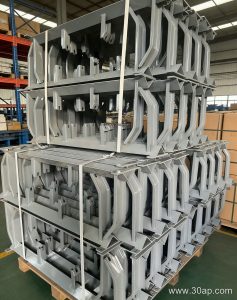
Conveyor bracket procurement is the process of sourcing the structural supports that hold idler rollers in place along a belt conveyor. These brackets, often called conveyor support brackets or idler frames, are not a single universal part. They include troughing brackets for the carrying side, return brackets for the lower run, impact brackets at load points, and self-aligning brackets for belt tracking. Each subtype has a distinct role, and a buyer should specify the exact bracket type rather than treating all supports as interchangeable.
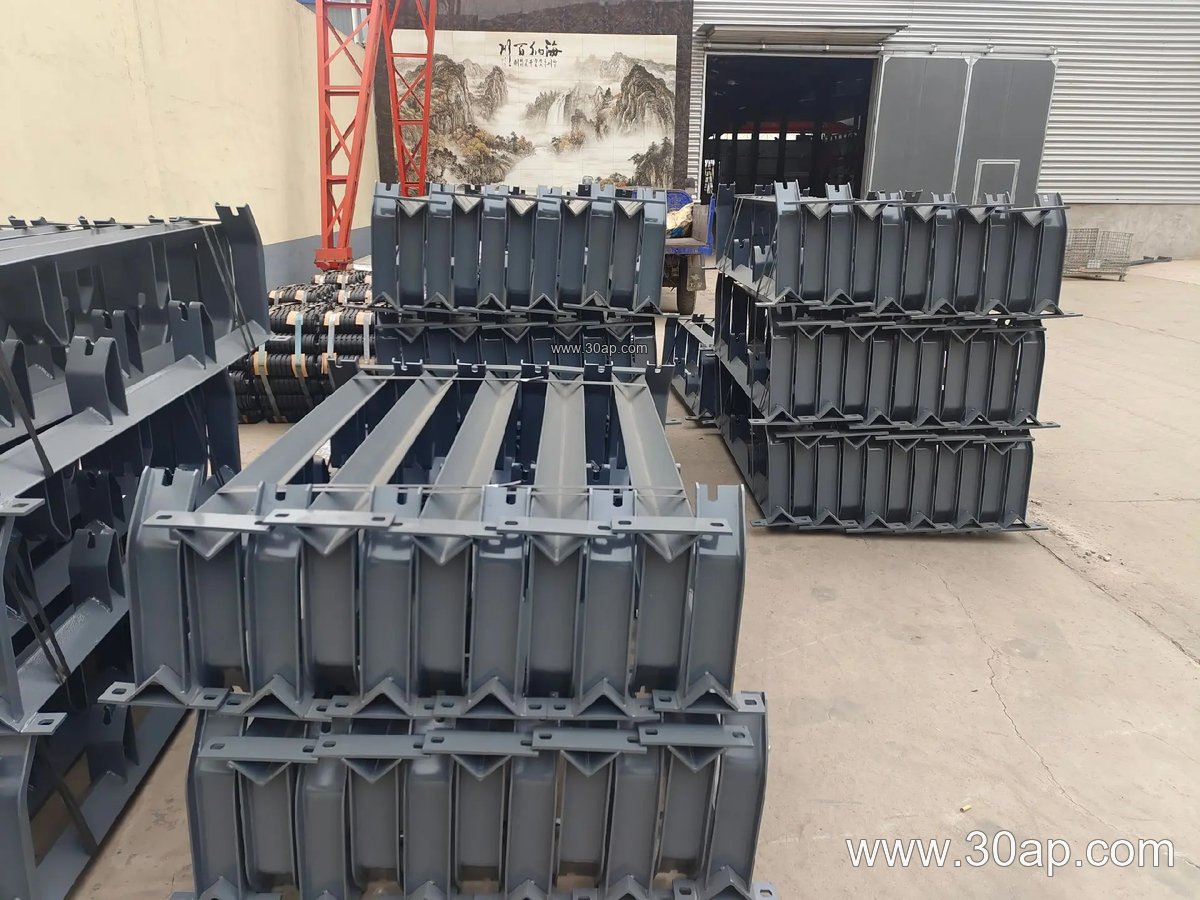
The bracket is typically fabricated from angle steel, channel steel, or folded steel plate. Its geometry determines the trough angle, the roller spacing, and the mounting hole pattern. Because these dimensions vary with belt width and design requirements, procurement should be based on the conveyor’s actual layout rather than on a generic catalog number.
How the Bracket Works with Rollers and Belt
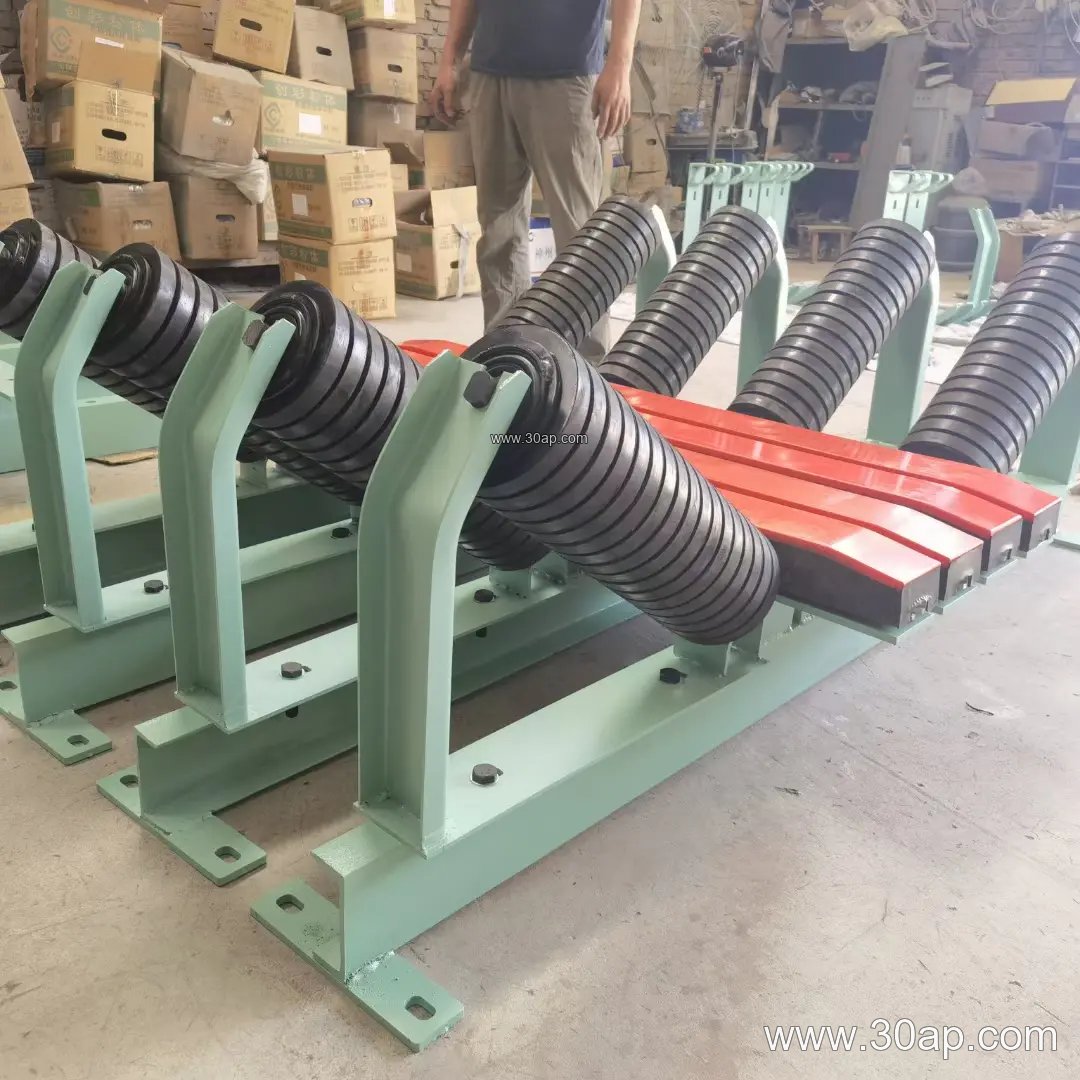
A conveyor bracket does not function alone. It positions the idler roller so that the conveyor belt forms the correct profile. On the carrying side, a troughing bracket sets the trough angle, commonly 20, 30, 35, or 45 degrees. On the return side, a flat or V-return bracket supports the belt’s lower run. At transfer points, impact brackets with rubber or spring cushions absorb the force of falling material.
For example, a B800 conveyor with a 35-degree trough angle might use Ø108 idler rollers, while a B1200 conveyor with a 45-degree angle could use Ø133 rollers. These are common combinations, not fixed rules. The bracket’s crossbeam length and hole spacing are determined by the belt width, trough angle, and roller diameter together. A buyer should confirm these details with the conveyor designer before ordering.
Where Conveyor Brackets Are Used
These supports appear wherever bulk materials move on a belt. In a quarry or sand and gravel line, troughing brackets carry abrasive rock and aggregate. In a coal preparation plant or power plant coal yard, flame retardant and anti-static belts run on brackets that must resist dust and occasional misalignment. Cement plants use them on clinker and raw meal lines, while steel plants and sintering operations rely on heavy-duty brackets for high-temperature or impact-prone zones.
Port terminals and ship loading conveyors use wide belts, sometimes 1800 mm or 2000 mm, where bracket alignment is critical for belt tracking. In fertilizer and grain silo applications, corrosion resistance and smooth roller rotation matter more than extreme impact strength. The bracket type should match the duty, not simply the belt width.
Key Procurement Considerations
Before requesting quotes, gather the following information for each conveyor section:
- Bracket subtype: troughing, return, impact, self-aligning, or transition.
- Belt width, such as B650, B1000, or B1400.
- Trough angle, if applicable, and whether adjustment is needed.
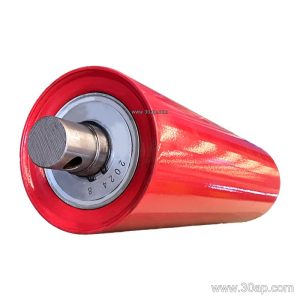
- Idler roller diameter, such as Ø89, Ø108, Ø133, or Ø159.
- Material and finish: painted steel, galvanized, or other specified coating.
- Mounting dimensions: hole spacing and crossbeam length as per design.
Adjustable brackets allow the trough angle to be changed on site, which can be useful during commissioning. Fixed brackets are simpler and often more rigid. Neither is universally better; the choice depends on whether the conveyor profile is final or may need fine-tuning.
Matching Brackets to the Full Conveyor System
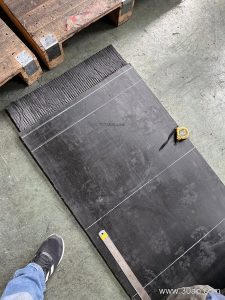
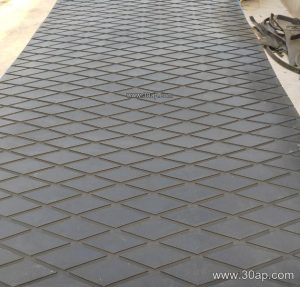
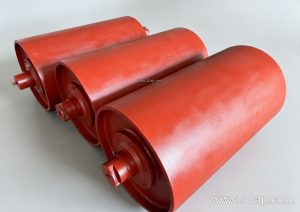
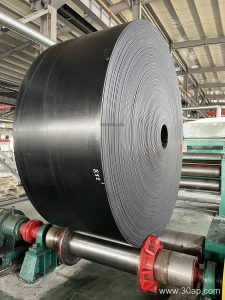
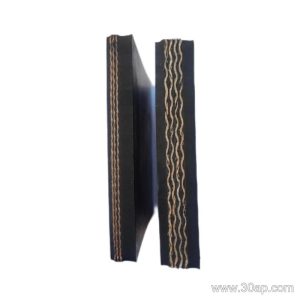
Conveyor bracket procurement should be coordinated with the selection of the conveyor belt and idler roller. A heavy-duty mining conveyor belt, such as a steel cord or high-abrasion EP belt, may require closer roller spacing and stronger brackets than a lightweight package handling belt. Similarly, a pipe conveyor belt or corrugated sidewall belt has different support needs and may not use standard troughing brackets at all.
For flame retardant or heat resistant belts, the brackets should not interfere with belt clearance or create hot spots. In underground coal mining, brackets must fit within restricted spaces and align with the conveyor’s overall structure. Buyers should avoid mixing bracket types from different suppliers unless the mounting dimensions are verified to match.
Inspection and Documentation
During procurement, request dimensional drawings for each bracket type and confirm the material grade. Check that the bracket’s roller mounting slots or holes suit the chosen idler roller shaft. For self-aligning brackets, verify the pivot range and the return mechanism. A practical approach is to order a small batch for trial installation before committing to the full quantity.
Finally, keep records of the bracket type, belt width, trough angle, and roller diameter for each conveyor. This simplifies future replacement and helps maintain consistent belt support across the plant.