What a Hot-Dip Galvanized Idler Is
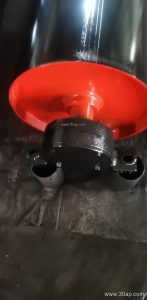
A hot-dip galvanized idler is a belt conveyor roller whose steel body and end fittings have been immersed in molten zinc after fabrication. The result is a metallurgical zinc-iron coating that covers the tube, the bearing housing area and the shaft ends, rather than a thin paint film that can chip away at the first impact. In practice, the idler roller is the small rotating component that supports the conveyor belt along its carrying and return runs, and galvanizing is the corrosion barrier that keeps that component serviceable in wet, salty or acidic surroundings.
Buyers often meet the same product under the equivalent name hot-dip galvanized roller, and the two terms describe one item. Galvanizing does not change the roller’s function; it changes how long the steel survives before rust becomes a maintenance problem.
How the Coating and the Roller Work Together
The galvanizing step usually happens after the tube is cut, the bearing seats are machined and the end caps are prepared. Zinc applied to a finished assembly protects edges, weld zones and the inner face of the end disc, which are exactly the places where paint fails first. Because the zinc reacts with the base steel, the coating stays attached when the roller flexes under load.
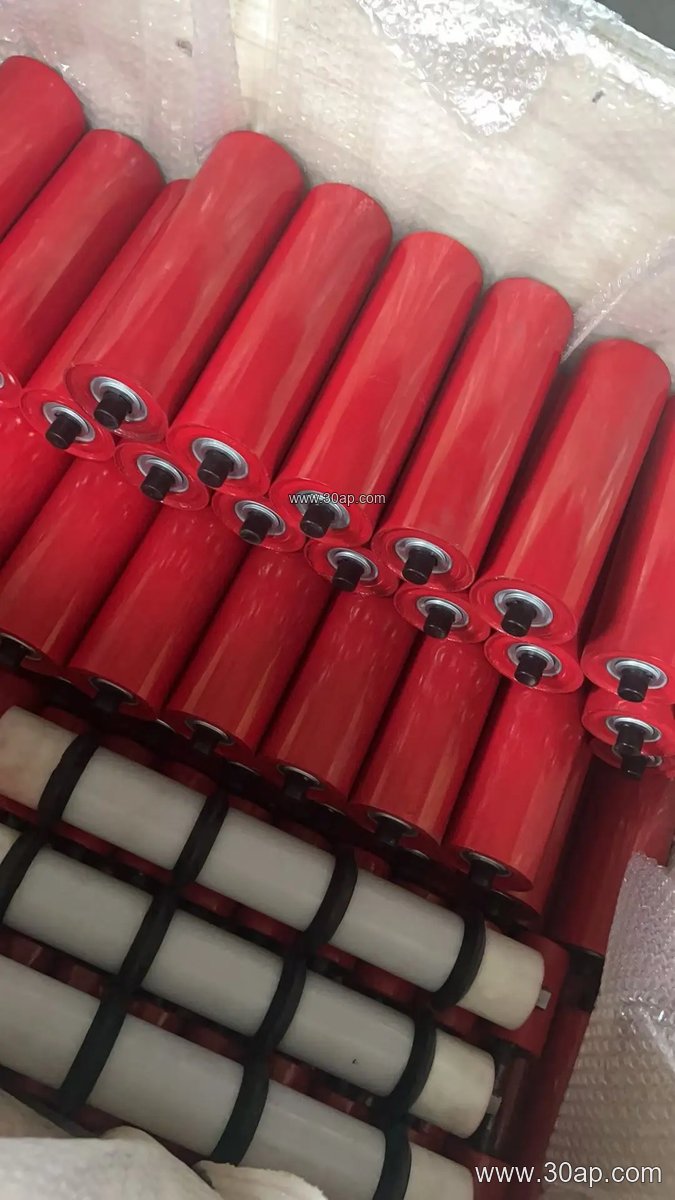
Inside, the idler still depends on ordinary mechanical quality: a smooth tube, a well-seated bearing, effective sealing and balanced rotation. Common bearing sizes include 6204, 6205, 6305, 6306, 6308 and 6310, and the correct bearing is matched to the load and speed of the application rather than fixed by the roller diameter alone.
Where Galvanized Rollers Earn Their Place
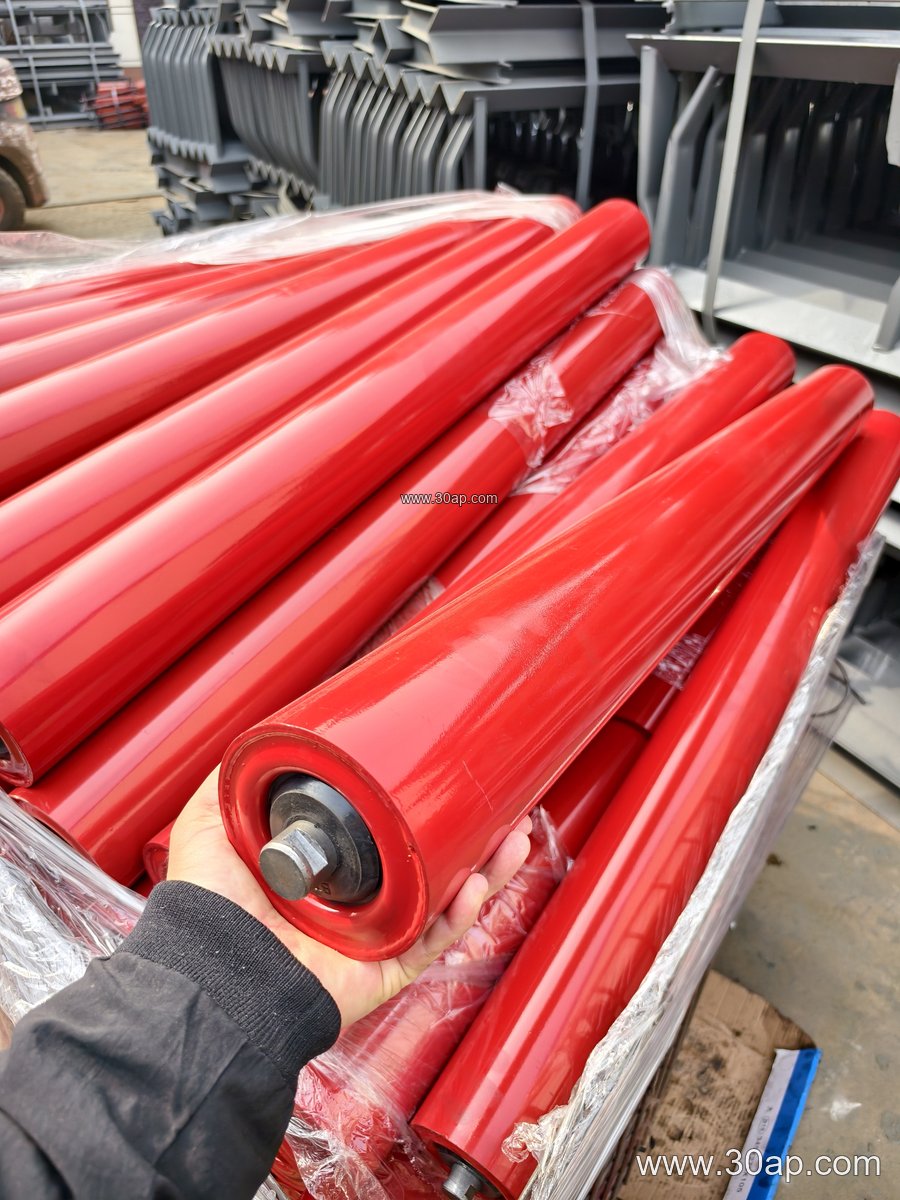
Corrosion drives the choice. A quarry conveyor handling wet aggregate, a limestone mine working in humid conditions, a port belt exposed to salt air or a coal preparation plant with wash water all put moisture and aggressive ions against steel every shift. In those settings a galvanized idler reduces re-greasing pressure and replacement frequency compared with an untreated roller.
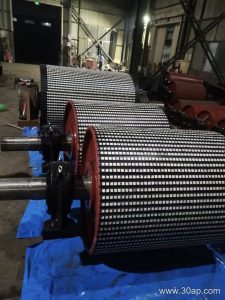
The main subject here is the carrying and return idler, not the drive or tail pulley. Drive pulleys, tail pulleys and bend pulleys transmit or redirect belt tension and are not interchangeable with idlers, so a galvanized roller is never a substitute for a conveyor pulley at the head or tail of the machine. Where a belt line needs both, each component is selected for its own duty.
Typical Forms and Reference Dimensions
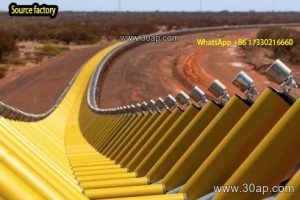
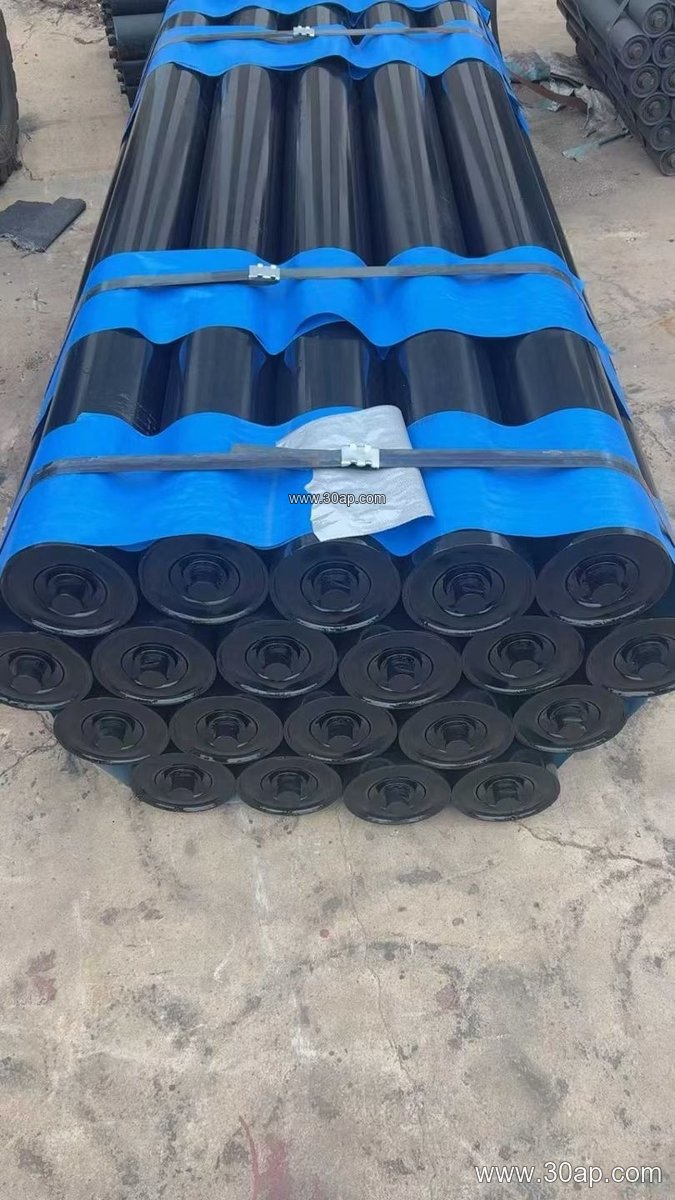
Galvanized idlers are produced in the usual troughing and return arrangements, including single-roll, two-roll and three-roll troughing sets, plus transition, impact, spiral and self-aligning versions. Trough angles commonly run at 20, 30, 35 or 45 degrees. The tables below are reference ranges for orientation, not fixed supply combinations.
Roller diameter and common belt width
- Roller diameter: 63, 76, 89, 102, 108, 127, 133, 159, 178, 194 and 219 mm
- Belt width: B400, B500, B650, B800, B1000, B1200, B1400, B1600, B1800, B2000, B2200 and B2400
- Troughing angle: 20, 30, 35 and 45 degrees
- Roller surface: steel tube, nylon, ceramic or rubber ring
Indicative roller length for three-roll troughing sets
| Belt width | Approximate roller length |
|---|---|
| B500 | 200 mm |
| B650 | 250 mm |
| B800 | 315 mm |
| B1000 | 380 mm |
| B1200 | 465 mm |
| B1400 | 530 mm |
| B1600 | 600 mm |
| B1800 | 670 mm |
| B2000 | 750 mm |
Side rollers and centre rollers can differ in length, and the figures above are common examples only. A belt width does not lock the line to one roller diameter, and shaft size is determined by the load calculation, not by belt width alone. On a crusher conveyor or a heavy-duty mining conveyor belt line, larger diameters and thicker tubes are often chosen for impact and abrasion, while a lighter aggregate conveyor belt may use smaller rollers.
Matching the Idler to the Belt and the Job
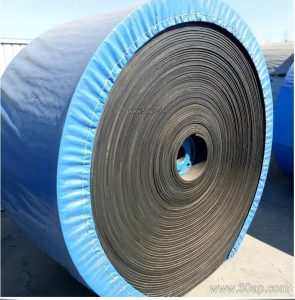
The belt itself shapes the choice. A rubber conveyor belt with high abrasion resistance running at a quarry face may need impact rollers at the loading point, while an EP conveyor belt or a multi-ply fabric core belt on a long cement plant run benefits from low rolling resistance and good alignment. In coal mining, a flame retardant conveyor belt is paired with rollers that will not create frictional hot spots, and the same logic applies underground where fire resistant conveyor belt grades are specified.
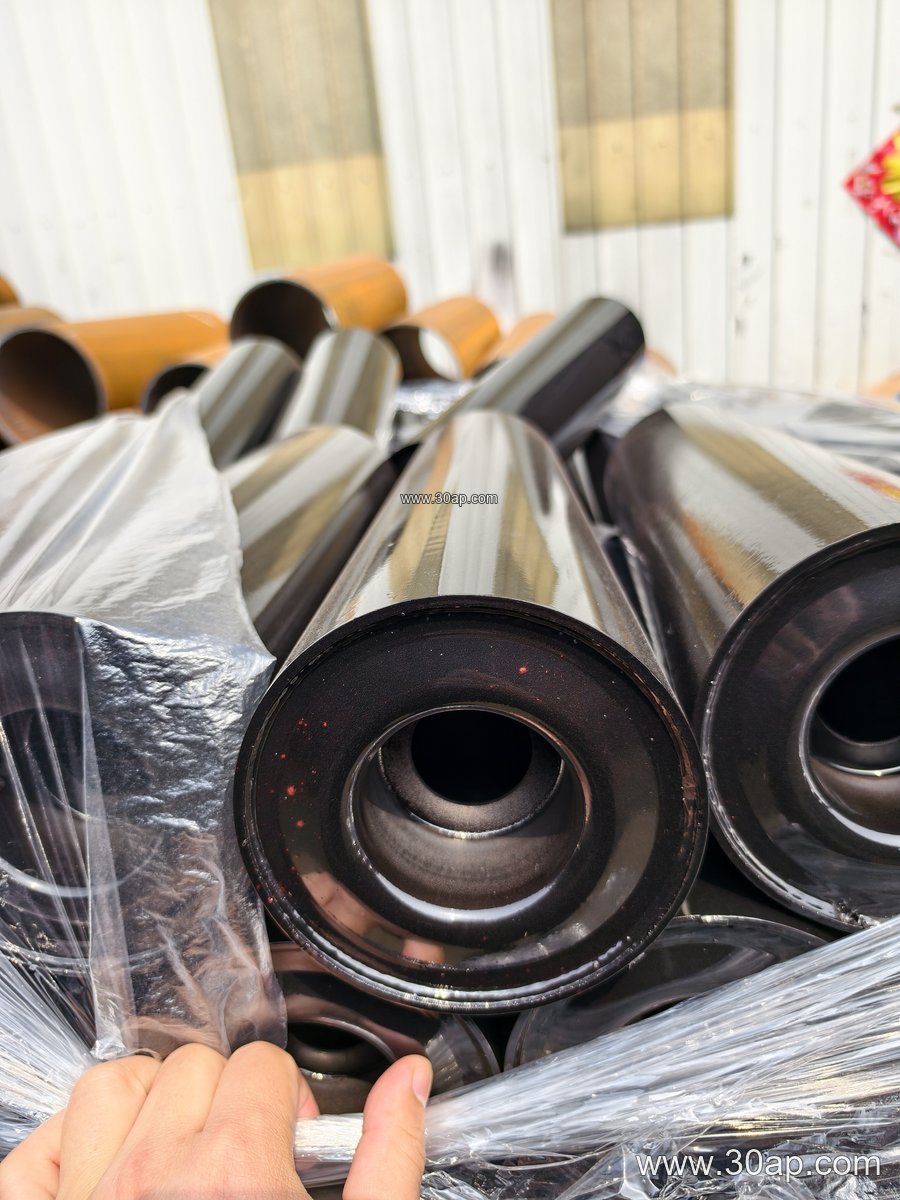
Environment matters as much as load. A heat resistant conveyor belt in a sinter or power plant area calls for bearings and seals that tolerate elevated temperature, while a cold resistant conveyor belt at a northern site demands grease that stays soft. A hot-dip galvanized idler is most valuable in the wet, corrosive middle ground: wash plants, ports, fertilizer handling and coastal stockyards.
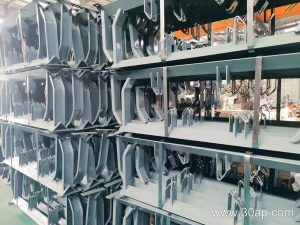
Frame condition deserves attention too. A rusted conveyor bracket can misalign a good roller, so galvanized or well-protected brackets keep the whole station square. When a conveyor pulley at the discharge end throws fines and water back along the return run, galvanized return rollers resist the resulting slurry far better than bare steel.
What to Check Before Ordering
Confirm the belt width and trough angle, the roller diameter and length, the bearing size, the sealing arrangement and the coating thickness class. Ask how the shaft ends and end caps are protected, since these small features often decide service life. Request the roller’s rotation check and runout tolerance, and specify whether the line needs impact, spiral or self-aligning variants. For reference on compatible belts and components, see beltconveyoridler.com and conveyor idler pages.
Finally, plan the maintenance routine. Galvanizing extends life but does not remove the need to inspect for seized bearings, damaged seals and bent tubes. A roller that stops turning will wear a flat spot into the belt cover and can damage a conveyor pulley downstream, so periodic rotation checks are cheaper than emergency stops.