Understanding Fire Resistant Conveyor Belt
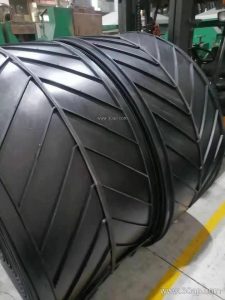
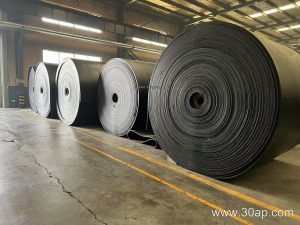
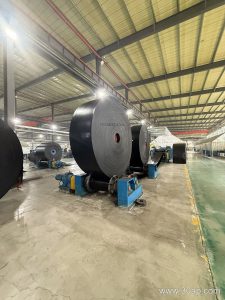
A fire resistant conveyor belt is a specialized conveyor belt designed to resist ignition and limit flame spread, making it suitable for environments where fire risk is a concern. Also known as a flame retardant conveyor belt, this product is essential in industries such as coal mining, power plants, cement works, and any facility handling combustible bulk materials. Unlike standard rubber belts, these belts incorporate additives and cover compounds that inhibit combustion, providing an extra layer of safety without compromising conveying performance.
Construction and Key Components
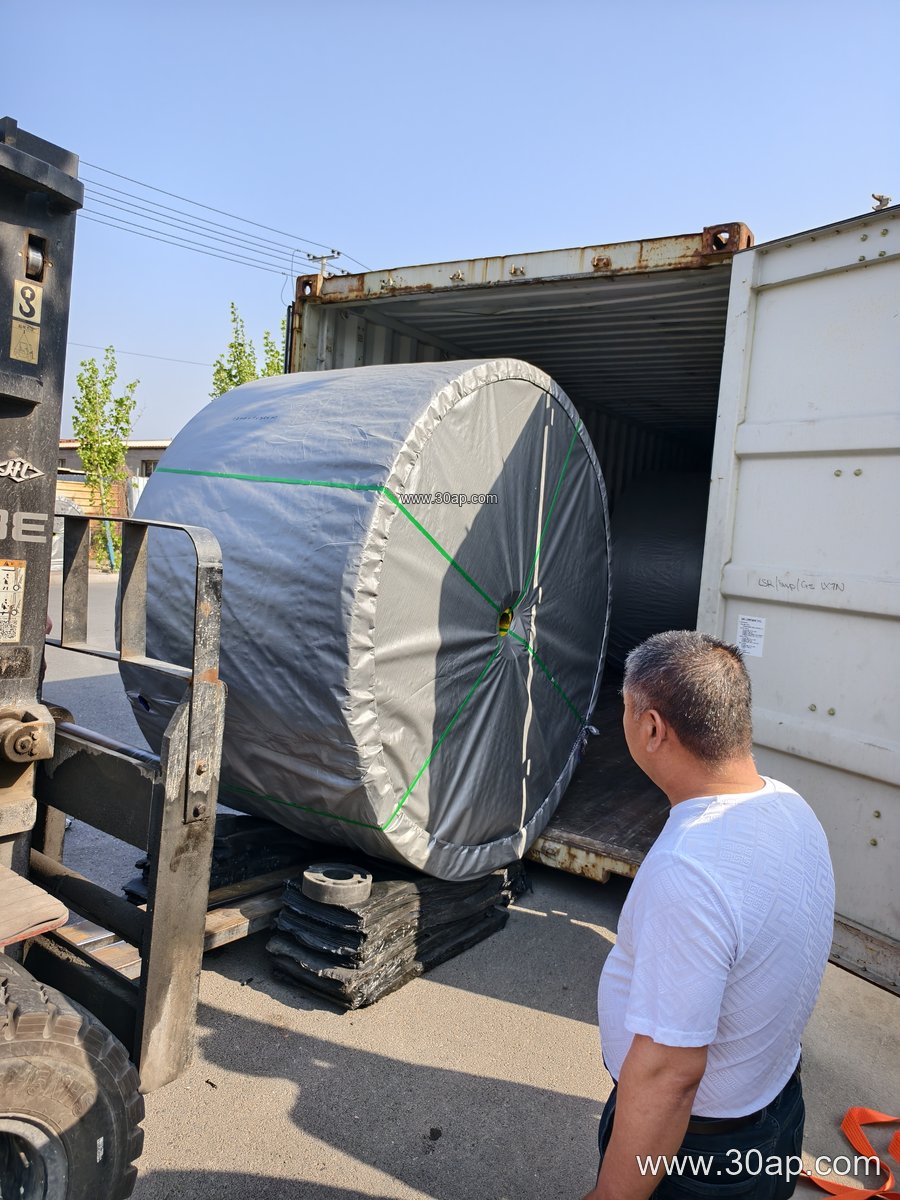
The construction of a fire resistant conveyor belt typically involves a fabric core or steel cord carcass, covered with rubber layers that include flame-retardant chemicals. Common carcass types include EP (polyester-nylon) and NN (nylon-nylon) fabrics, available in multi-ply configurations. The cover rubber grades often meet specific flame resistance standards, with thicknesses such as 4+2 mm or 6+2 mm for heavy-duty applications. The belt may also feature anti-static properties to prevent sparks. In underground coal mining, PVC or PVG belts are sometimes used, but the fire resistant conveyor belt remains distinct in its formulation to resist both flame and heat.
Common Specifications
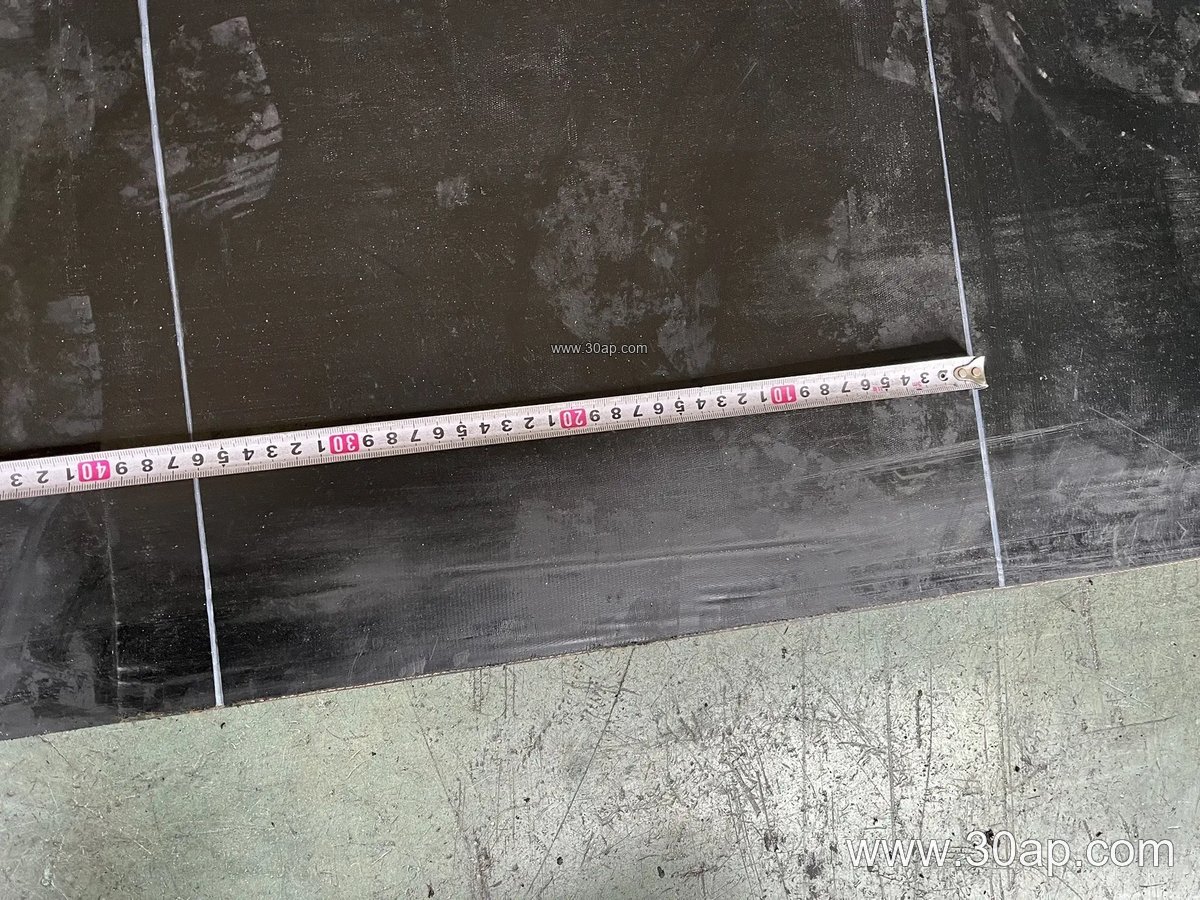
While specifications vary by manufacturer and application, the following table outlines typical parameters for reference:
| Parameter | Common Range |
|---|---|
| Belt width | B500 to B2000 mm |
| Tensile strength (EP) | EP200 to EP2000 |
| Cover thickness | 3+1.5 mm to 8+3 mm |
| Number of plies | 2 to 6 |
These values are indicative and should be confirmed with the supplier based on the specific conveyor design and load requirements.
Where Fire Resistant Conveyor Belts Are Used
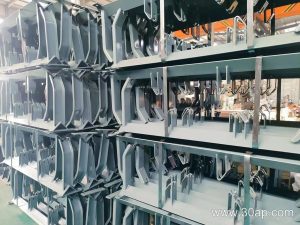
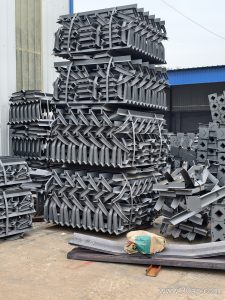
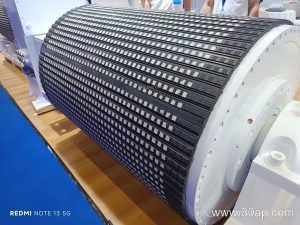
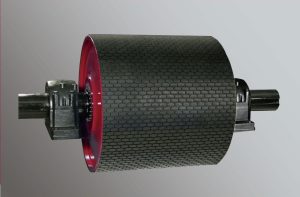
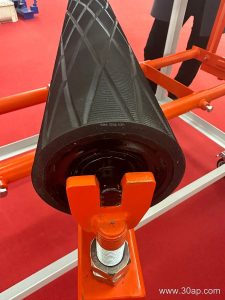
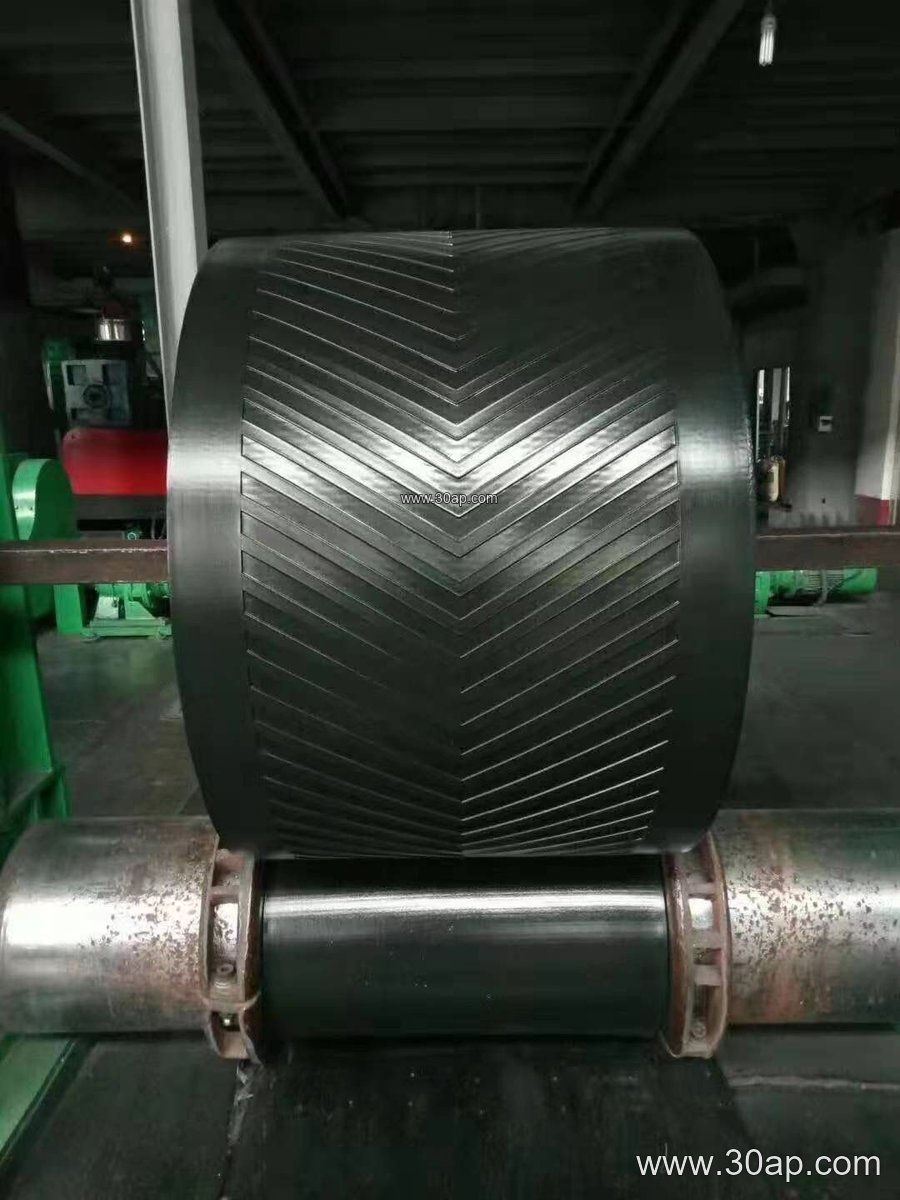
Fire resistant conveyor belts are critical in industries where fire hazards are present. In coal mining, both surface and underground operations rely on these belts to transport coal safely. Power plants use them to handle coal and biomass, reducing the risk of fire from friction or electrical faults. Cement plants and quarries may also specify fire resistant belts when conveying materials that generate heat or in areas with combustible dust. Other applications include steel plants, port facilities, and recycling centers. The belt works in conjunction with conveyor pulleys, idler rollers, and brackets to ensure smooth operation.
Selection and Maintenance Tips
When choosing a fire resistant conveyor belt, consider the operating environment, material being conveyed, and required flame resistance rating. For high-abrasion materials, an abrasion resistant conveyor belt might be combined with fire resistance, but the primary focus should be on the flame-retardant properties. Ensure the belt is compatible with the conveyor pulley diameters and idler roller spacing to avoid excessive stress. Regular maintenance includes checking for wear, proper belt tension, and alignment. Inspect idler rollers and conveyor pulleys for debris buildup that could cause friction. Keep the belt clean and avoid overloading. For underground mining, additional anti-static properties are often required. Always follow the manufacturer’s guidelines for installation and splicing.
Related Equipment and Considerations
Fire resistant conveyor belts are part of a larger conveyor system that includes conveyor pulleys, idler rollers, and conveyor brackets. Proper selection of these components ensures the belt operates efficiently and safely. For instance, using the correct pulley diameter helps prevent belt damage, while well-maintained idler rollers reduce friction and heat. In coal mining, the entire system must be designed to minimize fire risk, and the fire resistant belt is a key element. Other belt types like heat resistant or oil resistant belts serve different purposes, but for fire-prone areas, the fire resistant variant is the appropriate choice. Always consult with conveyor belt suppliers to match the belt to your specific needs.