What a Sand and Gravel Plant Conveyor Pulley Does
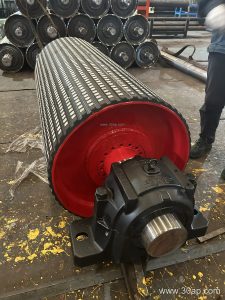
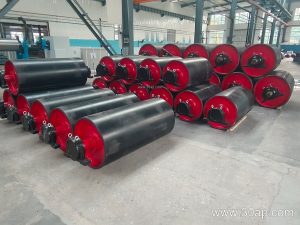
A sand and gravel plant conveyor pulley is the rotating drum at the ends of a belt conveyor that transmits motion, supports the belt, and controls its path. In a crushing and screening line, these drums sit at the discharge head, the tail intake, and at bend or take-up points where the belt changes direction. Unlike the idler rollers that carry the belt along its length, the pulley drives or redirects the entire belt loop, so its construction and surface treatment have a direct effect on belt life and plant uptime.
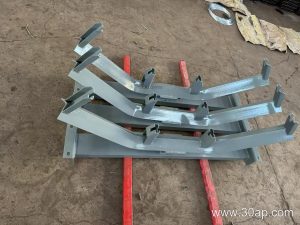
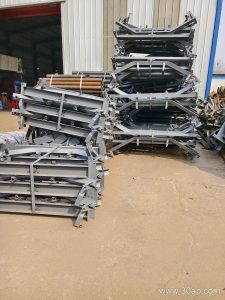
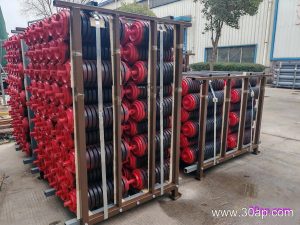
The same assembly is also called a conveyor drum or belt pulley. In bulk handling circuits it works together with an abrasion resistant conveyor belt, conveyor idler rollers, and conveyor brackets to keep stone, sand, and gravel moving from the primary crusher to the screening deck and stockpile.
Drive, Tail, and Bend Pulleys Are Not Interchangeable
Each position in the conveyor has its own duty. A drive pulley, sometimes called a head or discharge pulley, carries the highest torque and must grip the belt without slipping, so it usually receives lagging. A tail pulley at the loading end guides the belt back and often needs a self-cleaning or wing design to shed fines. A bend pulley simply changes belt direction and typically runs with lower load. Take-up and snub pulleys have their own roles in maintaining tension and wrap angle.
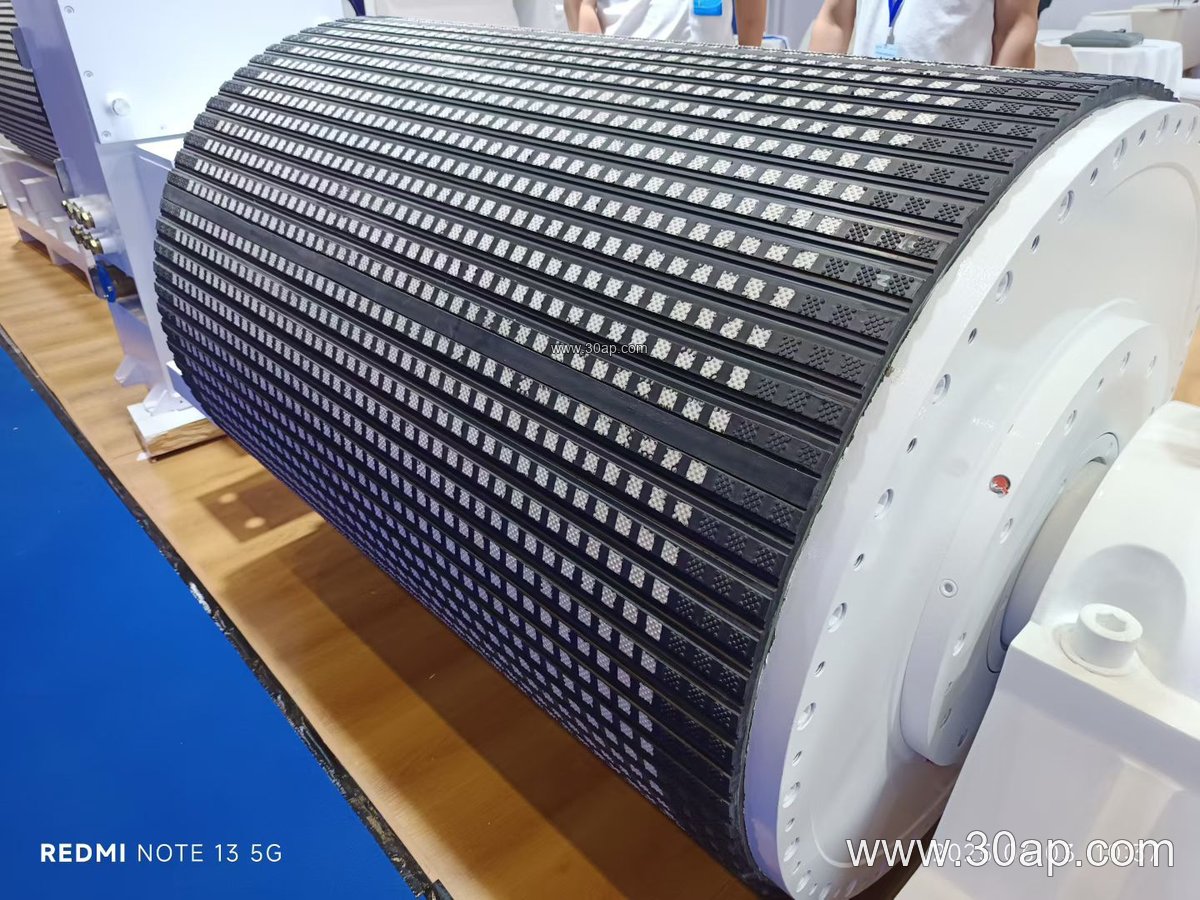
Buyers should never treat these positions as one part. A drum sized and lagged for a head drive is not a drop-in replacement for a tail pulley, and a bend drum should not be asked to transmit full drive torque. Only when comparing grip or wear behavior should a wing pulley be mentioned next to a lagged drive drum, and each keeps its own function.
How the Drum Is Built
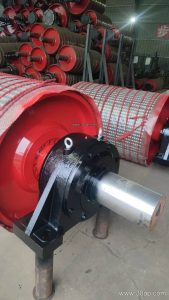
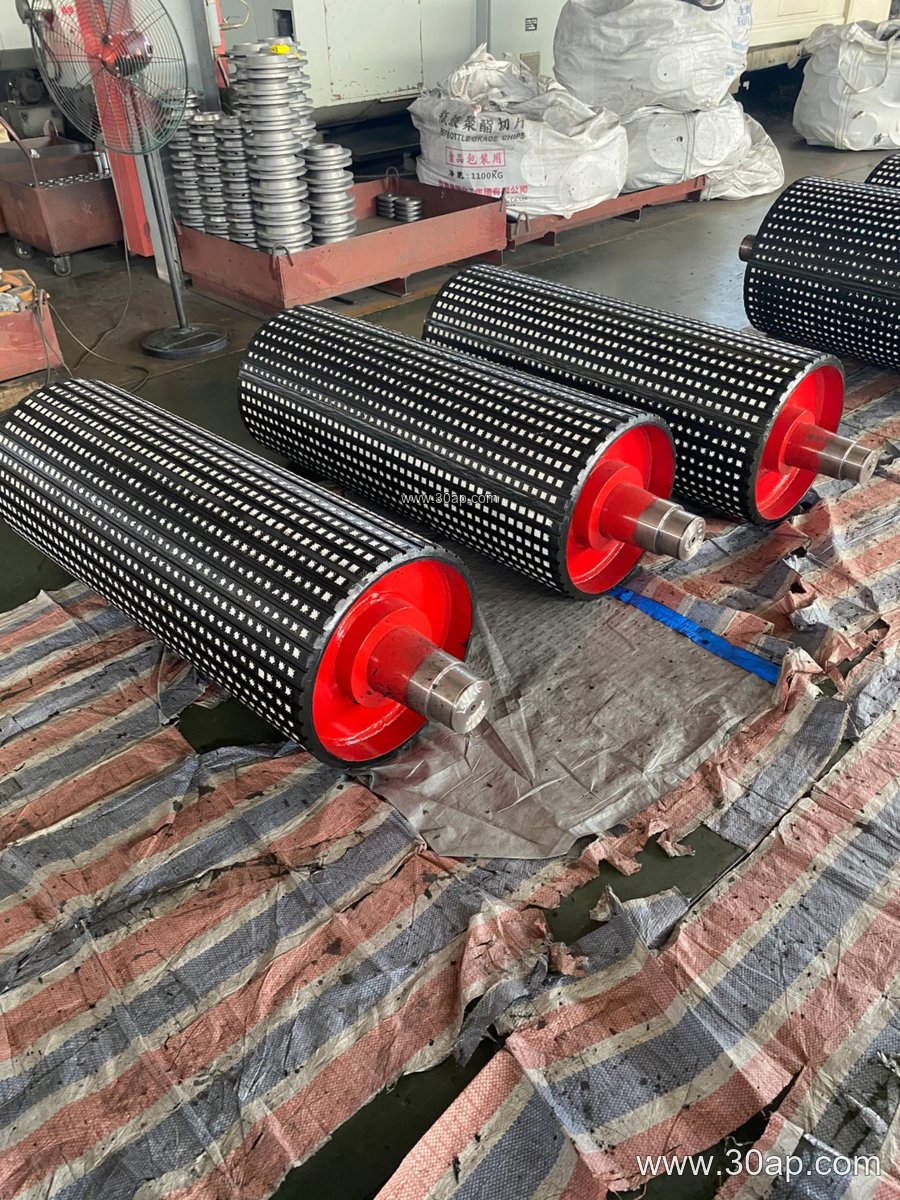
A typical sand and gravel plant conveyor pulley combines a steel shell, end discs, a shaft, and bearing housings. The shell is machined and balanced, the shaft is sized by torque and radial load rather than by belt width alone, and the lagging is bonded or vulcanized onto the shell face. Common shell diameters include Ø200, Ø315, Ø400, Ø500, Ø630, Ø800, and Ø1000 mm, while larger head drums may reach Ø1250 or Ø1400 mm. Face width usually exceeds belt width so the belt is fully supported, for example a B800 belt around a 950 mm face or a B1200 belt around a 1400 mm face. These are reference ranges, not fixed pairings; final geometry follows the conveyor design.
| Parameter | Common reference values |
|---|---|
| Belt width | B500, B650, B800, B1000, B1200, B1400, B1600 |
| Drum diameter | Ø250, Ø315, Ø400, Ø500, Ø630, Ø800, Ø1000 |
| Shaft diameter | Ø60, Ø80, Ø100, Ø120, Ø160, Ø200 |
| Lagging thickness | 8, 10, 12, 15, 20 mm |
| Surface form | Plain, diamond, herringbone, ceramic, rubber lagging |
Surface Forms and Belt Matching
Lagging choice depends on the material and the position. Plain or lightly rubberized faces suit bend and tail positions where buildup is a concern. Diamond or herringbone lagging improves grip on drive drums in wet or dusty conditions. Ceramic lagging is chosen where abrasive sand and sharp gravel cause rapid wear. The drum must also match the belt: a heavy carcass such as an EP200 or EP300 fabric core belt, or a steel cord belt on long overland runs, needs a diameter large enough to limit bending stress in the carcass. A chevron or corrugated sidewall belt may require extra clearance and a different drum profile, so the belt data sheet should always accompany the pulley inquiry.
Where These Drums Are Used
Sand and gravel plants are the core application, but the same drum design appears in limestone quarries, concrete batching plants, and tunnel spoil handling. In a wash plant, sealed bearings and effective dust protection matter because water and fines are present. In a dry screening tower, balance and concentricity reduce vibration and belt tracking problems. Plants handling hot or sticky material may specify a heat resistant or oil resistant belt, and the pulley lagging should be selected to suit that environment as well.
What Buyers Should Confirm
- Position and duty: drive, tail, bend, take-up, or snub, with the required torque and wrap angle.
- Belt data: width, carcass type, thickness, and whether the belt is endless or spliced on site.
- Drum diameter, face width, and shaft diameter confirmed by the conveyor designer, not guessed from belt width.
- Lagging type and thickness, plus whether the surface should be plain, diamond, herringbone, or ceramic.
- Bearing type, sealing, and lubrication access for the actual dust and moisture level.
- Balance grade, runout tolerance, and delivery documentation.
A correctly specified sand and gravel plant conveyor pulley is a small part of the capital cost but a large part of conveyor reliability. Matching the drum to its position, its belt, and the site conditions avoids premature lagging wear, belt mistracking, and unplanned shutdowns in the middle of a production shift.