What a PVC Conveyor Belt Is
A PVC conveyor belt is a light- to medium-duty belt built with a polyvinyl chloride cover and a fabric core. In many plants it is simply called a PVC belt, and it is a different product from a PVG belt, which uses a blended PVC and nitrile rubber cover for heavier duty work. The PVC conveyor belt is chosen for its smooth surface, easy cleaning, and good resistance to water and many mild chemicals. It suits conveying lines where a rubber conveyor belt would be overkill, or where a non-marking and low-noise running surface matters.
How the Belt Is Built
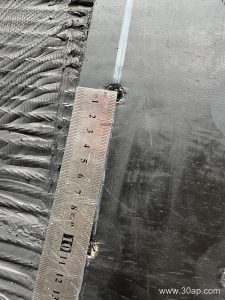
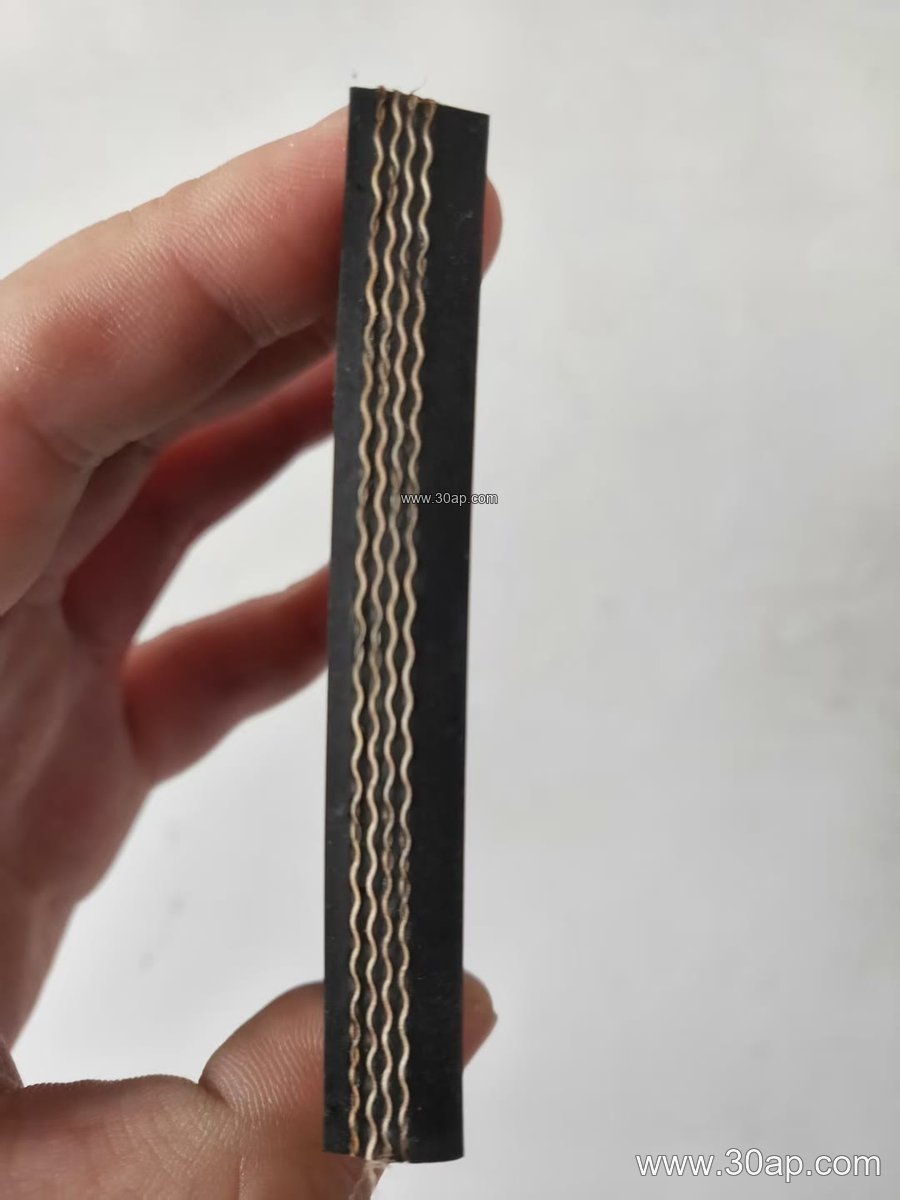
The construction is usually a woven fabric carcass, often polyester or nylon, coated and impregnated with PVC. The cover can be glossy or matte, and the surface may be plain, textured, or fitted with cleats. Common carcass designs use two to four plies, depending on the load. Cover thickness is often quoted in a two-number form, for example 3+1.5 mm or 4+2 mm, where the first figure is the top cover and the second is the bottom cover. These figures are typical examples, not fixed values; the actual build is set by the belt designer for the duty.
Where It Fits on the Conveyor
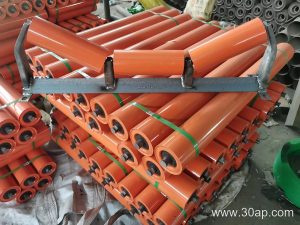
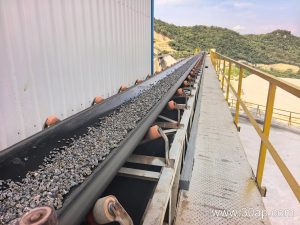
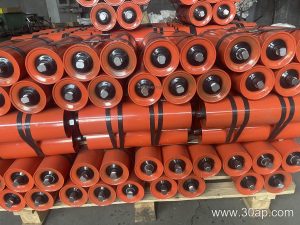
The belt runs over a conveyor pulley at the head and tail, supported by an idler roller or a slider bed along the carrying run. On short, light lines a slider bed is common; on longer runs, idlers are used. The conveyor bracket and frame hold these parts in line, and belt tracking depends on their alignment as much as on the belt itself. A PVC belt is often seen in food processing, packaging, warehousing, recycling sorting, and light assembly, and also in some cement plant and power plant lines handling small parts or packaged goods rather than sharp, hot bulk material.
Common Belt Widths
Widths follow the conveyor frame rather than a single standard. Typical examples include:
- 500 mm and 650 mm for narrow packaging and sorting lines
- 800 mm and 1000 mm for general light-duty conveying
- 1200 mm and 1400 mm for wider sorting and inspection tables
- 1500 mm to 2000 mm for special wide-belt applications
Width and pulley diameter are matched by design, not by a fixed rule, so a given belt width does not dictate one pulley size. Shaft diameter is a separate calculation based on load and pulley geometry.
PVC Versus Other Belt Types
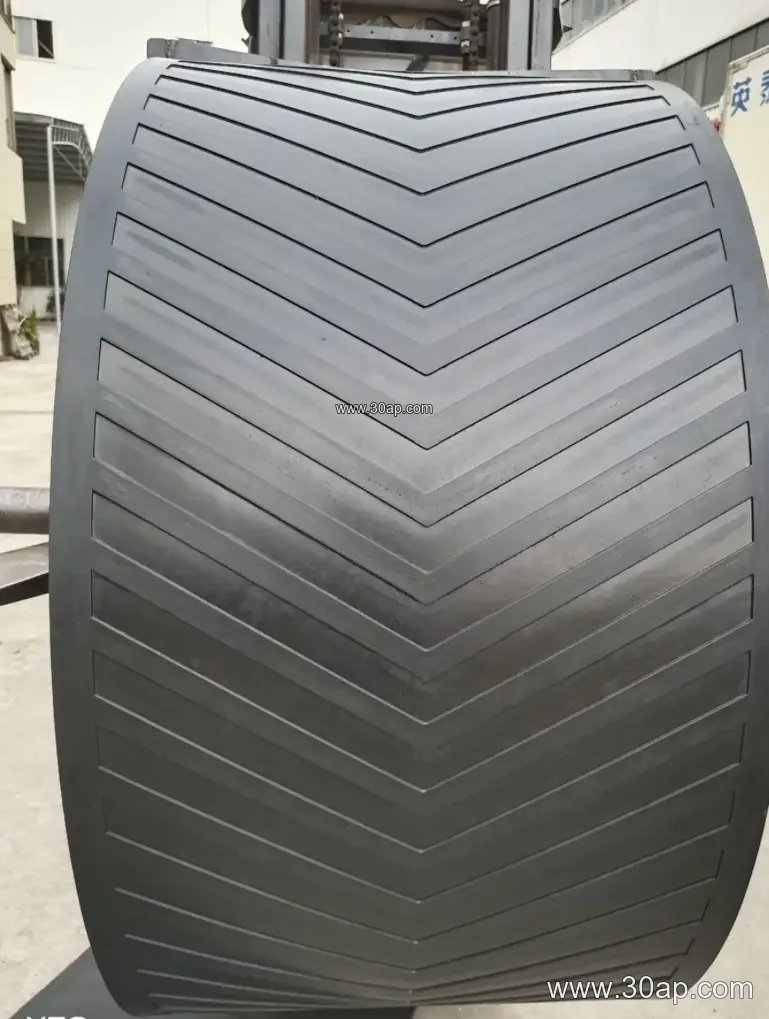
For heavy bulk handling in a mine, quarry, or crusher circuit, an EP conveyor belt, NN conveyor belt, or steel cord conveyor belt is the usual choice, often with abrasion resistant or flame retardant covers. A chevron conveyor belt or corrugated sidewall belt handles steep inclines and material spillage. The PVC conveyor belt stays in the lighter tier, where its cleanability and flexibility pay off. On food lines, a food grade PVC belt is common; on cold storage lines, a cold resistant grade may be specified. Where static buildup is a concern, an anti-static version is available. These are grade options within the PVC family, not different products.
Buyer Checklist
Before ordering, confirm the following with the supplier:
- Belt width, overall length, and whether an endless belt is required
- Carcass plies and cover thickness, quoted as top plus bottom
- Surface form: plain, textured, cleated, or with sidewalls
- Operating temperature range and any oil, chemical, or food contact
- Pulley diameters and idler roller spacing on the existing frame
- Whether anti-static or flame retardant behavior is needed
Ask for the belt’s data sheet rather than relying on a generic grade name. Two belts sold under the same description can differ in ply count and cover compound. For a replacement belt, measure the old one under tension and check the pulley and bracket alignment before fitting, since a misaligned conveyor bracket will shorten the life of any belt. Buyers comparing a PVC belt with a rubber conveyor belt should weigh cleaning needs, load, and ambient conditions together, because the cheapest belt is rarely the lowest cost over its service life.