What a 600mm Conveyor Belt Is
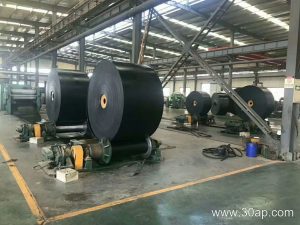
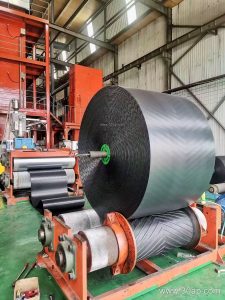
A 600mm conveyor belt is a belting product with a nominal width of 600 millimeters, often written as B600 in specification sheets and purchase orders. It sits in the light-to-medium width range: wider than a 500mm belt and narrower than a 650mm or 800mm belt, which makes it a practical choice for secondary conveyors, transfer points, screening lines and smaller material handling circuits. Because the width is fixed but the construction is not, the same 600mm figure can describe a rubber conveyor belt with fabric plies, an EP conveyor belt, an NN conveyor belt, or a special-purpose design such as a chevron conveyor belt or a corrugated sidewall belt.
Width alone does not define duty. A 600mm belt on a quarry conveyor carrying crushed stone is a very different product from a 600mm food grade belt on a packing line. Buyers should treat the width as one dimension in a set of linked choices: carcass type, number of plies, cover grade and thickness, and the pulley and idler arrangement on the conveyor frame.
Construction and Common Configurations
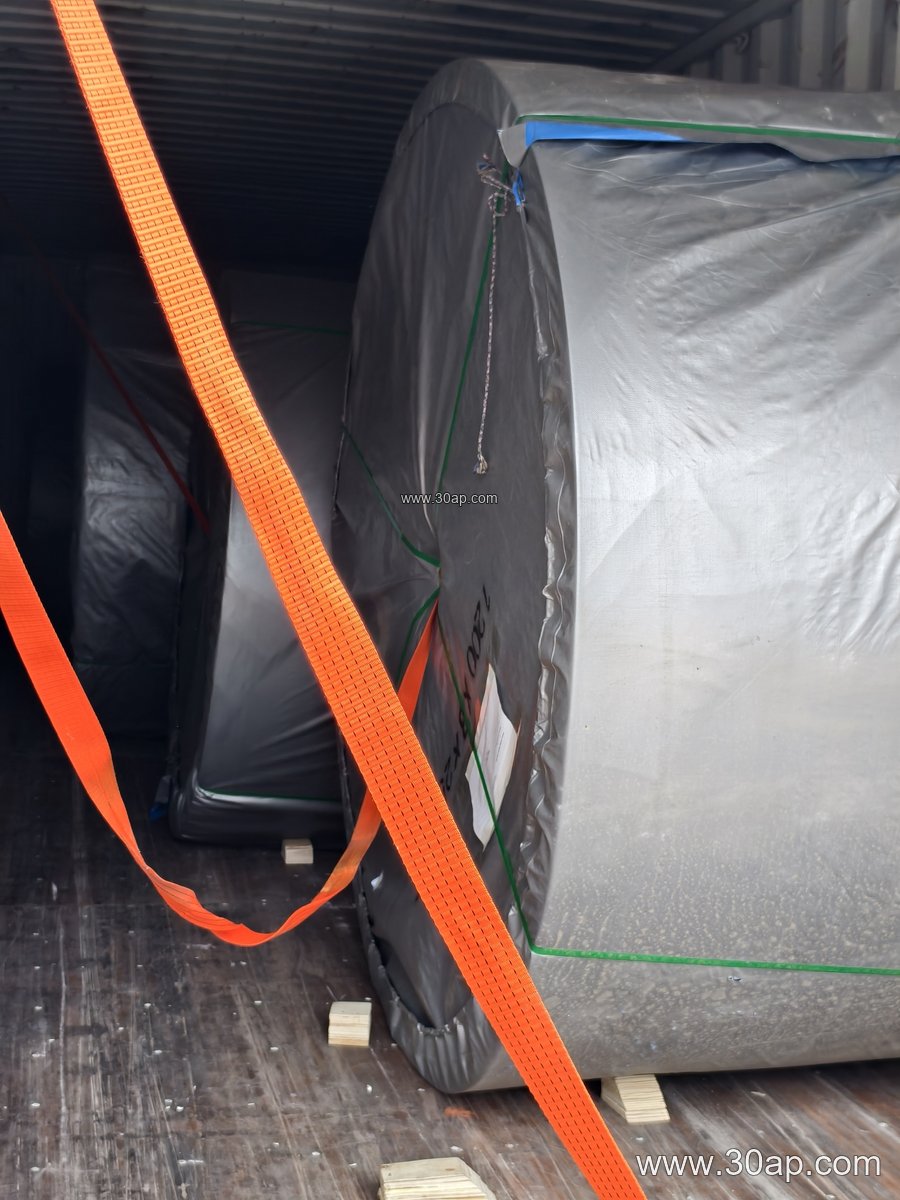
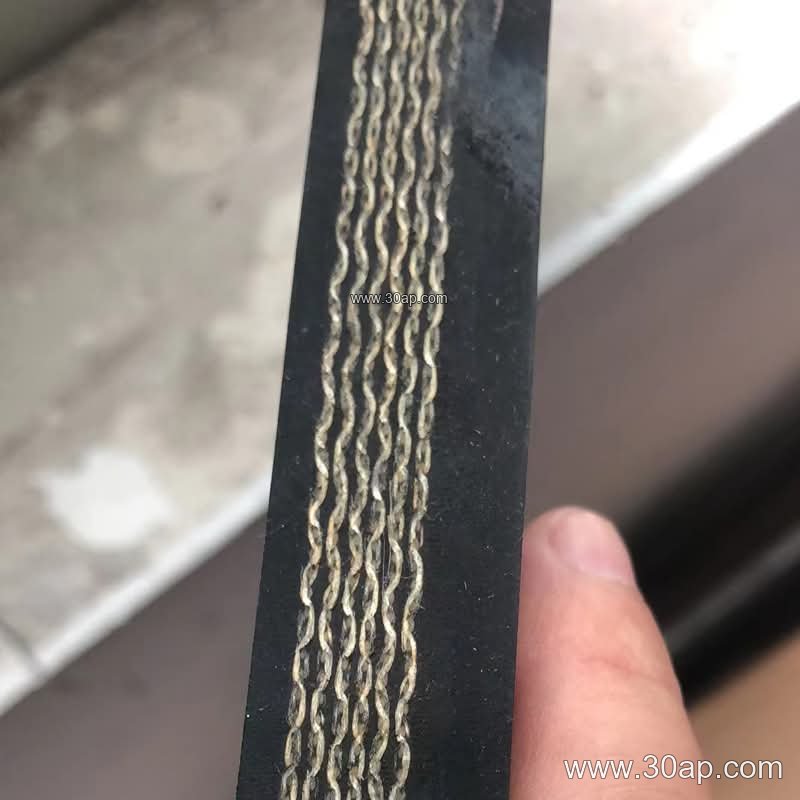
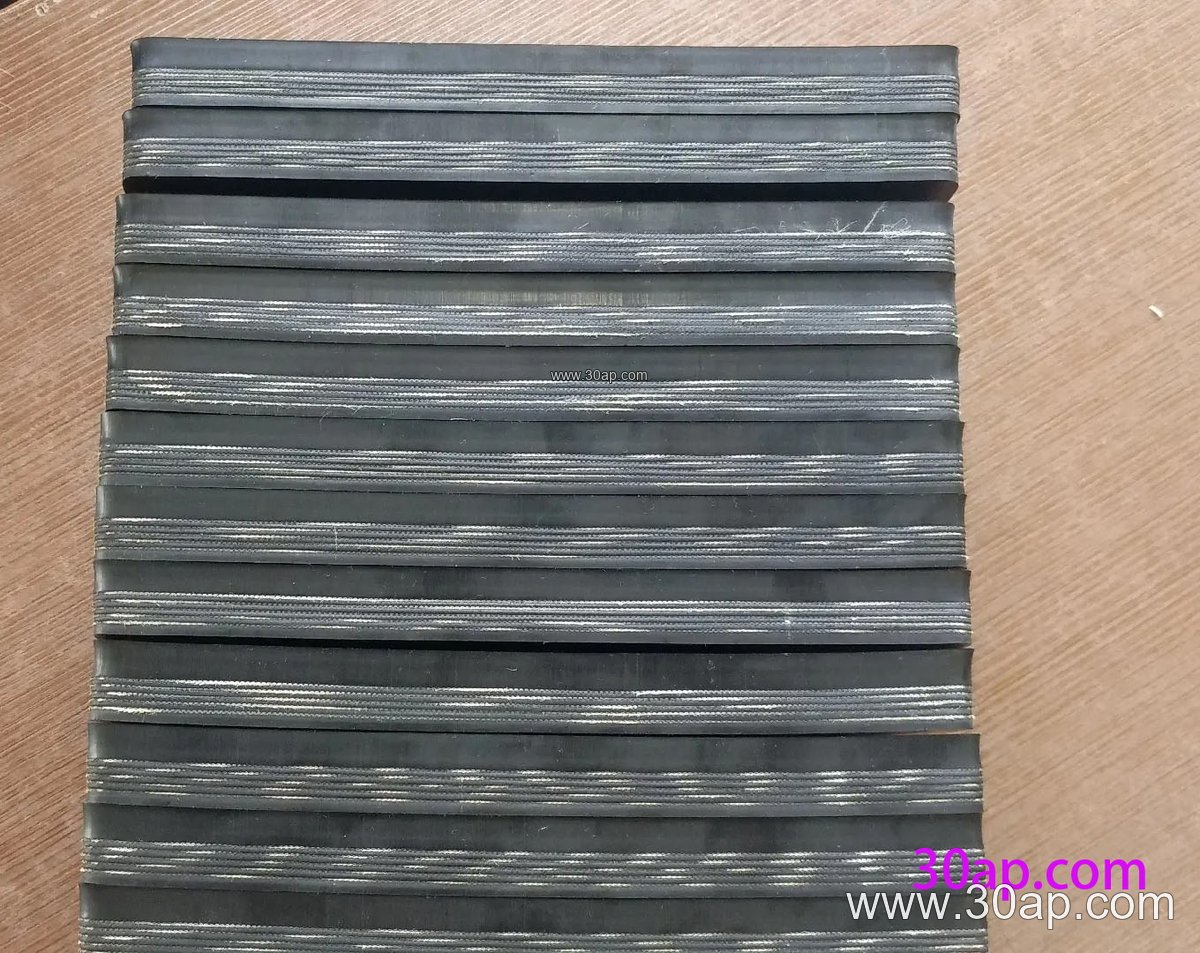
Most 600mm belting is built around a fabric core, with EP (polyester-cotton) or NN (nylon-nylon) fabrics being the usual carcasses. The carcass carries the tension, while the rubber covers protect it from abrasion, impact, heat, oil or fire risk depending on the application. A multi-ply fabric core conveyor belt with two to six plies is common in this width, and cover gauges such as 4+2 mm or 5+2 mm are frequently quoted for general bulk duty. Steel cord conveyor belt is rarely specified at 600mm because the narrow width usually pairs with lighter tension demands, but it can appear where high strength in a compact profile is needed.
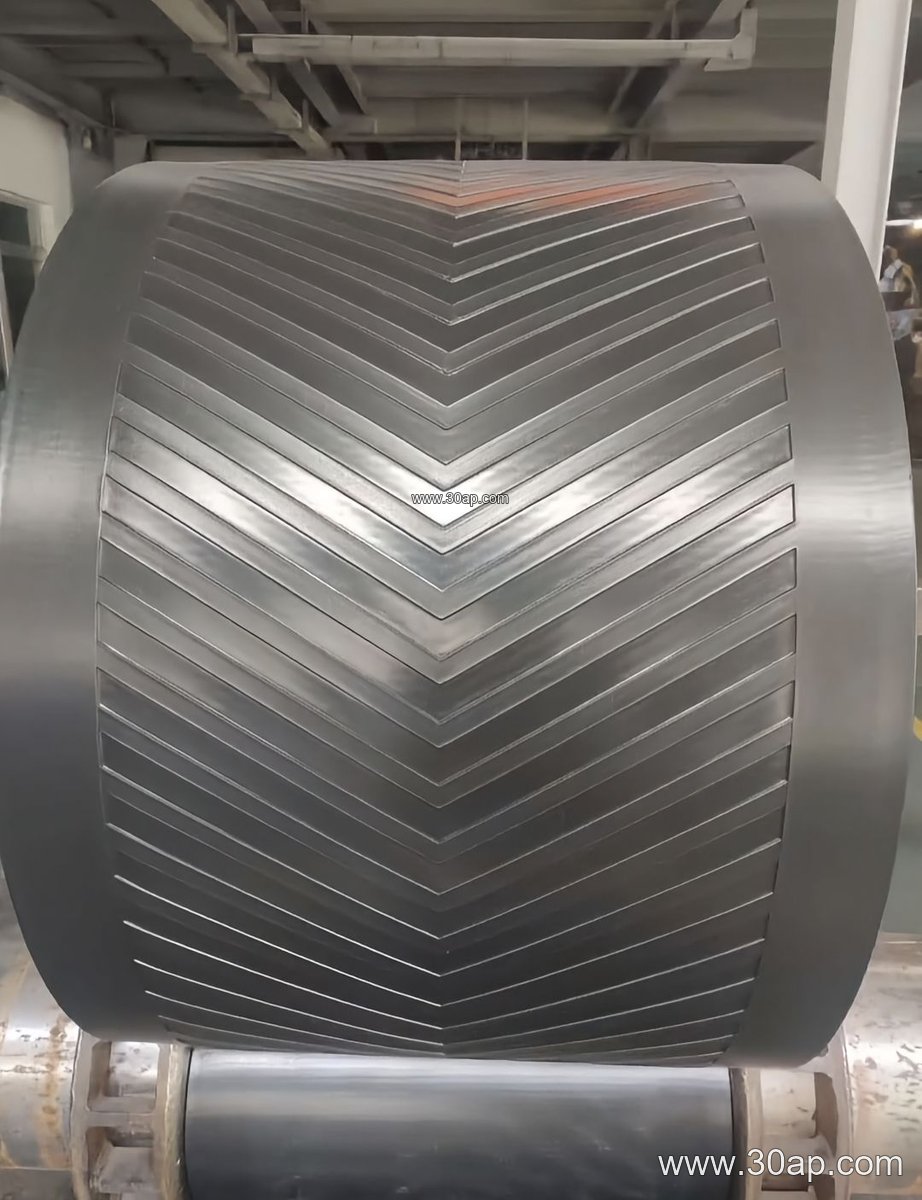
Special constructions change the profile rather than the nominal width. A chevron conveyor belt adds raised cleats to stop material rolling back on inclines. A skirted conveyor belt or corrugated sidewall conveyor belt adds raised edges for steep or space-limited routes. A pipe conveyor belt is a different concept entirely, folding into a tube, and should not be treated as a substitute for an open 600mm belt.
Typical Working Environments
The 600mm width appears across many industries because it matches moderate tonnage without overbuilding the structure. In a sand and gravel plant it may run under a screen or feed a stockpile conveyor. In a cement plant it can move clinker, limestone or additives on short transfer sections. In a power plant it may handle coal on a secondary line, and in a coal mining conveyor belt application the flame retardant and anti-static properties matter more than raw width. Metal mines, gold mining operations and iron ore conveyor lines use this size for ore conveyor and rock conveyor duties where abrasion resistant conveyor belt covers extend service life.
Other common settings include fertilizer and chemical plants needing an acid resistant or oil resistant conveyor belt, cold rooms and winter sites using a cold resistant conveyor belt, and food processing lines built with a food grade conveyor belt. Each environment pushes the specification in a different direction, so the same 600mm dimension can hide very different rubber compounds.
Specification Reference Table
The values below are common reference points, not fixed supply promises. Actual construction is confirmed by design and by the belt manufacturer.
| Parameter | Typical Options for 600mm Belting |
|---|---|
| Carcass type | EP fabric, NN fabric, multi-ply fabric core; steel cord in special cases |
| Strength grade | EP200, EP315, EP400, EP500, EP630, EP800; NN100 to NN300 |
| Number of plies | 2 to 6, depending on tension and impact |
| Cover thickness | 3+1.5 mm, 4+2 mm, 5+2 mm, 6+2 mm, 8+3 mm |
| Cover grades | Abrasion resistant, heat resistant, oil resistant, flame retardant, anti-static, cold resistant, acid resistant |
| Surface forms | Smooth, chevron or patterned, skirted, corrugated sidewall |
Matching the Belt to Pulleys, Idlers and Brackets
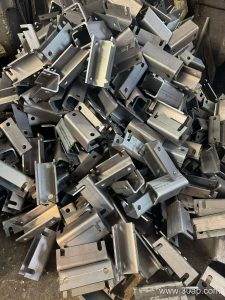
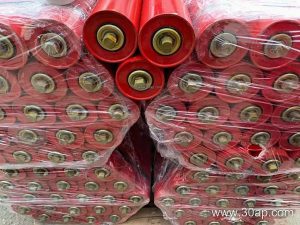
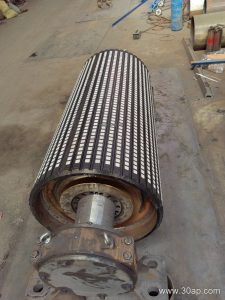
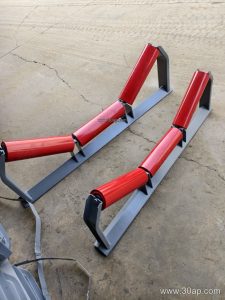
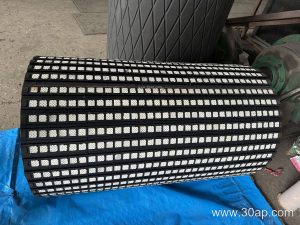
A 600mm belt does not dictate one pulley diameter. Drive pulleys, tail pulleys and bend pulleys are separate components with their own diameter, face width and lagging choices, and the correct drive pulley size follows from belt tension, wrap angle and carcass flexibility rather than width alone. The same applies to the shaft: shaft diameter is a function of torque and bearing selection, not a number that can be read off the belt width. Conveyor pulley face width should be slightly wider than the belt, and the conveyor bracket and frame must suit the pulley and idler roller positions. Idler roller spacing and trough angle also affect how a 600mm belt tracks, especially on long runs with uneven loading.
What Buyers Should Confirm Before Ordering
- Material being carried, lump size, temperature and any oil, chemical or fire risk.
- Required tensile strength and the number of plies suited to the conveyor length and incline.
- Cover grade and thickness, for example an abrasion resistant conveyor belt for sharp stone or a heat resistant conveyor belt near hot clinker.
- Surface form: smooth for flat runs, chevron for inclines, skirted or sidewall for steep, confined routes.
- Whether the belt is supplied as an endless conveyor belt or as open length for on-site splicing.
- Compatibility with existing drive, tail and bend pulleys, idler rollers and brackets.
Finally, confirm the joint method and the spare length allowance. A 600mm belt is compact enough to handle in most plants, but correct storage, alignment and tensioning still decide how long it lasts. For related belting and components, buyers often review options at chinabeltconveyor.com and check roller and pulley details at conveyoridlerroll.com before finalizing a mixed order of belt, idler roller and conveyor pulley items.