What a Guide Pulley Does on a Conveyor
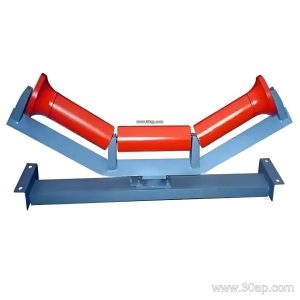
A guide pulley is a small-diameter roller assembly used to route, support or gently redirect a conveyor belt where the main pulleys cannot reach. Unlike drive, tail and bend pulleys, which carry the primary tension and power load at the head, tail or a major direction change, a guide pulley usually sits in an intermediate position. It keeps the belt tracking cleanly, prevents sag in long spans, or steers the belt around structural obstacles inside a transfer tower or along a inclined gallery.
In practice, plant engineers also call this component a belt guide roller or a steering roller, and the exact name often depends on the duty. It is not a substitute for a drive pulley, a tail pulley or a bend pulley; each of those has a distinct load path and must be specified separately.
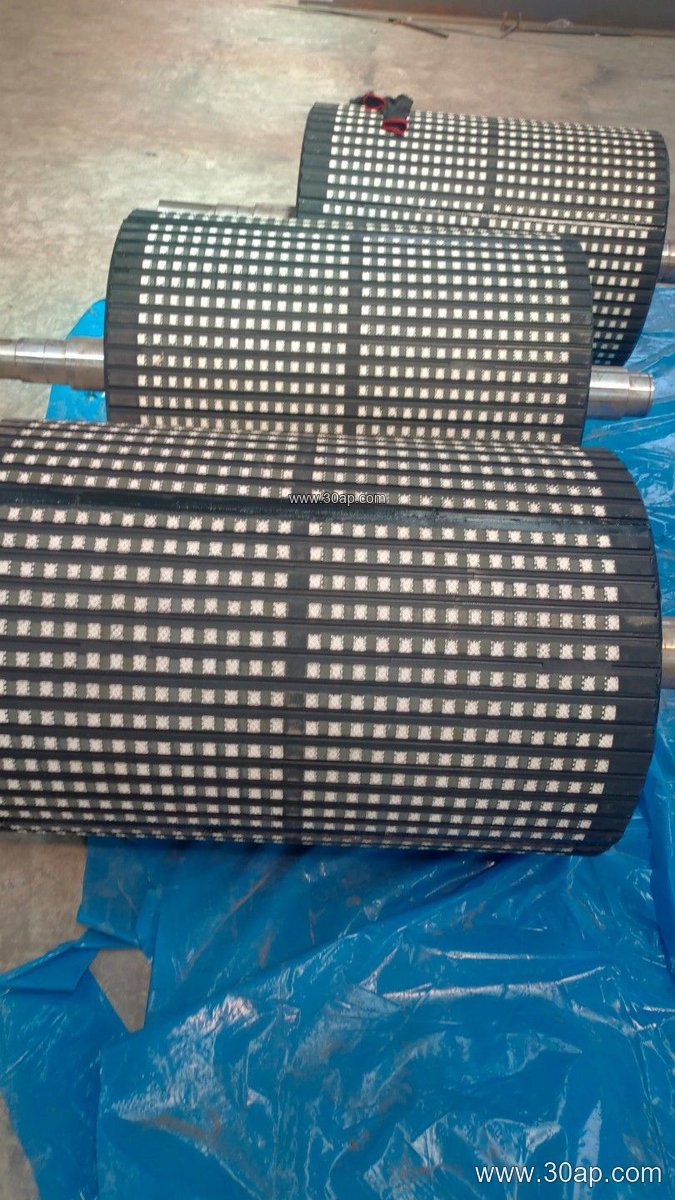
Construction and Surface Options
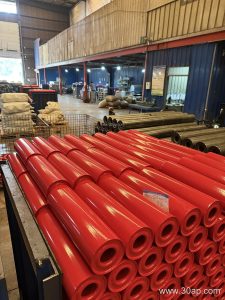
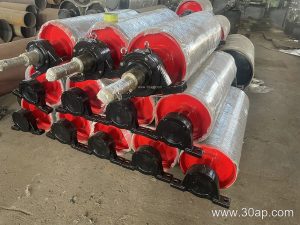
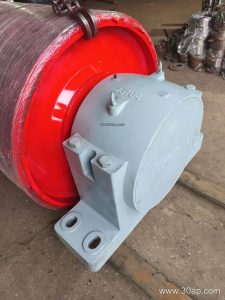
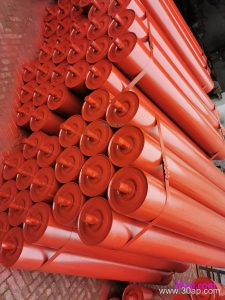
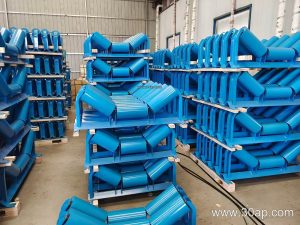
A typical unit is built around a steel tube with welded end discs, a through shaft, and bearing housings that mount to a conveyor bracket or frame. Many designs use sealed ball bearings and a labyrinth seal to keep dust out in a quarry or a cement plant. The shell can be plain, or it can carry a rubber or ceramic lagging to improve grip and reduce belt wear.
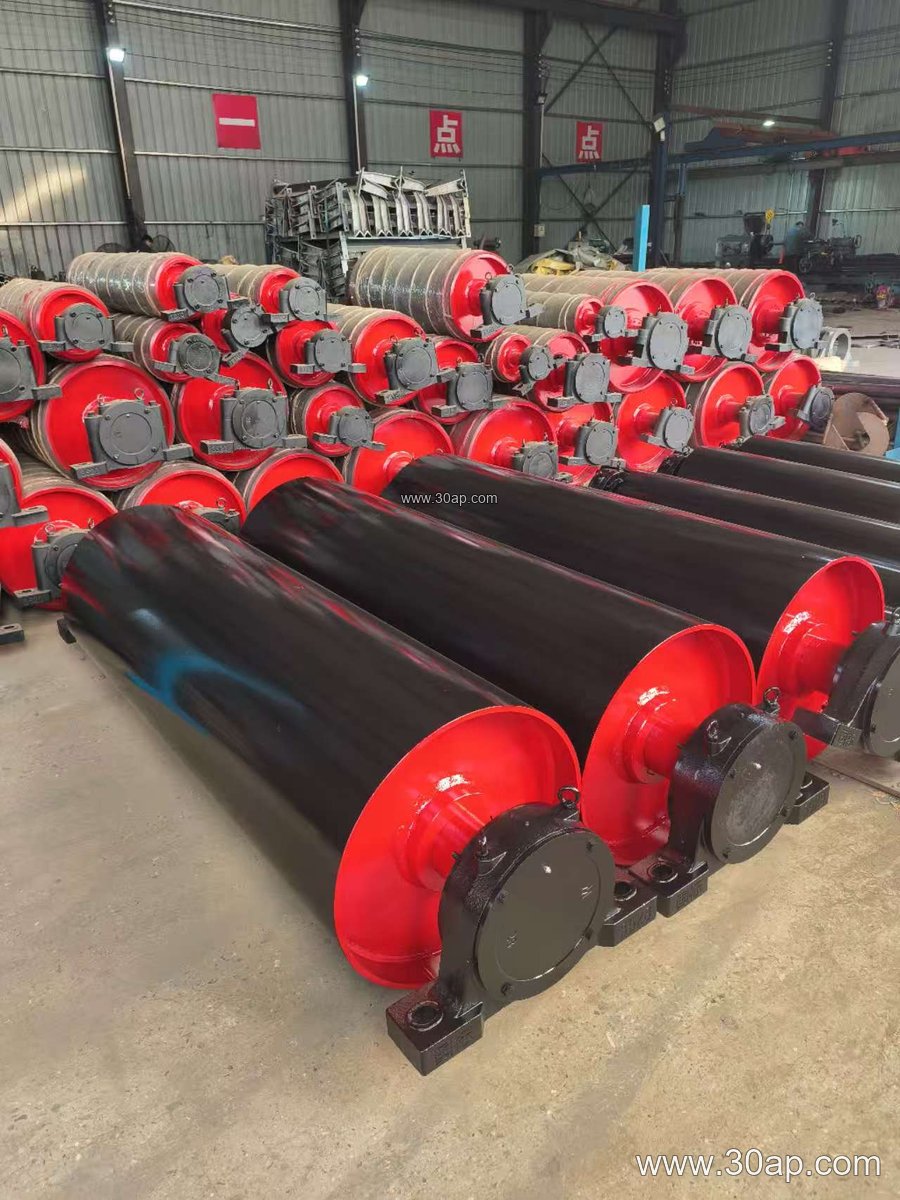
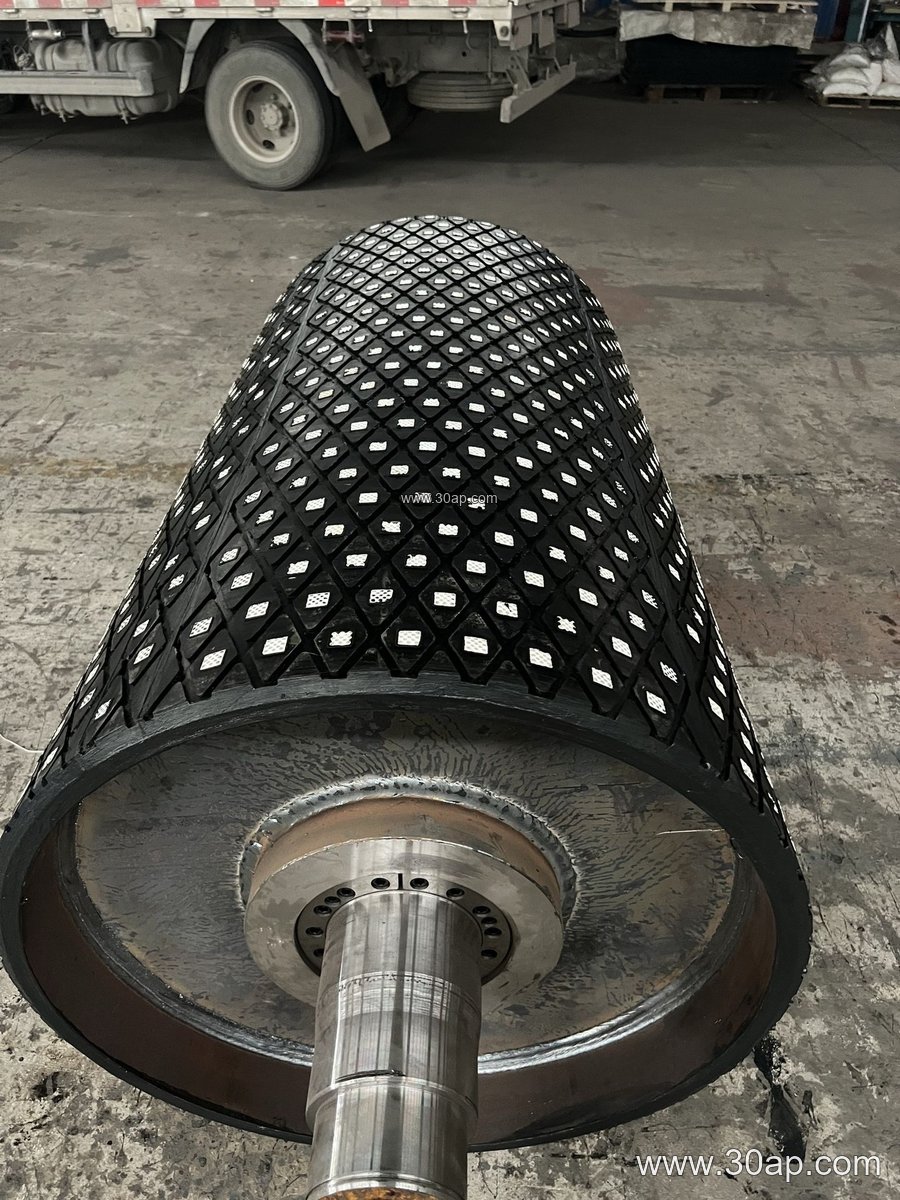
Surface choice matters. A smooth face is common where the belt only needs light support. Rubber lagging, applied by cold bonding or hot vulcanizing, helps where the belt is slightly misaligned. Diamond or herringbone patterns are used when the roller must also help center the belt. Ceramic lagging is chosen for abrasive service such as an iron ore or copper ore line, though it is more expensive and heavier.
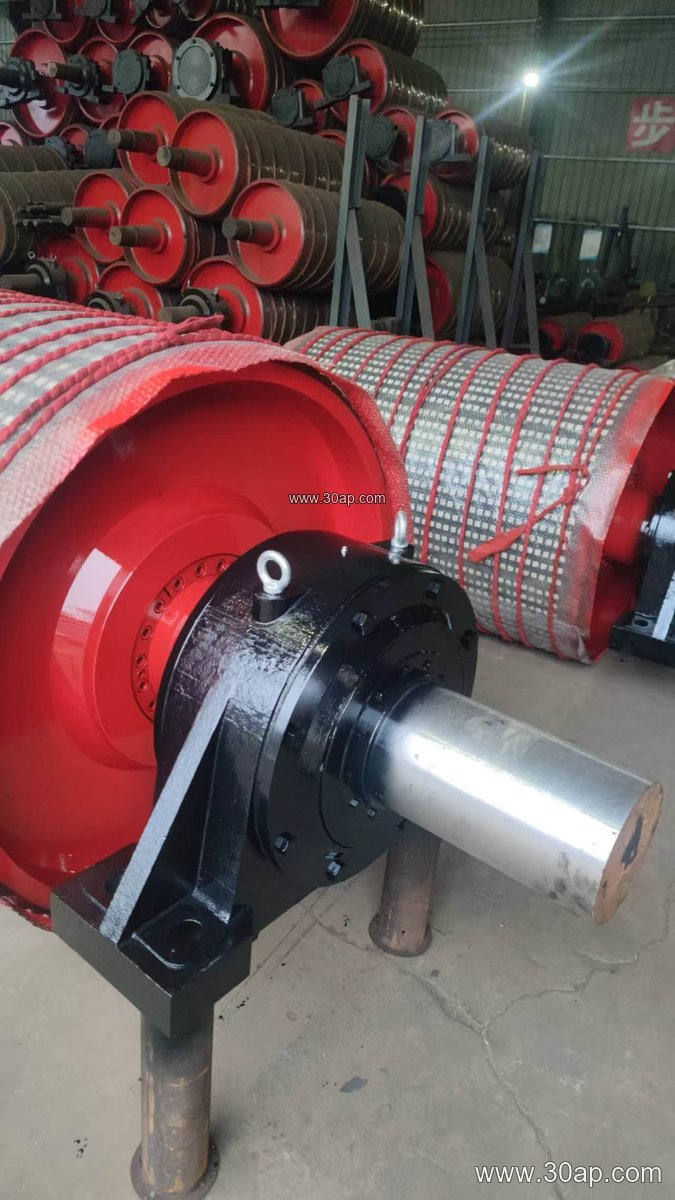
- Plain shell: light support, low cost
- Rubber lagging: improved friction and tracking
- Diamond or herringbone: belt centering in dusty service
- Ceramic: high abrasion resistance at the cost of weight
Where It Fits in the Plant
You will see guide pulleys in many bulk handling settings. In a coal washing plant, they help keep a flame retardant conveyor belt aligned as it leaves a transfer chute. In a power plant coal yard, they support the belt on the return side before it enters the tension station. In an aggregate line feeding a crusher, a guide roller can reduce belt flap on a short, steep incline. They also appear in ship loading galleries at ports and in tunnel spoil conveyors, where space is tight and the belt must be steered around corners.
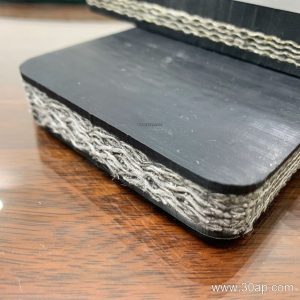
Because the belt often carries abrasive material, a heavy-duty mining conveyor belt or an abrasion resistant conveyor belt places extra demand on the roller surface and bearing seals. A steel cord conveyor belt is stiffer and needs careful support to avoid edge damage, while a fabric core conveyor belt such as an EP conveyor belt or NN conveyor belt is more flexible and tolerates tighter routing. The guide pulley should be matched to the belt construction, not chosen by width alone.
Common Reference Dimensions
Dimensions vary by conveyor design. The table below gives common reference values, not fixed rules, and final sizes are set by the engineer based on belt tension and load.
| Belt width | Typical face width | Common diameters |
|---|---|---|
| B500 | about 600 mm | Ø200 to Ø315 |
| B650 | about 750 mm | Ø250 to Ø400 |
| B800 | about 950 mm | Ø315 to Ø500 |
| B1000 | about 1150 mm | Ø400 to Ø630 |
| B1200 | about 1400 mm | Ø500 to Ø800 |
| B1400 | about 1600 mm | Ø630 to Ø1000 |
Shaft diameter is normally selected from torque and bearing load, with common values around Ø50, Ø80, Ø100, Ø120 and Ø140. A B1200 belt might use a Ø630 guide pulley in one layout and a Ø800 unit in another; there is no single correct pairing.
Buyer Checklist
Before ordering, confirm the belt width, the belt type (for example an EP200 conveyor belt or a PVG800S conveyor belt in underground coal mining), the mounting position and the available space. Ask for the lagging type and thickness if grip or tracking is critical. Check that the bearing seals suit the dust and moisture level at the site. Finally, verify the shaft and bearing housing fit the existing conveyor bracket so the unit can be installed without frame modification.