What the EP1250 Conveyor Belt Is
The EP1250 conveyor belt is a heavy-duty fabric-core belt built around polyester (EP) warp and nylon weft cords. Its designation places it in the upper-middle range of EP tensile grades, making it a practical choice for main haulage lines in mines, quarries, cement works, power stations, and port loading systems. Rather than a single fixed product, it is a specification family: the carcass, cover compound, and number of plies are selected to match the duty. When buyers ask for an EP1250 belt, they usually mean a belt with a nominal breaking strength of 1250 N/mm per ply, but the final construction is confirmed by the manufacturer for each order. The same product is also written as EP1250 rubber conveyor belt or EP1250 fabric core conveyor belt, and those names refer to the identical belt family.
Construction and Typical Build
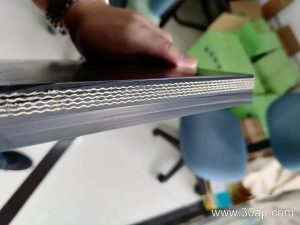
The strength of this belt comes from its multi-ply fabric core. Polyester provides low elongation under load, while nylon contributes flexibility and resistance to fatigue. A typical EP1250 construction uses two to six plies, depending on belt width and the required safety factor. Cover rubber protects the carcass from abrasion, impact, and moisture; common cover thicknesses include 4+2 mm, 5+2 mm, 6+2 mm, and 8+3 mm, with the first figure being the top cover and the second the bottom cover. For dusty or wet conditions, a rubber conveyor belt with adequate cover hardness and good troughability keeps material centered on the line.
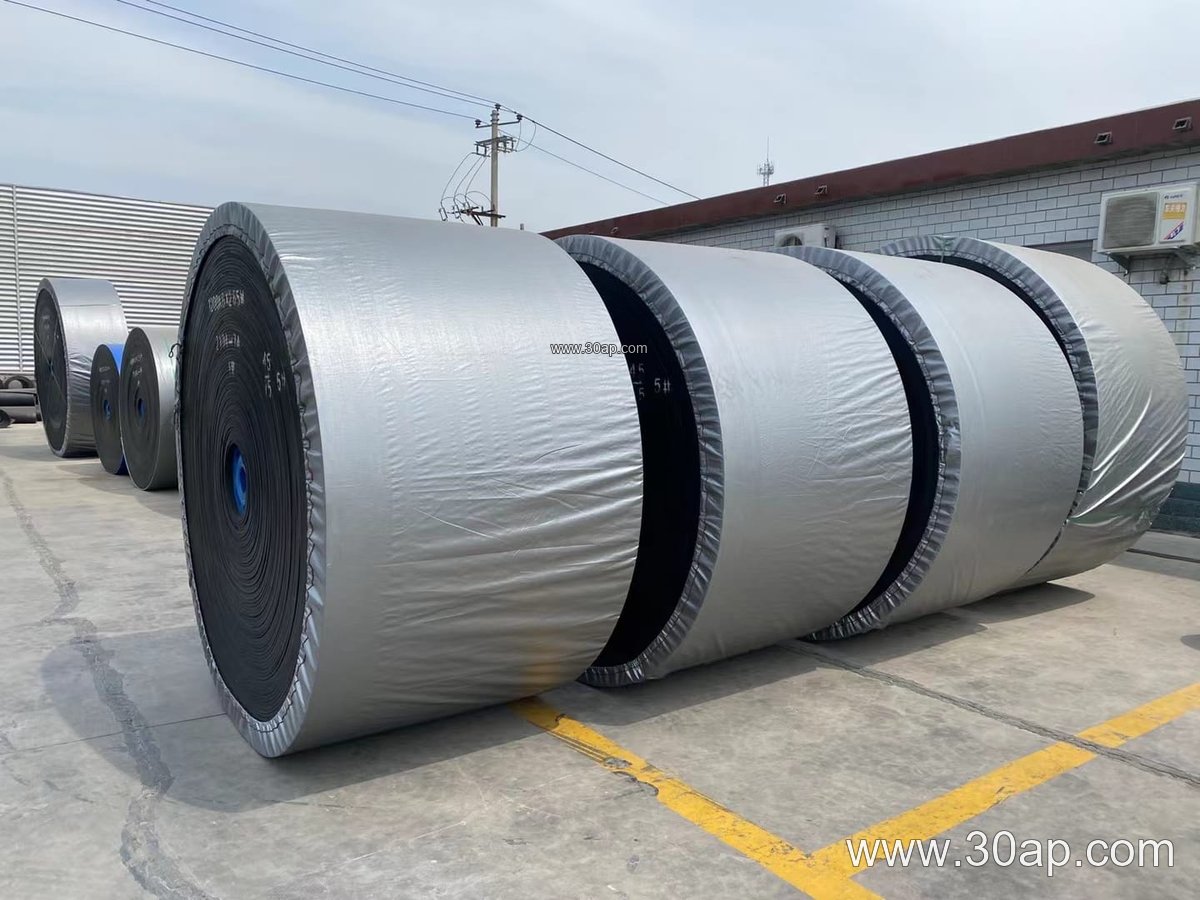
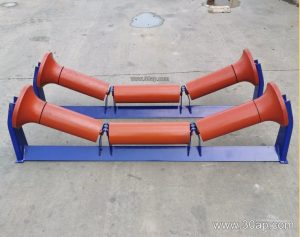
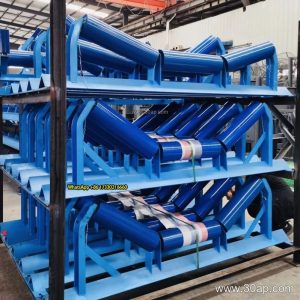
Edge construction matters as well. Cut edges are common for general service, while moulded edges reduce fraying in high-wear zones. Buyers should confirm whether the belt will run on a conventional troughing idler roller set or a more specialized arrangement, because the belt’s transverse flexibility affects training and load retention.
Where It Fits in the Plant
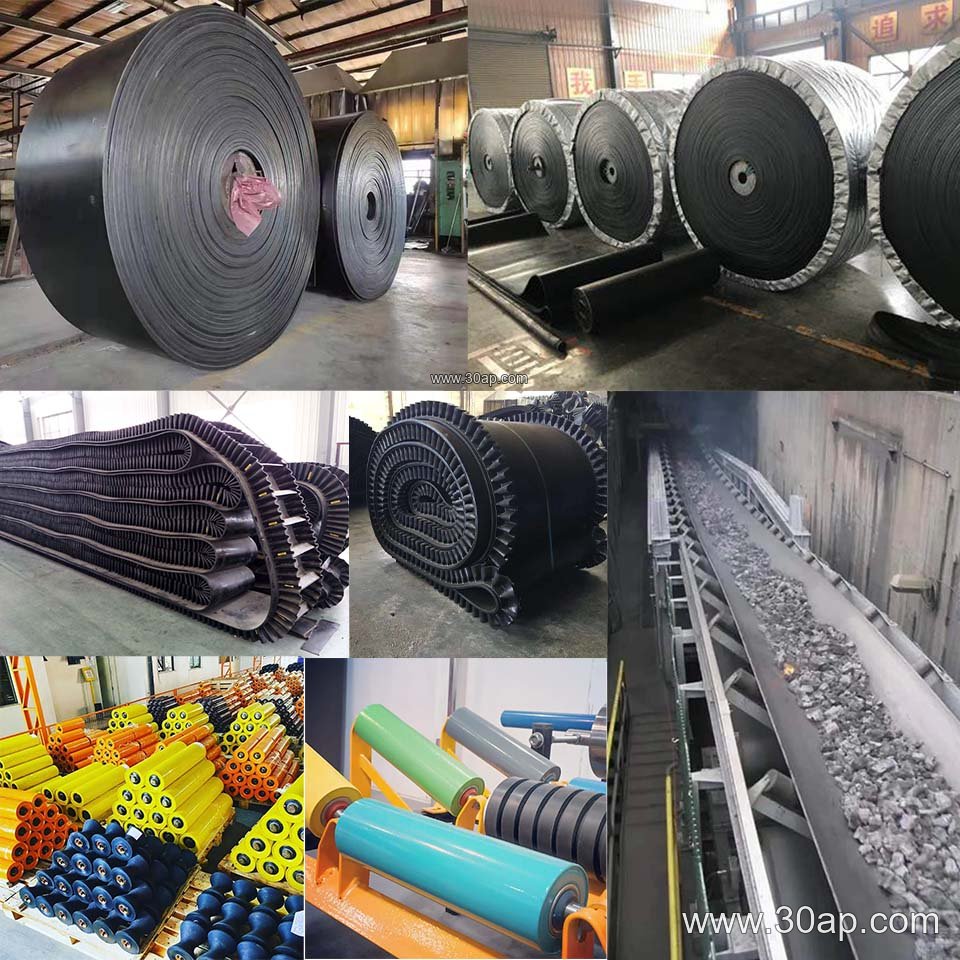
Users encounter the EP1250 belt in primary and secondary crushing circuits, overland conveyors, stockyard feed lines, and ship loading systems. In mining, it may serve as a mining conveyor belt on surface operations or as part of an underground conveyor network where flame retardant properties are required. In cement plants it handles clinker, limestone, and raw meal; in power plants it moves coal; in sand and gravel operations it carries aggregate and crushed stone.
The belt is often compared with a steel cord conveyor belt: the fabric-core version offers easier splicing and better tolerance of small pulleys, while steel cord designs suit very long, high-tension routes. An NN conveyor belt is another fabric-core option, but EP carcasses generally show lower stretch. For steep inclines, a chevron conveyor belt or corrugated sidewall belt may be considered, though these are different belt types rather than replacements for a standard EP1250 line.
Specifications at a Glance
The values below are common reference points, not universal promises. Actual belt construction is confirmed per project and may differ between suppliers.
| Parameter | Typical range or options |
|---|---|
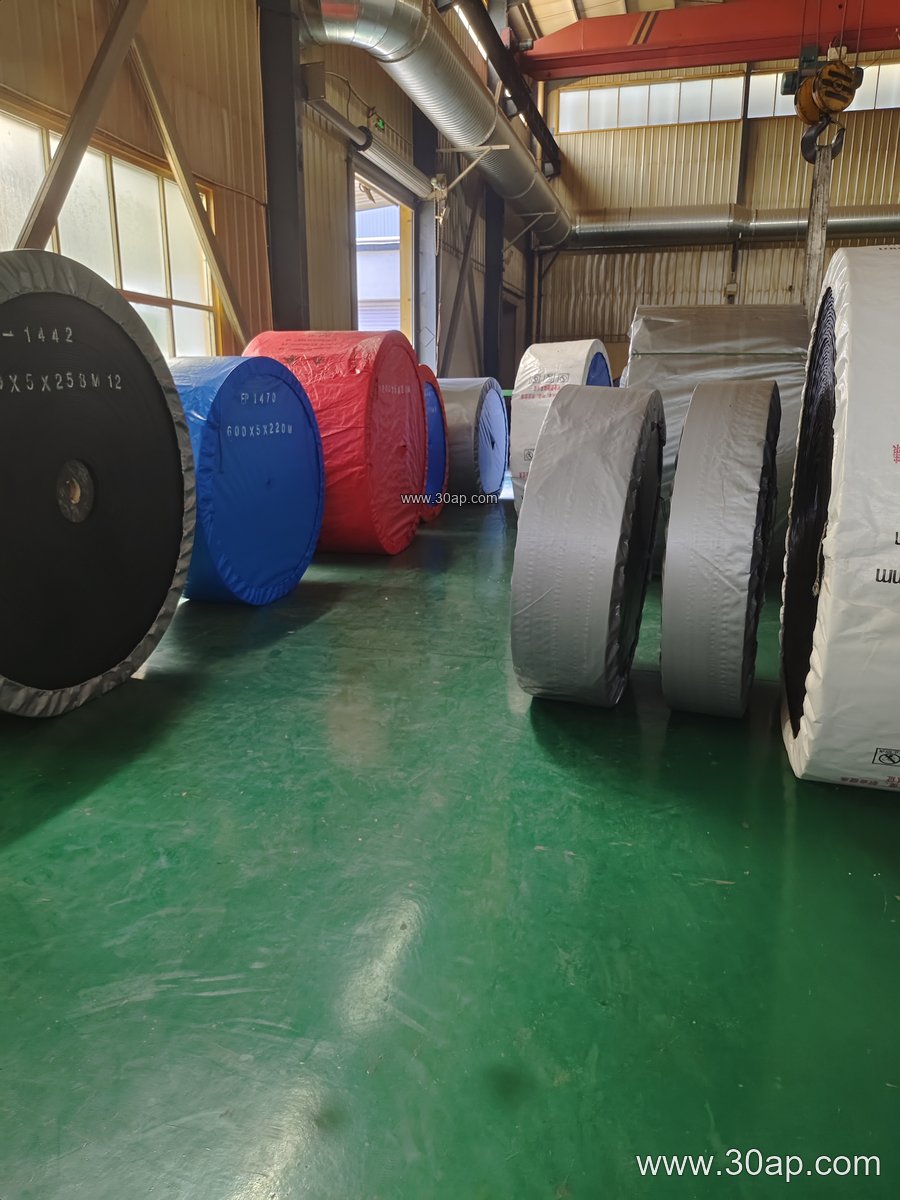
| Tensile grade | EP1250 (nominal 1250 N/mm per ply) |
| Belt width | B650, B800, B1000, B1200, B1400, B1600, B1800, B2000 |
| Number of plies | 2 to 6, by design |
| Top/bottom cover | 4+2, 5+2, 6+2, 8+3 mm |
| Cover grades | Abrasion resistant, heat resistant, oil resistant, flame retardant, anti-static, cold resistant |
| Edge type | Cut edge or moulded edge |
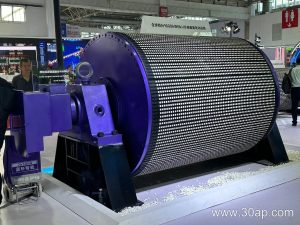
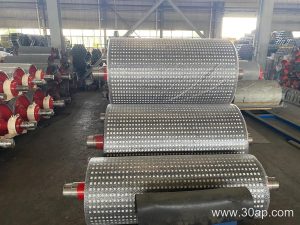
Width and strength are not locked together. A 1200 mm wide EP1250 belt and an 1800 mm wide EP1250 belt can both be supplied, and the pulley diameters are selected from the belt’s minimum pulley requirements rather than from width alone. Shaft size is a pulley design matter and should never be assumed from belt width.
Selection and Maintenance Notes
Start with the duty: material type, lump size, tonnage per hour, incline, and ambient conditions. A quarry conveyor belt handling sharp rock needs a high abrasion resistant cover, while a coal mining conveyor belt in a gassy area needs flame retardant and anti-static properties. Heat resistant conveyor belt grades suit clinker or sinter, and oil resistant conveyor belt grades suit recycled material or oily scrap. Food grade and cold resistant versions exist for other industries but are separate specifications.
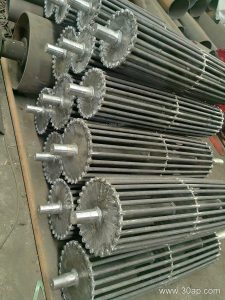
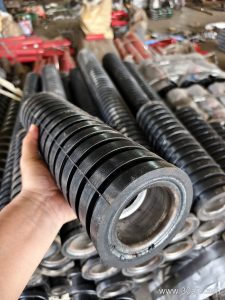
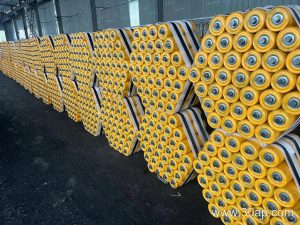
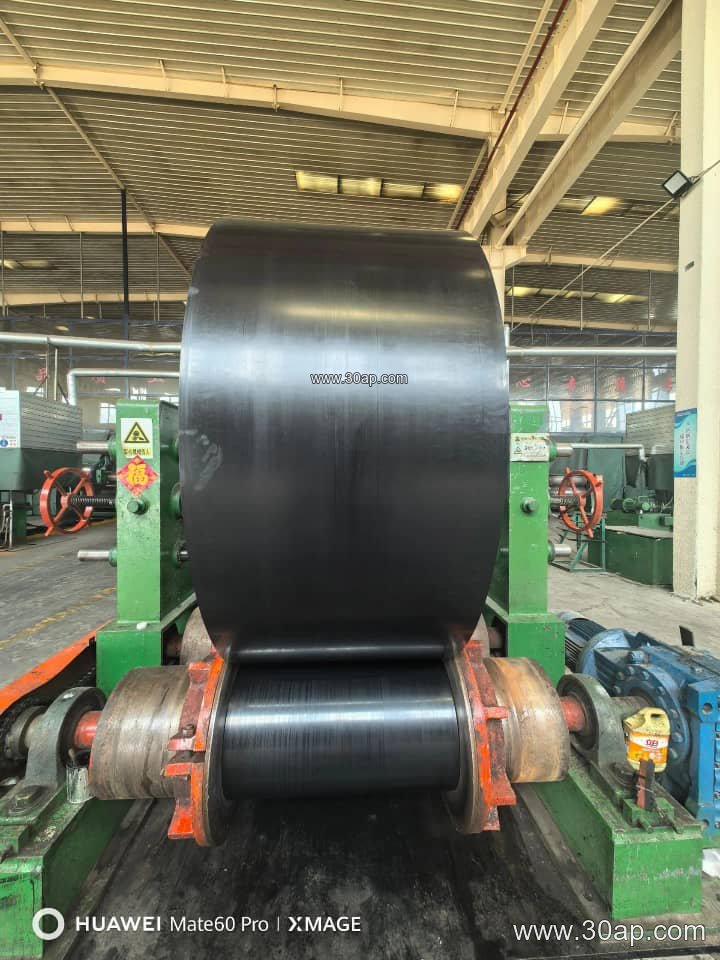
Check the conveyor pulley and idler roller alignment during installation. A misaligned bend pulley or worn idler roller can cause edge damage even on a correctly specified belt. Keep loading points centered and use impact beds where fall height is significant. Store spare belts away from sunlight and ozone sources. When splicing, follow the manufacturer’s step length and cure schedule; a poor splice is a common cause of premature failure.
For buyers comparing offers, ask for the carcass construction, cover compound data, edge type, and splice method in writing. A belt described only by its tensile grade leaves too much undefined. The EP1250 conveyor belt is a capable workhorse when the full specification matches the conveyor it runs on.