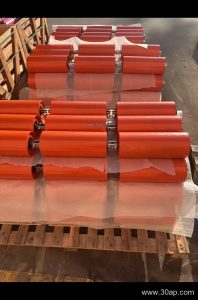
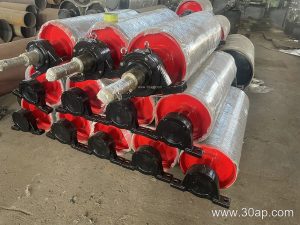
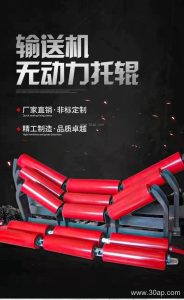
What a Guide Idler Bracket Does
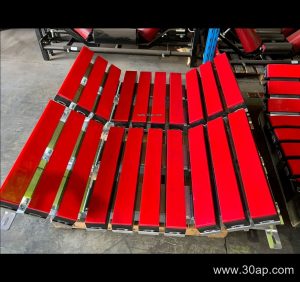
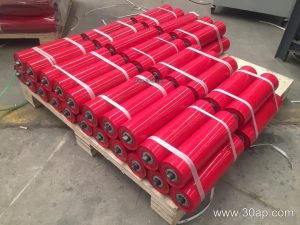
A guide idler bracket is the mounting component that positions and secures idler rollers along a conveyor system. While often overlooked, this bracket directly influences belt tracking, load distribution, and the overall stability of the conveyor line. In industries such as quarrying, limestone mining, and sand and gravel plants, proper belt alignment is critical to prevent spillage and premature wear. The guide idler bracket works in tandem with the conveyor belt and idler roller to maintain the correct belt path, especially on long or curved routes.
Unlike drive, tail, or bend pulleys, which transmit power or change belt direction, the guide idler bracket is a stationary support element. It does not drive the belt but ensures that the idler rollers are held at the correct angle and spacing. This distinction is important when specifying components: a guide idler bracket cannot be replaced by a pulley, nor should it be confused with other bracket types such as impact or transition brackets, which serve different purposes.
Construction and Common Materials
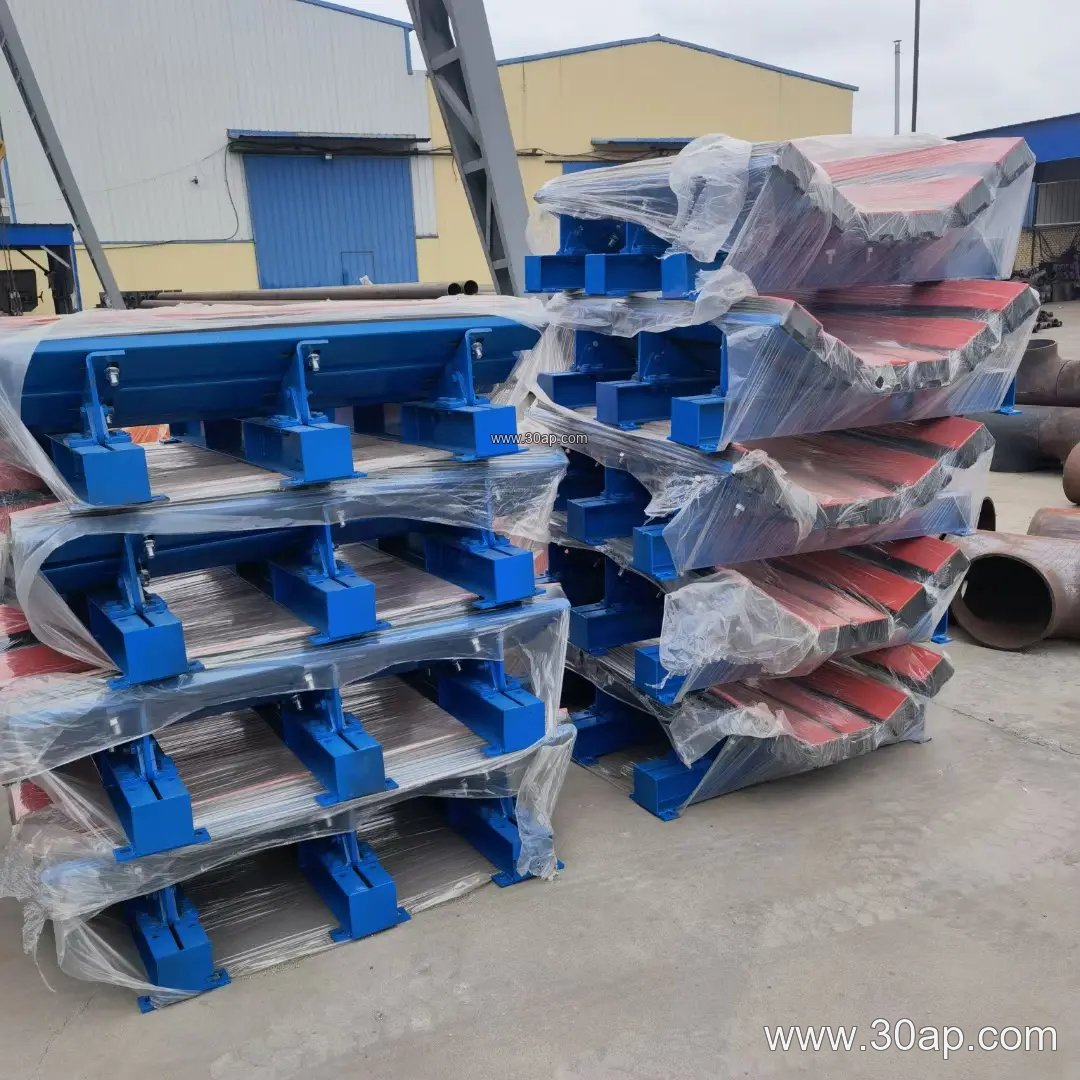
Guide idler brackets are typically fabricated from angle steel, channel steel, or bent steel plate. The choice of material depends on the load and environmental conditions. For heavy-duty mining conveyor belts and abrasive ore conveyor belts, thicker gauge steel is often used to resist vibration and impact. The bracket design includes mounting holes and slots that allow for adjustment of the idler position, which is essential for fine-tuning belt tracking.
Common surface treatments include painting or galvanizing to protect against corrosion, particularly in coal mining conveyor belt systems where moisture and dust are prevalent. The bracket must be rigid enough to prevent deflection under the weight of the belt and material, yet versatile enough to accommodate different idler diameters and belt widths.
Installation and Adjustment
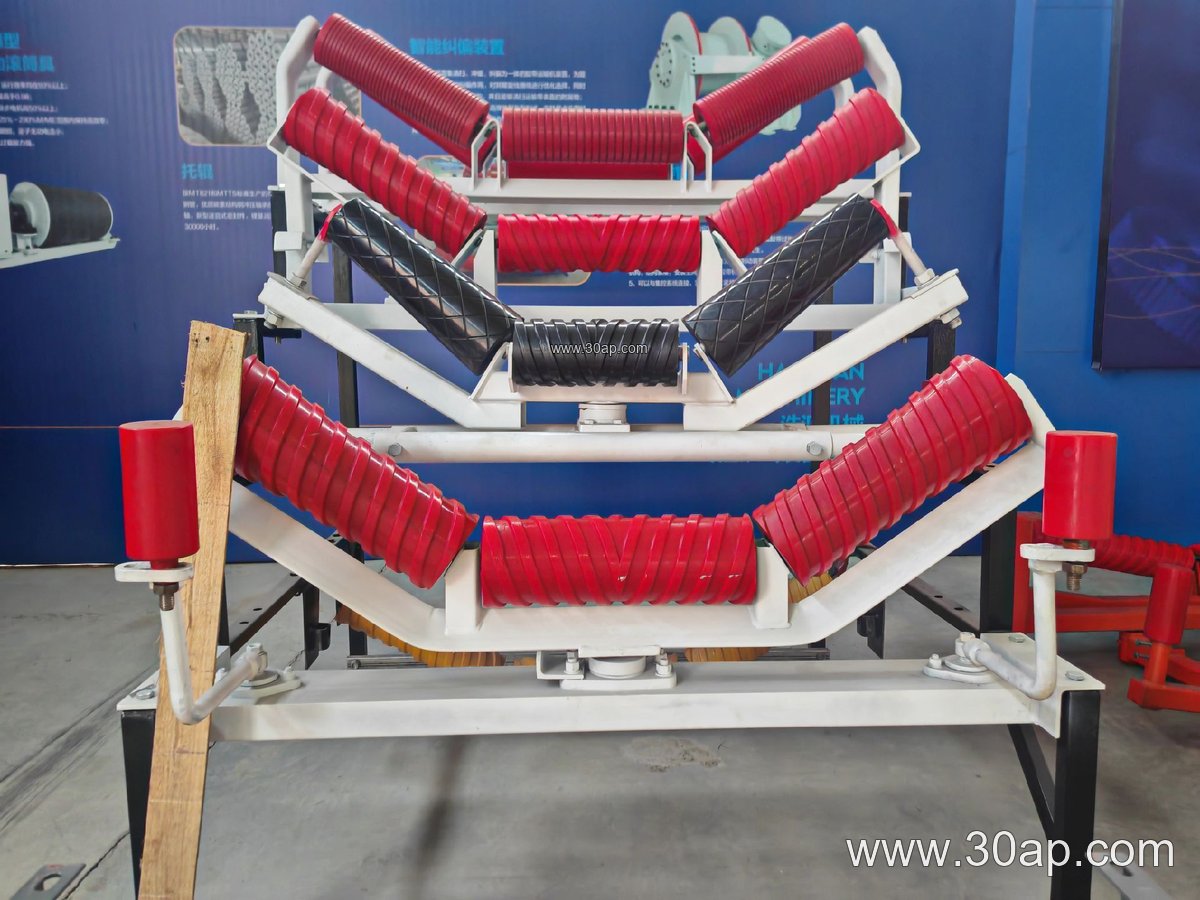
Installation of a guide idler bracket requires attention to alignment with the conveyor frame. The bracket is usually bolted to the stringer or cross member, and its position can be adjusted to achieve the desired belt contact. In a typical setup, the bracket holds the idler at a specific trough angle, such as 20, 30, 35, or 45 degrees. Adjustable brackets allow operators to change the trough angle to suit different loading conditions or belt types.
For example, a B800 conveyor belt with a 35-degree trough angle might use a bracket designed to hold Ø108 idler rollers. However, the bracket is not limited to one combination; the same bracket design may accommodate various belt widths and roller diameters depending on the mounting hole pattern. It is important to consult the conveyor design to ensure compatibility.
Key Selection Considerations
When selecting a guide idler bracket, buyers should consider the belt width, idler diameter, and required trough angle. Common belt widths include B500, B650, B800, B1000, B1200, B1400, B1600, B1800, B2000, B2200, and wider. Idler diameters often range from Ø89 to Ø194. The bracket must also match the conveyor frame dimensions and the expected load. For high-abrasion applications, such as handling iron ore or copper ore, reinforced brackets may be necessary.
Additionally, the bracket should be compatible with the conveyor belt type. For instance, a steel cord conveyor belt or a multi-ply fabric core conveyor belt may require different support spacing than a chevron conveyor belt or a corrugated sidewall conveyor belt. While the bracket itself is not belt-specific, its placement and the idler it holds must suit the belt’s characteristics.
Maintenance and Troubleshooting
Regular inspection of guide idler brackets helps prevent belt misalignment and reduces downtime. Check for loose bolts, bent brackets, or worn mounting holes. In dusty environments like cement plants or coal handling facilities, accumulations can cause the bracket to shift, so cleaning is part of routine maintenance. If the belt begins to track off-center, the bracket alignment and idler condition should be reviewed first.
Replacing a damaged bracket with the correct type is essential. Using a bracket that is too light for the application can lead to frequent failures, while an oversized bracket may interfere with other components. Always refer to the conveyor manufacturer’s specifications for the appropriate bracket model and mounting dimensions.
Where Guide Idler Brackets Are Used
Guide idler brackets are found in a wide range of bulk material handling systems. In a stone crushing plant, they support the conveyor belt that transports aggregate from the crusher to the screening area. In a power plant coal yard, they help maintain belt alignment on long overland conveyors. Other common applications include fertilizer plants, grain silos, and tunnel excavation projects where space is limited and reliable tracking is critical.
Regardless of the industry, the guide idler bracket plays a supporting role that directly affects the efficiency and lifespan of the conveyor belt and idler roller. By choosing the right bracket and maintaining it properly, operators can reduce belt damage and improve overall system reliability.