What an Anti-Sticking Idler Is
An anti-sticking idler is a specialized conveyor idler roller designed to prevent material buildup on its surface, which is a common problem when handling wet, sticky, or fine bulk materials. Unlike standard idlers that may accumulate carryback, this type incorporates features that discourage adherence, helping maintain belt alignment and reducing maintenance downtime. In industries such as coal mining, cement plants, and aggregate operations, where moisture and fines are prevalent, using an anti-sticking idler can significantly improve conveyor reliability.
Construction and Design Features
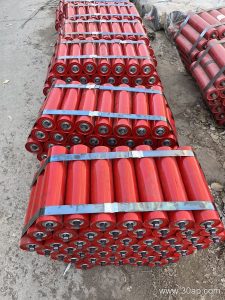
The anti-sticking idler typically features a smooth, non-porous roller surface made from materials like nylon, ceramic, or specially coated steel. Some designs use a helical or grooved pattern to shed material. The sealing system is also critical; advanced labyrinth seals or contact seals keep dust and moisture out of the bearing cavity. Common bearing sizes include 6204, 6205, 6305, and 6306, selected based on load and speed requirements. Roller diameters often range from Ø63 to Ø159, with lengths matched to belt width and trough configuration. For instance, a three-roll troughing set for a 1000mm wide conveyor might use rollers around 380mm long, but exact dimensions are determined by the conveyor design.
Where It Fits on the Conveyor
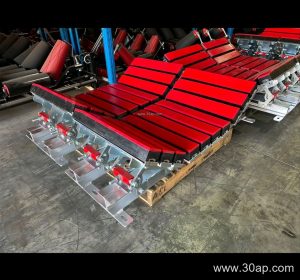
Anti-sticking idlers are most effective in the carry side, particularly in the loading zone and along sections where wet material is present. They can be used as troughing idlers, impact idlers, or return idlers. In a coal mining conveyor, for example, they help prevent coal fines from building up on the idler surface, which can cause belt misalignment and premature wear. Similarly, in a cement plant handling clinker or raw meal, anti-sticking properties reduce the need for frequent cleaning.
Key Selection Parameters
When choosing an anti-sticking idler, consider the following parameters. The table below provides common reference values; actual specifications should be confirmed with the manufacturer.
| Parameter | Common Range/Options |
|---|---|
| Roller Diameter | Ø63, Ø76, Ø89, Ø102, Ø108, Ø127, Ø133, Ø159 |
| Belt Width (B) | B500, B650, B800, B1000, B1200, B1400, B1600 |
| Trough Angle | 20°, 30°, 35°, 45° |
| Roller Surface | Nylon, ceramic, rubber ring, steel |
| Bearing | 6204, 6205, 6305, 6306, 6308 |
| Roller Length (example for 3-roll) | 200mm (B500), 250mm (B650), 315mm (B800), 380mm (B1000), 465mm (B1200) |
Note that roller length varies with belt width and trough angle, and side rollers may differ from center rollers. Always consult the conveyor designer for exact dimensions.
Application Notes
Anti-sticking idlers are widely used in mining, quarrying, and bulk material handling. In a sand and gravel plant, they help maintain smooth operation when conveying wet sand. In power plant coal handling, they reduce buildup from moist coal. They are also beneficial in fertilizer and food processing where material adherence is a concern. When specifying, consider the material’s moisture content and stickiness; for highly adhesive materials, ceramic or nylon surfaces may be preferred. Pairing with proper belt cleaning systems enhances performance.
Buyer’s Checklist
- Confirm the idler’s roller surface material and pattern suit your material.
- Verify bearing type and sealing arrangement for dust and moisture resistance.
- Check that roller diameter and length match your conveyor’s belt width and trough angle.
- Ensure the idler is compatible with your existing conveyor brackets and frames.
- Consider the operating environment: temperature, corrosion, and load.
For reliable conveyor performance, anti-sticking idlers are a practical choice in challenging bulk handling applications. Visit example.com for more information on idler rollers and conveyor components.