What a Power Plant Conveyor Belt Has to Handle
A power plant conveyor belt is the carrying element in the fuel yard, boiler feed, ash handling and limestone preparation lines of a thermal station. It moves coal from the stockpile or wagon tippler to the crusher house, lifts limestone to the mill, and takes bottom ash or gypsum toward the disposal area. Compared with a quarry or sand making plant line, the duty here is often continuous, the transfer points are enclosed, and the material can arrive hot, wet, oily or abrasive.
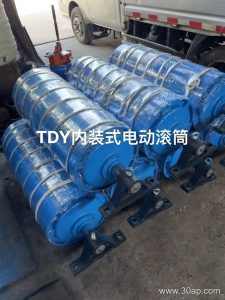
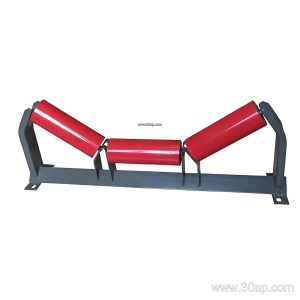
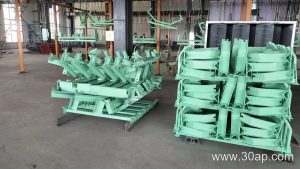
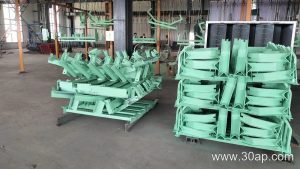
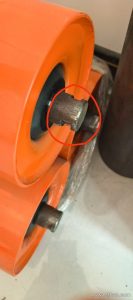
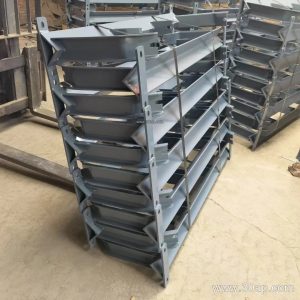
Because a station may run the same line for years, the belt is selected as a system rather than a single item. The conveyor pulley at the head end, the tail pulley, bend pulleys and the idler roller sets all influence how the belt tracks and how long the cover lasts. A conveyor bracket that is out of alignment can damage the edge of a heavy-duty belt within weeks.
Construction of the Belt
The carcass carries the tension, and the rubber covers protect it. In a power plant, three carcass families appear most often:
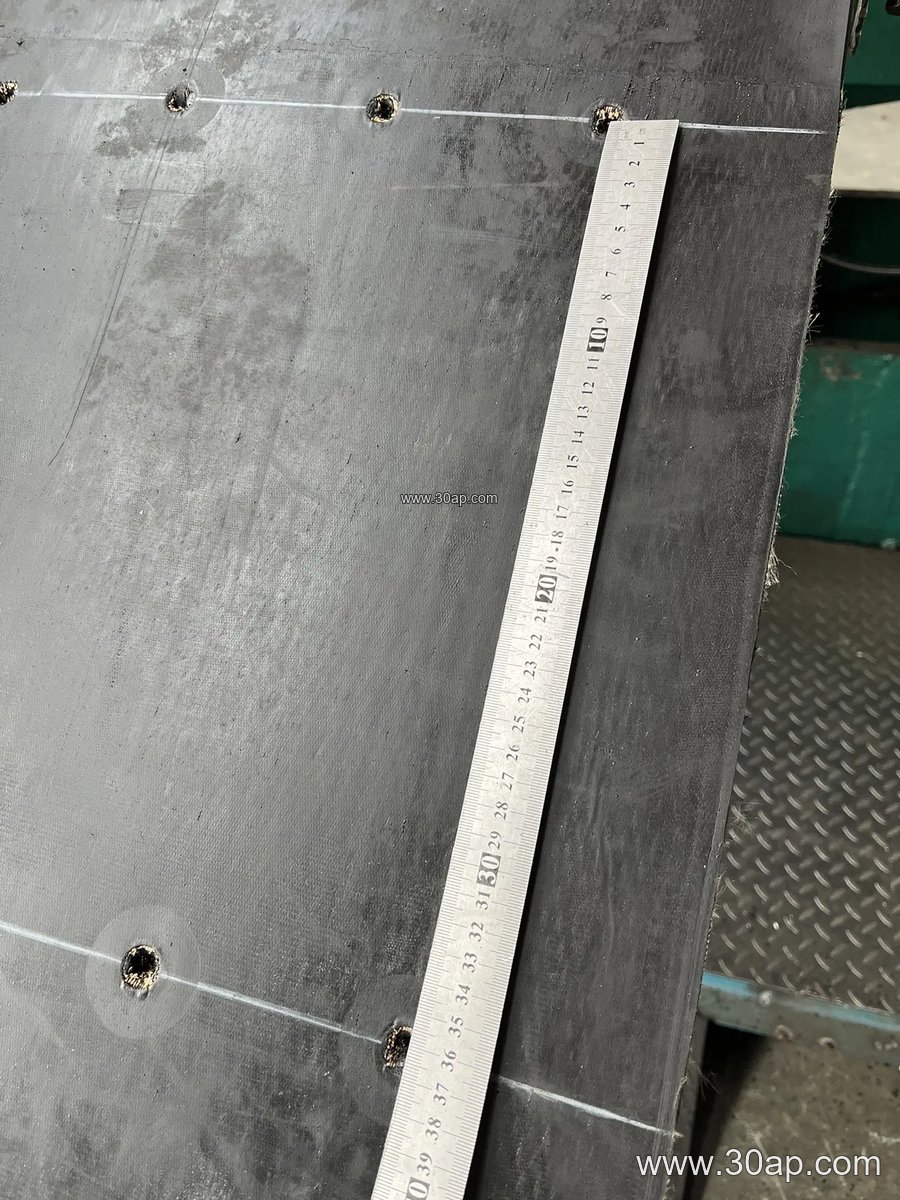
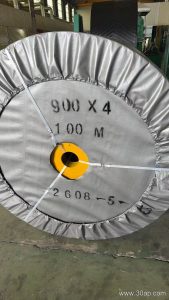
- Fabric core belts such as EP conveyor belt and NN conveyor belt, usually 2 to 6 plies, used on yard and transfer conveyors of moderate length.
- Steel cord conveyor belt for long overland runs and high tonnage, where low stretch and high strength matter.
- PVC and PVG belts for underground or enclosed sections where flame resistance is required; PVG800S is a common reference in coal handling.
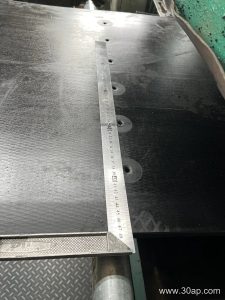
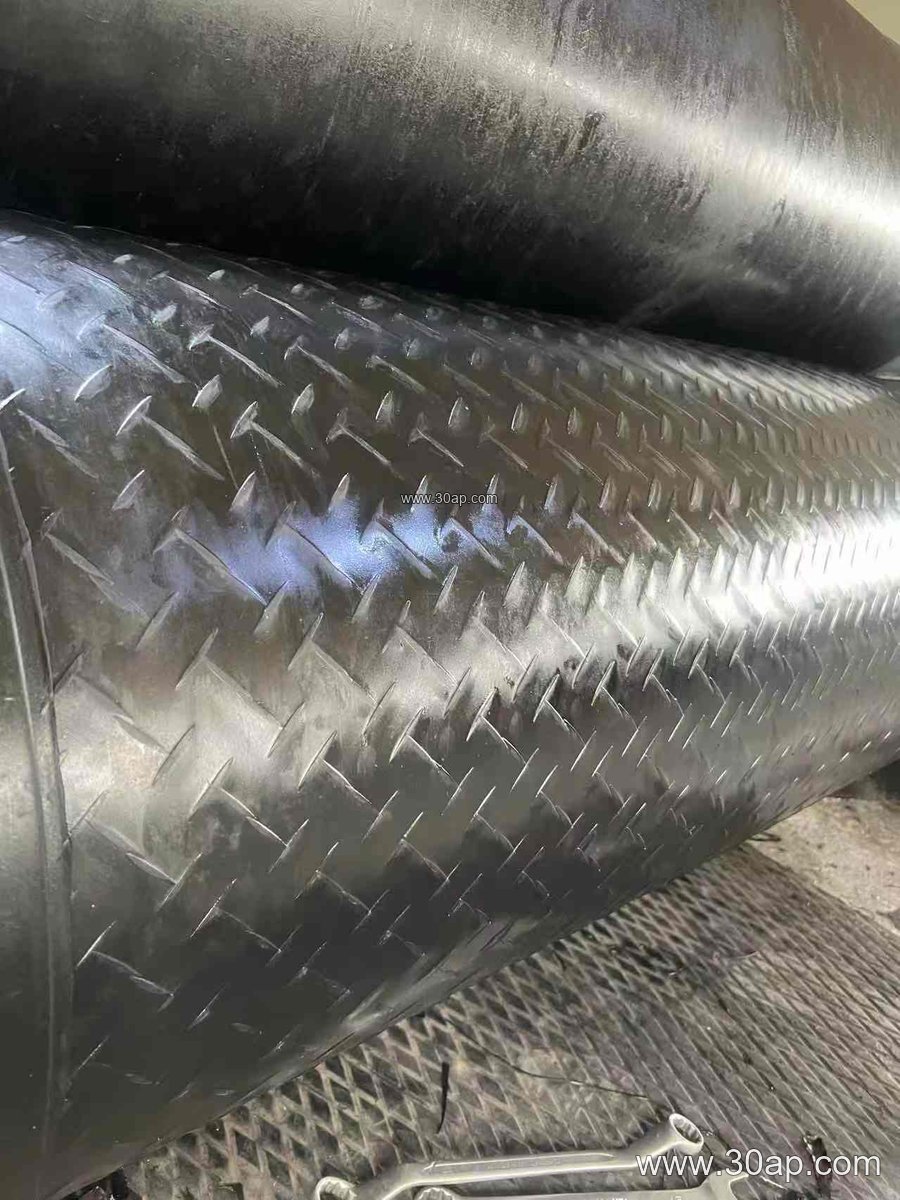
Covers are described by top and bottom thickness, for example 4+2 mm, 5+2 mm or 6+2 mm, with 8+3 mm on impact-heavy receiving belts. The compound is chosen by duty: abrasion resistant conveyor belt at the crusher discharge, heat resistant conveyor belt after the boiler or near hot ash, oil resistant conveyor belt where lubricant drips, and flame retardant or fire resistant conveyor belt in enclosed coal galleries.
Common Specifications
Values below are typical reference ranges, not fixed supply promises. Final figures are confirmed by design for each conveyor.
| Item | Common reference |
|---|---|
| Belt width | B650, B800, B1000, B1200, B1400, B1600, B1800, B2000 |
| EP strength grade | EP200, EP315, EP400, EP500, EP630, EP800, EP1000, EP1250 |
| Steel cord grade | ST1000, ST1250, ST1600, ST2000 |
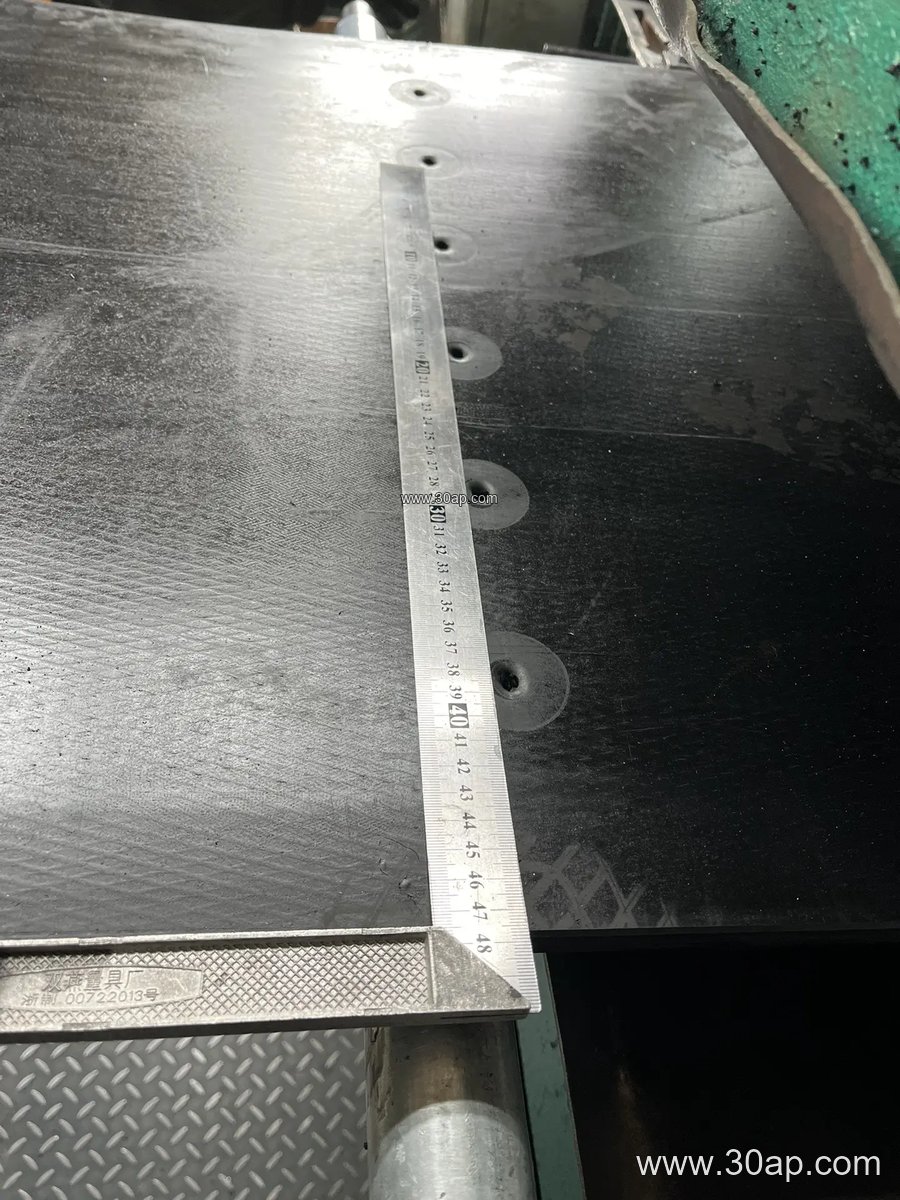
| Cover thickness | 3+1.5, 4+2, 5+2, 6+2, 8+3 mm |
| Fabric plies | 2 to 6 |
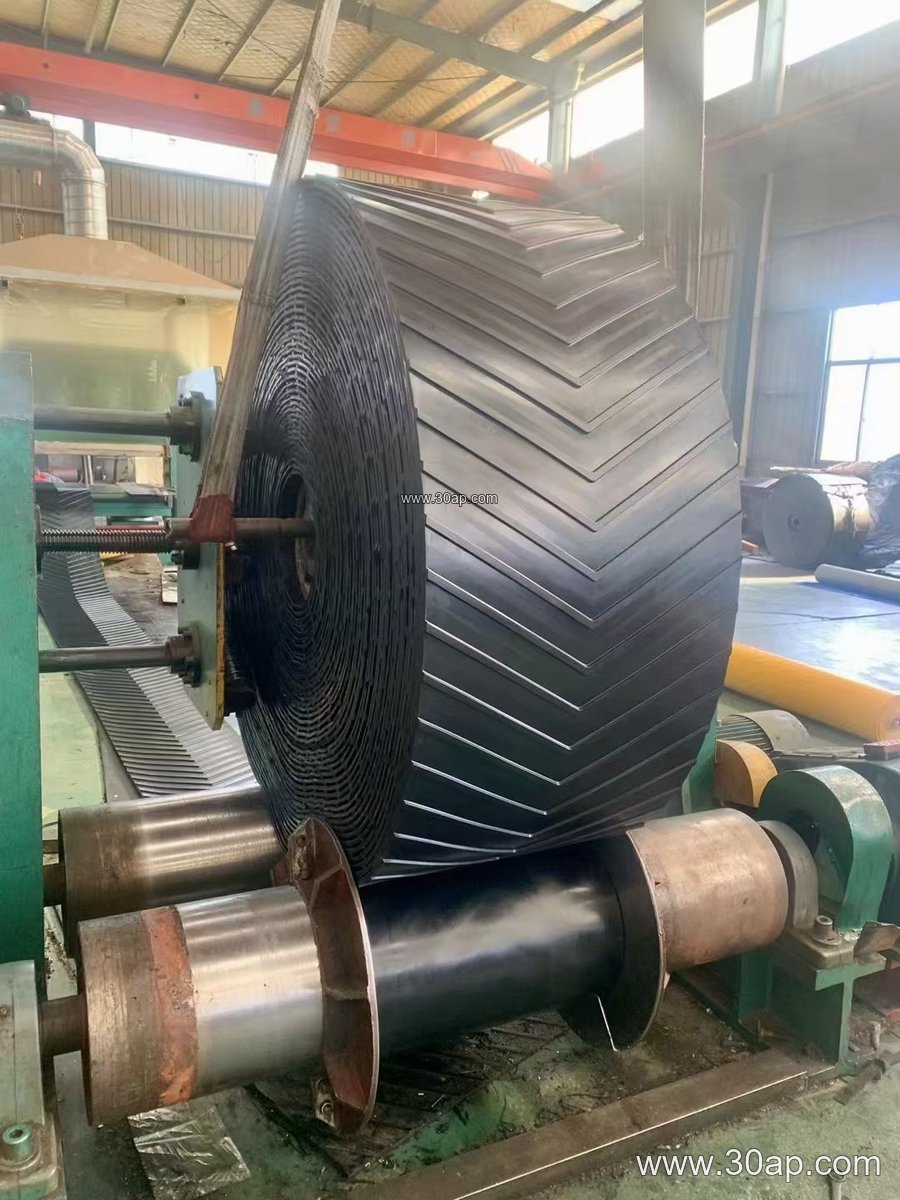
Width and pulley diameter are matched by the conveyor designer, not by a single rule. A 1200mm wide belt may run on different head and tail pulley sizes depending on tension, wrap angle and belt stiffness. Surface forms such as chevron conveyor belt, corrugated sidewall conveyor belt or skirted conveyor belt are added when the incline is steep or the material must be contained.
Where It Is Used
Coal mining conveyor belt and underground coal mining conveyor belt designs also serve power station coal yards, since the same flame retardant and anti-static properties are demanded in tunnels and galleries. In the ash area, a heat resistant grade handles clinker and dry ash, while a cold resistant belt is chosen for yards that operate through freezing winters. Limestone and gypsum lines behave more like a cement plant conveyor belt duty, so abrasion resistance dominates. Port conveyor belt and ship loading conveyor belt systems at coastal stations use wide, high strength belts, often EP1000 or steel cord, to move fuel from jetty to stockyard.
Related hardware matters as much as the belt. Idler roller spacing, pulley lagging and belt cleaner condition affect cover wear. For questions on matching a belt to your conveyor pulley and idler roller layout, see https://www.example.com/power-plant-conveyor-belt/ or discuss the drive arrangement with the line designer.
Buyer Checklist
- State the material, lump size, temperature and moisture, plus any oil or chemical exposure.
- Give the conveyor length, incline, capacity and pulley diameters so tension can be calculated.
- Confirm whether flame retardant and anti-static properties are required for the gallery or tunnel.
- Choose cover thickness by impact and wear point, not by habit.
- Ask for the splice method and check that the belt edge matches the conveyor bracket and training idlers.
- Plan spare belt, pulley lagging and idler roller stock for the highest-wear transfer points.
For abrasion resistant conveyor belt and heat resistant conveyor belt options used in boiler and ash service, more detail is available at https://www.example.com/abrasion-resistant-conveyor-belt/ and https://www.example.com/heat-resistant-conveyor-belt/. A correctly specified power plant conveyor belt, supported by well-aligned pulleys and steady idler roller maintenance, keeps fuel and ash moving with fewer unplanned stops.