What a PVC Mining Conveyor Belt Is
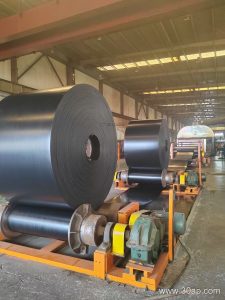
A PVC Mining Conveyor Belt is a solid-woven or fabric-reinforced belt with polyvinyl chloride covers, built for moving crushed rock, coal, ore and other bulk materials in mines, quarries, cement plants, power stations and sand and gravel yards. The PVC cover gives the belt a smooth, non-porous surface that resists moisture, mildew and many mild chemicals, while the fabric carcass carries the tension. In practice, buyers often call this product a PVC conveyor belt or a solid woven PVC belt; both refer to the same family. It is not a rubber belt with a PVC coating added for appearance, and it should not be confused with a PVG conveyor belt, which uses a different cover compound and is usually chosen for heavier underground duty.
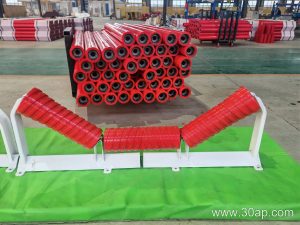
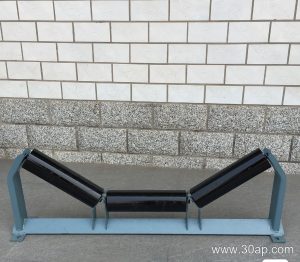
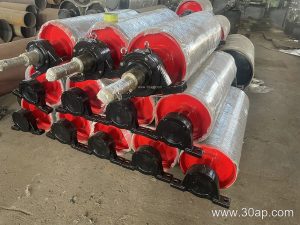
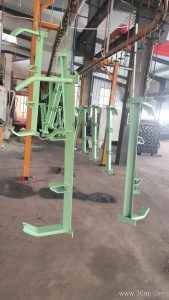
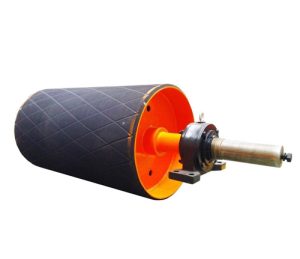
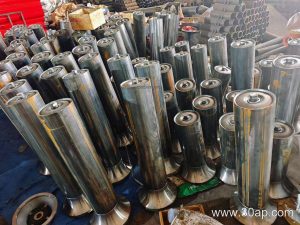
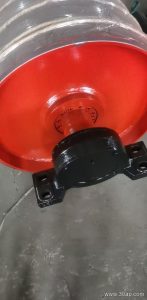
Within a plant, the belt runs over idler rollers, turns around drive, tail and bend pulleys, and is held in line by conveyor brackets and frames. Each of those parts does a separate job, and none is a substitute for another when a conveyor is being specified.
Construction and Typical Build
The carcass is normally a multi-ply fabric core, woven or laminated, with PVC paste or PVC covers on both faces. Common constructions use two to six plies, and cover thickness is stated as top plus bottom, for example 3+1.5 mm, 4+2 mm or 5+2 mm. A thin cover is enough for clean, fine material; a thicker top cover helps where lumps fall onto the belt at a transfer point.
Because the cover is thermoplastic, the belt can be spliced by hot pressing or by mechanical fasteners, and it can be made endless for short, fixed centres. Anti-static grades are available for locations where static build-up is a concern. Flame retardant versions exist for underground coal mining conveyor belts and other enclosed drifts, but the required grade should always be confirmed with the site’s safety rules rather than assumed.
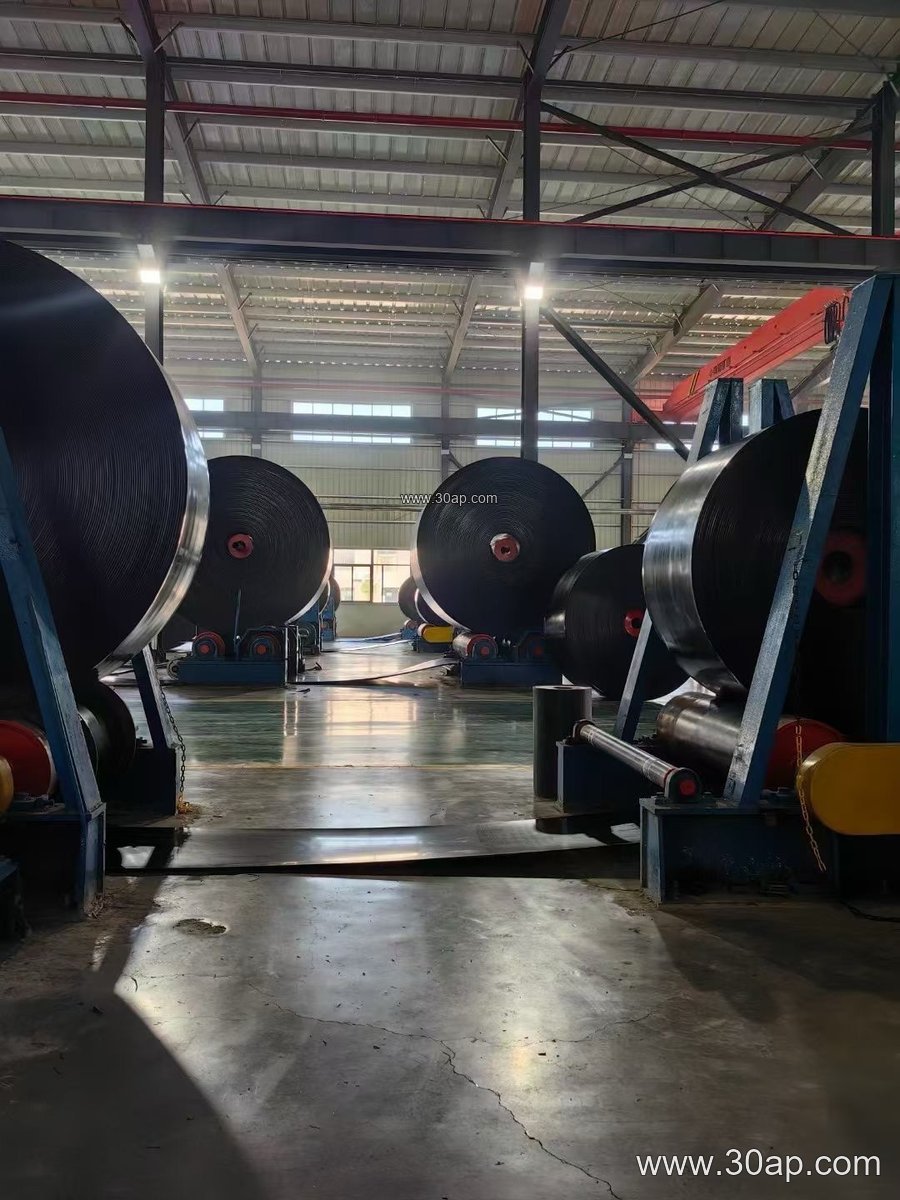
Where It Fits in Mining and Processing
PVC belts are common on medium-duty runs: raw coal and gangue lines, cement clinker and limestone handling, aggregate conveyor belts in quarries, and bulk material conveyor belts in ports and ship loading. They also appear in sand making plants and stone crushing circuits feeding a crusher conveyor belt.
- Coal preparation and underground coal mining conveyor belts where flame retardant and anti-static properties are requested.
- Quarry and aggregate lines moving screened stone at moderate loads.
- Cement plants and power plants handling clinker, limestone and ash.
- Recycling and construction sites where moisture and fine dust are present.
For very long hauls, high tonnage or sharp, heavy ore, a steel cord conveyor belt or a high-strength EP conveyor belt is often a better match, and an abrasion resistant conveyor belt with a rubber cover may last longer under impact. Those are comparisons, not replacements: the PVC Mining Conveyor Belt remains the right choice where its cover properties and moderate strength suit the duty.
Common Reference Sizes
The table below lists reference values only. Actual belt width, strength and cover thickness are set by the conveyor design, the material lump size and the tonnage required.
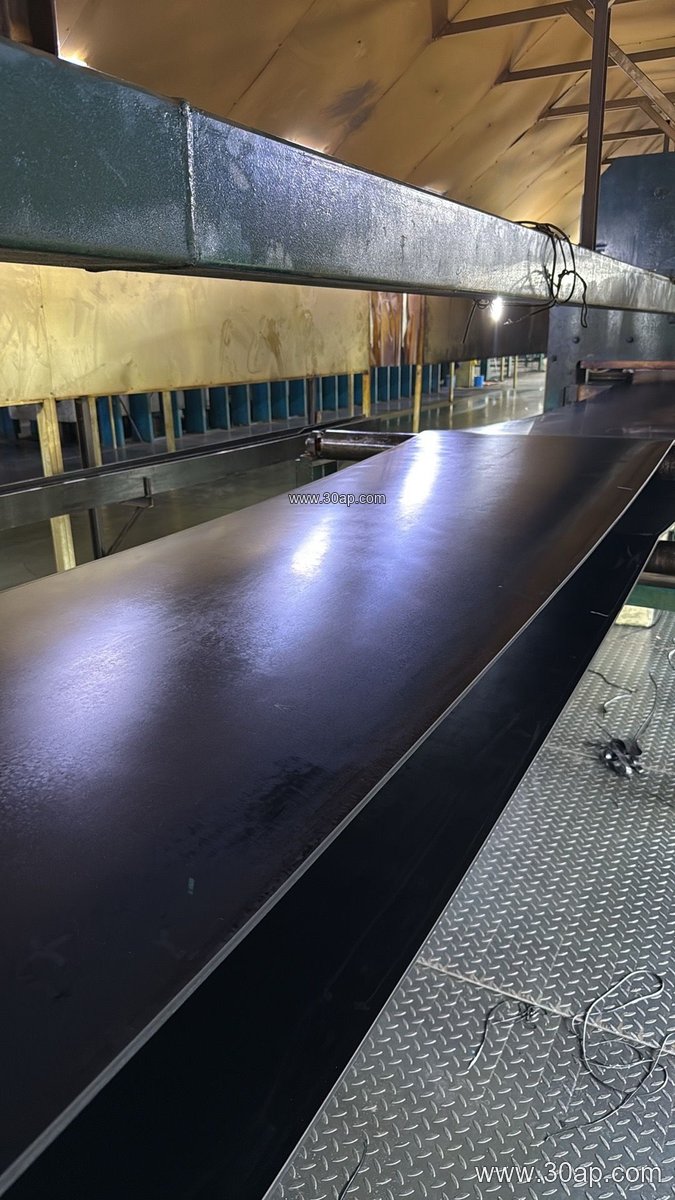
| Parameter | Typical reference range |
|---|---|
| Belt width | B500, B650, B800, B1000, B1200, B1400, B1600 |
| Carcass strength (fabric) | EP200 to EP1000, or NN100 to NN400 depending on design |
| Number of plies | 2 to 6 |
| Cover thickness (top + bottom) | 3+1.5 mm, 4+2 mm, 5+2 mm, 6+2 mm |
| Surface options | Smooth, chevron conveyor belt profile, corrugated sidewall with skirted edges |
A 650mm or 800mm belt is common on secondary lines, while 1000mm and 1200mm widths appear on main trunk conveyors. Wider belts such as 1400mm or 1600mm are used where throughput is high. None of these sizes is mandatory, and a belt width does not dictate a single pulley diameter; the pulley size follows the shaft load and the carcass flexibility, which the conveyor designer calculates.
What a Buyer Should Check
First, confirm the material: lump size, moisture, temperature and any oil or chemical contact. A standard PVC cover is not a heat resistant conveyor belt, and hot clinker or sinter needs a different compound. Second, check the splice method and whether the belt must be endless. Third, ask for the cover grade and the anti-static or flame retardant data if the route runs underground.
On site, keep idler rollers turning freely and check that drive and tail pulleys are aligned, since a misaligned pulley wears the belt edge quickly. Clean spillage from bend pulleys and brackets so material does not lodge against the cover. Store spare rolls indoors, away from sharp edges and direct sunlight.
For a full selection of belts, rollers and pulleys, visit conveyorbeltingpro.com and review the conveyor belt options before fixing the specification.