What the Conveyor Tail Pulley Does
A conveyor tail pulley sits at the rear end of a belt conveyor, opposite the drive. Its main job is to change the direction of the returning belt and guide it back into the carrying run. On a typical stone crushing line or a cement plant clinker transport route, this component quietly keeps the belt tracking and tensioned. Unlike a drive pulley, which transmits power, or a bend pulley used to adjust belt wrap, the tail pulley is mainly a redirecting and tensioning element. It is often mounted on a sliding frame or take-up device so the belt can be kept at the right tension as it stretches during service.
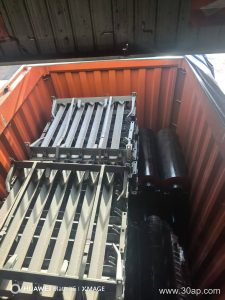
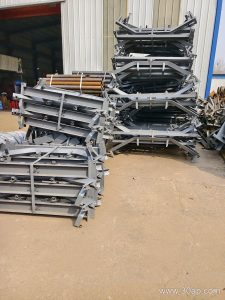
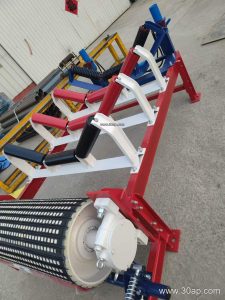
In many plants, the tail pulley works together with a conveyor bracket and a set of idler rollers to form a stable belt loop. If the tail pulley is misaligned or worn, the belt may drift, spill material, or wear unevenly along its edges. That is why operators in quarry, power plant coal handling, and sand and gravel plants pay close attention to this part during maintenance.
Construction and Surface Options
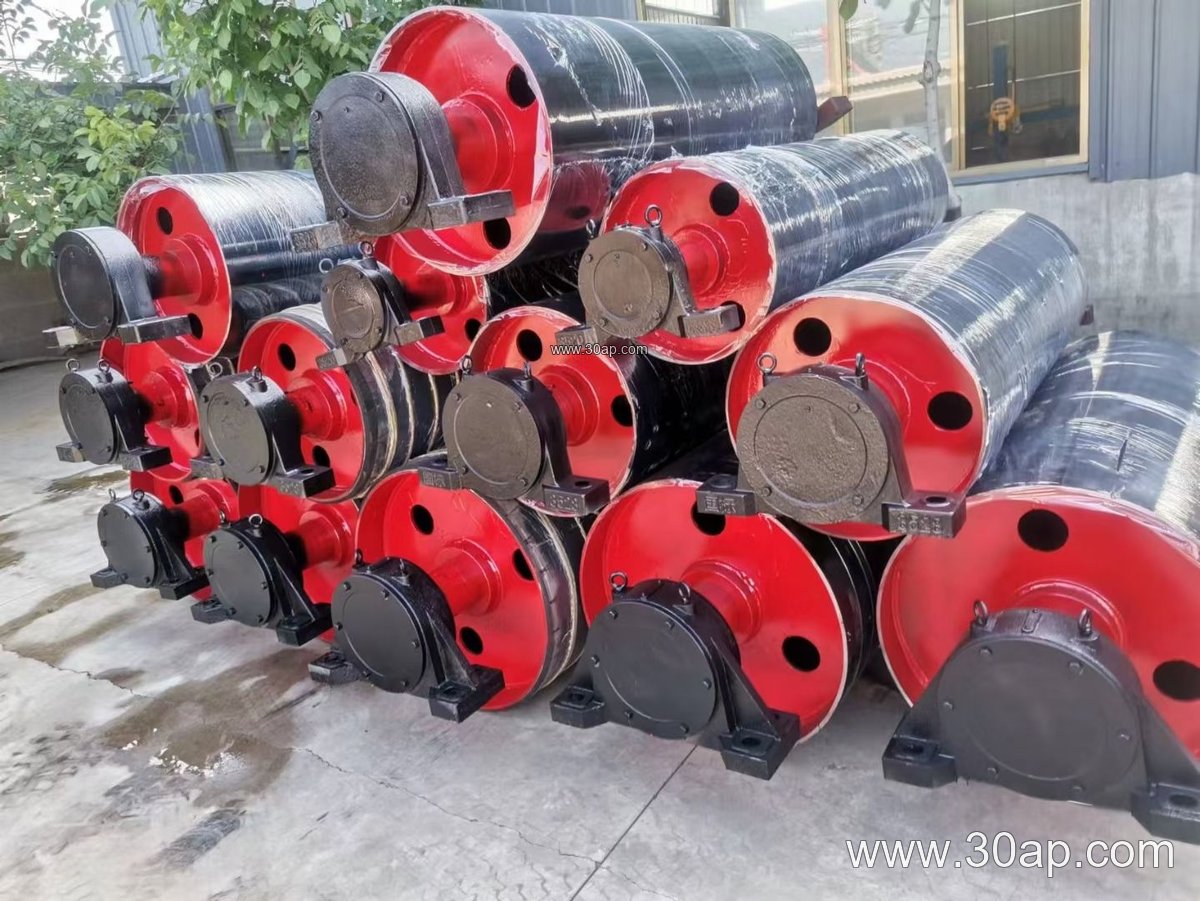
The tail pulley is usually built as a welded steel drum with a shaft running through the center, supported by bearing housings at both ends. The shell may be plain or covered with rubber, and the shaft diameter is selected according to torque and load rather than simply matching the belt width. Common shaft sizes include Ø80, Ø100, Ø120, and Ø140 mm, while larger drums may use Ø160 or Ø180 mm shafts. The pulley diameter and face width are chosen together with the belt specification, so a B800 belt does not automatically dictate one fixed drum size.
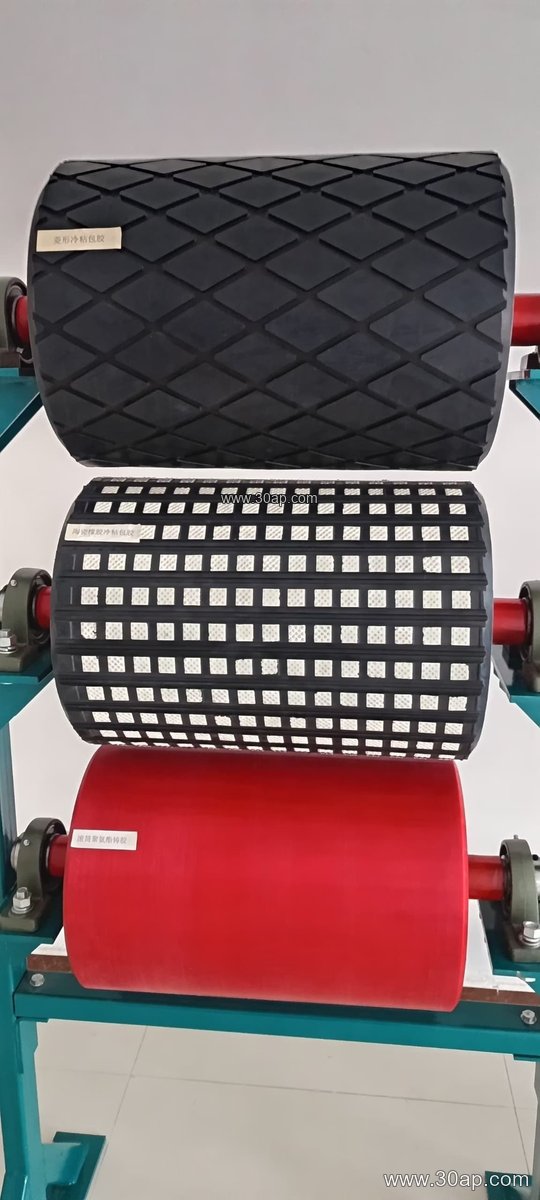
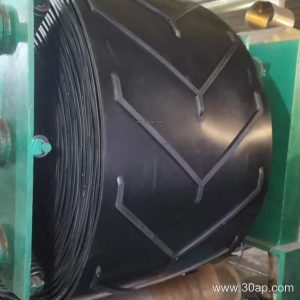
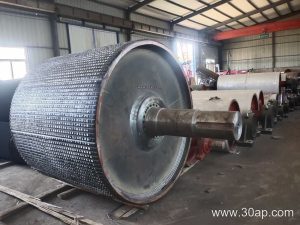
Surface treatment matters for grip and belt life. Plain steel is common in light-duty positions, while rubber lagging helps reduce slip and protects the belt. Buyers may see diamond lagging, herringbone lagging, or ceramic lagging, with lagging thickness often in the 8 to 15 mm range. For a coal mining conveyor belt or a dusty aggregate conveyor belt, lagging can also reduce material buildup on the drum face.
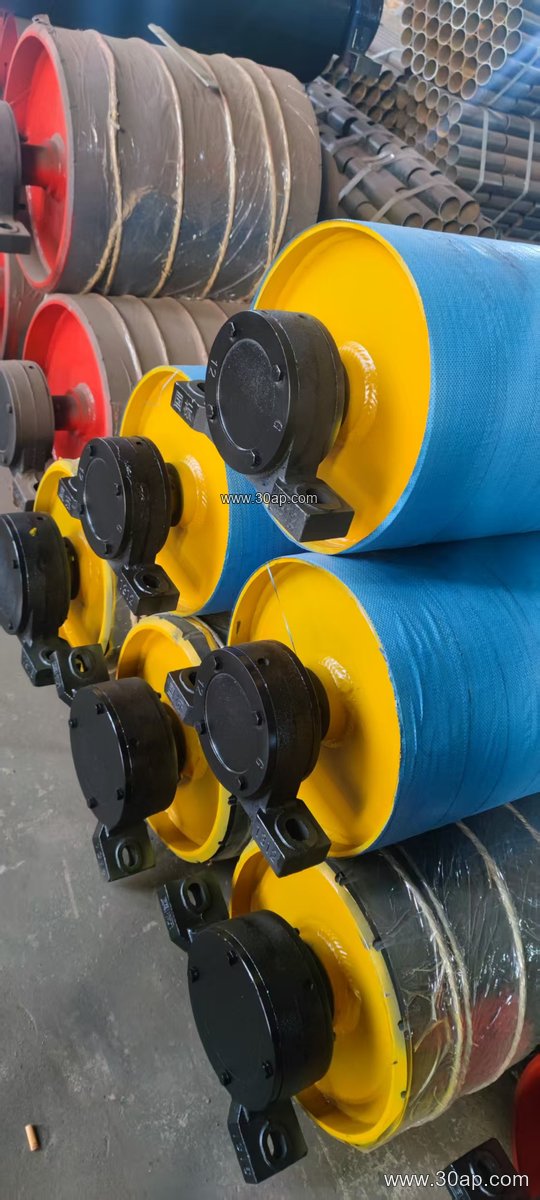
- Common face widths: about 500 mm for B400, 600 mm for B500, 750 mm for B650, 950 mm for B800, 1150 mm for B1000, and 1400 mm for B1200.
- Common diameters: Ø200, Ø250, Ø315, Ø400, Ø500, Ø630, Ø800, and larger sizes for heavy-duty service.
- Typical lagging: plain, cold-bonded rubber, hot-vulcanized rubber, diamond, herringbone, or ceramic.
This part should not be confused with a drive pulley or a bend pulley. Each has a different role, and they are not interchangeable in a conveyor layout. A tail pulley may look similar to a bend drum, but its position at the belt return end and its take-up function set it apart.
Where It Fits in Bulk Handling
In a limestone mine or iron ore concentrator, the tail pulley often sits in a dusty, abrasive environment. A rubber conveyor belt carrying coarse rock places steady load on the drum, and the return side may carry fines that stick to the surface. In a coal preparation plant, flame retardant conveyor belt and anti-static properties are important for the whole system, and the tail drum must be aligned with the belt path to avoid frictional heat. In a port bulk terminal, a wide conveyor belt such as a 1200 mm or 1400 mm unit may use a matching tail drum with a face width around 1400 to 1600 mm, but the exact combination is decided by the conveyor designer.
Other common locations include tunnel spoil removal, fertilizer handling, and grain silo discharge. In each case, the tail pulley supports the return belt and helps maintain steady tension. When the belt is an EP conveyor belt or a multi-ply fabric core conveyor belt, the pulley face should be smooth enough to avoid edge damage. For a steel cord conveyor belt, the drum and lagging are usually selected with extra care because the belt has limited tolerance for small-diameter bending.
Buyer Checklist Before Ordering
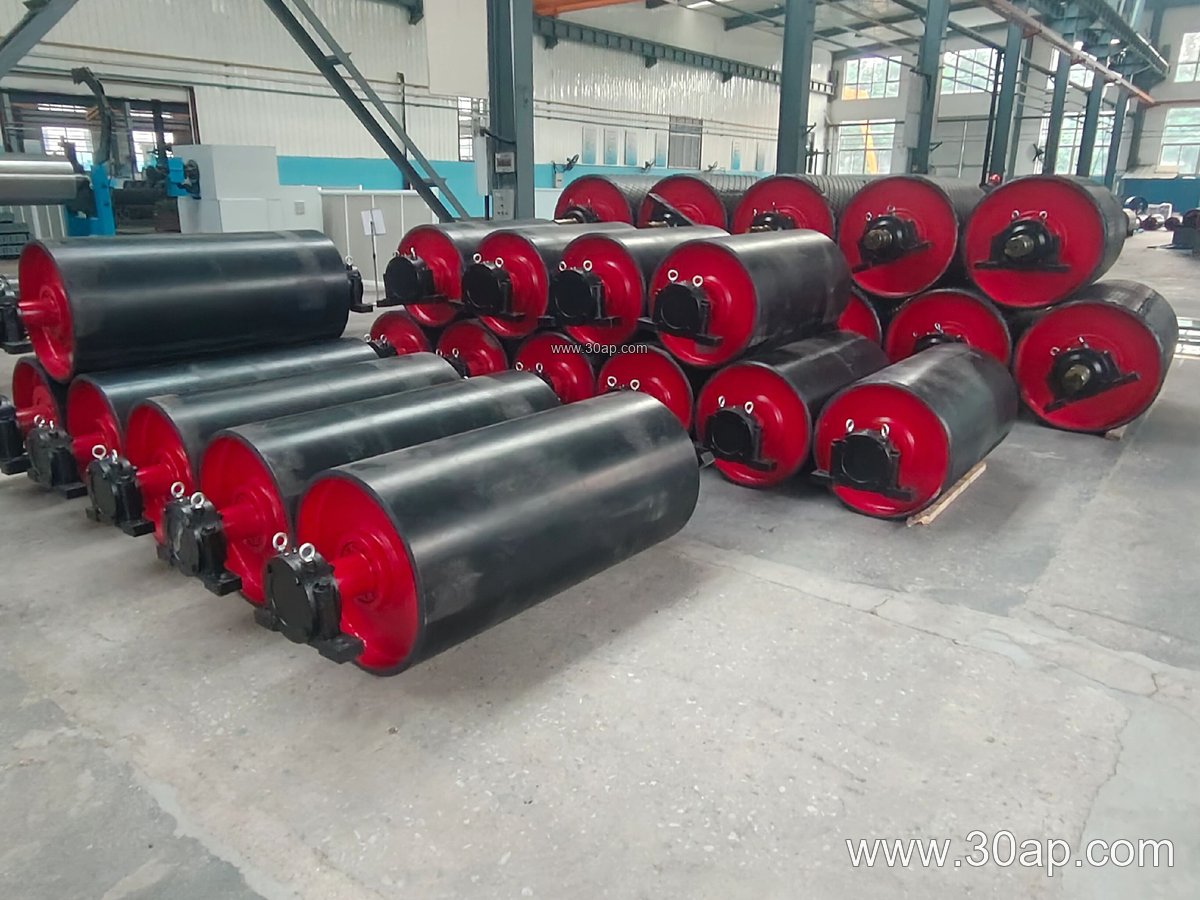
A buyer should confirm the belt width, pulley diameter, face width, shaft size, bearing type, and lagging surface before placing an order. It also helps to state the working position: head, tail, take-up, or bend. The tail pulley is not a generic drum, and using a drive pulley or bend pulley in its place can cause tracking problems. For a crusher conveyor belt or a heavy-duty mining conveyor belt, ask for a drum design that matches the actual load and starting conditions.
Maintenance teams should check lagging wear, bearing condition, and shaft alignment at regular intervals. A worn lagging surface can be re-covered, and a damaged shaft may require replacement. Keeping spare conveyor brackets and idler rollers on hand can reduce downtime when the tail drum is serviced. For more information on conveyor drums and related parts, visit our site at www.example.com/conveyor-tail-pulley and review the available options.