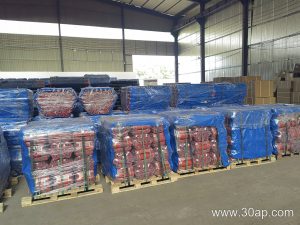
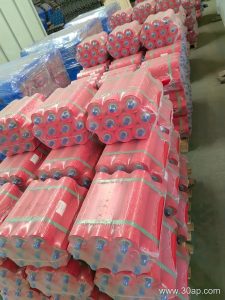
What a Composite Idler Is
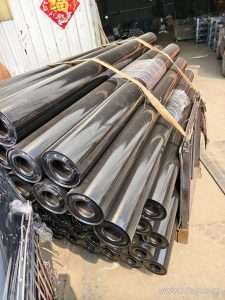
A composite idler is a conveyor idler roller whose barrel is built from a non-metallic composite material instead of a plain steel tube. In a belt conveyor line, the idler roller supports the conveyor belt and the load it carries, so the roller has to be light enough to handle, stiff enough to keep its shape, and tough enough to survive dust, moisture, and constant rotation. The composite version answers those demands by pairing a polymer shell with a metal shaft and sealed bearing housings.
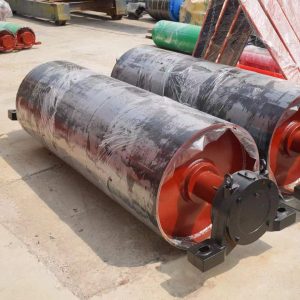
The same product is also called a composite roller or composite carry roller. Whatever name is used, it remains one family of idler, not a substitute for a conveyor pulley. Drive, tail, and bend pulleys do different work at the ends of the conveyor, and the two product groups should be specified separately.
How the Roller Is Put Together
Most designs combine four elements. The shell is a composite tube, often a reinforced polymer, molded or wound to the required outside diameter. Inside, a steel shaft runs the full width and seats in bearing housings at both ends. Sealed bearings, commonly 6204, 6205, 6305, 6306, 6308, or 6310 depending on load and roller size, keep grit out and grease in. End caps and a labyrinth seal finish the assembly and protect the bearing cavity from washdown and fine dust.
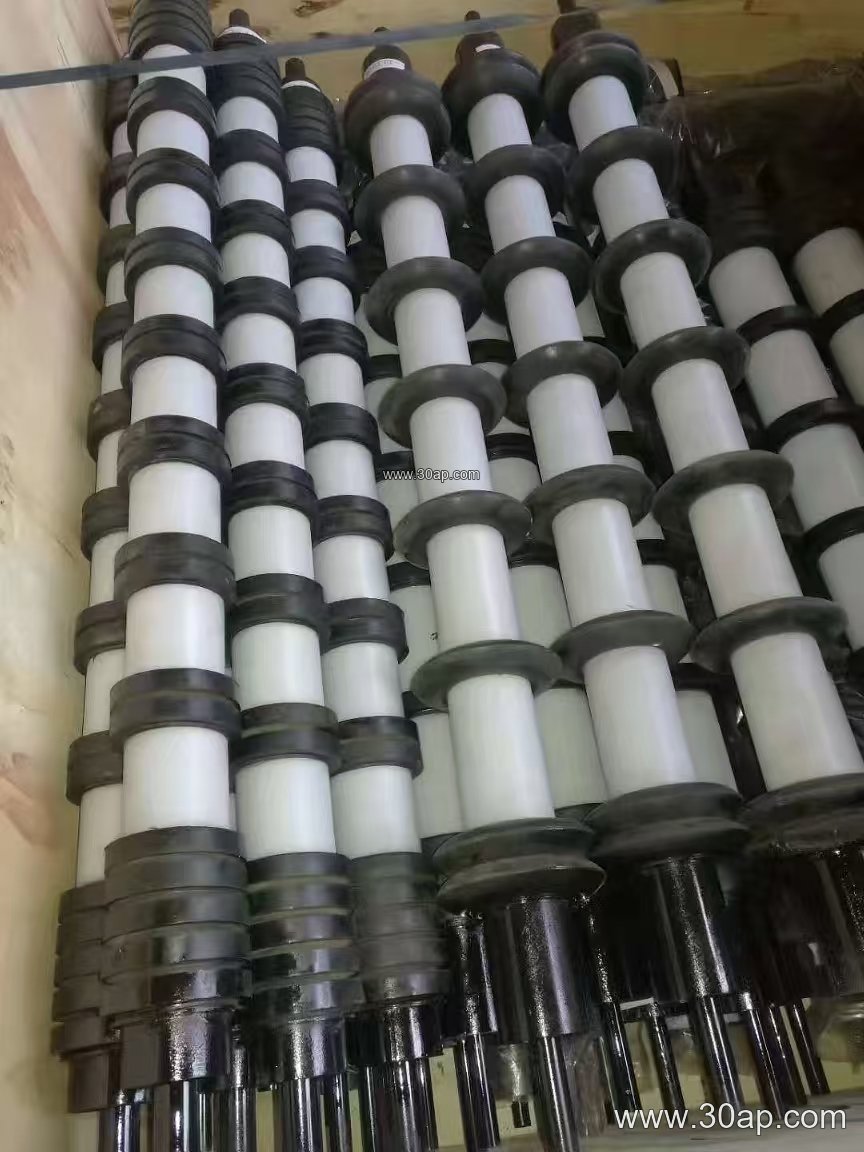
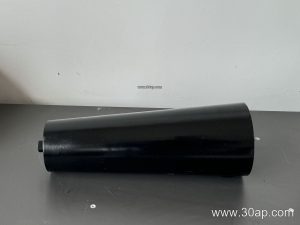
The roller face may stay smooth, or it may carry a rubber ring or ceramic sleeve where impact and wear are heavy. Roller diameter is usually chosen from a common range such as Ø63, Ø76, Ø89, Ø102, Ø108, Ø127, Ø133, Ø159, Ø178, Ø194, or Ø219, and the length follows belt width and trough configuration rather than a single fixed rule. A three-roll troughing set on a B800 belt, for example, often uses rolls around 315 mm long, while the same set on a B1200 belt may use rolls near 465 mm. Those are typical examples only; side rolls and center rolls can differ, and final dimensions are set by the conveyor design.
Where Composite Idlers Fit in a Conveyor
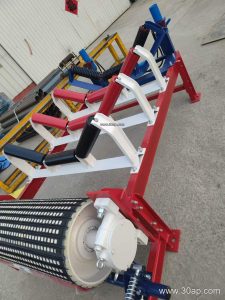
These rollers are found on the carrying side in troughing sets and on the return side in flat or V-return sets. Trough angles of 20, 30, 35, or 45 degrees are common, and a slight forward tilt of about 1.5 to 2 degrees is sometimes used on training idlers to help center the belt. In a quarry or sand and gravel line, composite rollers often sit under a heavy-duty mining conveyor belt that carries crushed rock from the crusher. In a cement plant they support clinker and raw material belts, and in a coal-fired power plant they run under the coal conveyor belt feeding the bunkers.
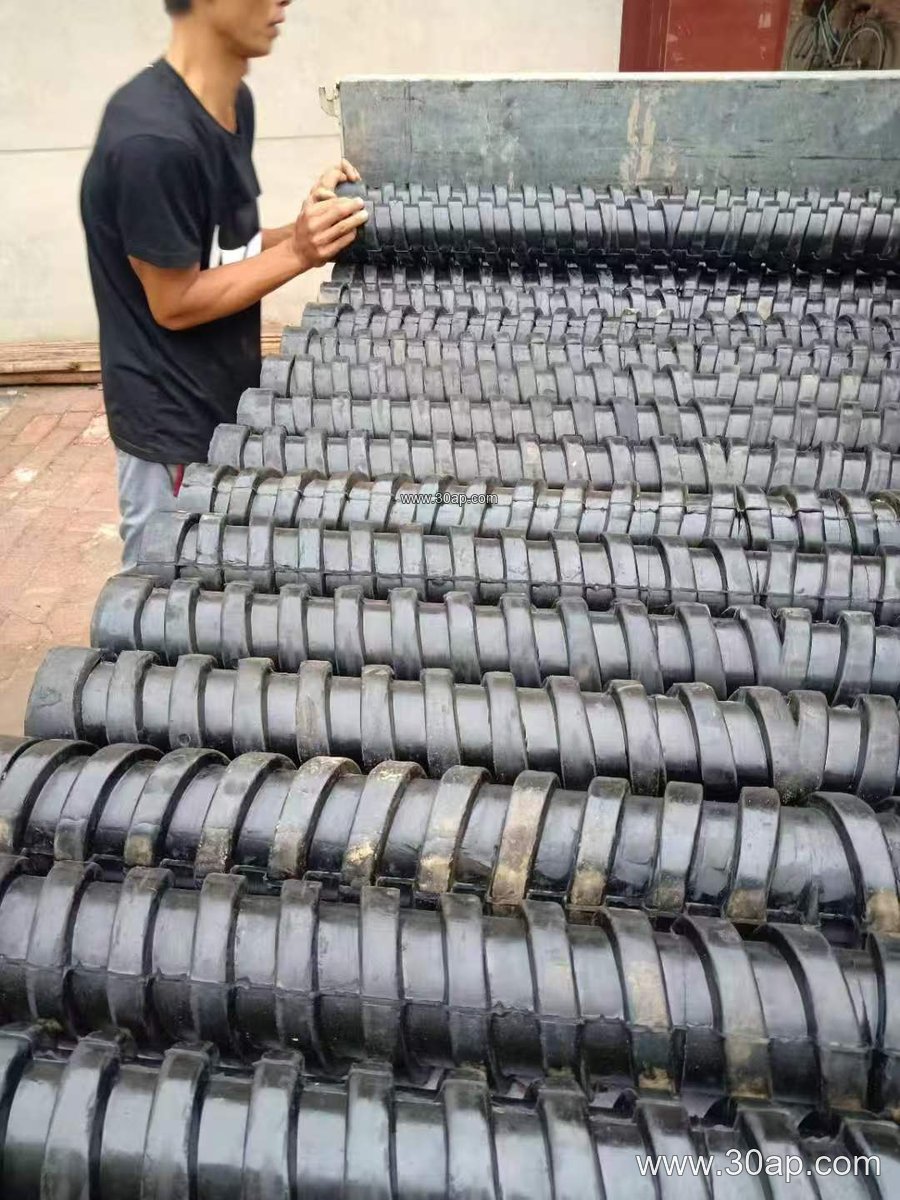
The composite barrel offers a practical advantage where corrosion and weight matter. It resists rust better than a plain steel shell in wet or chemical-laden conditions, and its lower weight makes replacement easier on long galleries. It is not a universal answer: on very hot material, a heat resistant conveyor belt may still call for a metal roller or a heat-rated composite, and on sharp, heavy impact a rubber-ring buffer idler may be the better choice at the loading point. On a long overland line carrying ore, steel cord conveyor belt and EP conveyor belt constructions both work with composite idlers as long as the roller load rating matches the belt tension and material weight.
Selection Points for Buyers
Buyers should match the roller to the duty, not to a catalog page alone. Useful questions include the belt width, the trough angle, the material bulk density, the belt speed, and whether the location is dusty, wet, or exposed to oil. A roller that suits a 650mm conveyor belt in a small aggregate plant will not automatically suit a 1800mm wide conveyor belt in an iron ore terminal. Shaft diameter, bearing class, and seal type should be confirmed with the supplier against the calculated load.
Maintenance is straightforward. Check for seized bearings, cracked end caps, and worn shells during routine inspections, and replace rollers in sets where alignment matters. Keeping spare composite rollers, conveyor brackets, and a few standard conveyor pulleys on hand reduces downtime when a line stops. For plants running abrasive materials, pairing composite idlers with an abrasion resistant conveyor belt and a well-aligned frame extends the life of both components.
- Confirm roller diameter and length against belt width and trough form.
- Check bearing size and seal design for dust and moisture exposure.
- Use buffer or impact rollers at transfer points where lumps fall hard.
- Keep spare rollers and brackets ready for planned shutdowns.