What a Conveyor Bracket Really Is
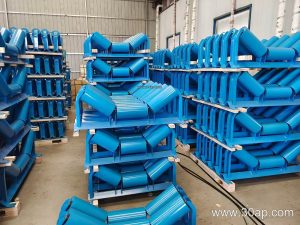
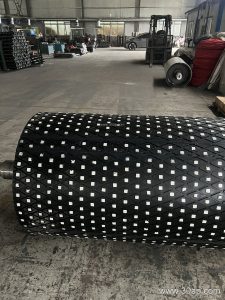
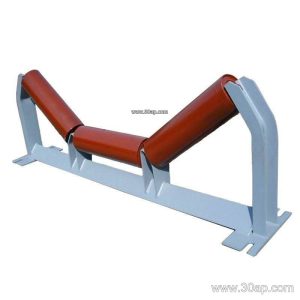
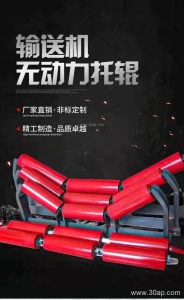
In a belt conveyor system, the conveyor bracket is the steel frame that holds the idler roller in place and keeps the belt in the right profile. Buyers often call it a support frame, idler frame, or roller bracket, and these names describe the same item. It is not a pulley and it is not an idler; it is the structure that carries them. A drive pulley, a tail pulley, and a bend pulley each have their own mounting arrangements, and none of them should be ordered as a substitute for a bracket. The bracket is a separate, repeatable component that appears every few meters along the conveyor line.
Because the bracket sets the trough angle and the roller spacing, it directly affects belt tracking, material spillage, and the service life of the conveyor belt. That is why conveyor bracket procurement deserves more attention than a simple count of pieces.
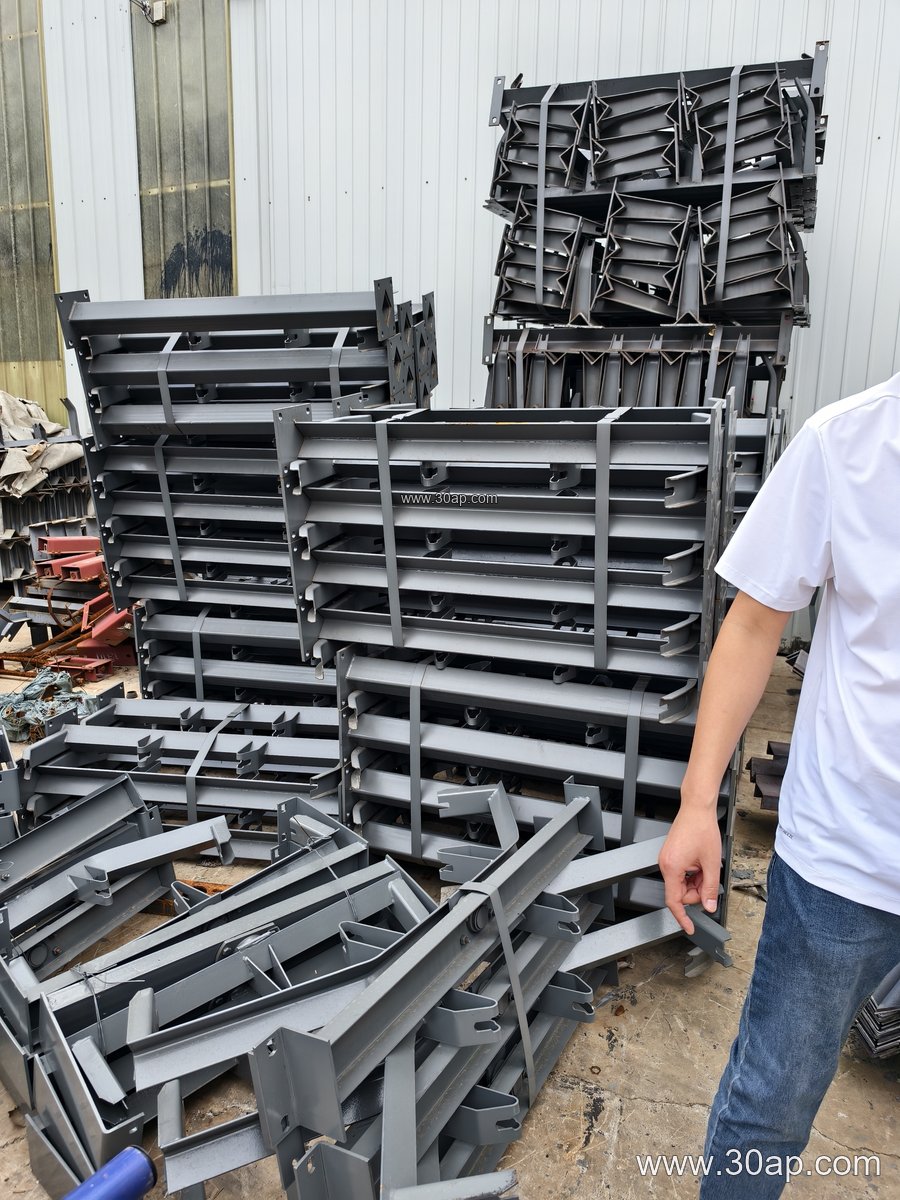
How the Frame Is Built
Most brackets are fabricated from angle steel, channel steel, or folded steel plate. The fabrication method matters: a folded plate bracket can offer consistent geometry, while a welded angle or channel bracket is common in heavy-duty mining and quarry duty. Typical bracket families include trough brackets, transition brackets, return brackets, V-return brackets, impact brackets, self-aligning brackets, and adjustable brackets.
Adjustable brackets allow the trough angle to be set between common values such as 20, 30, 35, and 45 degrees. Forward-leaning designs are usually set at about 1.5 to 2 degrees to help center the belt. Installation hole spacing and crossbeam length change with belt width and trough angle, so they should be confirmed against the drawing rather than assumed.
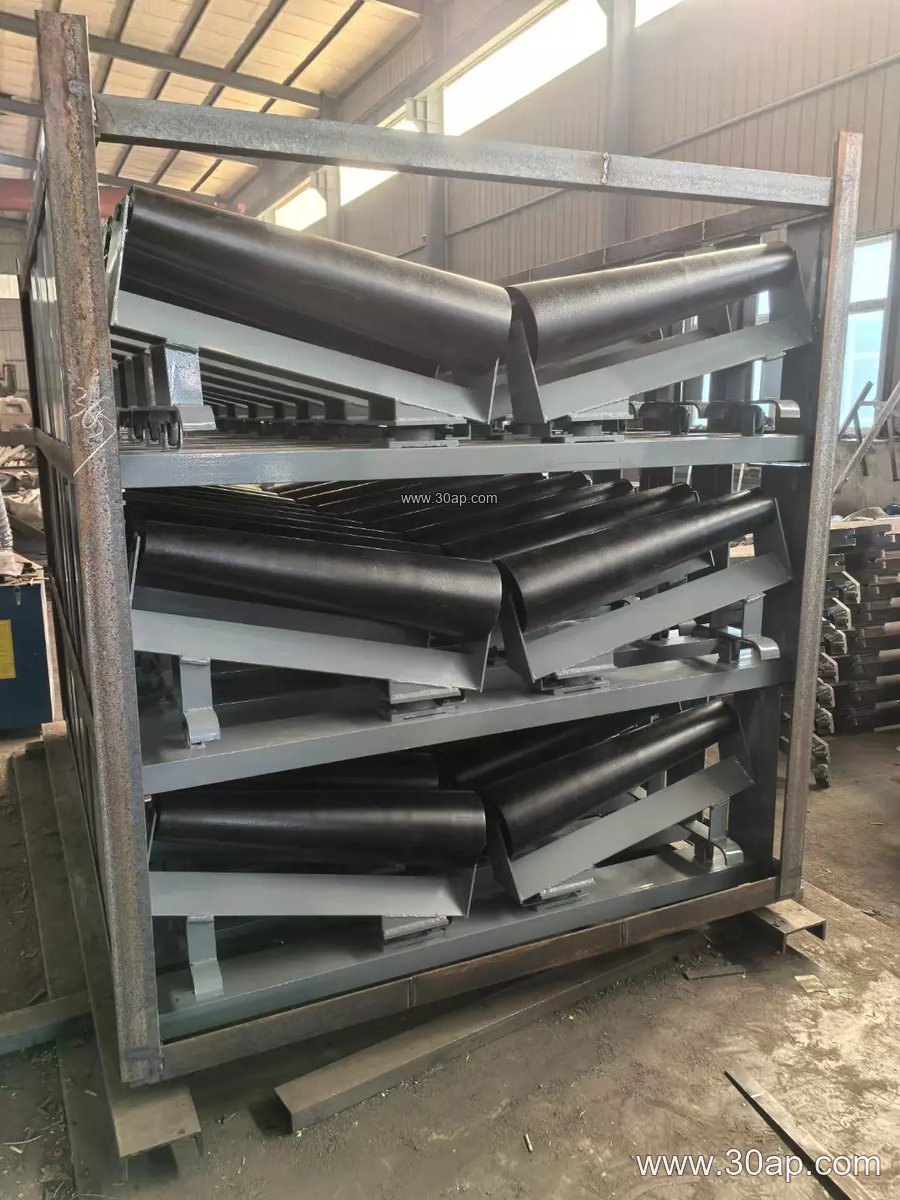
Common Reference Combinations
The values below are reference examples, not fixed matches. A given belt width can work with more than one trough angle or roller diameter depending on the conveyor design.
| Belt Width | Trough Angle | Roller Diameter | Typical Use |
|---|---|---|---|
| B500 | 20 degrees | Ø89 | Light aggregate lines |
| B650 | 30 degrees | Ø89 | Sand and gravel conveyors |
| B800 | 35 degrees | Ø108 | General bulk material duty |
| B1000 | 35 degrees | Ø108 or Ø133 | Cement and power plant conveyors |
| B1200 | 45 degrees | Ø133 | High-capacity mining conveyors |
| B1400 | 35 to 45 degrees | Ø133 or Ø159 | Ore and coal handling |
| B1600 | 35 to 45 degrees | Ø159 | Heavy-duty bulk transport |
| B1800 to B2200 | By design | Ø159 or Ø194 | Large port and plant systems |
Where These Frames Are Used
You will find conveyor brackets in almost any plant that moves bulk material. In a limestone quarry or a crushing and screening line, trough brackets support the conveyor belt through the loading zone, while impact brackets sit under the feed point to absorb shock. In a coal washing plant or a power plant coal yard, flame retardant and anti-static belt grades are common, and the brackets must be spaced to suit the belt sag and load. Cement plants, steel plants, and port ship-loading systems use wider frames, often B1400 to B1800, with heavier roller diameters.
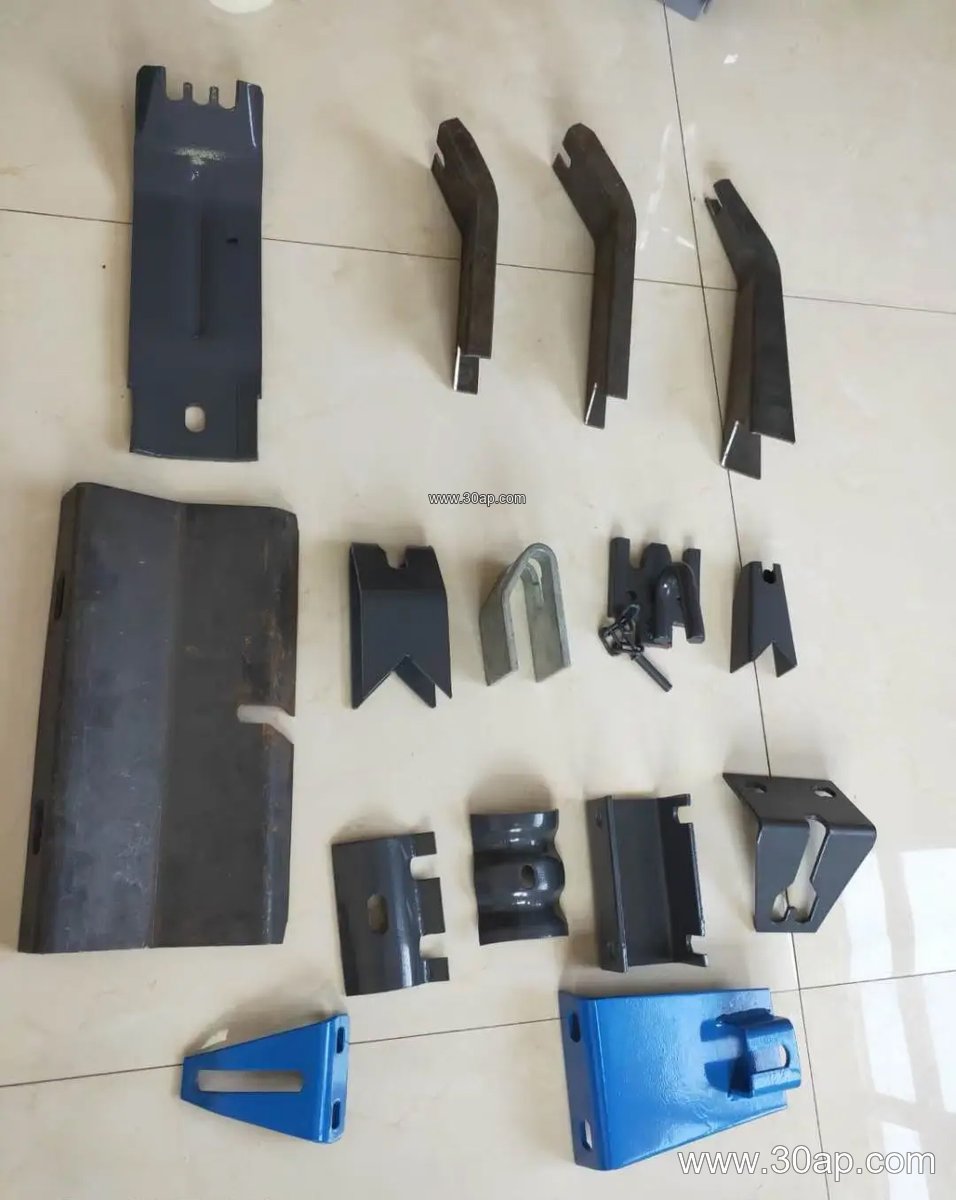
In each case the bracket works together with the idler roller and the belt. A well-aligned frame reduces edge wear on an abrasion resistant conveyor belt, and a stable return bracket keeps the belt from wandering on the return strand.
What Buyers Should Check Before Ordering
- Belt width and trough angle: confirm both, because the frame geometry follows them.
- Roller diameter: the bracket cradle must match the idler roller end size.
- Material and finish: angle, channel, or folded plate, with a coating suited to the environment.
- Mounting dimensions: hole spacing and crossbeam length should come from the conveyor drawing.
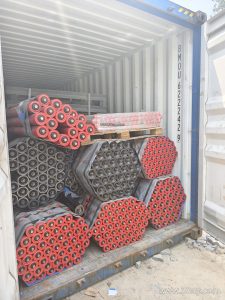
- Quantity and spares: count trough, return, and transition positions separately.
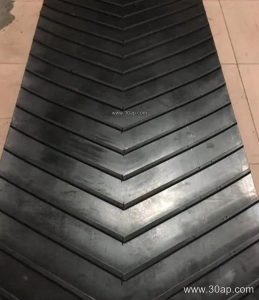
It also helps to state the belt type in the inquiry. A steel cord conveyor belt or a multi-ply fabric core belt may call for different support spacing, and a chevron or corrugated sidewall belt can require clearance checks around the frame. Mentioning the belt grade, such as EP conveyor belt or heat resistant conveyor belt, gives the supplier useful context without changing the fact that you are buying brackets.
Finally, ask for a dimensioned drawing with the quotation. A clear drawing is the best protection against a frame that fits the roller but not the conveyor. For related components, buyers can also review conveyor idler and pulley options at gxconveyorbelt.com, and bracket drawings at gxconveyorbelt.com/conveyor-bracket, so the whole support system is specified together.