What the Ø89 Rubber Disc Idler Is
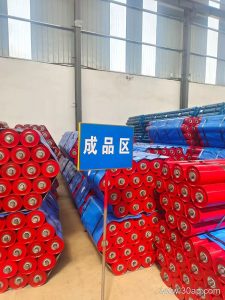
The Ø89 Rubber Disc Idler is a conveyor idler roller built around an 89 mm diameter shell and fitted with a series of flexible rubber discs along its face. Instead of a plain steel surface, the rubber discs form a soft, slightly yielding contact layer that cushions the conveyor belt as it passes. This makes the idler a practical choice where material is dropped onto the belt with force, or where the belt needs gentle support without losing its trough shape. In many plants the same unit is simply called an 89 mm rubber disc roller or rubber ring idler, and these names describe the same product.
It is a specialized form of idler roller rather than a pulley. Drive pulleys, tail pulleys and bend pulleys each do a different job and are not interchangeable with any idler, including this one.
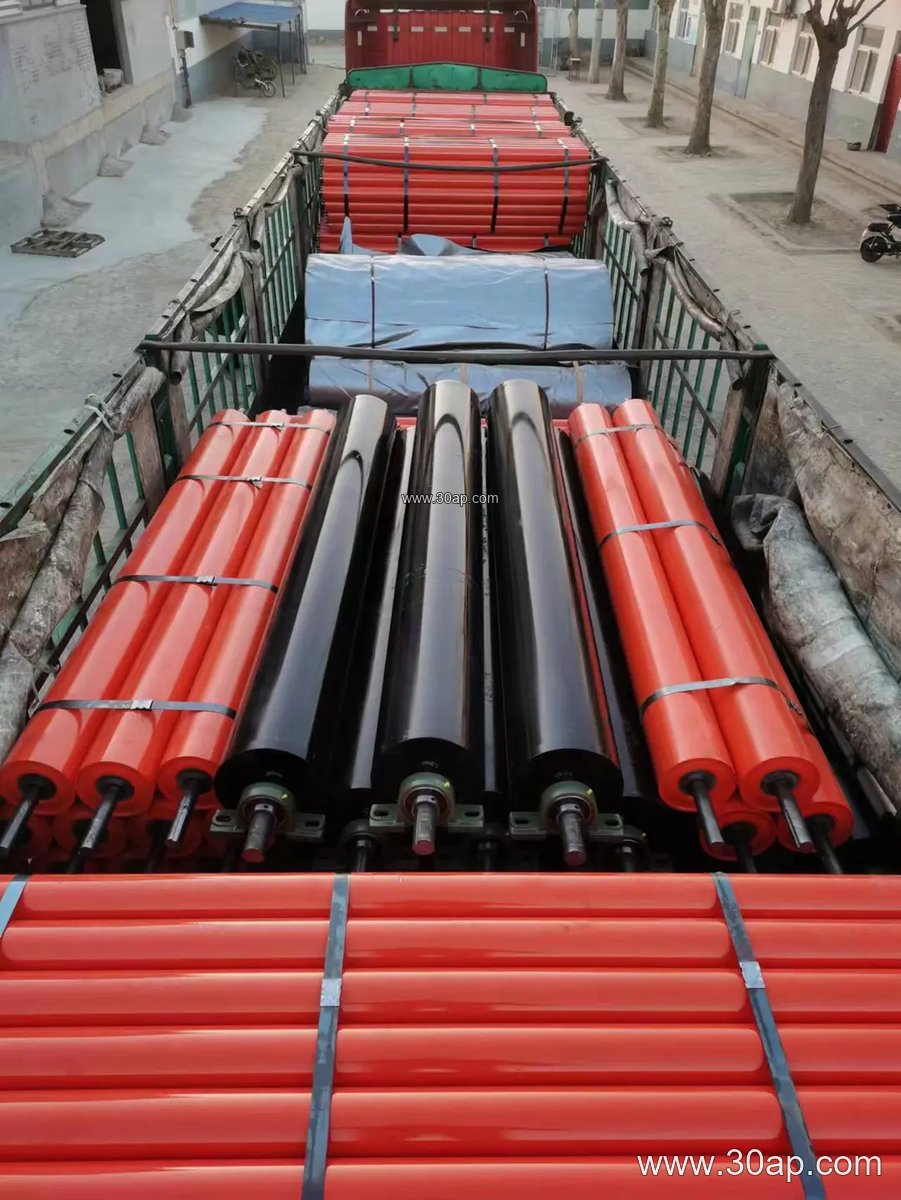
How the Rubber Disc Idler Is Built
The core is usually a steel tube with welded end caps, machined bearing housings and a through shaft. Rubber discs are pressed onto the shell at intervals, leaving gaps between them. The discs are normally made from abrasion resistant rubber compounds, and their edges may be rounded or slightly tapered so the belt is not snagged. Bearings are selected to suit the load and speed; common sizes such as 6205, 6305 or 6306 appear in this diameter class, but the correct bearing depends on the actual duty, not on the roller diameter alone.
- Steel shell with rubber disc rings
- Sealed bearing housings for dust and water exclusion
- Fixed or interchangeable shaft ends
- Mounting through conveyor brackets on the frame
Sealing quality matters in dusty service. A well-sealed bearing keeps grit out of the raceway, while a poor seal turns the idler into a maintenance item within months.
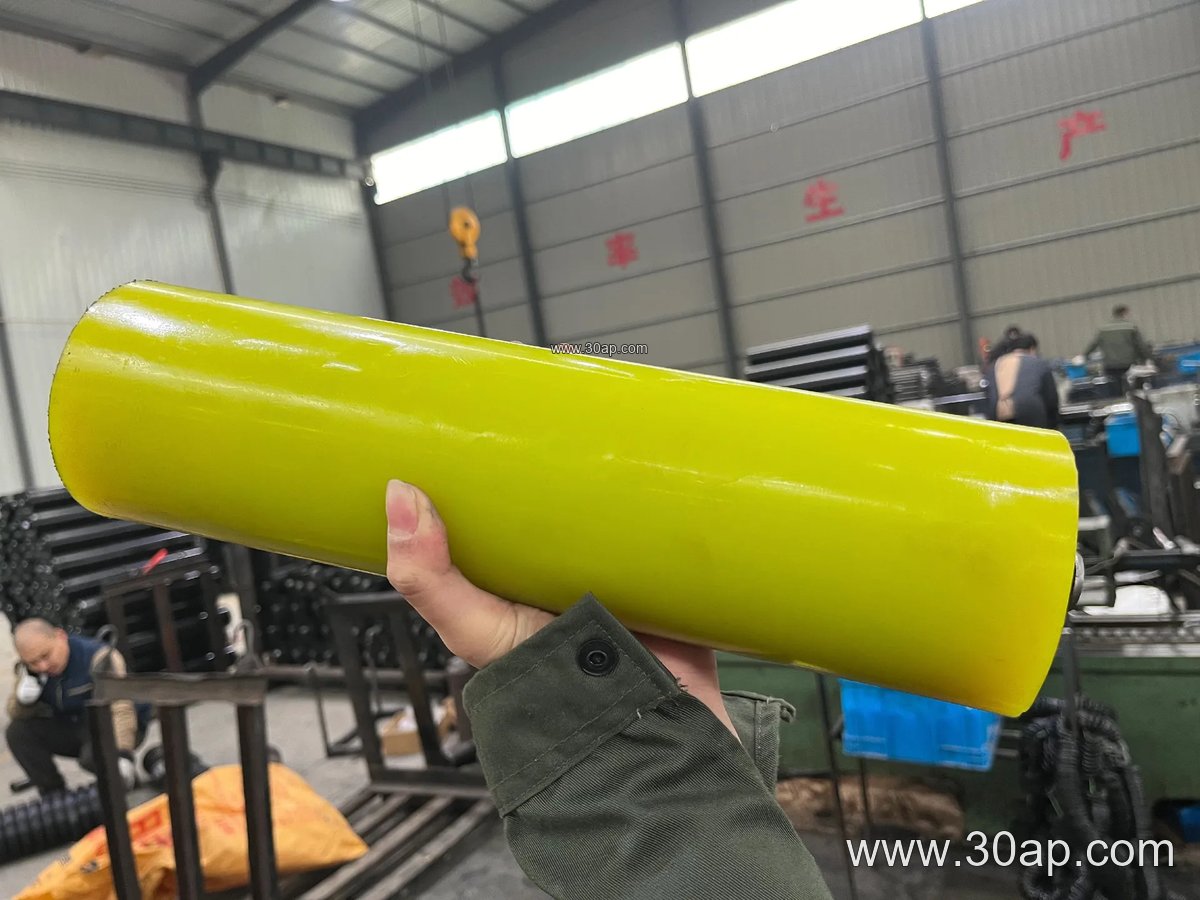
Where It Fits on the Conveyor
The rubber disc idler is most often used at transfer points and loading zones, where a Mining Conveyor Belt or Aggregate Conveyor Belt receives falling rock. The discs absorb some of the impact that would otherwise hammer a plain steel roller and the belt cover. It can also serve as a training or transition support where a softer surface helps the belt settle into its trough. In a coal handling system feeding a power plant, or in a quarry line moving crushed stone, these idlers are commonly found just below the chute.
They are less suitable for long carrying runs where low rolling resistance and high load capacity matter more than cushioning. For those sections, conventional troughing idlers usually do the work.
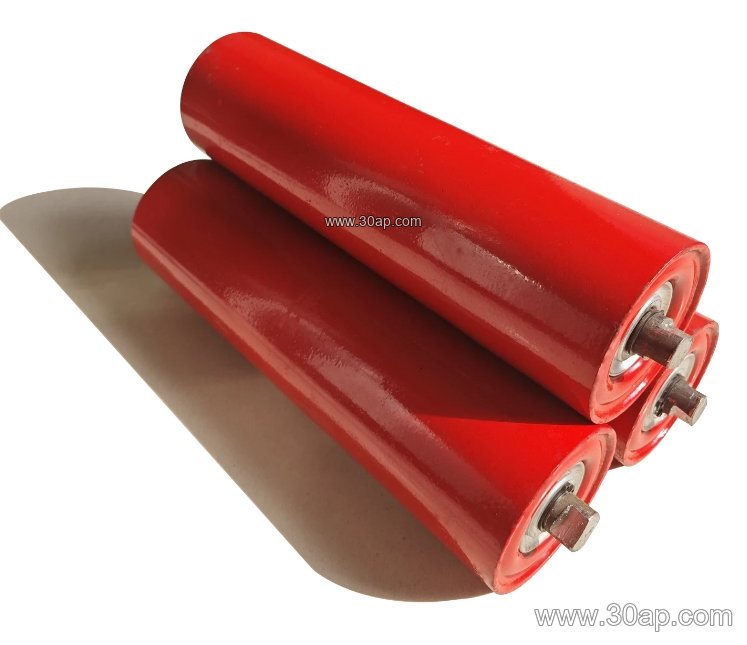
Matching Diameter, Belt Width and Trough Angle
The 89 mm diameter is a mid-range size that suits many medium belt widths. Roller length is not fixed by diameter; it follows belt width, trough angle and the idler set arrangement. Three-roll troughing sets commonly use different roll lengths for the side rolls and the center roll, and the figures below are typical references rather than universal rules.
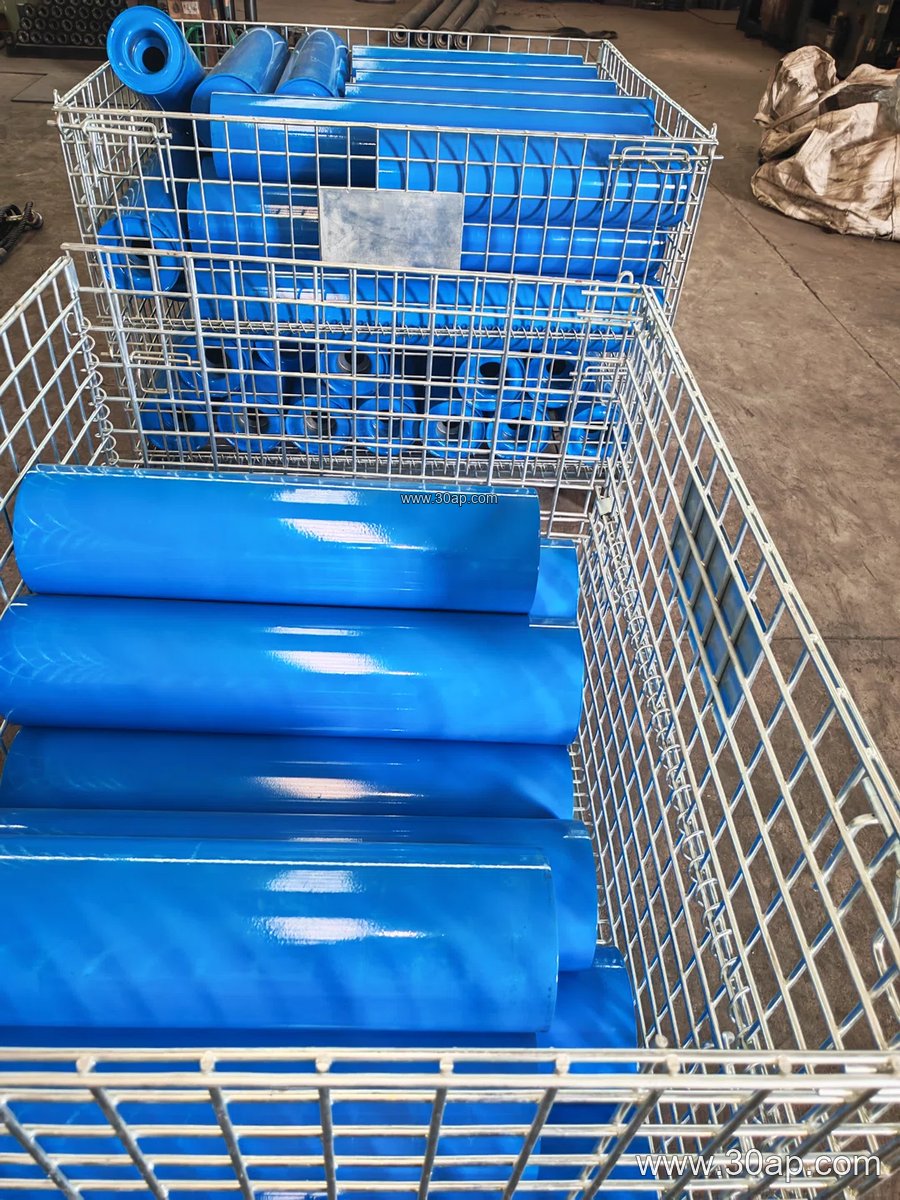
| Belt width | Typical roll length in a three-roll set |
|---|---|
| B500 | about 200 mm |
| B650 | about 250 mm |
| B800 | about 315 mm |
| B1000 | about 380 mm |
| B1200 | about 465 mm |
Trough angles of 20, 30, 35 and 45 degrees are common. A steeper angle holds bulk material more securely but raises the side load on the idler. The belt width does not dictate a single pulley diameter, and no fixed shaft size should be assumed from belt width alone.
Choosing the Right Rubber Disc Idler
Buyers should confirm the belt width, the trough angle, the mounting bracket spacing and the expected impact energy at the loading point. Rubber hardness and disc spacing affect how much cushioning the roller provides. In cold climates, a Cold Resistant Conveyor Belt may be paired with rubber compounds that stay flexible at low temperature. In hot service, such as a cement plant clinker line, heat exposure should be checked against the rubber grade.
The surrounding belt specification also guides the choice. A heavy EP Conveyor Belt or Steel Cord Conveyor Belt can carry more load and may need fewer cushioning idlers, while a lighter Fabric Core Conveyor Belt benefits from gentler support. Where fines and dust are heavy, a Flame Retardant Conveyor Belt in a coal yard still needs idlers with good sealing.
Maintenance Notes
Inspect the discs for cuts, flattening or missing rings, and check that the roller turns freely by hand. A seized bearing usually shows as a polished or worn flat on the disc surface. Replace damaged idlers before the belt cover is affected. Keep the frame and conveyor brackets aligned so the belt tracks centrally, and clear spilled material from under the return side to avoid dragging and premature wear.