What the EP1250 1800mm Conveyor Belt Is
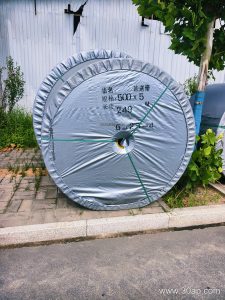
The EP1250 1800mm conveyor belt is a wide, high-strength fabric core belt built around polyester-cotton (EP) carcass plies. The designation combines two things buyers care about most: the EP1250 tensile grade, which describes the belt’s breaking strength class, and the 1800 mm width, which places it among the wider belts used on high-capacity main lines. In everyday plant language this product is often called an EP1250 1800mm belt, an 1800mm wide EP conveyor belt, or simply a wide EP fabric core belt. All of these refer to the same article.
It belongs to the EP conveyor belt family, a group of fabric core belts valued for low elongation, good troughability and stable running on long conveying distances. Belts of this class are common in mines, coal preparation plants, cement works, power stations, ports and sand and gravel yards where tonnage is high and downtime is expensive.
Construction and Build
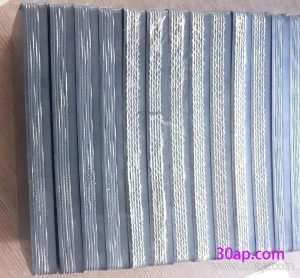
The carcass is the working heart of the belt. Multiple EP fabric plies are bonded together and protected by top and bottom rubber covers. For an EP1250 grade, the ply arrangement is chosen so the finished belt reaches its rated strength class; the number of plies is set by the manufacturer and by the pulley and load conditions of the conveyor. Cover thickness is also project-specific. Common cover combinations in this width class include 6+2 mm, 8+3 mm and similar heavy-duty builds, while lighter service may use 4+2 mm or 5+2 mm.
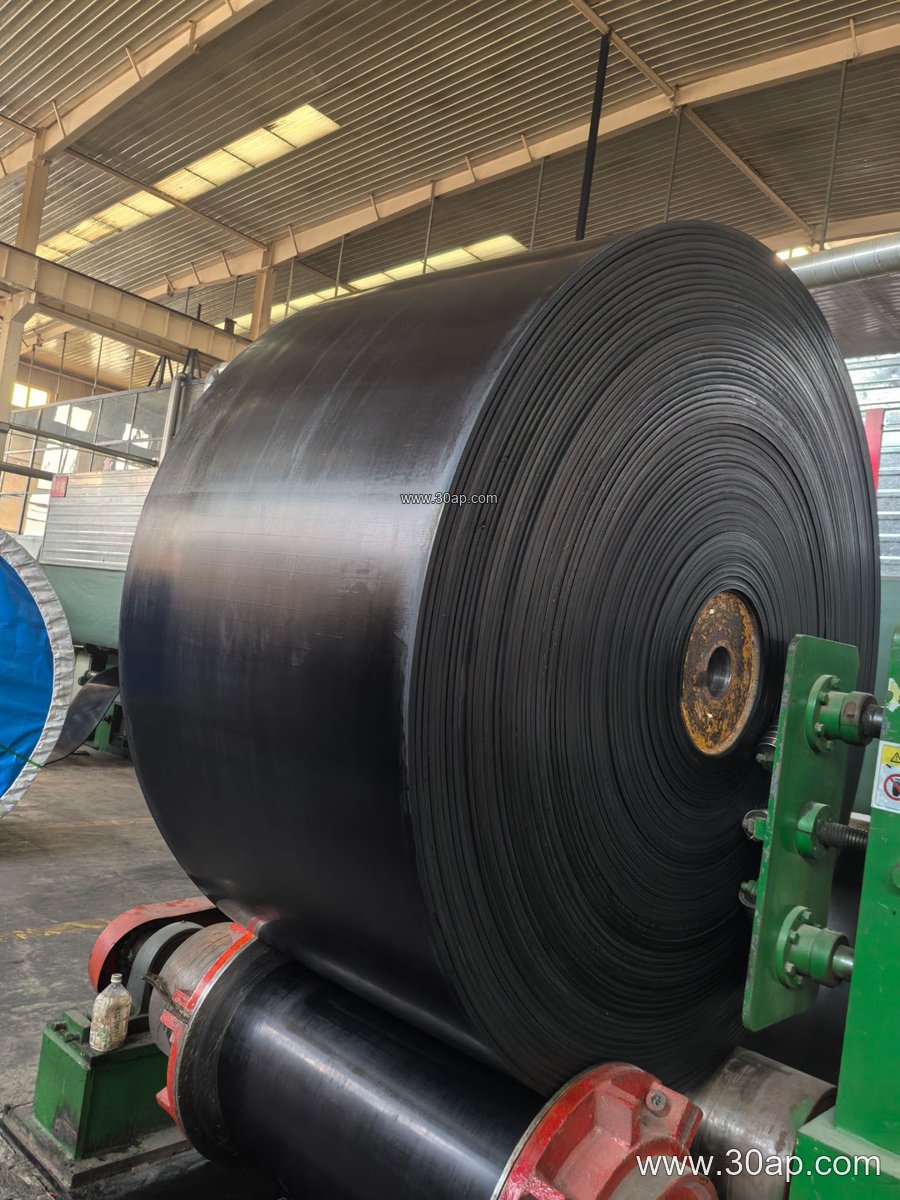
Edge construction matters on an 1800 mm belt because the belt is heavy and wide. Cut edges, moulded edges and sealed edges each suit different environments. The rubber compound can be selected for abrasion resistance, heat resistance, oil resistance, flame retardancy, anti-static behaviour or cold resistance, depending on the cargo and the site.
Typical Specifications at a Glance
The figures below are reference values, not universal guarantees. Final construction is confirmed by design for each conveyor.
| Parameter | Typical Range or Example |
|---|---|
| Belt type | EP fabric core conveyor belt |
| Strength grade | EP1250 (other grades from EP200 to EP2000 exist) |
| Belt width | 1800 mm (B1800) |
| Carcass plies | Commonly 2 to 6 plies, set by design |
| Cover thickness | 4+2, 5+2, 6+2, 8+3 mm and similar |
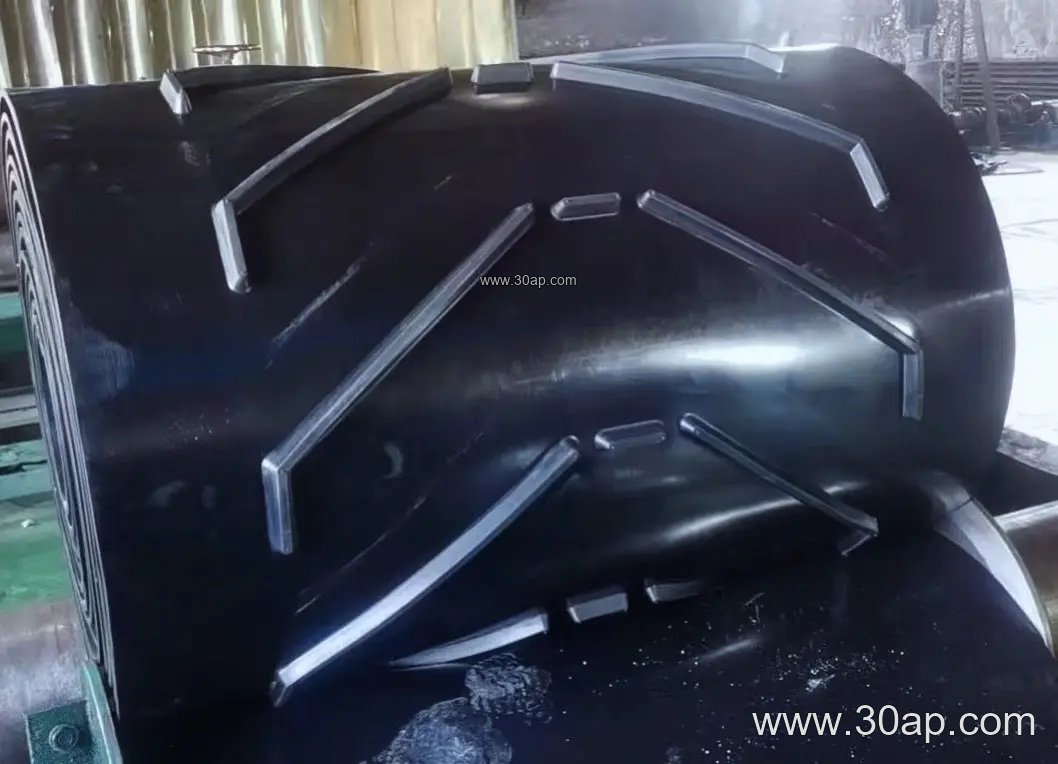
| Surface forms | Plain, chevron, corrugated sidewall, skirted |
| Special compounds | Abrasion resistant, heat resistant, flame retardant, oil resistant, anti-static, cold resistant |
Where It Fits in a Conveyor
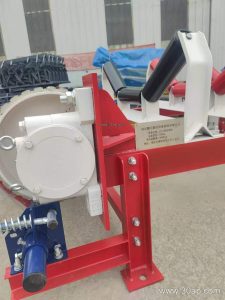
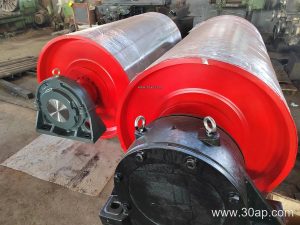
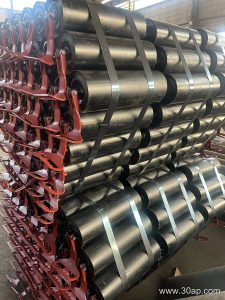
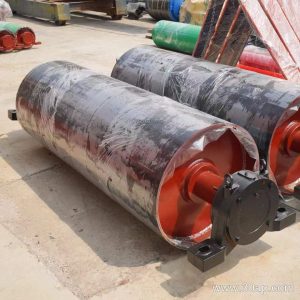
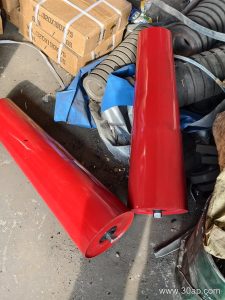
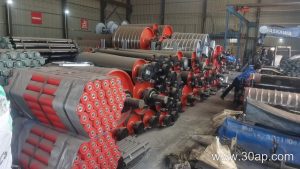
An 1800 mm wide belt is usually found on trunk conveyors, plant feed lines and transfer belts that move large volumes of bulk material. The belt runs over a troughing set of idler rollers, wraps the drive pulley and tail pulley, and is supported by the conveyor frame and brackets. Drive, tail and bend pulleys each do a different job and are not interchangeable; the belt specification must suit the smallest pulley in the run, not just the largest.
In mining and quarrying, an EP1250 1800mm conveyor belt often carries crushed rock, ore or aggregate. In cement plants it may handle clinker, limestone or raw meal. Power plants use similar belts for coal and ash lines, and ports rely on wide belts for ship loading and stockyard systems. Where the route is steep, a chevron or corrugated sidewall version of the same belt may be selected; where dust and fines escape, a skirted design can help contain the load.
Selection Points for Buyers
- Confirm the required strength grade and the actual load, since EP1250 is one class among several and a heavier grade may not be needed.
- Check the minimum pulley diameters and the transition distance on the conveyor; a wide, stiff belt needs adequate support.
- Match the cover compound to the cargo: abrasive stone, hot clinker, oily scrap or coal with fire risk each call for a different rubber.
- Decide whether a plain, chevron, skirted or corrugated sidewall belt is required before ordering.
- Review splice method and edge type with the belt supplier, because an 1800 mm belt is spliced on site and the joint quality affects life.
Care and Maintenance
Keep idler rollers turning freely and check pulley lagging for wear. Misalignment on a wide belt shows up quickly at the edges, so regular tracking checks pay off. Clean spillage from the return run, inspect the splice, and store spare belt rolls flat and dry. For flame retardant or anti-static service, follow the site’s electrical and safety rules during installation and repair.
Whether the line handles ore, coal, cement or aggregate, the EP1250 1800mm conveyor belt is a practical choice when high strength and wide coverage are needed together. Buyers should treat the grade and width as a starting point and let the conveyor design confirm the final build.