What a Ship Loading Conveyor Belt Does
A ship loading conveyor belt carries bulk cargo from a stockyard, silo, or receiving hopper to the vessel hold. In ports and terminals handling coal, iron ore, cement, grain, fertilizer, or sand and gravel, this belt is the final link between the yard conveyor and the loader boom. Because the material often drops a long distance into the hold and the boom must luff and slew, the belt sees a combination of high tension, impact, and flexing that differs from a simple yard run.
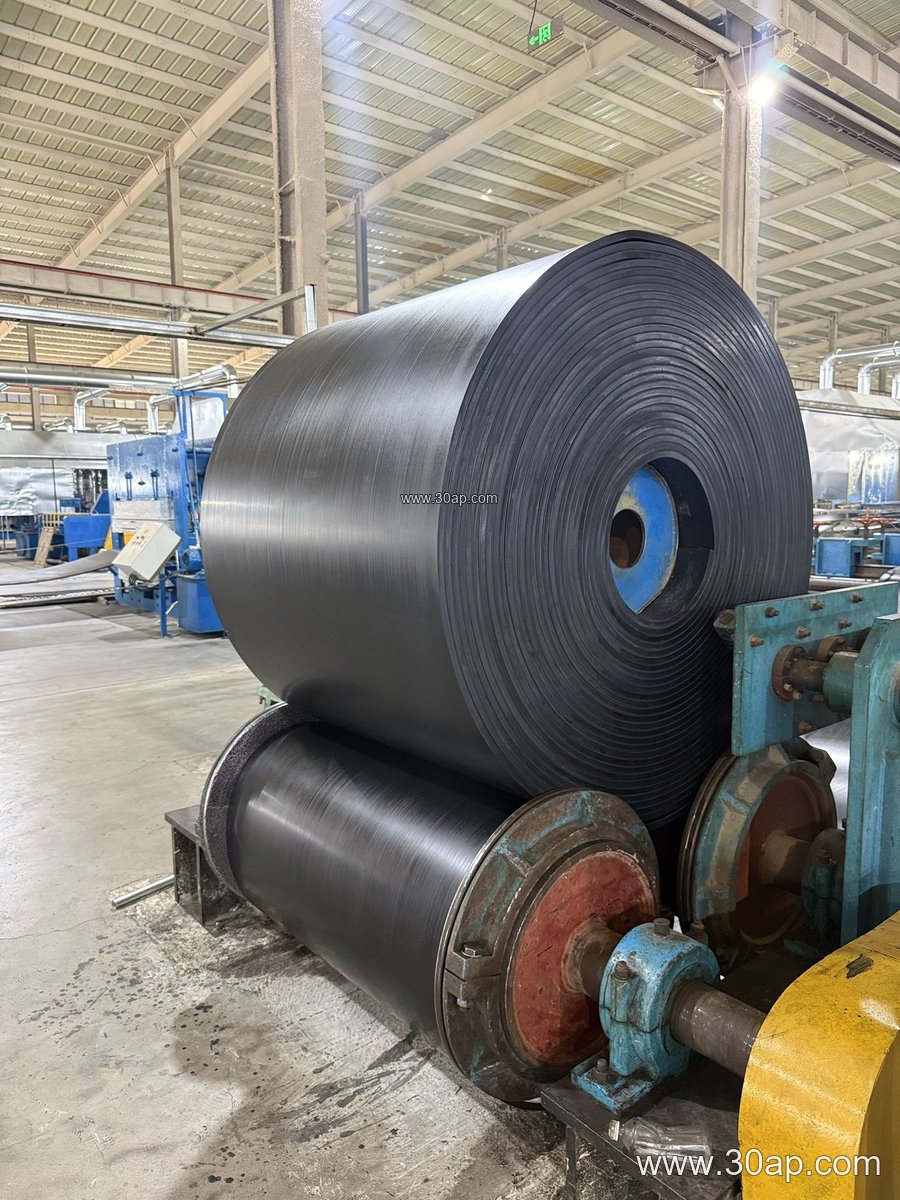
The product is a heavy-duty bulk material conveyor belt, usually built with a fabric core or a steel cord carcass and covered with rubber on both faces. The name describes the duty rather than a single construction, so a ship loading conveyor belt may be an EP conveyor belt, an NN conveyor belt, or a steel cord conveyor belt depending on the tension and the boom length.
Construction and Carcass Choices
The belt body is made of tension-bearing plies or cords, a skim layer that bonds them, and top and bottom cover rubber. Cover thickness is often written as a pair such as 6+2 mm or 8+3 mm, where the first number is the carrying side and the second is the pulley side. Common fabric cores run from 2 to 6 plies. A fabric core conveyor belt is flexible and resists fatigue on reversing and luffing booms, while a steel cord conveyor belt carries higher tension over long shuttle or boom runs.
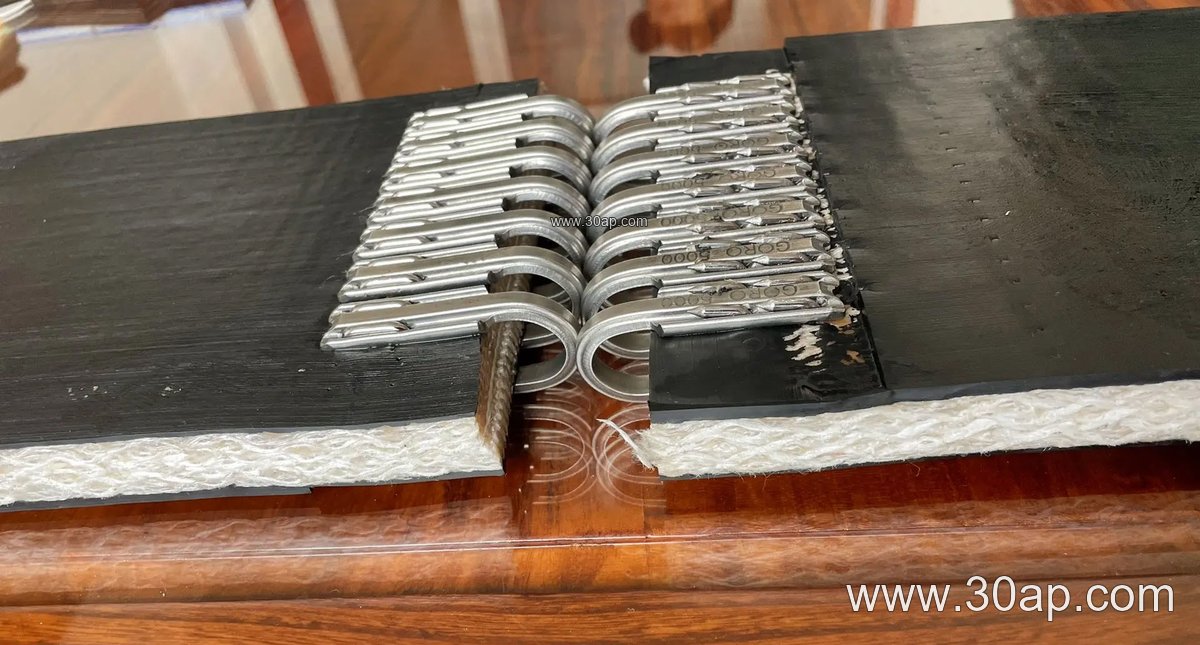
For coal and other combustible cargo, a flame retardant conveyor belt or fire resistant conveyor belt is often specified, and antistatic properties may be required for dust-rich holds. For ore and clinker, an abrasion resistant conveyor belt with a high abrasion resistant cover reduces wear at the loading point. In cold climates a cold resistant conveyor belt keeps the cover from cracking during winter operations.
| Parameter | Typical reference range |
|---|---|
| Carcass type | EP, NN, steel cord, PVC, PVG |
| Fabric strength grades | EP200, EP315, EP400, EP630, EP1000, EP1250 |
| Steel cord grades | ST1000, ST1600, ST2000, ST2500 |
| Belt width | B800, B1000, B1200, B1400, B1600, B1800 |
| Cover thickness | 4+2, 5+2, 6+2, 8+3 mm |
| Ply count | 2 to 6 layers |
These values are common references; final selection follows the conveyor design and the manufacturer’s data.
Pulleys, Idlers, and the Loading Zone
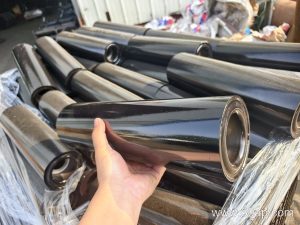
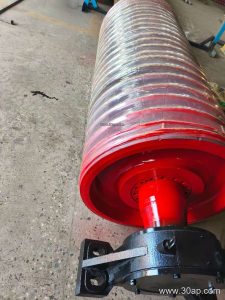
The belt runs over a drive pulley at the head, a tail pulley at the feed end, and bend pulleys that route the belt around the boom structure. These three pulley roles are not interchangeable: the drive pulley transmits torque, the tail pulley forms the return end, and bend pulleys only change direction. A conveyor pulley with the correct diameter and lagging protects the carcass from slip and fatigue.
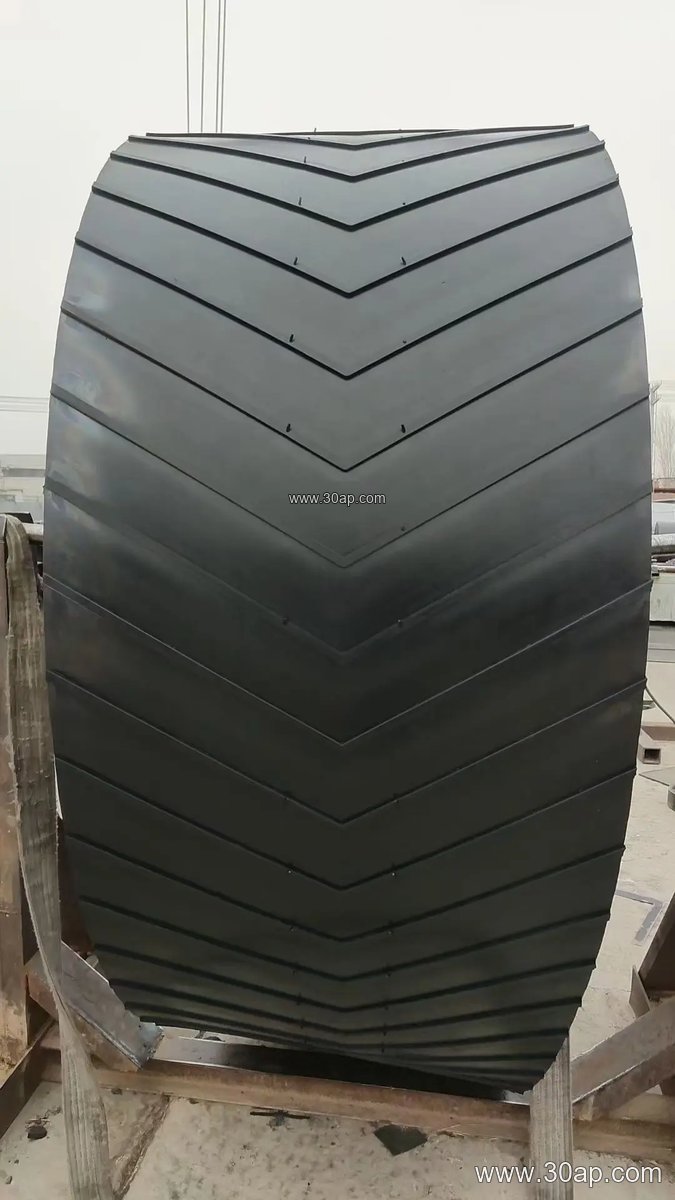
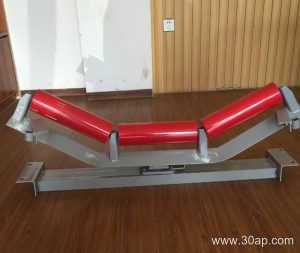
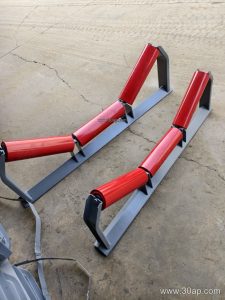
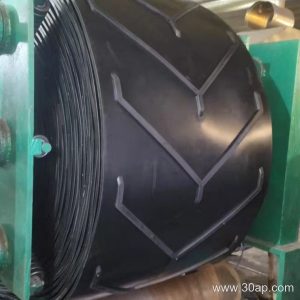
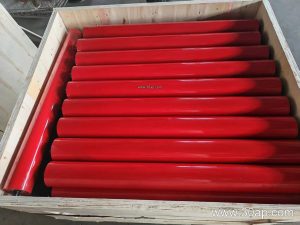
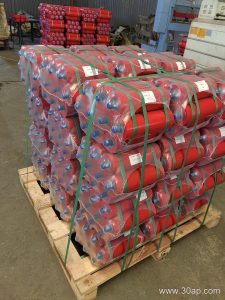
Idler roller spacing and trough angle control how the load sits on the belt. At the transfer point, impact idlers and skirt rubber absorb the fall of ore or clinker. A skirted conveyor belt or a corrugated sidewall conveyor belt can keep material centered on steep boom sections, while a chevron conveyor belt adds grip on inclines. For a totally enclosed route, a pipe conveyor belt is an alternative, though it is a different product form and not a replacement for an open ship loader belt.
Applications Across Industries
- Port and terminal shiploaders handling coal, ore, and cement
- Power plant coal yards feeding ship or barge loaders
- Steel plant ore and sinter handling
- Quarry and aggregate terminals loading sand and crushed stone
- Fertilizer and grain export facilities
In these settings the belt works alongside conveyor brackets, frames, and transfer chutes. A mining conveyor belt specification may suit a stockyard run, but the boom of a loader adds flexing and reversing duty, so the carcass and cover should be checked against the actual load profile.
Buyer Checklist
Before ordering, confirm the cargo type, lump size, and temperature, because hot clinker or frozen ore changes the cover compound. Check the maximum belt tension and take-up travel so the strength grade is not overestimated. Ask how the belt will be joined: an endless conveyor belt spliced on site avoids mechanical fasteners that can catch in the hold. Confirm cover thickness and grade against abrasion, oil, or heat exposure, and verify the pulley diameters and idler roller spacing with the conveyor designer.
Finally, keep spare splice material and a short length of belt in the warehouse. Downtime at a berth is costly, and a matching spare roll shortens repair time. Buyers can review belt, pulley, and idler options at gdconveyor.com and check related hardware such as conveyor brackets before finalizing the order.