What the Ø133 Conveyor Idler Is
The Ø133 conveyor idler is a carrying roller with a nominal shell diameter of 133 mm, widely used in medium to heavy-duty belt conveyors. It supports the conveyor belt and the material load along the carrying and return runs. In cement plants, coal-fired power stations, and aggregate crushing lines, this idler size balances load capacity with belt support, making it a common choice for main haulage and transfer conveyors. When matched with a properly specified idler roller, it helps maintain belt alignment and reduces unnecessary wear on the conveyor belt.
Construction and Key Components
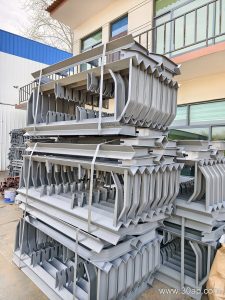
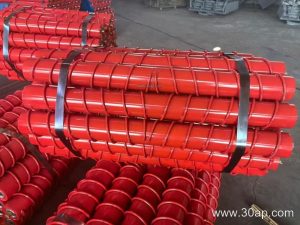
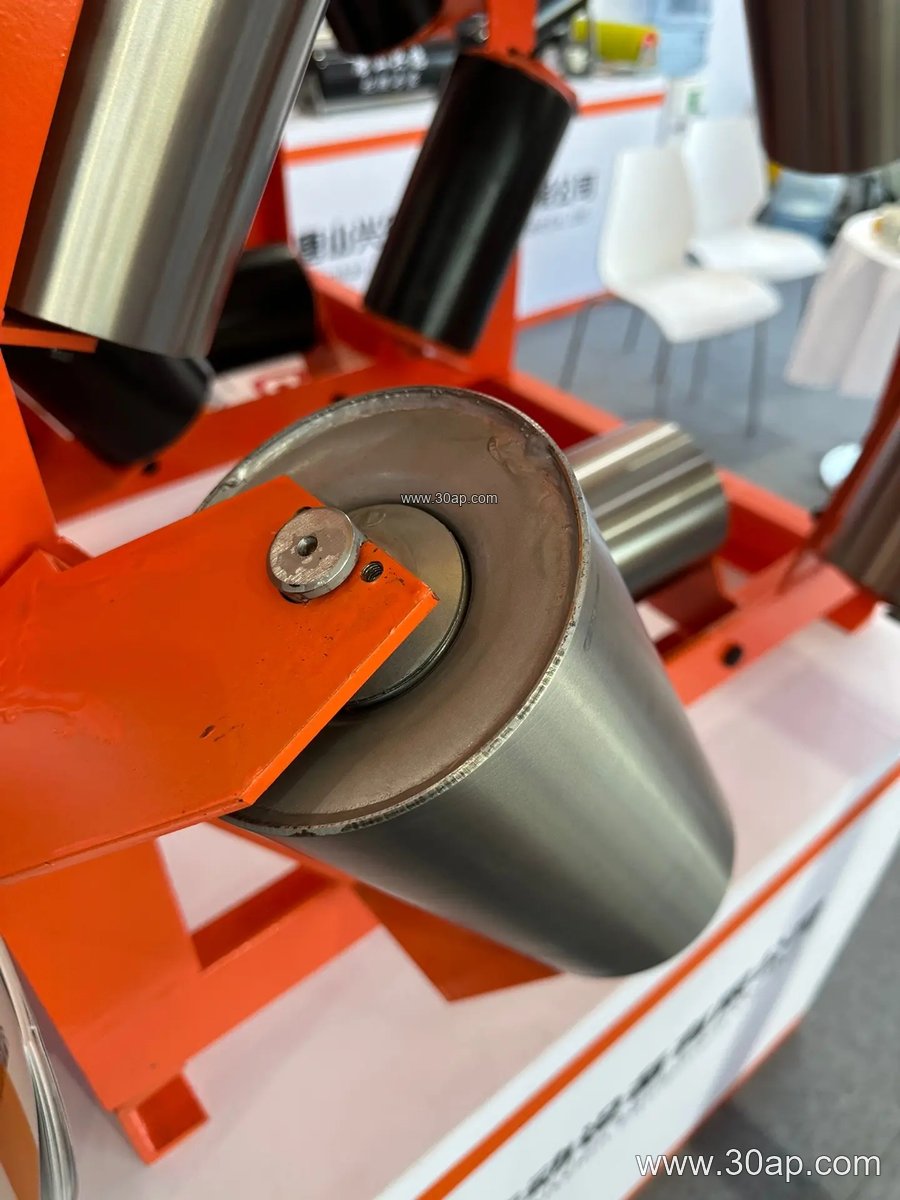
A typical Ø133 conveyor idler consists of a steel tube shell, bearing housings, a shaft, and a sealing arrangement. The shell is often made from seamless or welded steel tube, machined at both ends to seat the bearings. Common bearing sizes for this diameter include 6305, 6306, and 6308, though the final choice depends on load and speed requirements. Seals are critical in dusty environments such as quarry and coal handling operations, where fine particles can penetrate bearings and shorten service life. The roller surface may be plain steel, nylon-coated, or fitted with rubber rings for impact absorption. Each idler is mounted on a conveyor bracket or frame that sets the trough angle and spacing.
Where It Fits in a Conveyor
The Ø133 idler is frequently used in three-roll troughing sets on the carrying side, where it forms a trough to contain bulk material. It can also serve as a return idler or transition idler depending on the belt width and conveyor profile. In a typical three-roll troughing arrangement, the roll length varies with belt width and trough angle. For example, a B800 belt with a 35-degree trough might use a center roll around 315 mm long, while a B1000 belt could use approximately 380 mm. These values are common examples, not fixed rules; side rolls and center rolls can differ, and the final dimensions are determined by the conveyor designer.
Typical Applications Across Industries
This idler diameter is well suited to continuous duty in cement plants, where clinker and limestone are moved on long belt conveyors. In coal mining and power plant coal yards, the Ø133 idler supports belts carrying coal from stockpile to boiler or loadout. Aggregate operations and sand making plants use it on crusher discharge and screening feed conveyors, often paired with an abrasion resistant conveyor belt to handle sharp stone. The same idler size appears in iron ore and copper ore handling, as well as in port bulk terminals where ship loading conveyors demand reliable belt support. For dusty and fine-material service, a sealed idler roller design helps protect bearings from contamination.
Selection and Compatibility Notes
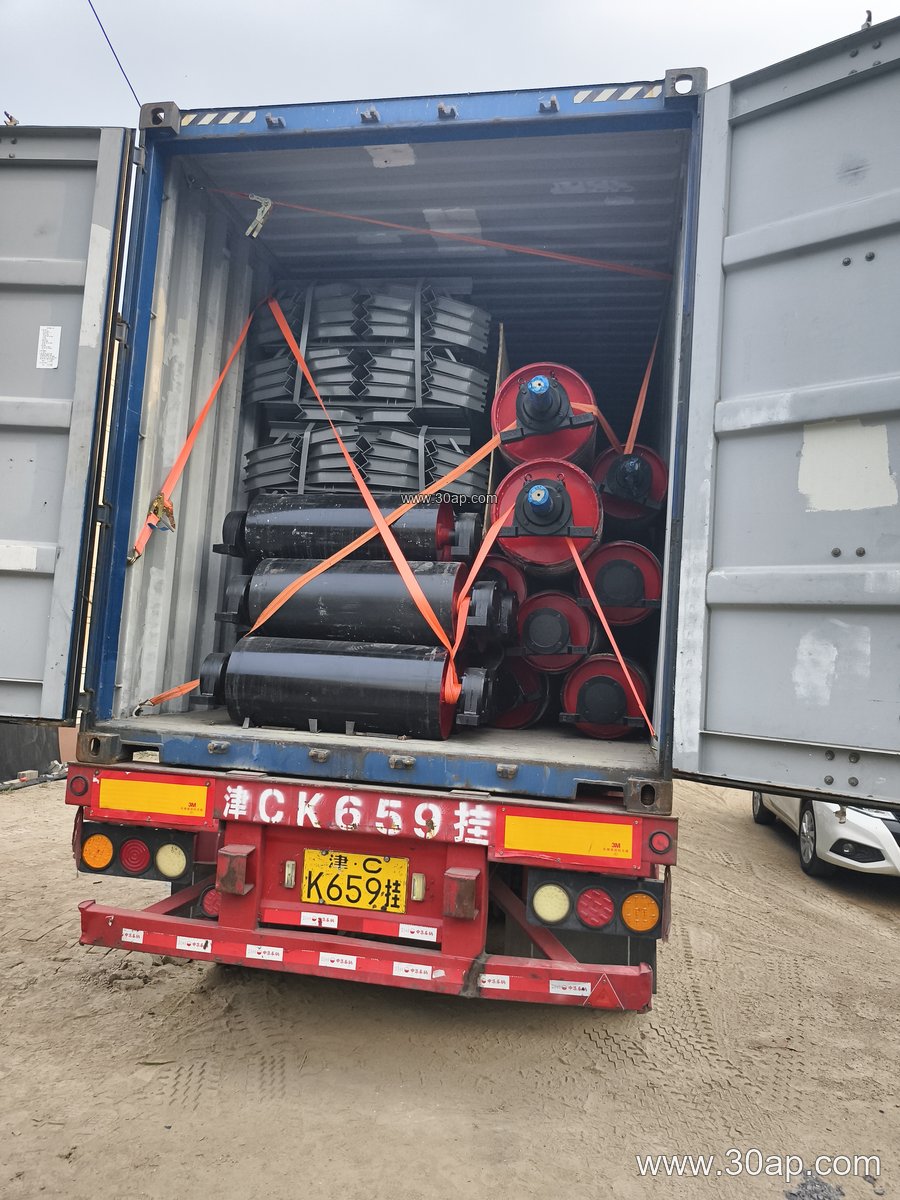
Choosing a Ø133 conveyor idler involves more than the diameter. Buyers should confirm the belt width, trough angle, idler spacing, and load per idler. The idler must be compatible with the conveyor frame and bracket dimensions. The belt itself matters too: a heavy-duty mining conveyor belt or a steel cord conveyor belt may require closer idler spacing and higher load ratings than a lightweight fabric core belt. In coal mining, flame retardant conveyor belt and anti-static conveyor belt properties are often specified alongside the idler selection. The table below shows common reference dimensions for idlers in this diameter class; these are examples only and should be verified against the conveyor design.
| Reference Item | Common Example |
|---|---|
| Nominal shell diameter | Ø133 mm |
| Belt width range (typical) | B800 to B1600 |
| Trough angle options | 20°, 30°, 35°, 45° |
| Roll length (B800, 35° three-roll) | approx. 315 mm center roll |
| Roll length (B1000, 35° three-roll) | approx. 380 mm center roll |
| Bearing sizes (common) | 6305, 6306, 6308 |
| Shell surface options | Steel, nylon, rubber rings |
Maintenance and Buyer Checklist
Routine inspection of idlers helps prevent belt tracking problems and premature belt damage. Listen for squealing bearings, check for seized rollers, and look for material buildup on the shell. In dusty service, sealed-for-life bearings reduce maintenance frequency. When replacing idlers, confirm the shaft diameter and mounting dimensions rather than assuming that any Ø133 idler will fit the existing bracket. Spare idlers should match the original trough angle and roll length. For conveyors handling high-temperature materials, such as in some cement or sinter lines, verify that the idler’s bearing grease and seals are suitable for the ambient temperature. A consistent idler specification across a conveyor line simplifies spare parts inventory and supports reliable operation.