What a Food Grade Conveyor Belt Is
A food grade conveyor belt is a belt designed for direct or indirect contact with food, made from compounds and constructions that limit contamination risk and tolerate the cleaning routines of a processing plant. In everyday plant language it may be called a food-safe belt or a hygienic conveyor belt, but it is the same product. Unlike a standard Rubber Conveyor Belt used in a quarry or a coal handling line, the food grade version must be selected around the material being carried, the temperature of the process and the washdown chemicals it will meet.
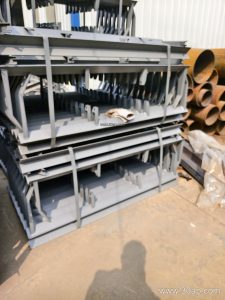
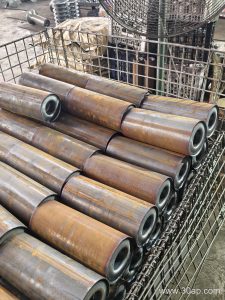
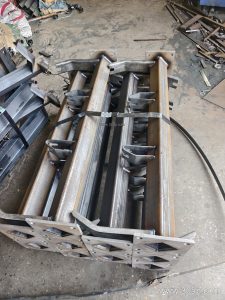
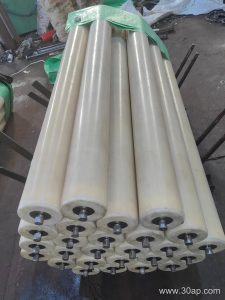
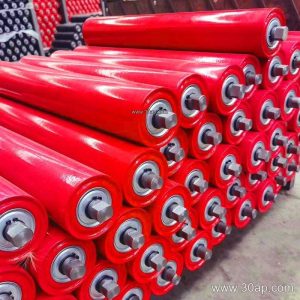
The belt is only one part of the line. A conveyor pulley, idler roller and conveyor bracket still need to be chosen to suit the belt’s tension and tracking behaviour, and in food plants those components are usually specified with easy-clean surfaces as well.
How the Belt Is Built
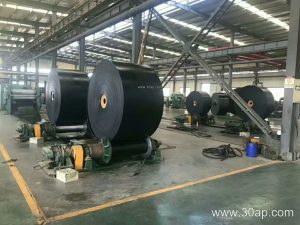
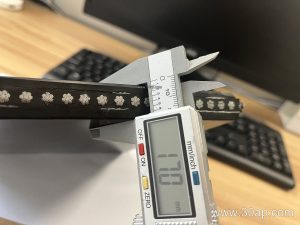
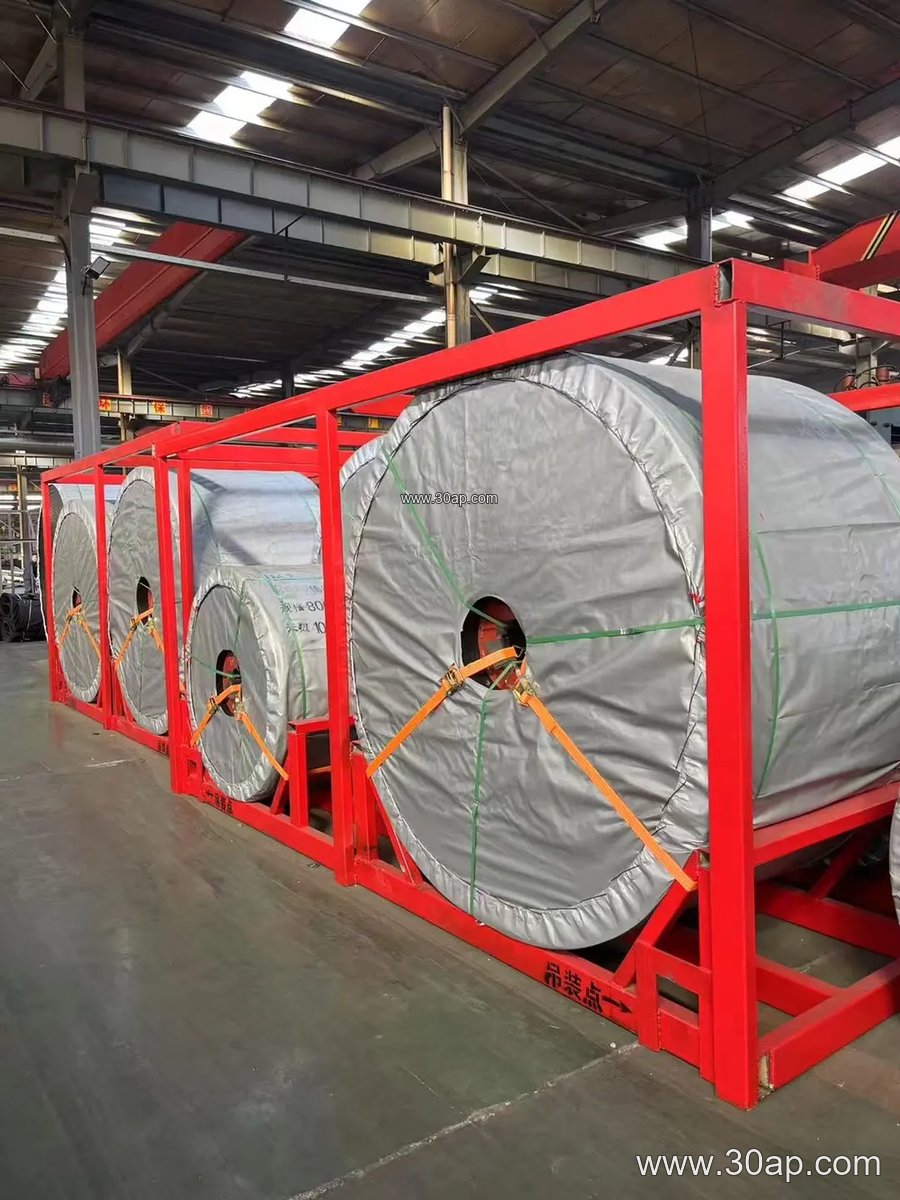
Most food grade belts use a fabric core, with polyester or polyamide plies carrying the tension and a food-contact cover on the carrying side. A Fabric Core Conveyor Belt of this kind is lighter and more flexible than a Steel Cord Conveyor Belt, which is used for very long, high-tension runs in mining and bulk terminals rather than typical food lines. A Multi-Ply Fabric Core Conveyor Belt is common where the belt must resist impact from frozen blocks or heavy crates, while a single-ply construction appears on smaller packaging and sorting conveyors.
The cover compound is the critical element. Thermoplastic grades give a smooth, non-porous surface that is easy to wipe and rinse; rubber grades offer better grip on inclines. Edge construction, splice type and surface texture all matter, because open fabric edges and rough splices can trap food debris.
Common reference values for food-grade fabric constructions are shown below. These are typical ranges for orientation only, and the final specification depends on the application and the manufacturer.
| Property | Typical reference range |
|---|---|
| Belt width | B500, B650, B800, B1000, B1200 mm |
| Overall thickness | 3+1.5 mm to 6+2 mm cover combinations |
| Fabric plies | 2 to 6 plies |
| Tensile grades | EP200, EP400, EP630, EP800 class constructions |
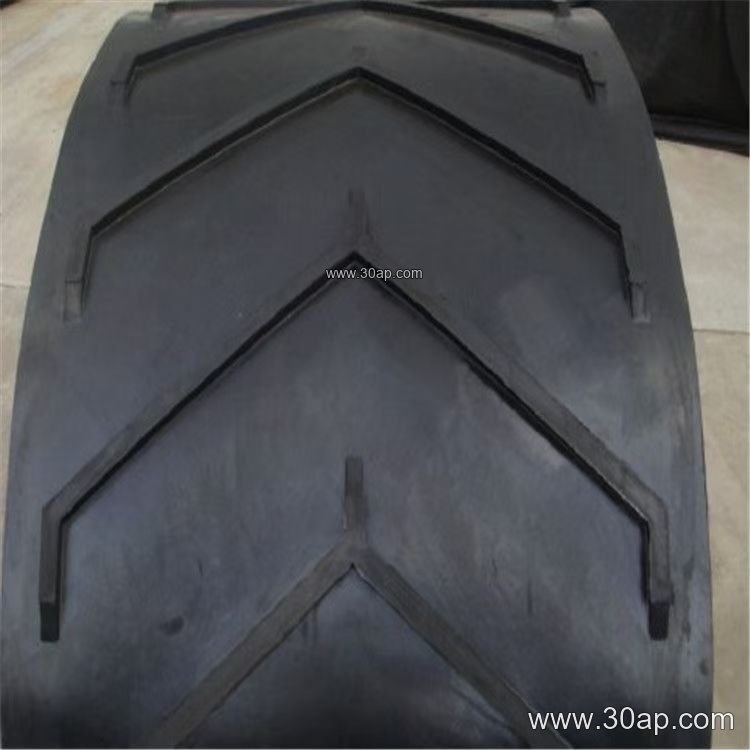
| Surface forms | Smooth, chevron, corrugated sidewall |
Where It Is Used
Food grade belts appear across grain and flour handling, bakery lines, confectionery cooling tunnels, fruit and vegetable sorting, meat and dairy processing, frozen food transport, and packaging and bottling halls. In a flour mill or a sugar plant the belt may run alongside bucket elevators and screw feeders, while a snack factory often uses a short Endless Conveyor Belt on a checkweigher. Inclined transfers benefit from a Chevron Conveyor Belt, and a Skirted Conveyor Belt or Corrugated Sidewall Conveyor Belt helps contain loose product on steep or narrow sections.
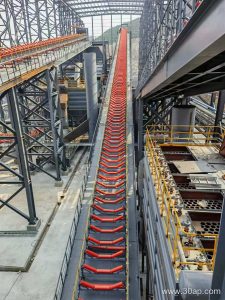
Where the same facility also handles non-food bulk material, it is normal to keep the two duties separate. A Heat Resistant Conveyor Belt in a fryer or oven area, an Oil Resistant Conveyor Belt near edible oil lines, and a Cold Resistant Conveyor Belt in a freezer tunnel are all selected against the same food-contact logic, but each has its own compound demand. In packaging halls, equipment from adjacent industries such as a quarry or cement plant is occasionally discussed in the same maintenance meeting, yet those belts are built to different standards and should not be mixed.
What Buyers Should Check
- Confirm the food-contact surface and the type of cleaning chemicals used, since some compounds degrade under strong sanitizers.
- Match the belt grade and ply count to the actual load, not to the widest belt in the catalogue. A 1000mm wide belt and a 1200mm wide belt can both run on the same conveyor frame if the pulley and take-up are designed for it.
- Ask how the splice is made, because a poorly finished joint is a common hygiene weak point.
- Review the drive and tail pulley diameters together with the belt thickness; a thick belt needs a larger minimum pulley to avoid cracking.
- Check that idler rollers turn freely and that brackets do not create ledges where product can collect.
- Plan a cleaning schedule that includes the belt edge and the underside, not just the top cover.
Maintenance Notes
Track wear at the edges first, since edge fraying on a fabric belt quickly becomes a contamination source. Keep the belt centred by adjusting the conveyor pulley rather than over-tensioning, and inspect the return side for buildup. Store spare belts flat, away from oils and direct sunlight, and record the installation date so the service life of each belt can be compared fairly. For more detail on compatible components, visit www.example.com/food-grade-conveyor-belt and review the matching roller and pulley data before ordering.