What a Coal Conveyor Belt Is
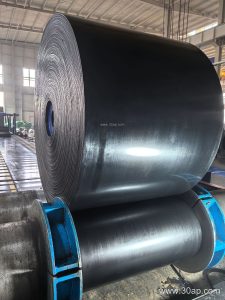
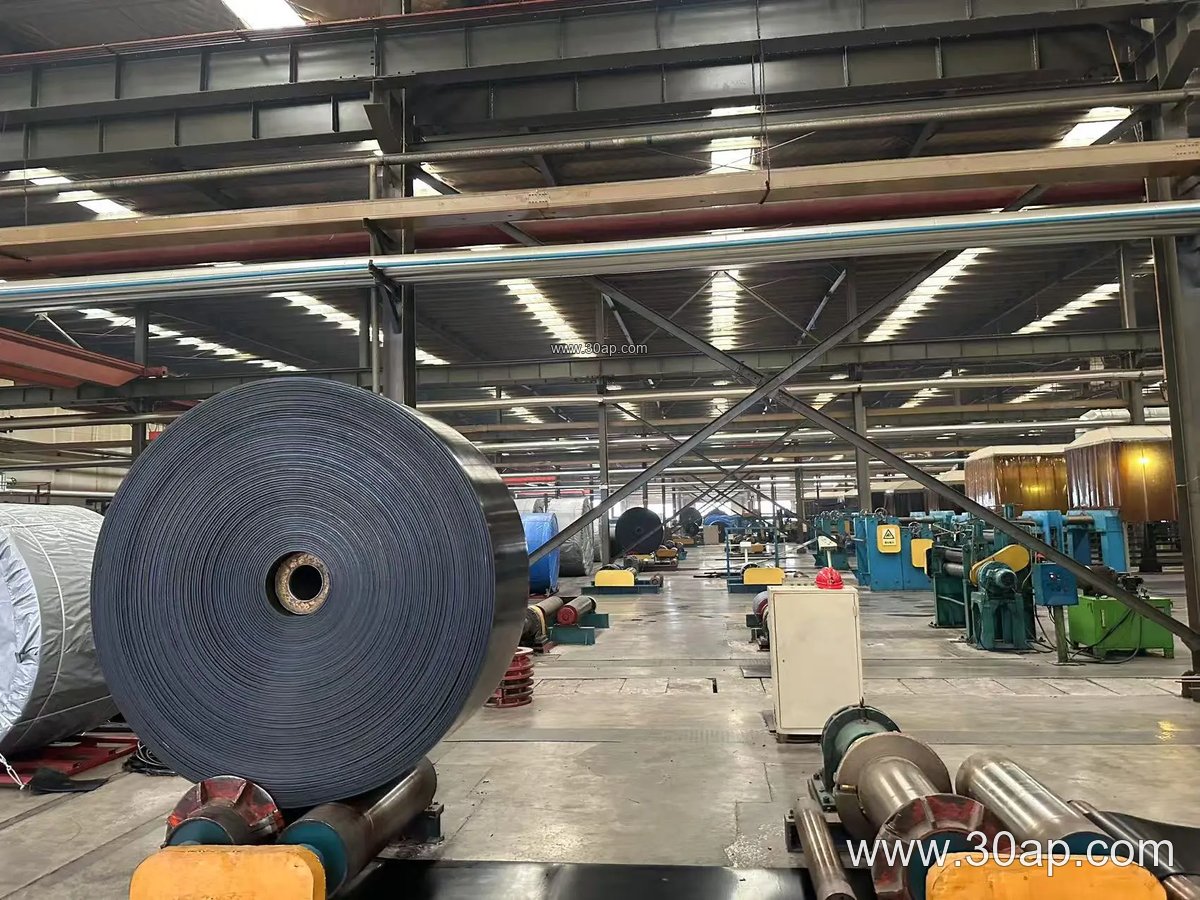
A coal conveyor belt is the load-carrying element of a troughed or enclosed conveying system that moves raw coal, washed coal, coke breeze and blended fuels between stockpiles, crushers, bunkers and loading points. In practice it is a heavy-duty rubber conveyor belt built around a fabric or steel cord carcass, covered on both faces with rubber compounds selected for the duty. Buyers in coal mining, power generation, cement kilns and port terminals usually describe the same product as a coal conveyor belt, a coal mining conveyor belt or an underground coal mining conveyor belt, depending on where it runs.
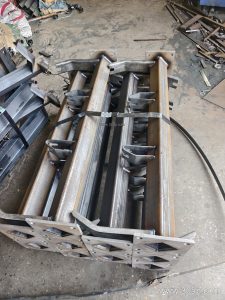
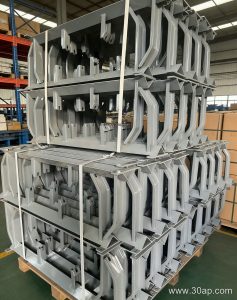
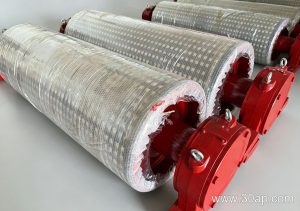
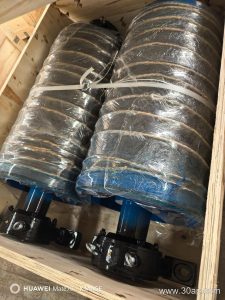
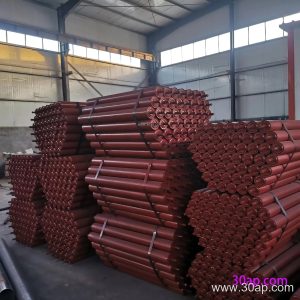
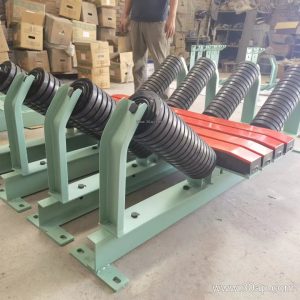
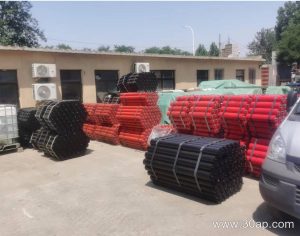
The belt is only one part of the circuit. It works with idler rollers that support the trough, a conveyor pulley at the drive and tail ends, and a conveyor bracket that keeps the frame aligned. All of these parts must suit the same duty class.
Construction and Common Configurations
Most coal belts use a multi-ply fabric core or a steel cord core. Fabric cores are typically EP (polyester warp, nylon weft) or NN (nylon/nylon). Steel cord belts are chosen when the center distance is long and tensile demand is high. Cover rubber is usually an abrasion resistant conveyor belt compound, and for underground or tunnel work a flame retardant conveyor belt or fire resistant conveyor belt grade is often specified, together with anti-static properties. Surface forms such as chevron conveyor belt, skirted conveyor belt and corrugated sidewall conveyor belt appear where incline angles or spillage control require them.
| Item | Common reference values |
|---|---|
| Carcass type | EP, NN, steel cord, PVC, PVG |
| Strength grades | EP200 to EP2000; ST1000 to ST3150; PVG800, PVG800S |
| Belt width | B500, B650, B800, B1000, B1200, B1400, B1600, B1800, B2000 |
| Cover thickness | 3+1.5, 4+2, 5+2, 6+2, 8+3 mm |
| Ply count | Usually 2 to 6 layers for fabric cores |
These figures are reference data, not a fixed catalogue. Final selection follows the actual tonnage, lump size, incline and environmental conditions.
Where It Runs
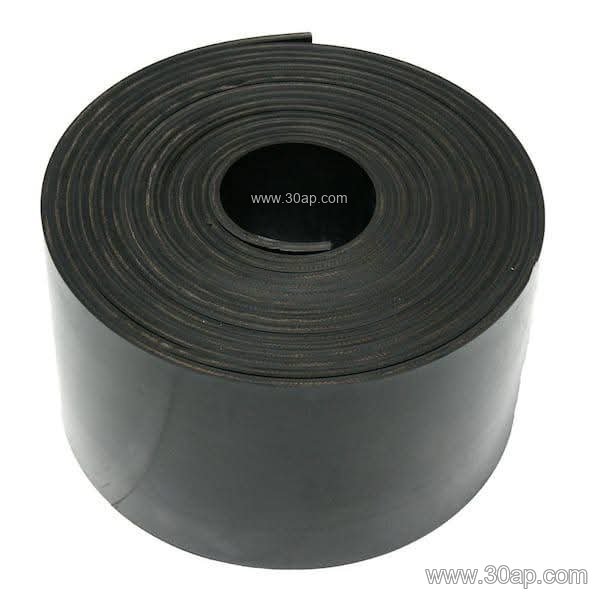
In a coal mine, the belt may run underground from the face conveyor to the shaft, or on the surface from the pit to the preparation plant. Power plants use it on coal yard and boiler feed lines. Cement plants and steel plants use similar belts for coal and coke. Port and ship loading terminals rely on wide belts, often 1200mm wide conveyor belt to 1800mm wide conveyor belt or more, to handle high throughput. Quarries and aggregate yards also use the same family of belts for stone and ore, and a quarry conveyor belt or ore conveyor belt shares much of the same design logic.
Selection Points for Buyers
- Duty class: confirm whether the line is a standard bulk material conveyor belt or a heavy-duty mining conveyor belt. Impact at the transfer point often calls for an impact resistant conveyor belt or a thicker top cover.
- Fire and static: underground coal mining conveyor belt specifications commonly require flame retardant and anti-static grades. Confirm the required class with the site engineer rather than assuming a standard.
- Environment: cold climates may need a cold resistant conveyor belt; oily coal or fuel contact may call for an oil resistant conveyor belt; hot coke or clinker handling may need a heat resistant conveyor belt.
- Width and strength: match the belt to the existing pulley face and frame. A 1000mm conveyor belt cannot simply replace a 1400mm belt, and belt width alone does not define shaft diameter.
- Splicing: an endless conveyor belt spliced on site reduces joint failures, but the method must suit the carcass type.
Maintenance Notes
Check idler rollers for seizure and missing discs, inspect the conveyor pulley lagging for wear, and verify that the conveyor bracket and frame remain square. Misalignment is a common cause of edge damage on a coal conveyor belt. Keep the belt cleaner and skirt rubber in good condition to limit spillage, and track cover wear at the loading point. Records of belt width, strength grade and cover thickness help when ordering a replacement.
For more on matching belts, idlers and pulleys, see the product pages at https://www.example.com/coal-conveyor-belt and https://www.example.com/conveyor-pulley. Related references for conveyor idler roller and conveyor bracket selection are also available on the same site.