What Is an 1800mm Conveyor Belt?
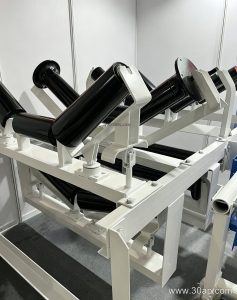
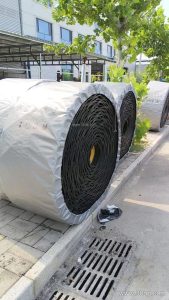
An 1800mm conveyor belt is a wide-profile belting product with a nominal width of 1800 millimeters, commonly used in bulk material handling systems where high throughput and wide load distribution are required. This width falls within the broader category of wide conveyor belts and is often specified for main haulage lines in mining, cement, power generation, and large-scale aggregate operations. The belt works in conjunction with conveyor pulleys, idler rollers, and conveyor brackets to form a complete conveying system.
While the width defines the belt’s cross-sectional span, the construction—carcass type, cover grade, and tensile strength—determines its performance. An 1800mm conveyor belt is not a single specification; it can be built with different core materials and surface properties to suit specific duties.
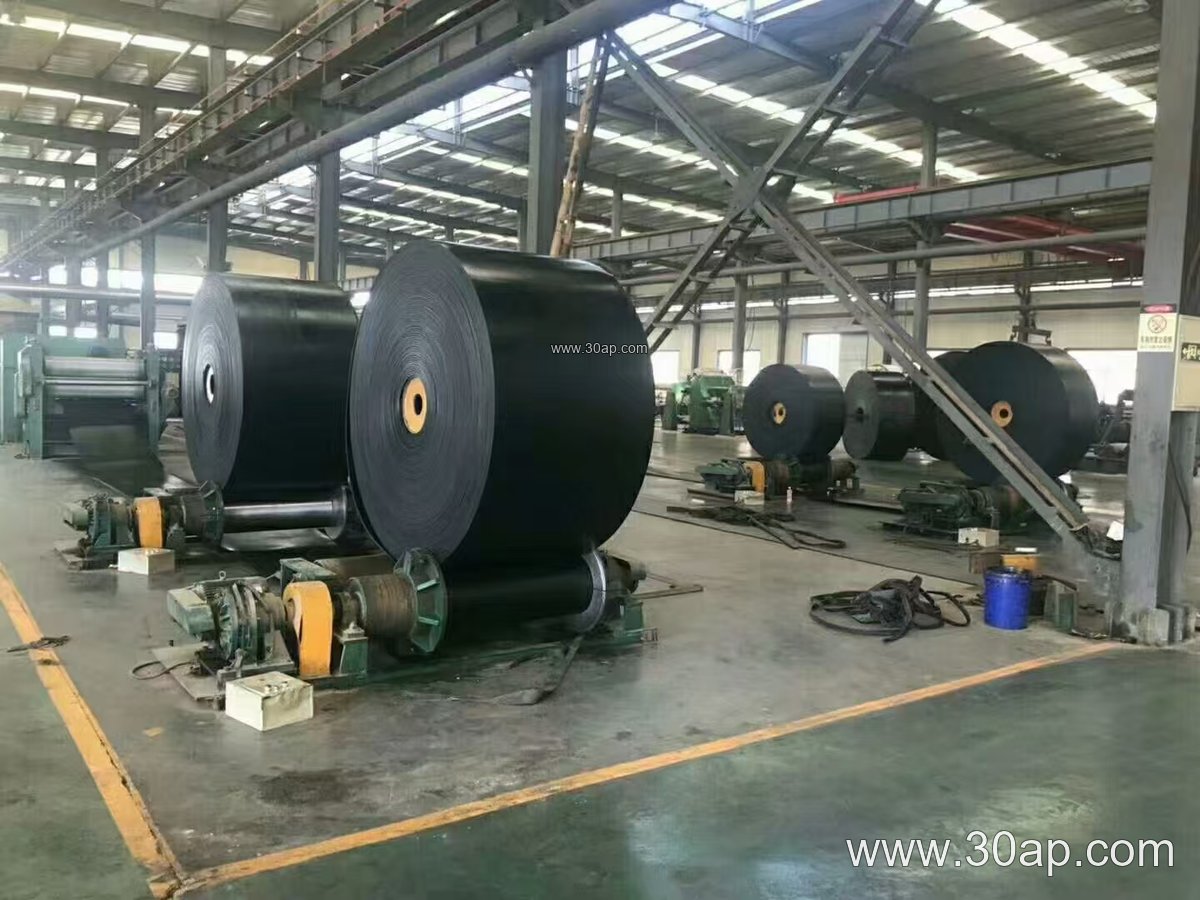
Construction and Common Specifications
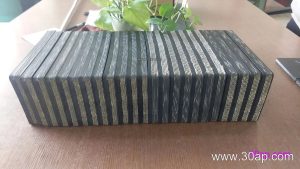
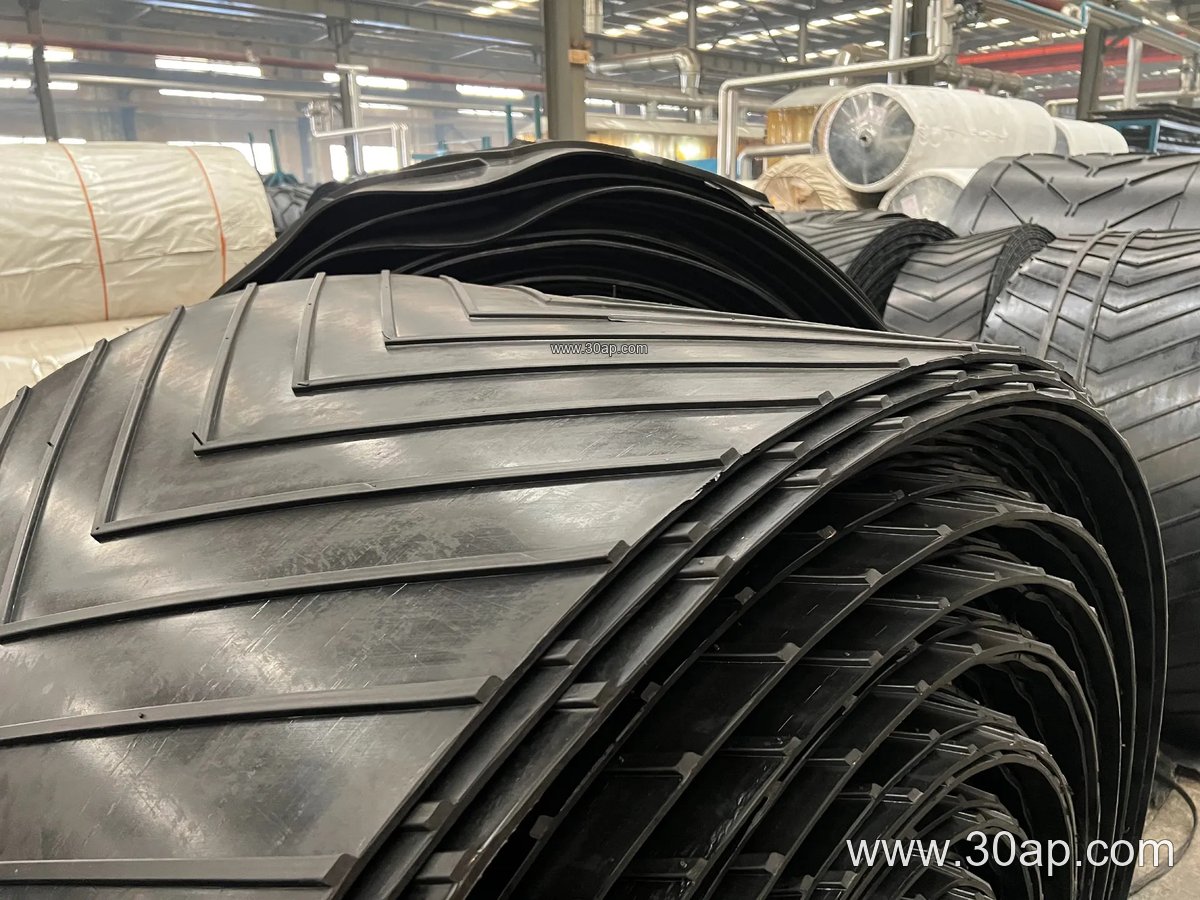
The belt typically consists of a fabric or steel cord carcass encapsulated in rubber covers. For an 1800mm width, fabric core designs often use multiple plies to achieve the required strength and stability. Steel cord constructions are also available for very high tension applications. Common cover thickness combinations include 4+2 mm, 5+2 mm, 6+2 mm, and 8+3 mm, with the first number indicating the top cover and the second the bottom cover. The carcass may have 2 to 6 plies depending on the design.
Below is a reference table of typical strength grades and constructions that may be considered for an 1800mm conveyor belt. These are common industry references, not fixed pairings, and actual selection depends on the system design.
| Construction Type | Common Strength Grades | Typical Cover Thickness (mm) | Typical Applications |
|---|---|---|---|
| EP Conveyor Belt | EP200, EP315, EP400, EP500, EP630, EP800, EP1000, EP1250 | 4+2, 5+2, 6+2 | General bulk handling, quarry, cement |
| NN Conveyor Belt | NN100, NN200, NN300, NN400 | 4+2, 5+2, 6+2 | Mining, sand and gravel, power plants |
| Steel Cord Conveyor Belt | ST1000, ST1250, ST1600, ST2000, ST2500 | 6+2, 8+3 | Long-distance, high-tension haulage |
| PVG Conveyor Belt | PVG800, PVG800S | According to design | Underground coal mining |
Specialty grades such as heat resistant conveyor belt, oil resistant conveyor belt, flame retardant conveyor belt, and abrasion resistant conveyor belt can be manufactured in the 1800mm width when the operating environment demands it. For example, a cement plant handling hot clinker may require a heat resistant belt, while a coal mining conveyor belt system may need flame retardant and anti-static properties.
Where 1800mm Belts Are Used
This belt width is frequently found in high-capacity installations. In the mining industry, it may serve as a main haulage belt in underground mining conveyor systems or on surface ore conveyor lines. In coal mining, an 1800mm flame retardant conveyor belt can handle large volumes of coal while meeting safety requirements. Cement plants use wide belts to transport limestone, clinker, and additives. Power plants rely on them for coal delivery, and large quarries and sand making plants use them for aggregate conveyor duty. Ports and ship loading facilities may also employ 1800mm conveyor belts for fast bulk transfer.
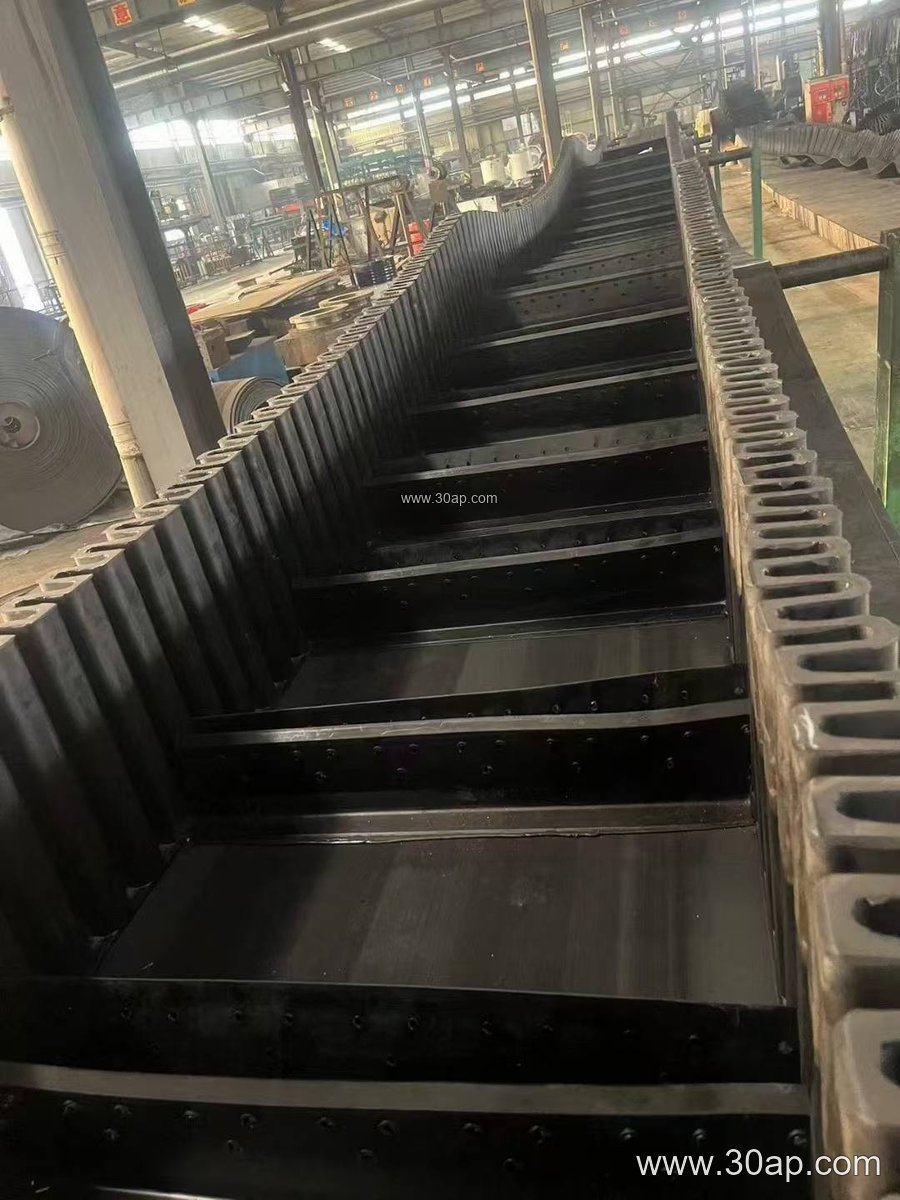
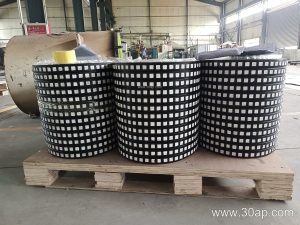
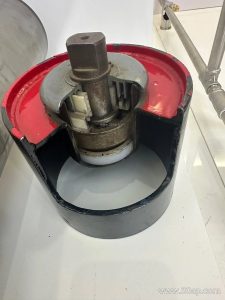
Because of the wide footprint, these belts are often supported by heavy-duty idler rollers and robust conveyor pulleys. The drive pulley, tail pulley, and bend pulleys must be sized to match the belt width and tension, but the belt width alone does not dictate a specific pulley diameter—each system is engineered individually.
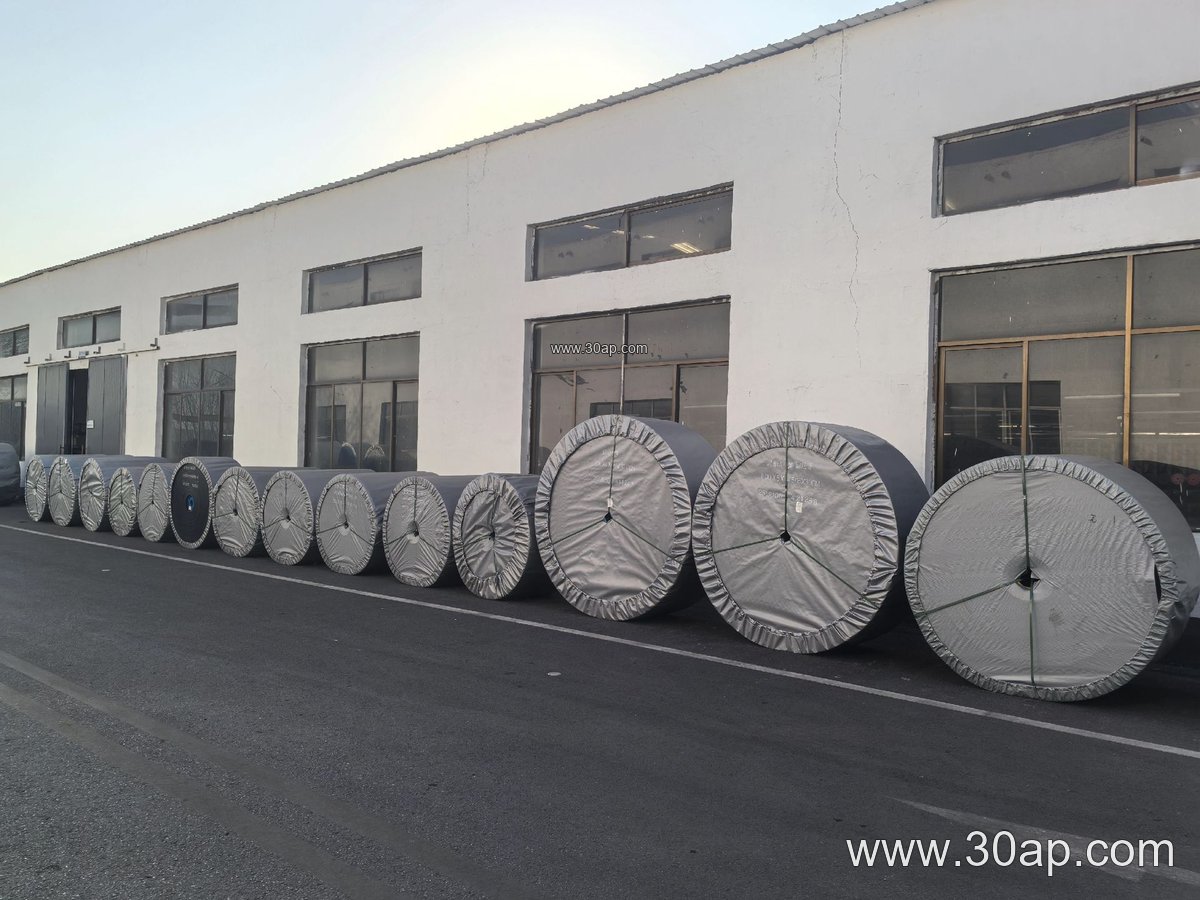
Buyer’s Checklist
When specifying an 1800mm conveyor belt, consider the following:
- Material characteristics: Abrasiveness, lump size, temperature, oil content, and moisture will influence the choice between abrasion resistant, heat resistant, oil resistant, or cold resistant grades.
- Strength requirement: Calculate the maximum belt tension based on conveyor length, incline, capacity, and material weight. Select an EP, NN, or steel cord grade accordingly.
- Safety and environment: For underground coal mining or flammable environments, specify flame retardant and anti-static properties. For food handling, a food grade conveyor belt may be needed.
- Cover thickness: Thicker covers extend service life in abrasive conditions but add weight and cost. Common combinations like 6+2 mm or 8+3 mm are used for heavy-duty mining conveyor belts.
- Compatibility: Ensure the belt matches the conveyor structure, including troughing idler rollers, pulley face width, and bracket spacing. An 1800mm belt requires adequately sized pulleys and idlers to support the load.
It is also wise to discuss splicing methods—vulcanized or mechanical—with the supplier, as an endless conveyor belt joint can affect performance and downtime. For high-strength applications, a multi-ply fabric core conveyor belt or steel cord belt may be supplied in open lengths for on-site splicing.
Maintenance and Longevity
Regular inspection of the belt surface, edges, and splices helps prevent unexpected failures. Keep idler rollers turning freely and check pulley lagging for wear. Maintaining proper belt tension and alignment reduces edge damage, which is particularly important for wide belts like the 1800mm conveyor belt. In dusty or wet conditions, cleaning systems and proper drainage help preserve the belt and extend its service life.
By understanding the construction options and application demands, buyers can select an 1800mm conveyor belt that delivers reliable performance in the most demanding bulk material handling environments.