What a Rubber Disc Return Idler Does
A rubber disc return idler is a lower-run idler roller built with a series of resilient rubber discs mounted along a steel shaft. It sits beneath the carrying side of a conveyor belt and supports the belt on its way back to the tail pulley. Instead of a plain steel shell, the rubber discs contact the belt surface, absorbing shock, reducing vibration, and helping to shed sticky material that would otherwise build up on a smooth roller. On bulk handling lines, this return idler is often the difference between a belt that tracks cleanly and one that wanders, especially where fines and moisture are present.
Because the discs are spaced apart, the belt rests on a series of rings rather than a continuous surface. That gap helps drop material away and limits the contact area where carryback can adhere. The result is a return run that stays cleaner and runs quieter, which matters on long conveyors carrying abrasive or damp loads.
Construction and Key Components
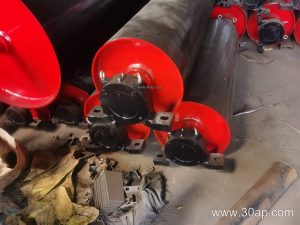
The typical unit combines a through shaft, bearing housings, labyrinth or contact seals, and a set of rubber discs pressed onto the shaft. The shaft ends fit into a conveyor bracket or frame mount. Discs are usually made from wear-resistant rubber, and their diameter and thickness determine how the idler meets the belt.
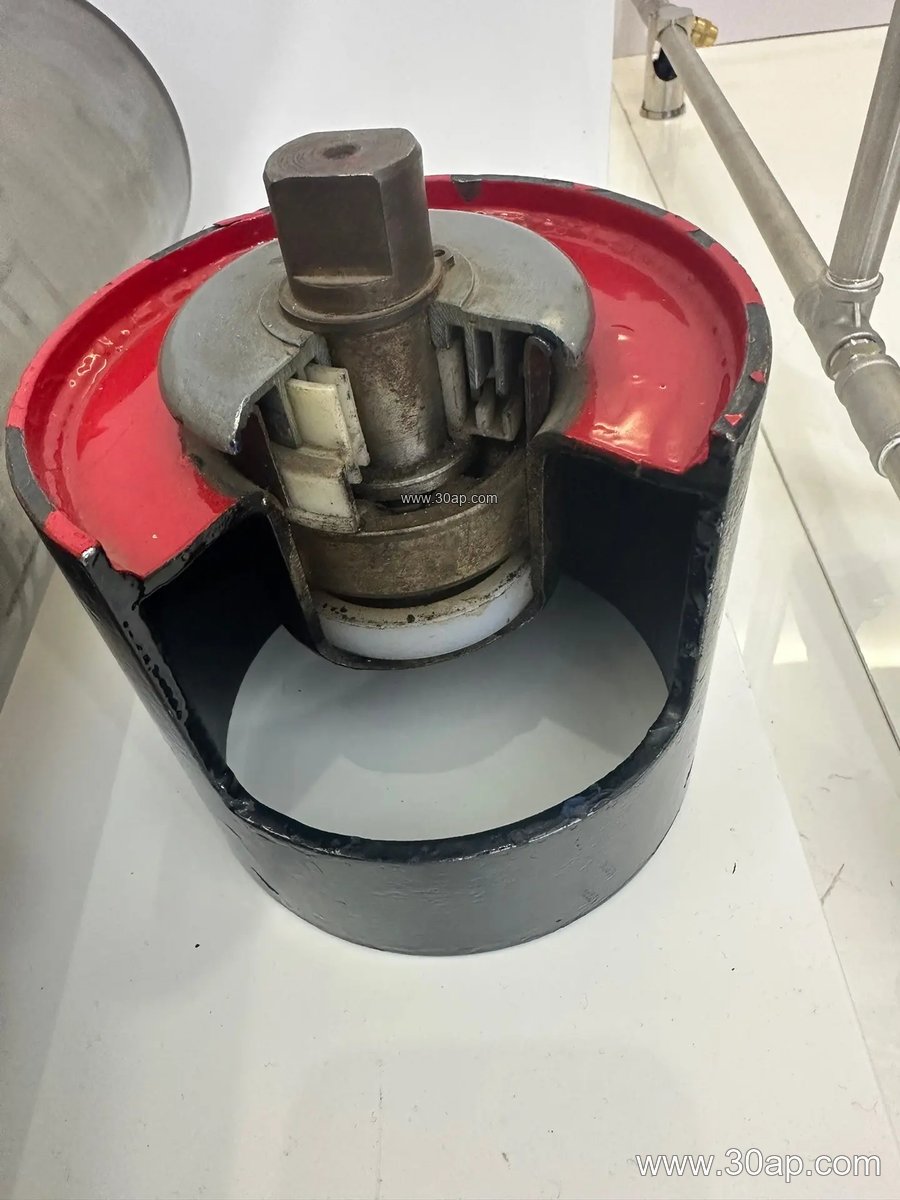
- Rubber disc rings, often 100 mm to 180 mm in diameter depending on the frame
- Steel shaft with machined bearing seats
- Sealed bearings, commonly 6205, 6305, or 6306 for medium frames
- Protective end caps and mounting flats
Sealing is critical. Dust from a quarry or a coal yard will destroy an unprotected bearing quickly, so buyers should confirm the seal type and grease arrangement. The disc hardness also matters: softer rubber absorbs impact, while harder compounds resist abrasion on sharp, dry material.
Where It Fits on the Conveyor
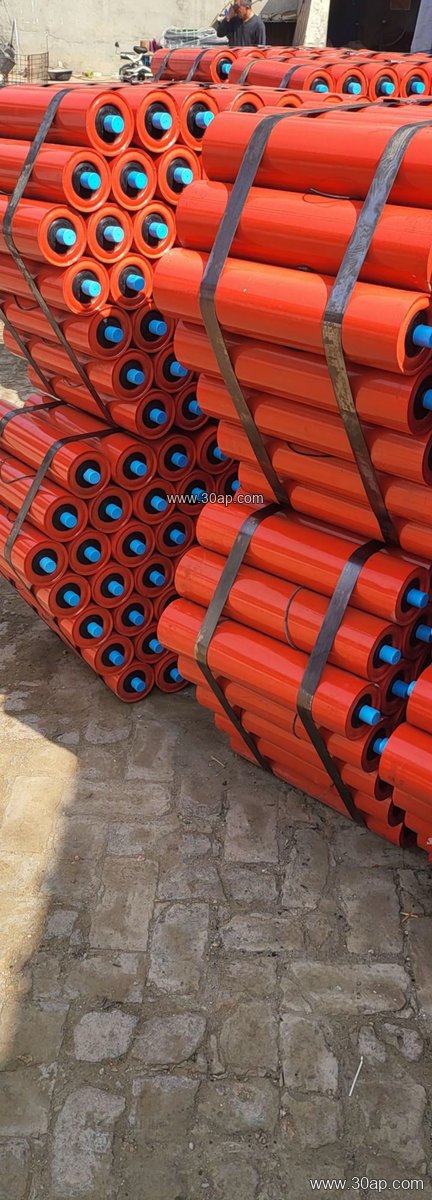
This return idler belongs to the lower run, not the carrying run. It should not be confused with troughing idlers, impact idlers, or self-aligning idlers, which serve different positions and duties. It also should not be swapped for a drive pulley, tail pulley, or bend pulley, since those are completely different components with different functions.
Typical installations include:
- Aggregate and sand lines where dust and spillage cling to the belt
- Coal handling and washing plants with damp fines
- Cement plants and power plant coal yards
- Iron ore and copper ore transfer conveyors
- Port ship-loading systems handling bulk material
In these settings, pairing the return idler with an abrasion resistant conveyor belt or a flame retardant conveyor belt suited to the environment helps the whole system last longer.
Common Sizes and Selection Points
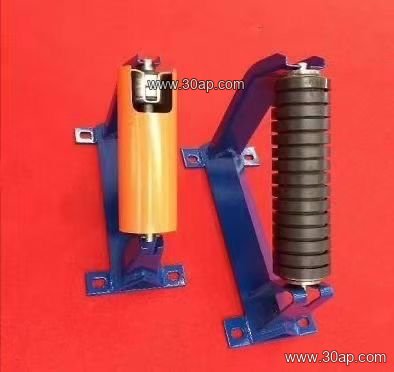
Rubber disc return idlers are usually selected to match belt width, frame type, and shaft end dimensions. The table below gives reference ranges; actual values should be confirmed with the conveyor design.
| Parameter | Common Reference Range |
|---|---|
| Belt width (B) | B500, B650, B800, B1000, B1200, B1400, B1600, B1800, B2000 |
| Roller diameter | Ø89, Ø102, Ø108, Ø127, Ø133, Ø159, Ø178 |
| Disc diameter | Typically larger than the roller body, per frame design |
| Bearing size | 6205, 6305, 6306, 6308, 6310 |
| Mounting | Flat or V-return frame, per conveyor bracket layout |
When sizing, check shaft diameter and end configuration rather than assuming a value from belt width alone. A B1000 belt can be served by more than one idler diameter, and the correct choice depends on load, speed, and frame spacing. Where the belt is wide, an EP200 conveyor belt or a steel cord conveyor belt may call for a heavier return frame and a larger bearing.
Buyer Checklist
- Confirm the belt width and the existing return frame type
- Match shaft ends and bracket dimensions before ordering
- Specify rubber hardness for the material being carried
- Check seal design for dusty or wet conditions
- Consider disc spacing if carryback is a known problem
- Review bearing size against the expected load and speed
On a well-designed conveyor, the rubber disc return idler is a small but useful component. It keeps the return side supported, reduces buildup, and protects the belt from unnecessary wear. For anyone sourcing conveyor components, matching this idler to the belt and frame is a practical step toward fewer stoppages and a cleaner transfer point.