What a Terminal Conveyor Idler Does
A terminal conveyor idler is the last carrying or return idler before the belt leaves a conveyor section, often positioned near the head or tail transfer point. Unlike a drive pulley or tail pulley, which transmit motion and tension, this idler roller only supports the conveyor belt and maintains its profile as material discharges or loads. In a quarry conveyor or a power plant coal handling line, the terminal idler helps prevent belt sag and material spillage right where the belt meets the next stage. It is a small component, but its placement makes it critical for smooth handoff between conveyors.
Construction and Common Configurations
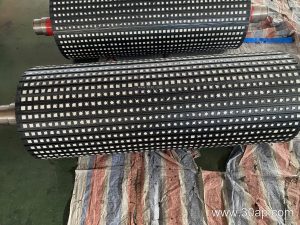
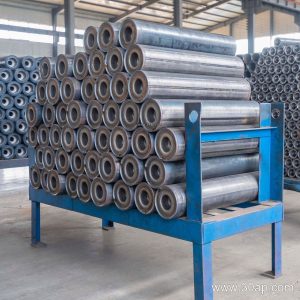
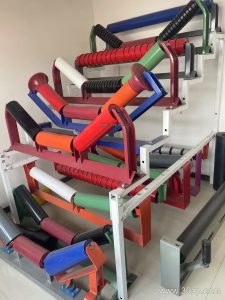
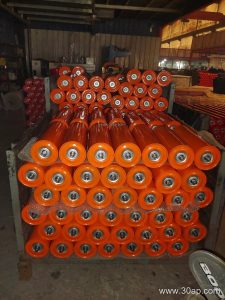
Most terminal conveyor idlers share the same basic build as standard carrying idlers: a steel tube shell, bearing housings, a shaft, and seals. The difference lies in the mounting position and the load profile at the terminal end. Common shell materials include steel, nylon, and rubber rings for impact absorption. Bearing sizes such as 6204, 6205, 6305, 6306, 6308, and 6310 appear across different roller diameters, but no single bearing is tied to one shell size. The idler is usually part of a three-roll troughing set or a single-roll return set, depending on whether it sits on the carrying side or the return side.
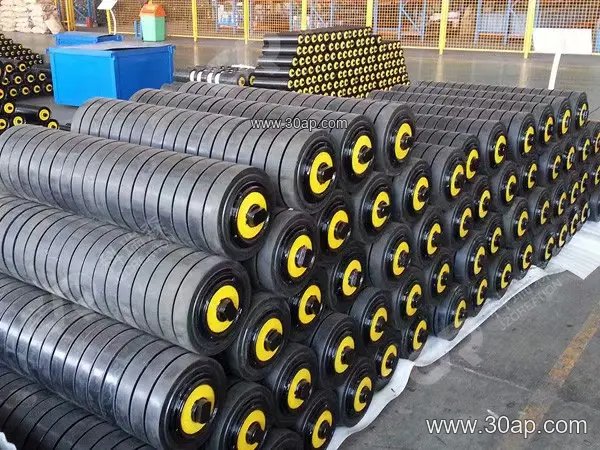
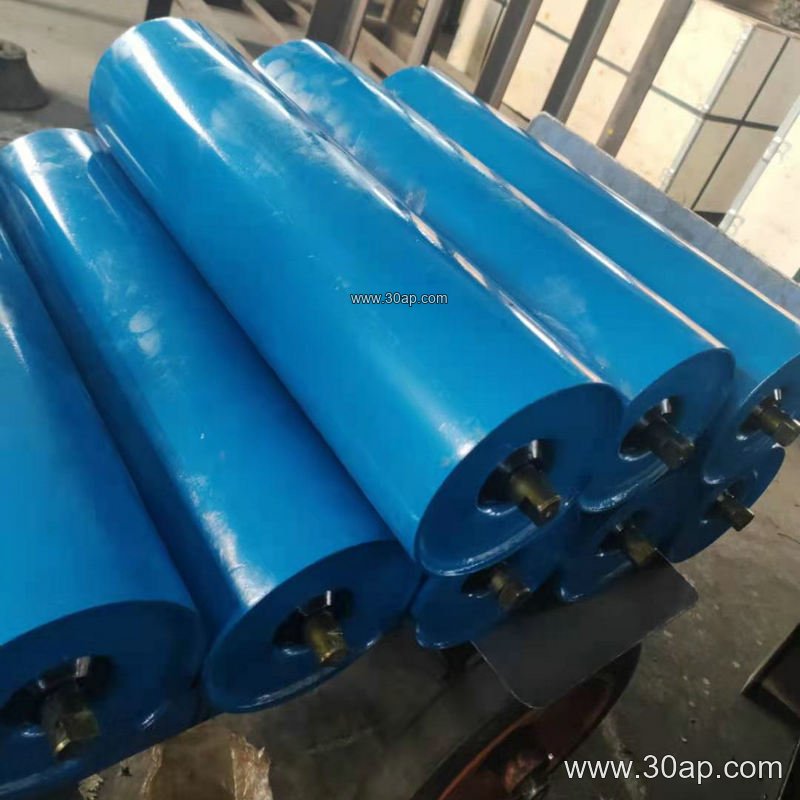
Typical roller diameters range from Ø63 to Ø219, and belt widths from B400 to B2400. For a terminal position on a B1000 belt, a Ø127 or Ø133 roller with a 380 mm roll length is a common example, but final dimensions depend on trough angle, frame design, and belt load. Trough angles of 20, 30, 35, and 45 degrees are used, and a slight forward tilt of about 1.5 to 2 degrees may appear in self-aligning variants. These values are reference points, not fixed rules for every conveyor.
Where Terminal Idlers Are Used
You will find terminal conveyor idlers in bulk material handling across many industries. In a limestone quarry or sand and gravel plant, they support the belt at the discharge end before the next crusher or screen. In a cement plant, they help stabilize the belt at transfer towers where clinker or raw meal changes direction. Coal mining conveyors, including underground coal mining conveyor belts, use terminal idlers near the tail loading point to cushion the belt as material drops onto it. Port ship loading systems and steel plant sinter lines also rely on properly placed terminal rollers to reduce belt edge damage.
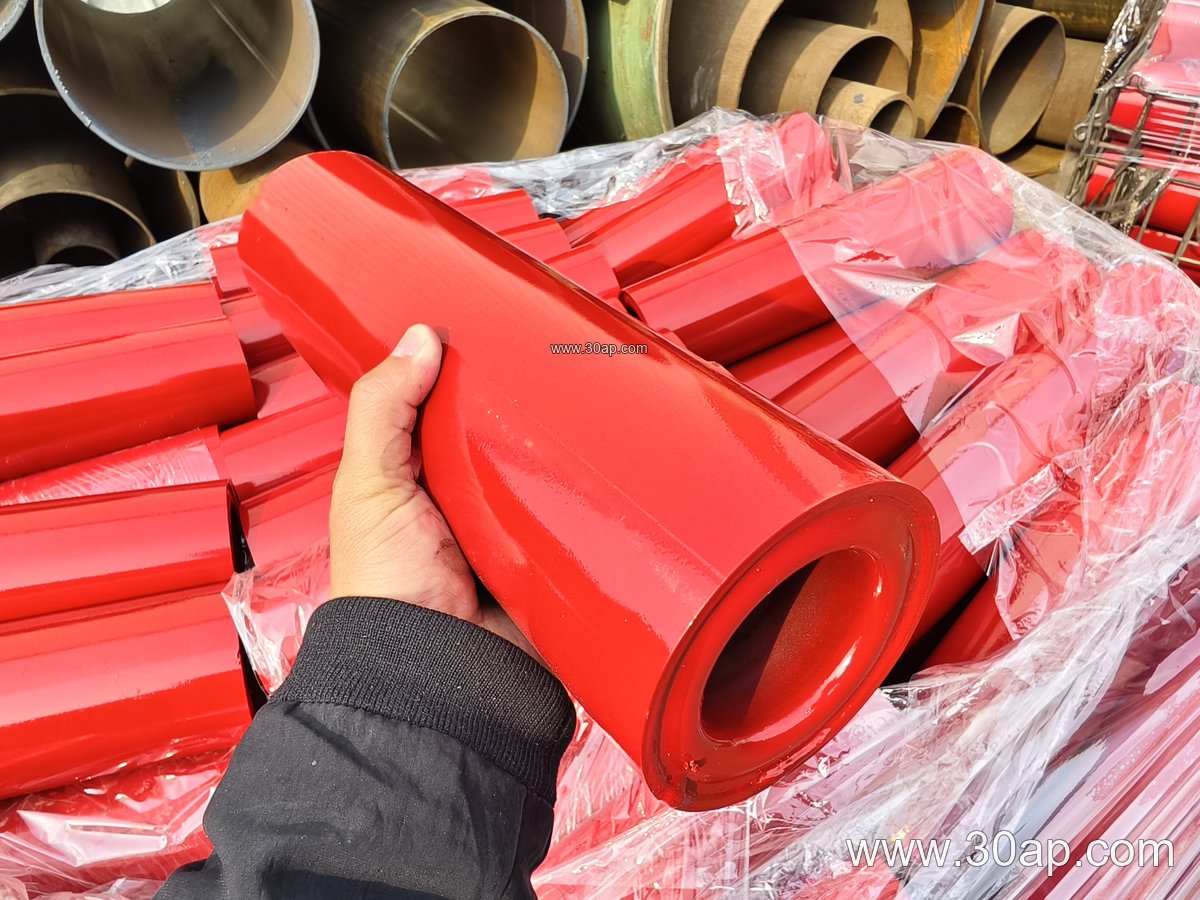
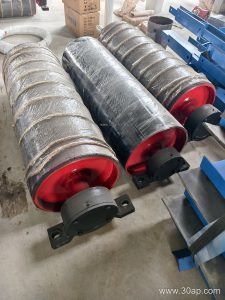
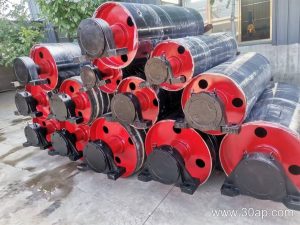
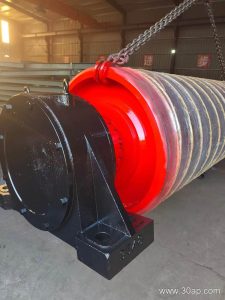
The idler works together with the conveyor belt, conveyor pulley, and conveyor bracket. A misaligned terminal idler can cause belt tracking problems that affect the entire conveyor, so mounting accuracy matters as much as roller quality.
Selection and Maintenance Notes
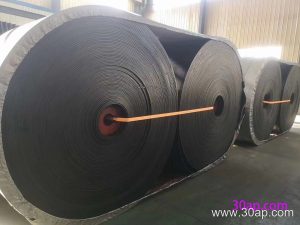
When choosing a terminal conveyor idler, consider the belt width, the load at the transfer point, and the environment. Abrasive materials like iron ore or copper ore call for a wear-resistant shell, while a rubber-ring impact idler may suit a crusher discharge where lumps fall hard. In coal mining, flame retardant conveyor belt and anti-static properties are often specified for the belt, and the idler seals should resist dust and moisture. Heat resistant conveyor belt applications in cement or steel plants may require idlers that tolerate elevated temperatures without lubricant breakdown.
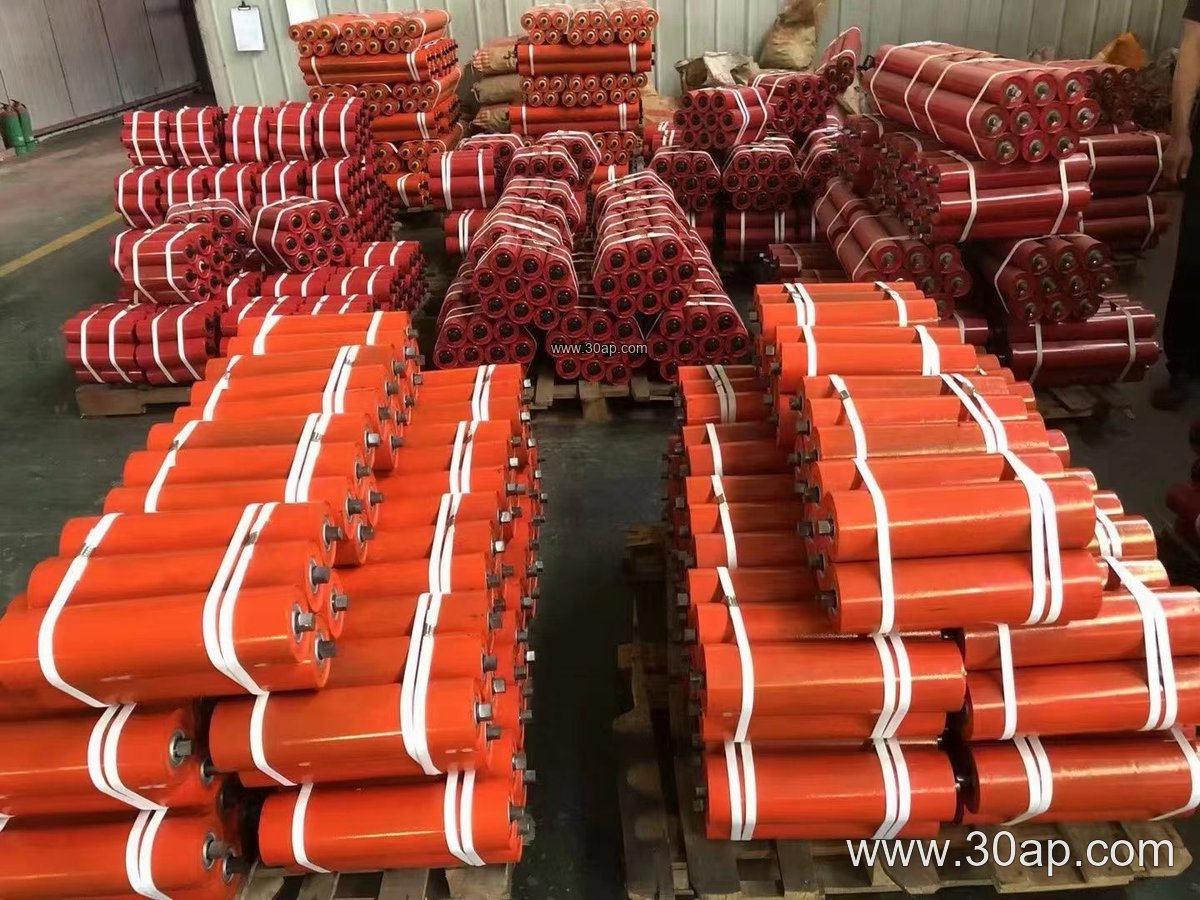
Maintenance is straightforward: check for seized bearings, worn shells, and loose brackets. A terminal idler that stops rotating can flat-spot the belt or cause friction heat. Replacing a worn idler roller early is cheaper than repairing a damaged belt. Keep spare rollers in common diameters such as Ø89, Ø108, Ø127, and Ø133 on hand for quick changeouts, and verify that the replacement matches the original roll length and bearing size.
Buyer Checklist
- Confirm belt width and trough angle before ordering any idler set.
- Match roller diameter to the load and belt speed, not to a single fixed formula.
- Specify shell material and seal type for dusty or wet conditions.
- Check that the terminal position allows proper clearance from the pulley and frame.
- Ask for dimensional drawings rather than assuming roll length from belt width alone.
For more information on conveyor idlers and related components, visit www.beltconveyorparts.com or www.idlerrollerpro.com. A well-chosen terminal conveyor idler keeps the belt stable at its most vulnerable point, protecting both the belt and the material flow.