What an Aggregate Conveyor Belt Does
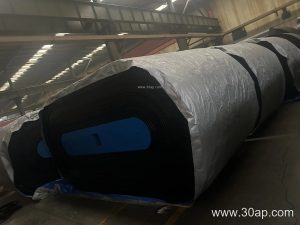
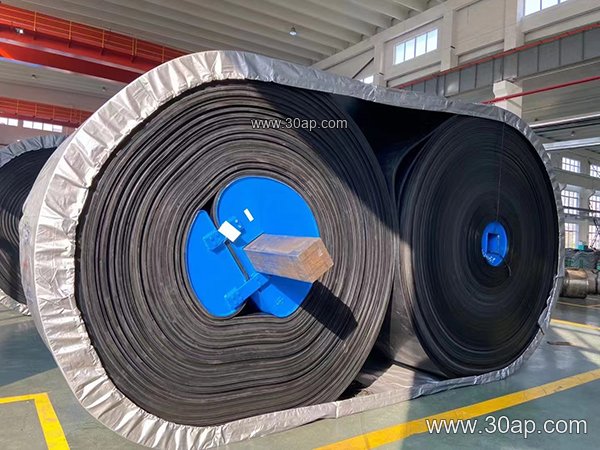
An aggregate conveyor belt is the load-carrying component that moves crushed stone, sand, gravel and screened rock between a crusher, a screen deck and a stockpile. It is a heavy-duty rubber belt built around a fabric or steel reinforcement, and it works together with idler rollers, conveyor pulleys, a conveyor bracket frame and a drive unit. In a quarry, a sand and gravel pit or a stone crushing line, this belt is often the busiest wear item on the plant, so matching the belt construction to the duty is the difference between smooth production and constant downtime.
Buyers searching for a quarry conveyor belt or a crusher conveyor belt are usually looking at the same class of product: an abrasion resistant conveyor belt designed for sharp, dry, bulk material. The exact compound and carcass should follow the site conditions, not a catalogue default.
Construction and Belt Types
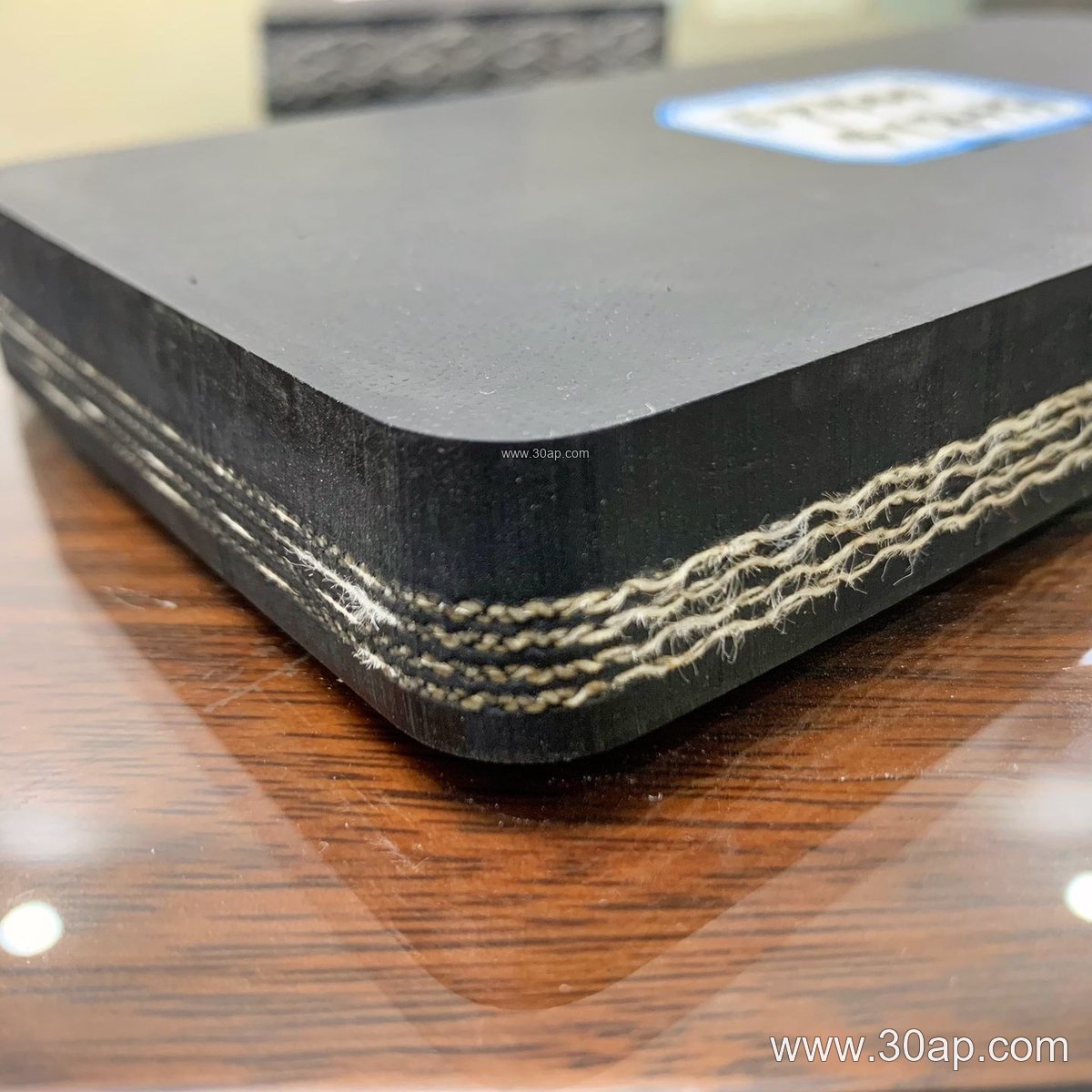
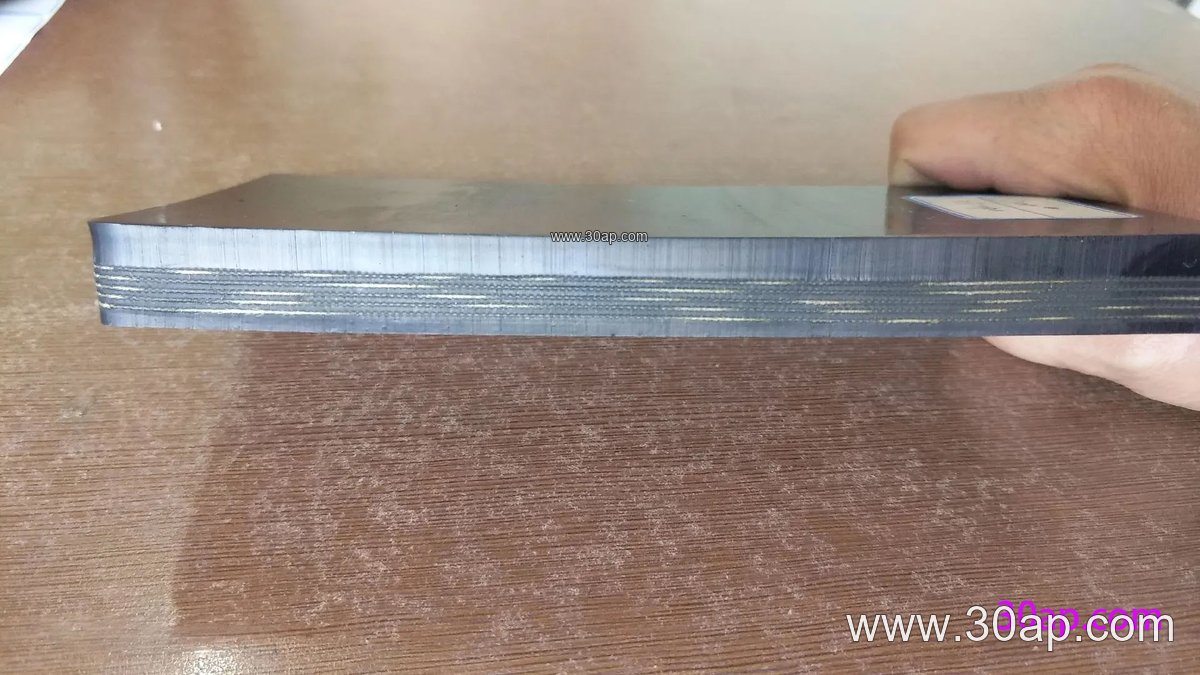
The belt is a sandwich: a top cover, a reinforcement carcass and a bottom cover. The carcass carries tension, while the covers protect it from cutting, impact and moisture. Common constructions include:
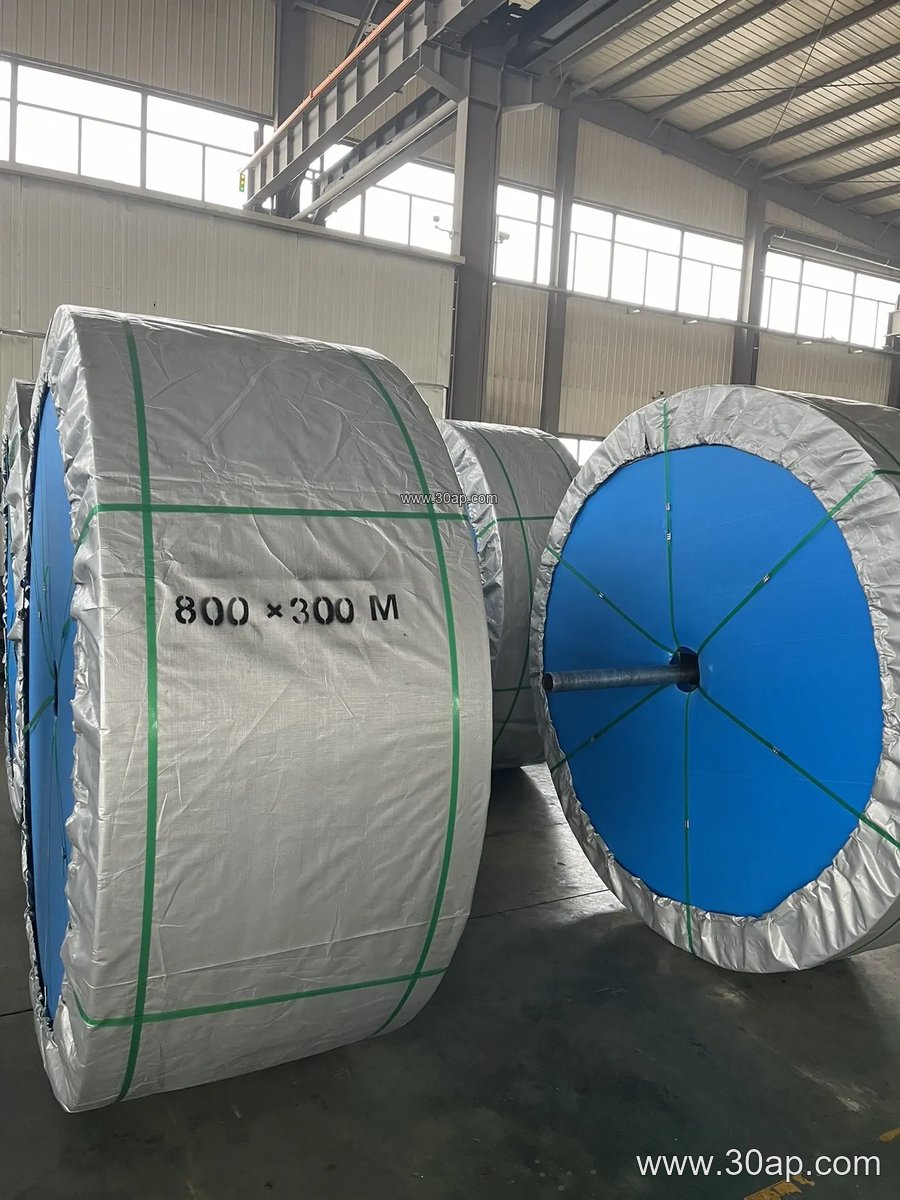
- EP conveyor belt with polyester-nylon fabric plies, widely used in aggregate plants for its low stretch and good troughability.
- NN conveyor belt with nylon-nylon plies, valued for flexibility and impact absorption.
- Steel cord conveyor belt for long, high-tension runs such as overland lines at a port or a large mine.
- Multi-ply fabric core conveyor belt where extra plies are needed for heavy loads.
For abrasive stone, an abrasion resistant conveyor belt or high abrasion resistant conveyor belt grade is typical. Where a plant handles recycled asphalt or cement clinker, a heat resistant conveyor belt may be required. In a coal mining conveyor belt application, flame retardant conveyor belt and anti-static properties matter, while a cement plant conveyor belt often needs heat and abrasion resistance together. Chevron conveyor belt and corrugated sidewall conveyor belt designs help on steep inclines and prevent material roll-back.
Typical Sizes and Reference Data
Belt width should be chosen from the material size, the required capacity and the conveyor geometry. The values below are common reference points, not fixed rules, and final selection is confirmed by design.
| Parameter | Common Reference Range |
|---|---|
| Belt width | B500, B650, B800, B1000, B1200, B1400, B1600, B1800, B2000 |
| EP strength grades | EP200, EP315, EP400, EP500, EP630, EP800, EP1000, EP1250, EP1600 |
| Cover thickness (top + bottom) | 3+1.5, 4+2, 5+2, 6+2, 8+3 mm |
| Fabric plies | Usually 2 to 6 layers |
A 800mm conveyor belt and a 1000mm conveyor belt are common in secondary and tertiary crushing circuits, while a 1200mm wide conveyor belt or wider is often seen on primary discharge and stockyard lines. A thick conveyor belt with a 6+2 mm or 8+3 mm cover suits sharp, large-lump rock. There is no single rule that ties one belt width to one pulley diameter, and shaft size must be calculated from the actual load case.
Where It Is Used
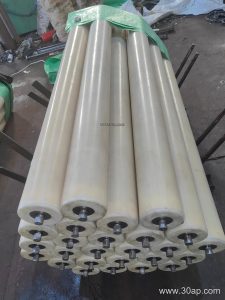
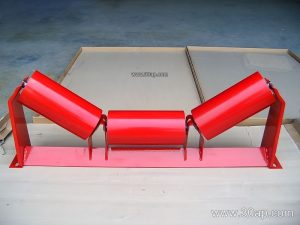
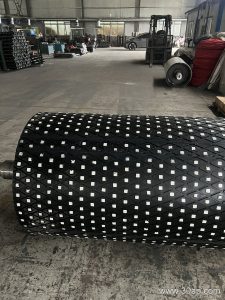
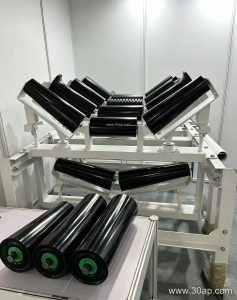
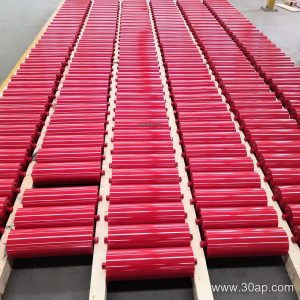
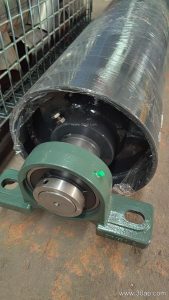
Aggregate belts appear across mining, coal, cement, power, steel and construction sites. A typical circuit includes a primary crusher discharging onto a belt, a screen feeding several product belts, and stackers building stockpiles. Related equipment such as idler rollers support the belt, conveyor pulleys at the drive, tail and bend positions redirect it, and the conveyor bracket holds the whole assembly in line. In a power plant or steel plant, the same belt family may carry limestone, coke or slag, so the cover grade changes while the basic structure stays similar.
Belt cleaners, skirt rubber and impact beds are often added at transfer points to reduce spillage and extend cover life.
Buyer Checklist
- Confirm the material: size, sharpness, moisture, temperature and oil content.
- State the duty: hours per day, tonnage per hour and incline angle.
- Check the carcass grade against the calculated tension, not against a guess.
- Match cover thickness to impact and abrasion, and consider a chevron or sidewall profile only where the incline requires it.
- Verify pulley and roller compatibility with the belt thickness and trough depth.
- Ask for the belt’s storage and splicing recommendations, and plan spare belt stock for high-wear points.
For more information on matching a conveyor belt to your plant, visit www.example.com/aggregate-conveyor-belt and review the available belt grades before ordering.