What a Conveyor Leg Does on a Belt Conveyor
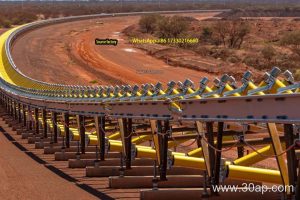
A conveyor leg is the vertical support that carries the frame, idler rollers and belt load down to the floor or foundation. In many installations the leg is part of a bracket assembly, often called a conveyor bracket, that connects the stringer to the base plate or anchor. The leg may be fixed, height-adjustable or bolted to a skid, and its job is simple to describe but critical in practice: keep the belt line straight, level and stable under load.
Because the leg carries the weight of the belt, material and idlers, it is usually made from angle steel, channel steel or folded steel plate. The exact section depends on the span between supports, the belt width and the load. A heavy-duty mining conveyor belt carrying ore needs a stiffer leg than a small aggregate line, but in both cases the leg should be treated as a structural part rather than an accessory.
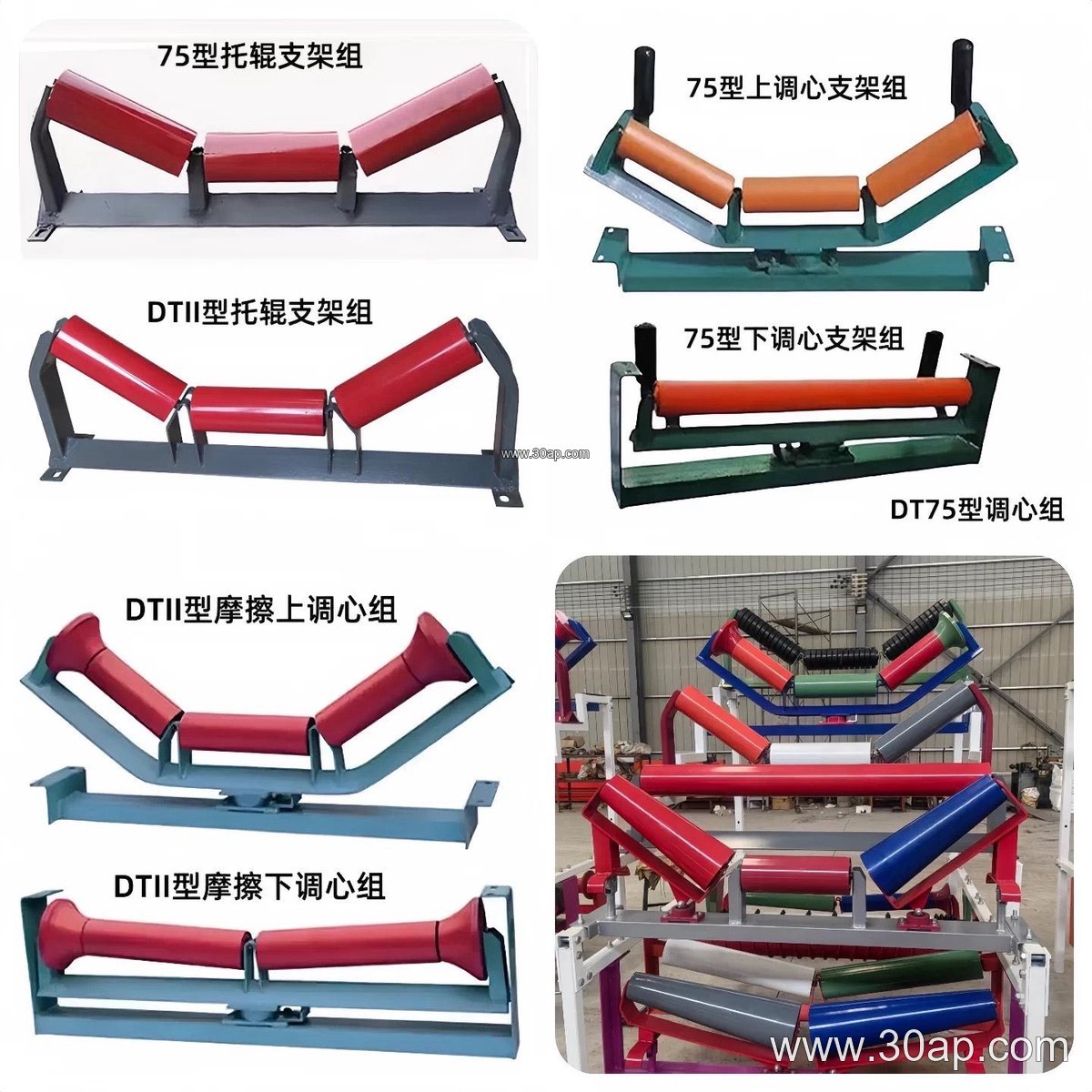
How the Leg Fits the Frame and Idlers
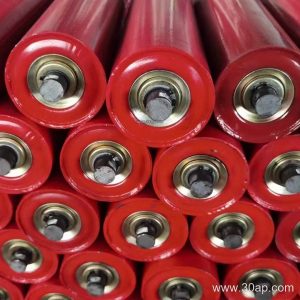
The leg connects to the conveyor frame through mounting holes and cross beams. Hole spacing and beam length usually change with belt width and trough angle, so they are determined by design rather than treated as a single fixed number. The leg also works with the idler roller set: a troughing bracket supports the carrying idlers, while a return bracket holds the return rollers. The leg must align with these brackets so the belt runs without edge damage or misalignment.
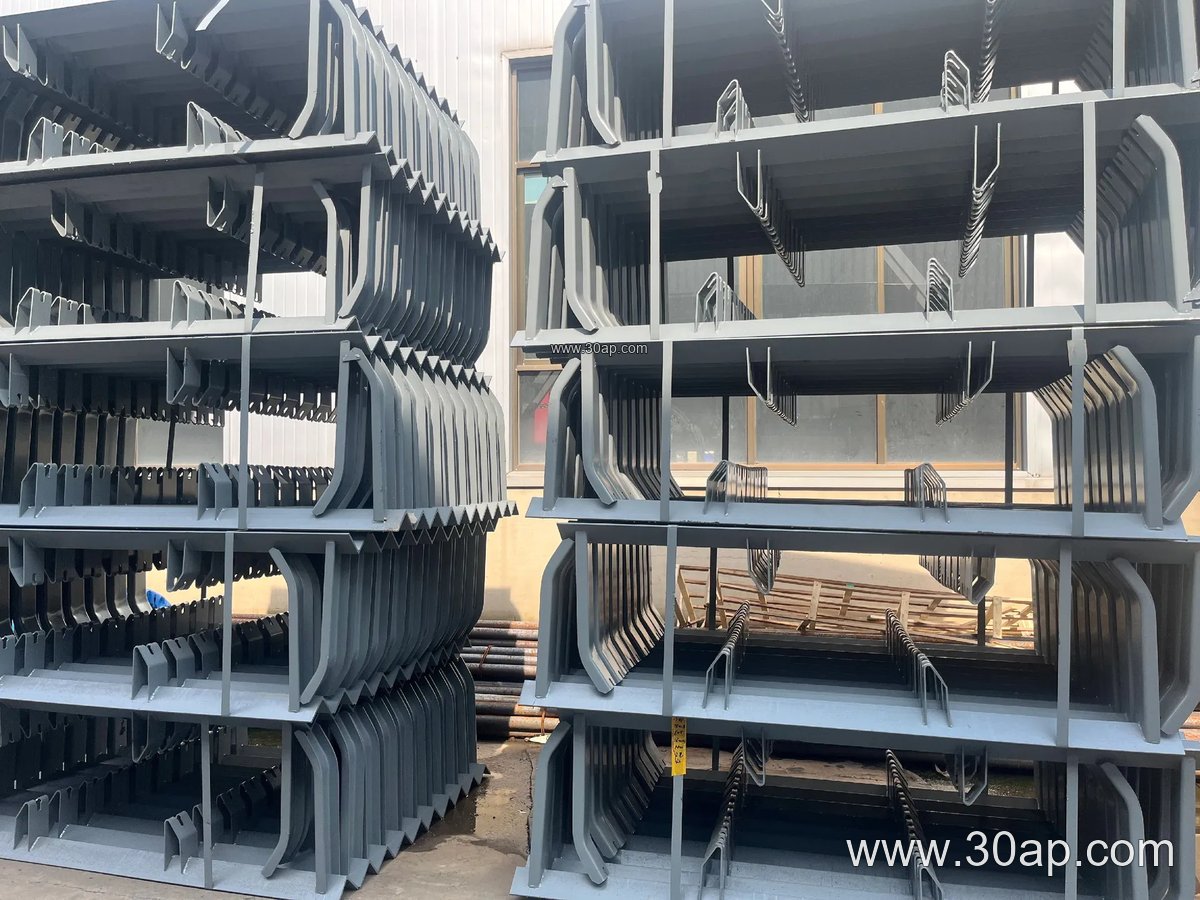
On the carrying side, common trough angles include 20, 30, 35 and 45 degrees, and adjustable brackets allow the angle to be changed within that range. Forward-leaning brackets are sometimes set at about 1.5 to 2 degrees to help belt tracking. Idler diameters such as Ø89, Ø108, Ø133, Ø159 and Ø194 are matched to belt width and load by the designer. A typical combination might be written as B800, 35 degrees, Ø108, or B1200, 45 degrees, Ø133, but no single belt width should be assumed to match only one angle or one roller diameter.
Fixed and Adjustable Legs
Fixed legs are welded or bolted to a set height and are common where the conveyor profile is already final. Adjustable legs use slotted holes or threaded sections to correct small height differences during installation and to compensate for foundation tolerances. Neither type replaces the other; the choice depends on whether the line needs future re-levelling. In a stone crushing plant or a cement plant, adjustable legs can simplify alignment between sections, while a long overland line may use fixed legs for stiffness.
Where Conveyor Legs Are Used
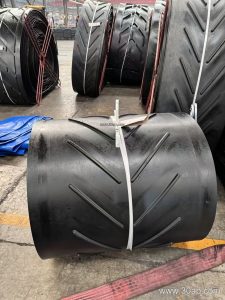
These supports appear wherever a belt conveyor runs above ground. In a coal mining conveyor system, legs hold the frame clear of the floor and allow inspection of the return side. In a power plant coal yard, they support long transfer lines. In a quarry or sand and gravel line, legs are often anchored to concrete plinths. In a port ship loading system, taller legs raise the belt to the required discharge height. The same basic part is used with a fabric core conveyor belt, a steel cord conveyor belt or a chevron conveyor belt, although the load and frame design differ.
What Buyers Should Check
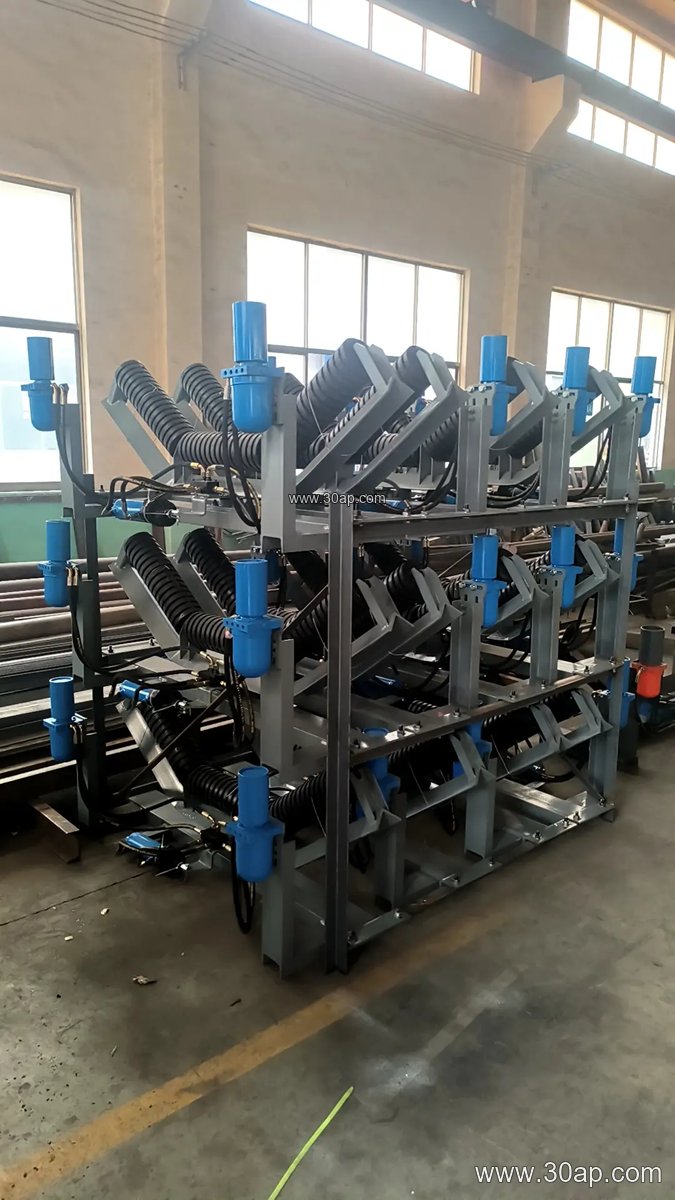
Before ordering, confirm the belt width, the trough angle, the idler diameter and the required support height. Ask how the leg connects to the stringer and whether the mounting holes match the existing conveyor bracket. Check the material and surface treatment, especially in wet or corrosive areas. For coal or underground work, confirm that the leg and frame are compatible with flame retardant conveyor belt requirements and local fire safety rules. Do not assume a price or delivery term without a written quotation.
Maintenance is mostly about inspection. Look for loose bolts, bent legs, cracked welds and corrosion at the base. A leg that settles can tilt the frame and cause belt mistracking, so re-levelling at the anchor points is part of routine service. Keeping the legs clean and the bolts tight helps the idlers and belt last longer.