What a Skirted Conveyor Belt Is
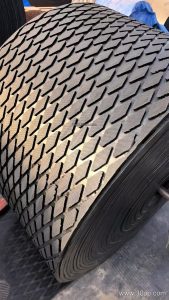
A skirted conveyor belt is a rubber belt fitted with raised flexible sidewalls, often called skirts, that run along both edges to keep bulk material on the carrying surface. The skirted conveyor belt is an accurate equivalent of the corrugated sidewall conveyor belt, and both names describe the same product family. The skirt walls contain the load, reduce spillage at transfer points, and allow the belt to run at steeper angles than a flat belt would tolerate in the same layout.
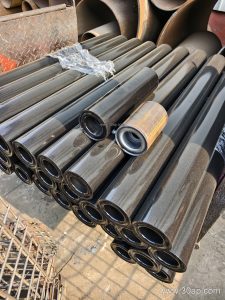
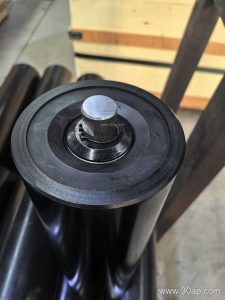
This belt is frequently specified alongside a conveyor pulley, idler roller, and conveyor bracket as part of a complete conveyor structure. Our skirted belt range can be reviewed at http://www.beltconveyorspare.com for plant engineers comparing options.
Construction and Working Principle
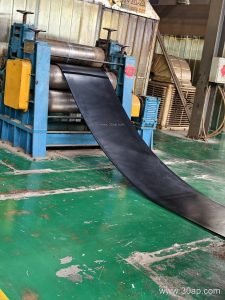
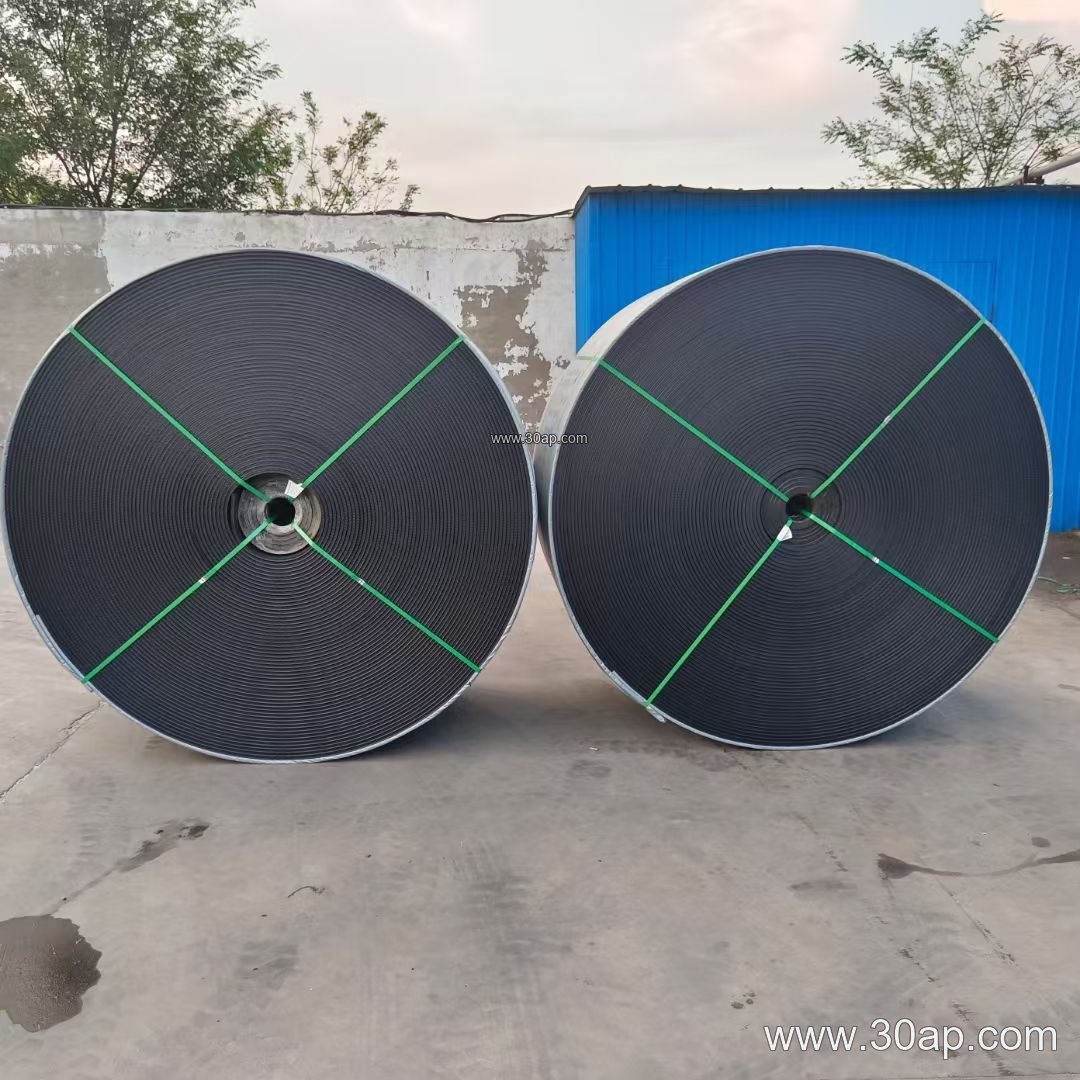
The carcass is usually a fabric core, with EP conveyor belt and NN conveyor belt constructions common for general duty. Heavy tonnage installations may use a steel cord conveyor belt, while lighter or food-contact duties can call for a PVC conveyor belt. The sidewalls are bonded to the belt edges and are supported by transverse cleats when the belt must lift material on an incline.
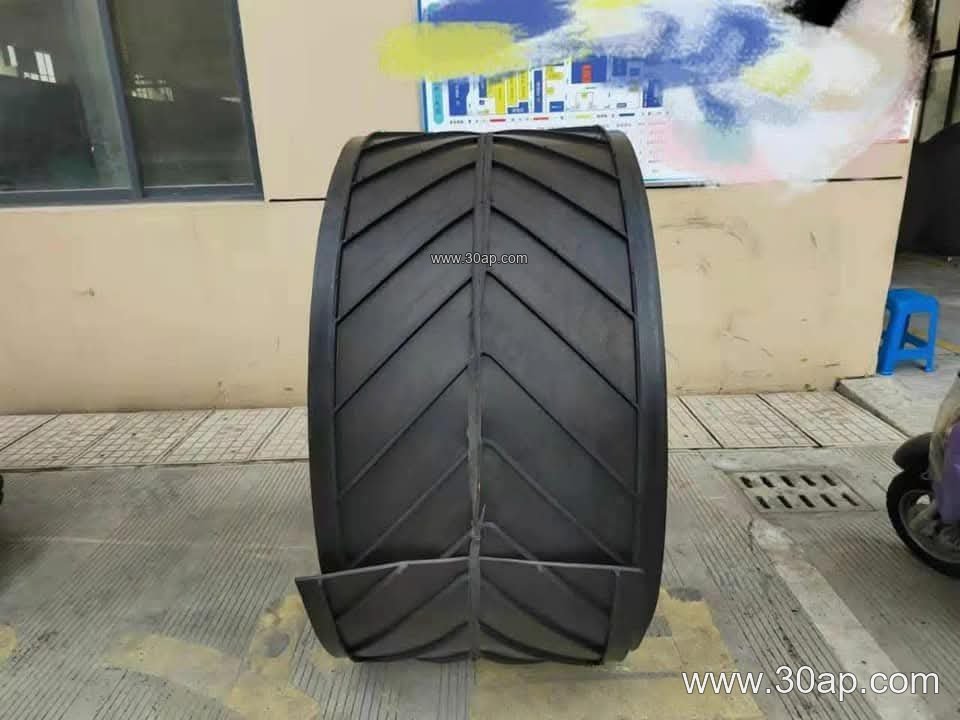
The skirt height, cleat pitch, and base belt thickness are selected together. A taller skirt holds a deeper material bed but increases belt weight and the load on the drive and tail pulleys. Cleats must be spaced so they do not foul the bend pulleys or the skirt during troughing. The skirt is not a substitute for a proper pulley guard or a sealed transfer chute; it is a containment feature that works best when the loading point is centered and the belt is properly supported.
Typical Specifications
Values below are common reference figures. Actual construction is confirmed by design for each conveyor.
| Parameter | Common options |
|---|---|
| Base carcass | EP200 to EP1000, NN100 to NN400, or steel cord where tension demand is high |
| Belt width | B500, B650, B800, B1000, B1200, B1400 |
| Cover thickness | 4+2 mm, 5+2 mm, 6+2 mm, 8+3 mm |
| Skirt height | 50 mm to 200 mm, selected with cleat height |
| Cleat pitch | Usually 250 mm to 600 mm, depending on incline |
| Surface options | Abrasion resistant, heat resistant, oil resistant, flame retardant, anti-static |
Cover compounds are chosen for the duty. A coal mining conveyor belt may require flame retardant and anti-static covers, while a cement plant conveyor belt often uses abrasion resistant rubber. In a power plant or port conveyor belt application, a heat resistant or oil resistant cover may be needed where the load or environment demands it.
Where the Skirted Belt Fits
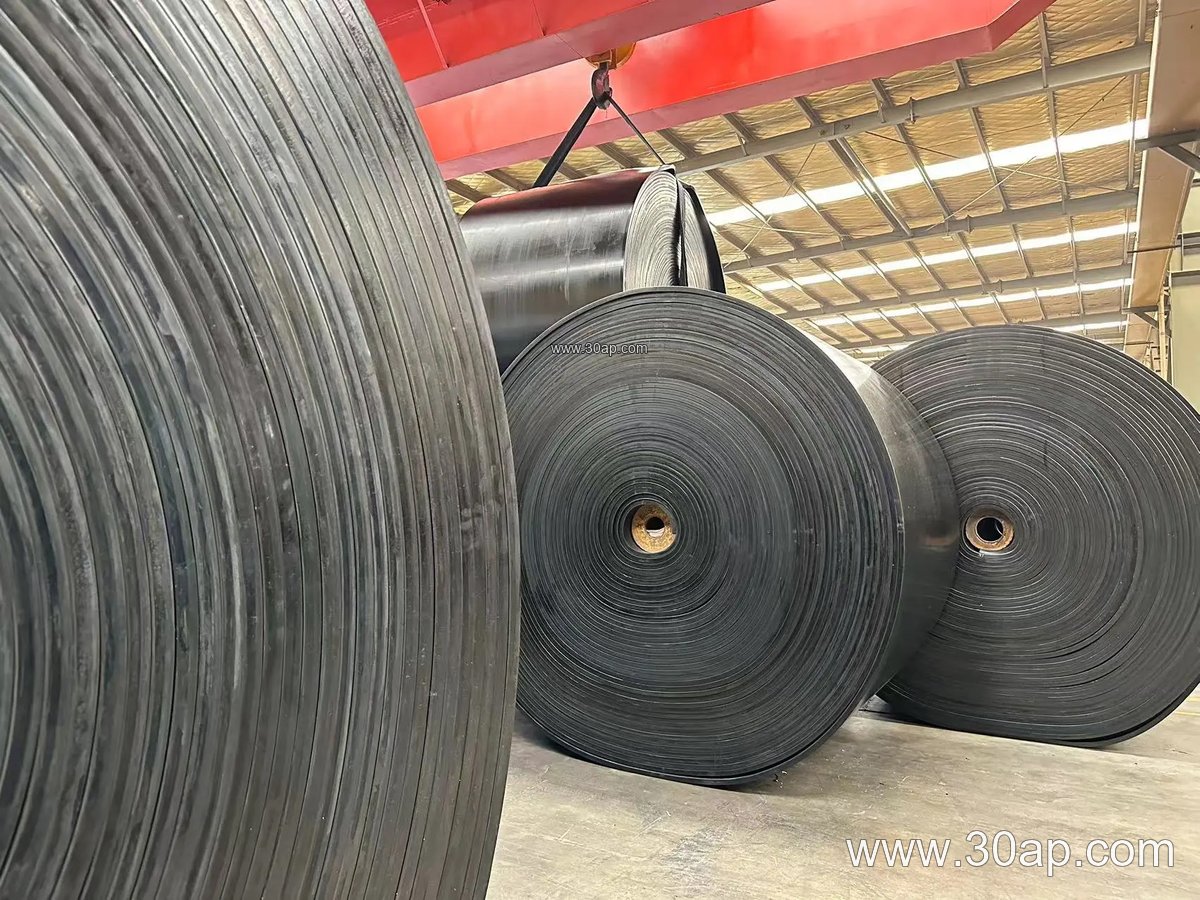
Skirted belts are common in mining, coal preparation, cement, power generation, quarry, and sand and gravel operations. They suit inclined transfer conveyors, mobile crushing plants, ship loading conveyors, and confined spaces where a flat belt would throw material off the edges. A crusher conveyor belt feeding a screen or stockpile is a frequent application. In a quarry conveyor belt circuit, the skirt helps retain crushed rock at the loading point and reduces cleanup around the conveyor pulley and idler roller.
For very long horizontal hauls, engineers often compare a skirted conveyor belt with a pipe conveyor belt, which fully encloses the material. The skirted design is simpler to inspect and maintain but does not provide the same enclosure. This comparison helps a buyer decide based on route, spillage tolerance, and maintenance access rather than on one universal rule.
Buyer Checklist
- Confirm the required belt width and the pulley diameters at the drive, tail, and bend positions, since skirt and cleat geometry must clear each pulley.
- State the material type, lump size, moisture, and temperature so the cover compound and carcass are matched correctly.
- Provide the incline angle and the loading method; skirt height and cleat pitch depend on both.
- Check that the skirt base is compatible with the conveyor frame and that idler rollers and conveyor brackets do not interfere with the skirt path.
- Ask for the supplier’s recommended splice method and skirt repair procedure.
If you are comparing skirted belt constructions for a mining, cement, or aggregate project, our team can advise on EP, NN, and steel cord options. See http://www.beltconveyorspare.com for skirted conveyor belt details and http://www.beltconveyorspare.com for matching conveyor components. A second reference for heavy haul designs is available at http://www.beltconveyorspare.com.
Maintenance Notes
Inspect skirt edges for separation at each shutdown and check cleats for cracking. Keep the loading point centered, because an off-center load pushes the skirt against the belt edge and accelerates wear. Verify that the skirt does not rub on the conveyor pulley or on the idler roller beneath the return side. A skirted conveyor belt that is correctly aligned, tensioned, and loaded will normally deliver long service in a bulk material conveyor belt system, but the skirt is a wear part and should be treated as such in the maintenance plan.