What a Conveyor Bracket Is and Why Its Price Varies
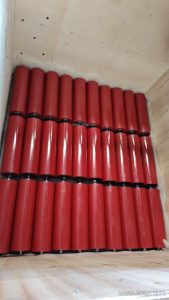
A conveyor bracket is the fabricated steel support that holds the idler roller in position under the belt line. On a troughing run it sets the trough angle; on the return side it carries the belt back to the tail pulley. Because the bracket is a structural part rather than a wear part, buyers often expect a simple price, yet the figure quoted for a conveyor bracket can differ widely from one supplier to the next. The reason lies in material, fabrication method, belt width, roller diameter, and the number of brackets in the order.
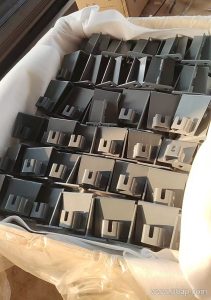
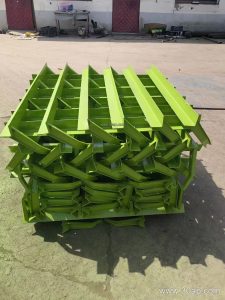
In practice the bracket is usually made from angle steel, channel steel, or folded steel plate. A light folded design suits a 500mm or 650mm belt on a small aggregate line, while a channel steel frame is more common where a 1200mm or 1400mm belt runs heavy ore. The finished price reflects steel weight, cutting and welding time, hole drilling accuracy, and surface treatment such as painting or galvanizing.
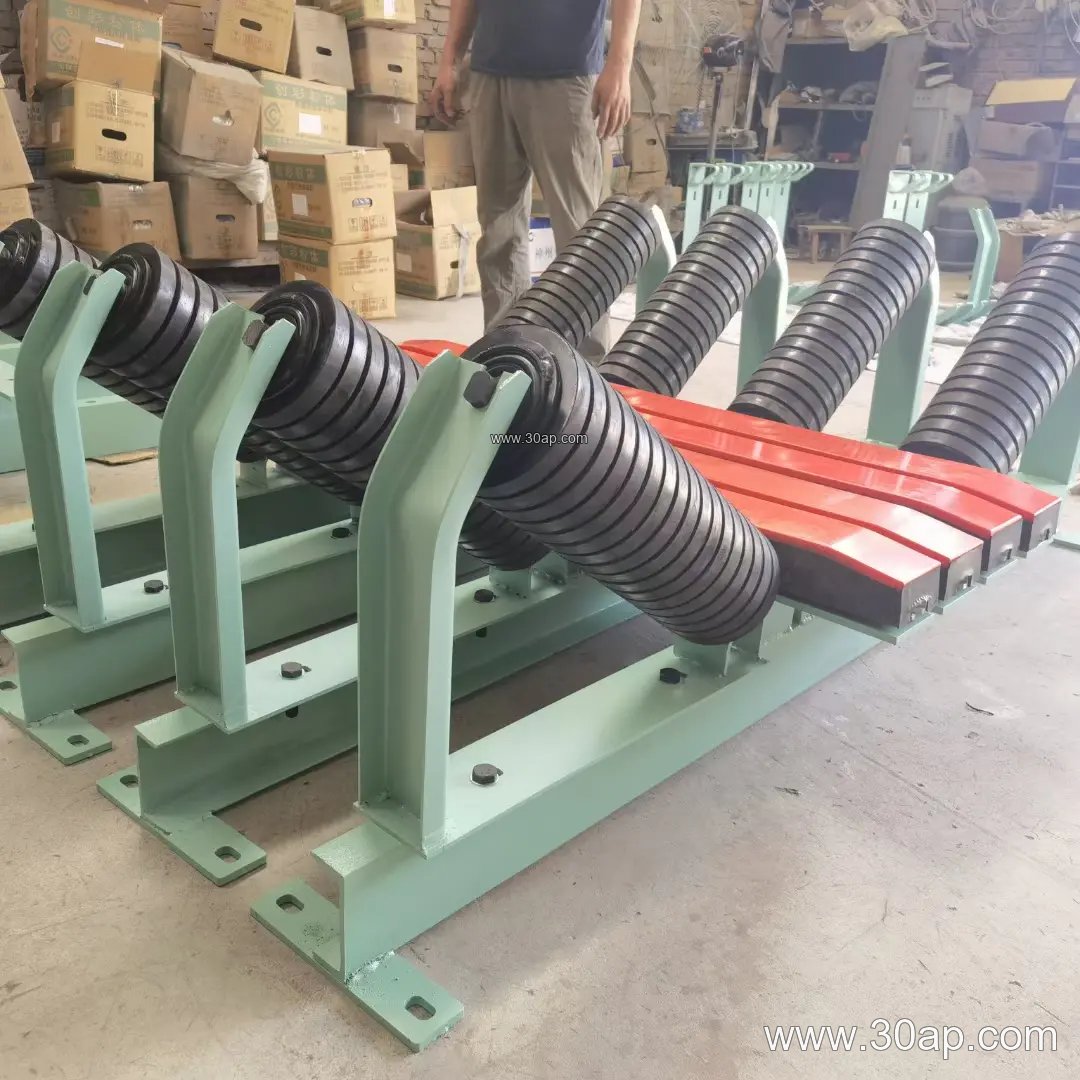
How the Bracket Is Built and Where It Sits
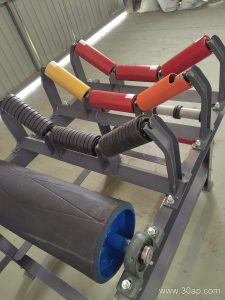
A troughing bracket normally consists of a base beam, two side wings, and mounting slots for the idlers. The wings are set at a fixed angle, or hinged so the operator can change the angle. Return brackets are simpler, often a straight cross member with two hooks or seats for the return roller. A V-shaped return bracket uses two rollers set in a shallow V to help center the belt.
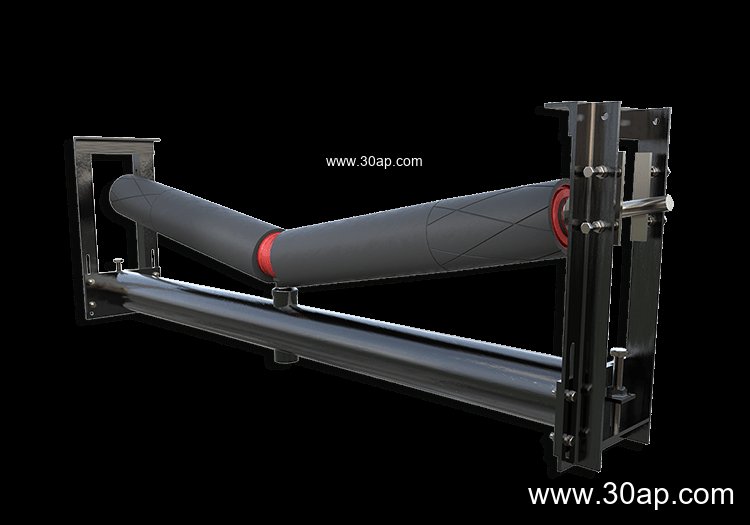
Typical configurations that a buyer may see quoted include:
- B800, 35 degree trough, Ø108 idler
- B1000, 30 degree trough, Ø133 idler
- B1200, 45 degree trough, Ø133 or Ø159 idler
- B1600, 35 degree trough, Ø159 or Ø194 idler
These are common references, not fixed rules. A 1000mm belt can run at 30 or 35 degrees, and the roller diameter is chosen from load and belt speed, not from width alone. Installation hole spacing and beam length change with belt width and trough angle, so the bracket drawing should always be confirmed against the conveyor frame.
Where Conveyor Brackets Are Used
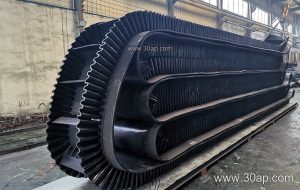
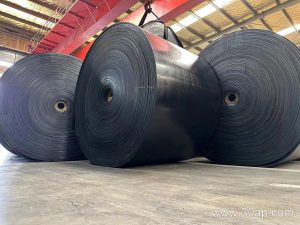
The same bracket type appears across many bulk handling sites. In a limestone quarry, troughing brackets carry a abrasion resistant conveyor belt loaded with crushed rock. In a coal washing plant, flame retardant conveyor belt runs over brackets that must resist dust and occasional water. A cement plant uses them under clinker and raw meal belts, and a power plant coal yard uses them on long inclined runs. Port terminals and iron ore stockyards often specify heavier frames because the belt carries dense material at high tension.
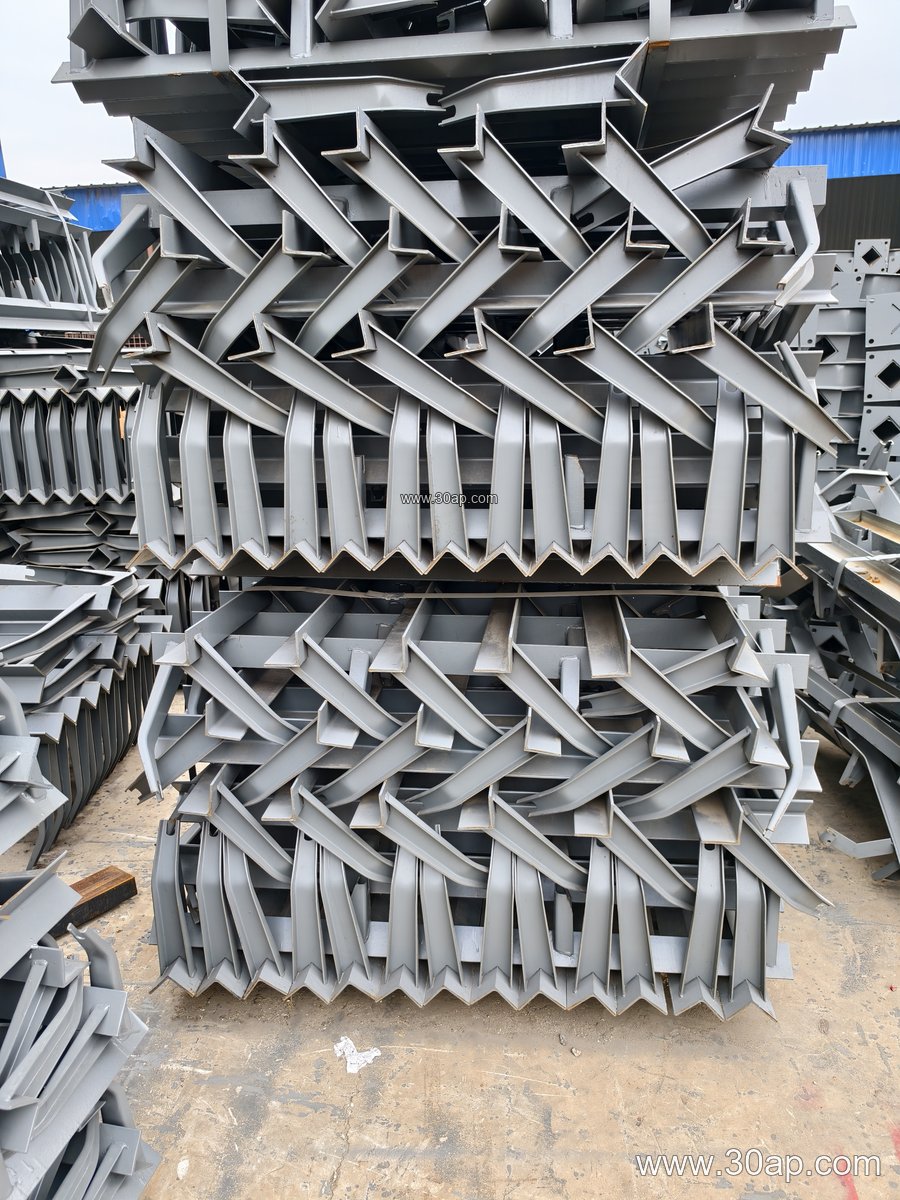
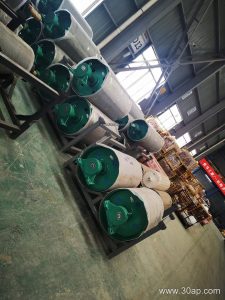
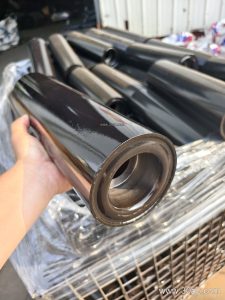
Brackets work together with the conveyor pulley at the head and tail, the idler roller along the run, and the belt itself. A self-aligning bracket is sometimes fitted on the return side where belt drift is a concern, and a impact bracket with rubber rings is placed under the loading point to absorb drop energy.
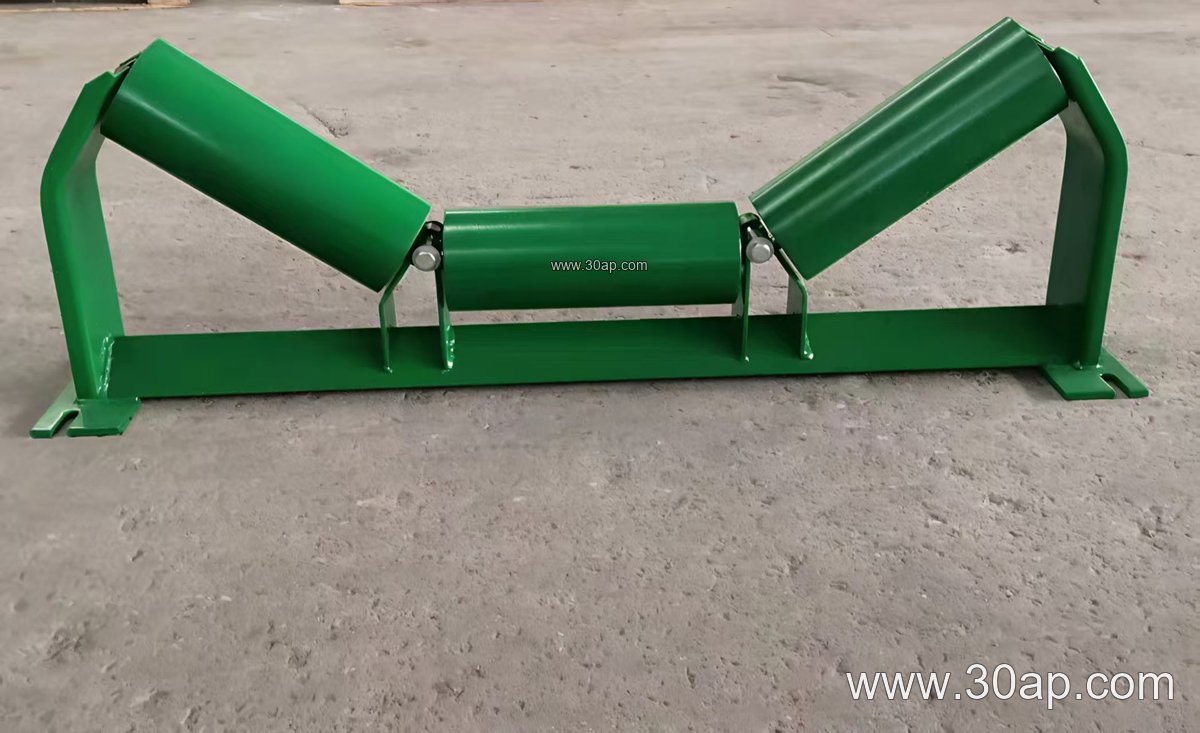
What Drives the Conveyor Bracket Price
Several factors move the quotation up or down. Steel grade and thickness are the largest contributors, followed by the number of welded joints and the tolerance on mounting holes. Adjustable brackets cost more than fixed ones because of the hinge or slotted design. Surface treatment adds a smaller amount. Order quantity matters too: a single spare bracket for a B650 line is priced differently from a batch of two hundred for a B1800 trunk conveyor.
Buyers should also compare what is included. Some quotes cover the bracket only, while others include the idler roller, bolts, or mounting pads. Ask for the drawing, the steel specification, and the surface finish so the comparison is fair. For a mining conveyor belt system, a slightly higher bracket price often pays back through fewer idler changes and less belt edge damage.
Practical Buying Advice
Before requesting a conveyor bracket price, collect the belt width, trough angle, roller diameter, and the frame hole pattern. Confirm whether the bracket is fixed or adjustable, and whether it is for the carrying side or the return side. Mention the environment, since a dusty quarry, a wet coal plant, and a hot cement line may call for different coatings. Keep a small stock of the most common brackets on site so a damaged unit does not stop the line while a replacement is ordered.