What a Fixed Conveyor Bracket Does on the Line
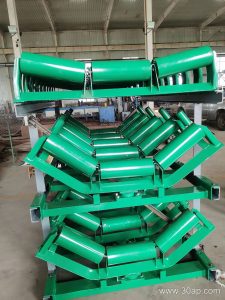
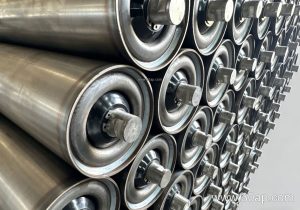
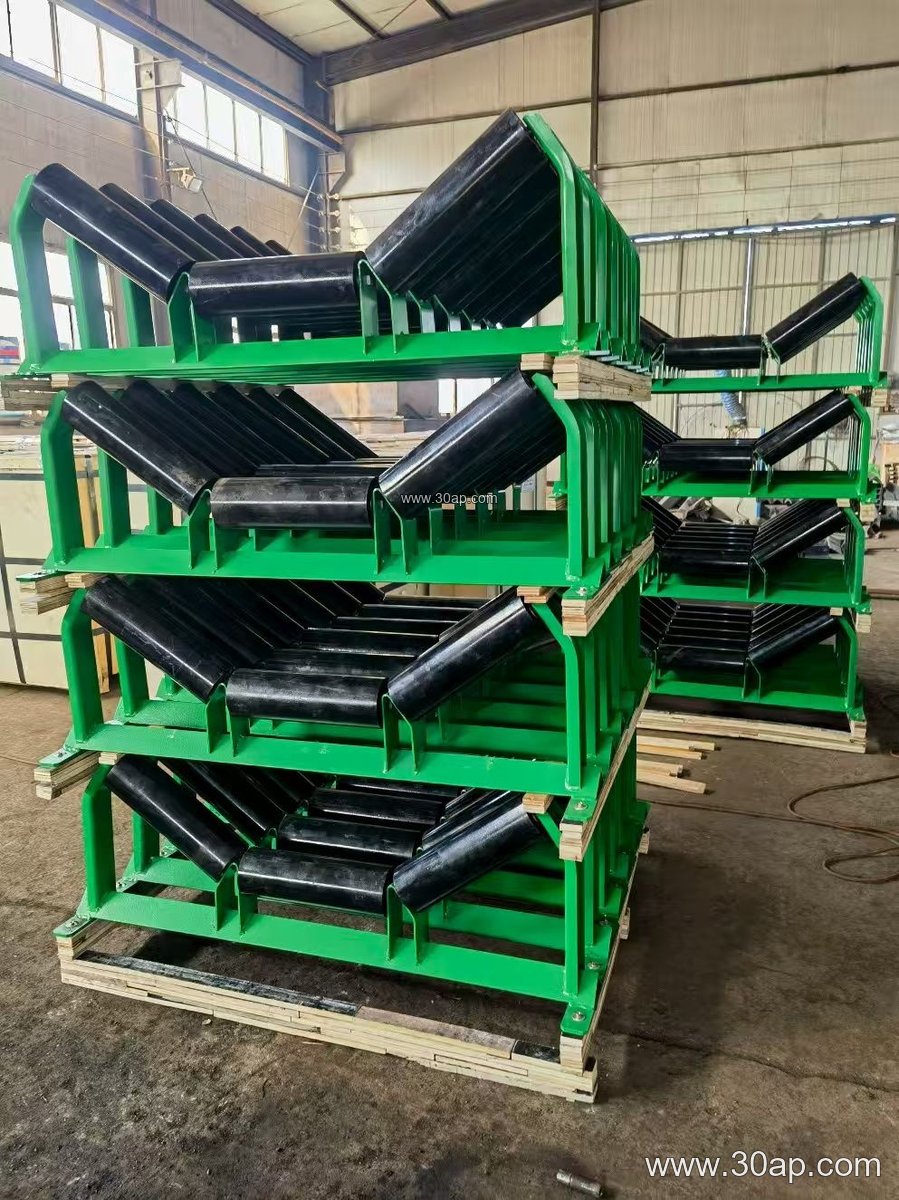
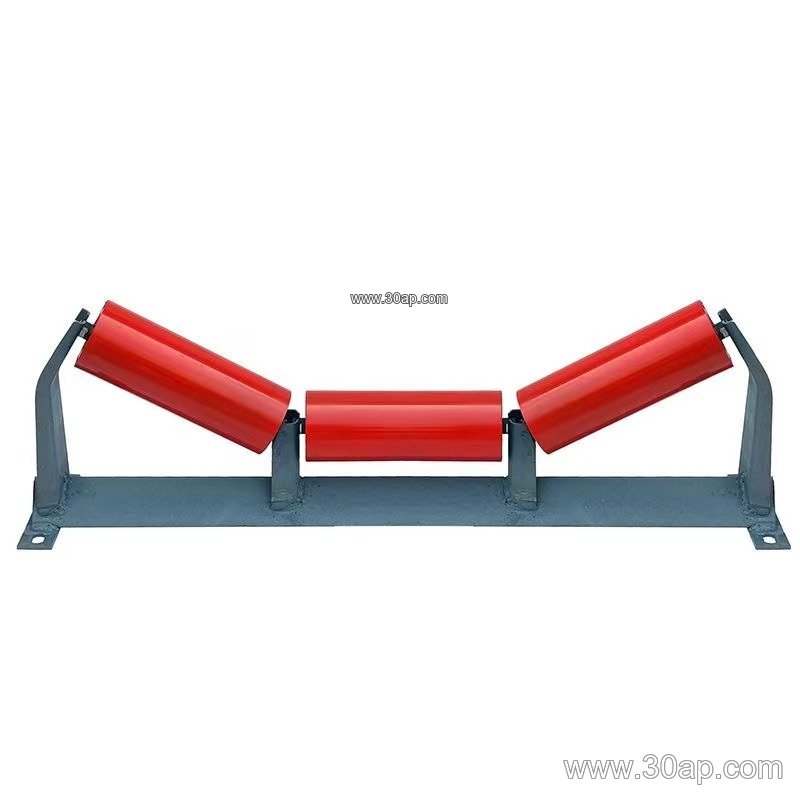
A fixed conveyor bracket is the stationary support that holds idler rollers at a set angle and height along a belt conveyor. Unlike adjustable frames, it does not move once installed, so the trough profile stays consistent from the load point to the discharge. In a quarry or a cement plant, that consistency matters because a wandering belt wastes energy and spills material. The bracket works together with the conveyor belt, the idler roller and the conveyor pulley to keep the whole run aligned.
Buyers often meet this part under its equivalent name, the stationary idler support bracket. Both terms describe the same welded or bolted frame that carries troughing or return rollers. It is not a drive pulley bracket, nor a tail pulley bracket, and it should never be ordered as a substitute for those components.
How the Frame Is Put Together
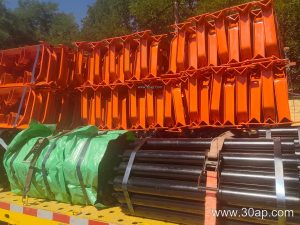
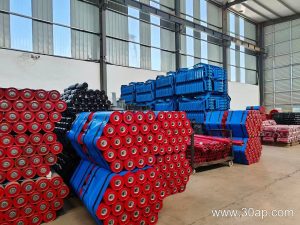
Most fixed brackets are fabricated from angle steel, channel steel or folded steel plate. The crossbeam length and the mounting hole spacing are determined by the belt width and the trough angle, so they are not fixed numbers. A typical assembly includes the main crossbeam, two or three roller seats, and bolt slots for fine alignment during installation.
Common belt widths in the reference range include B500, B650, B800, B1000, B1200, B1400, B1600, B1800, B2000 and B2200. Trough angles are usually 20, 30, 35 or 45 degrees. Roller diameters often fall among Ø89, Ø108, Ø133, Ø159 and Ø194. A bracket might be described as B800, 35 degrees, Ø108, or B1200, 45 degrees, Ø133, but these are examples rather than fixed matches. One belt width can accept more than one trough angle and more than one roller diameter, depending on the conveyor design.
Common Reference Combinations
| Belt Width | Trough Angle | Roller Diameter | Typical Support Use |
|---|---|---|---|
| B650 | 30 degrees | Ø89 | Light aggregate lines |
| B800 | 35 degrees | Ø108 | Sand and gravel conveying |
| B1000 | 35 degrees | Ø133 | Cement plant clinker lines |
| B1200 | 45 degrees | Ø133 | Coal handling in power plants |
| B1400 | 35 degrees | Ø159 | Iron ore and heavy bulk duty |
| B1600 | 45 degrees | Ø159 | Port loading conveyors |
| B1800 | 35 degrees | Ø194 | Large tonnage stockyard lines |
These values are reference data only. Final dimensions should follow the conveyor design drawing and the actual roller selected.
Where Fixed Frames Fit Best
Fixed brackets suit long straight runs where the belt profile should not change. In a coal washing plant, a fixed troughing bracket keeps the belt in a steady 35 degree profile through the transfer tower. In a limestone mine, a fixed return bracket supports the empty side of the belt without the extra maintenance that moving parts demand.
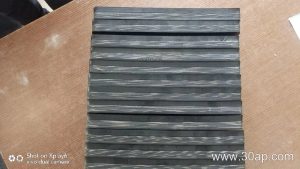
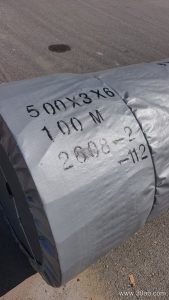
The frame is less suitable where belt loading varies sharply or where the belt needs frequent re-tensioning. In those areas, a self-aligning or缓冲 bracket may be considered, but it does not replace the fixed bracket as the main support along the run. A fixed bracket also pairs well with a rubber conveyor belt or an EP conveyor belt where stable tracking reduces edge wear. On abrasive duties such as a quarry conveyor belt or an ore conveyor belt, a rigid frame helps the idler roller stay square to the belt path.
Selection Points for Buyers
Start with the belt width and the required trough angle, then confirm the roller diameter and the mounting hole spacing from the conveyor drawing. Check the steel section and the welding quality, since a weak crossbeam will flex under load. Ask whether the bracket is designed for a specific roller seat height, because changing the roller later may require a different seat.
- Confirm belt width and trough angle before ordering.
- Match roller diameter to the existing idler roller set.
- Check bolt spacing against the conveyor stringer.
- Consider the environment, such as dust, moisture or heat.
A flame retardant conveyor belt in an underground coal mining conveyor may call for a bracket with a corrosion-resistant finish, while a heat resistant conveyor belt near a kiln may need a frame that keeps its shape at elevated temperature. These choices affect service life more than the nominal size alone.
Installation and Maintenance Notes
Mount the fixed bracket square to the belt centerline and tighten the bolts evenly. After the first week of operation, recheck the alignment, because a new conveyor belt settles and the frame may shift slightly. Keep the roller seats clean so the idler roller turns freely. If the belt begins to wander, inspect the bracket line before adjusting the pulley.
For users searching for a reliable stationary support, the fixed conveyor bracket remains a straightforward choice. It is available through bulk handling suppliers and can be specified alongside the conveyor belt, the idler roller and the conveyor pulley as one coordinated package.